Chili Ingredient Forms for Food Manufacturing
Choose the chili form by the work your plant wants to retain and the food result you need. RELIA SPICES prepares powder and cut/crushed chili from purchased dried peppers. Whole pods leave more size reduction with you; flakes retain visible pieces; powder provides a ground input. Threads and food seeds need their own acceptance brief. Send the receiving form and intended operation to narrow the useful handover.
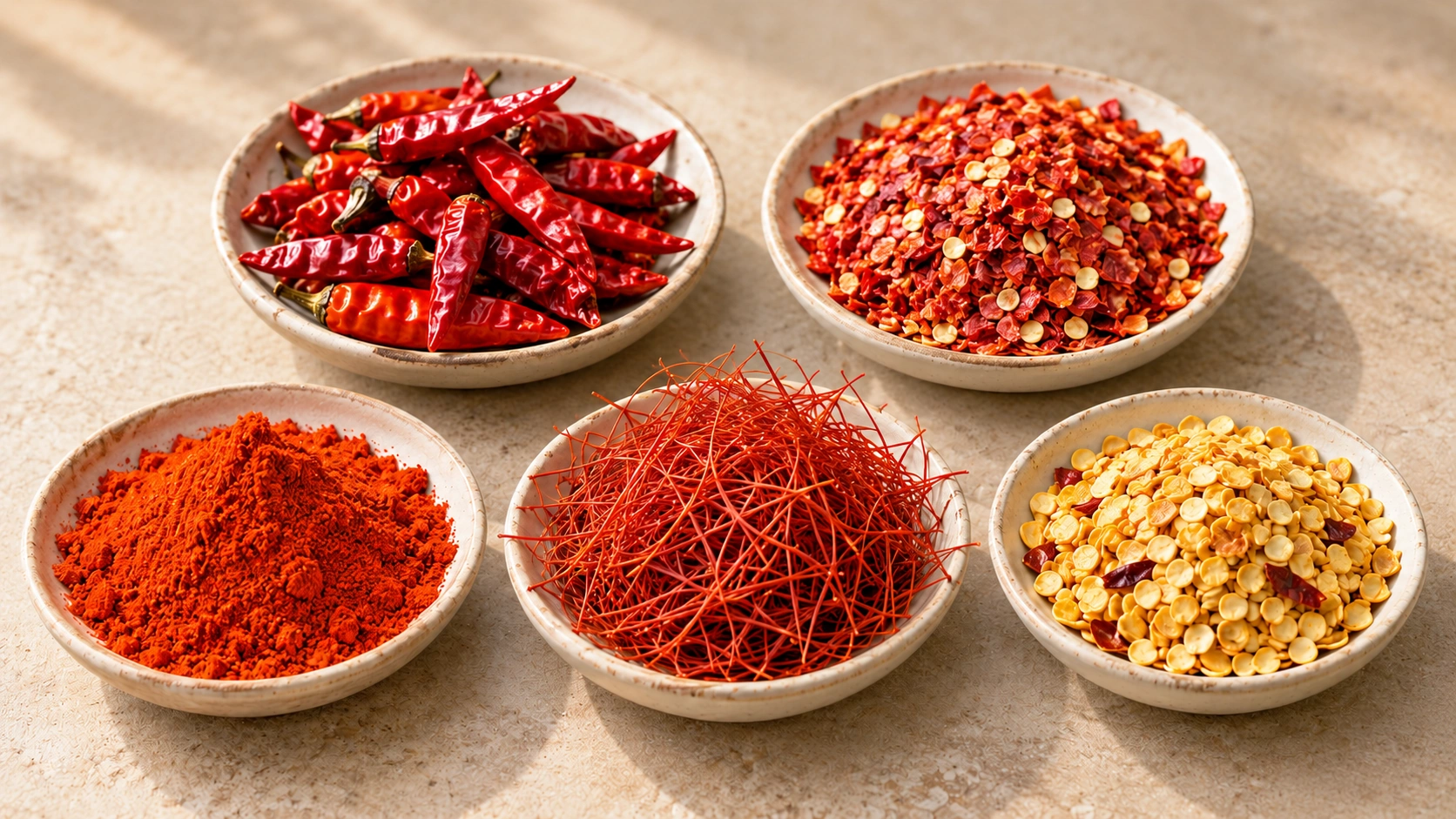
- Whole-pod route
- New Generation pods list 3–6 cm and 50,000–90,000 SHU, with stem preparation to select.
- Visible or ground
- Sweet paprika flakes list 3–5 mm; the separate sweet paprika powder lists nominal 70 mesh.
- Specialist forms
- Thread dimensions need a defined axis; food seed material needs a separate processing specification.
Choose the useful handover from the chili factory
A useful supplier handover removes work without creating a new process problem.
| Receiving form | Work or food role | Acceptance focus |
|---|---|---|
| Whole pods | Buyer cutting or milling, or a visible whole-pod ingredient | Pod and stem condition, usable output and the actual food. |
| Flakes and cuts | Visible pieces through mixing, hydration or cooking | Main cut, seeds, fines and retained appearance. |
| Powder | A ground input for blending or dispersion | Coarse fraction, flavour, colour and food texture. |
| Threads | A defined visible thread effect | Measured axis, integrity and handling/cooking suitability. |
| Food seeds | The selected pressing or spice-processing route | Seed preparation, skin fragments and useful process output. |
RELIA SPICES processes purchased dried chilies through in-house cleaning, foreign-matter removal, destemming, grinding or cutting/crushing, sieving and packaging. Choose the receiving form that saves useful work in your plant. New Generation pods list 3–6 cm and 50,000–90,000 SHU. Sweet paprika flakes list 3–5 mm with a customization scope and mild/slightly sweet character. Sweet paprika powder lists nominal 70 mesh.
Those preparations solve different jobs. We check moisture and particles internally, use outside laboratories for ASTA, SHU and microbiology, and apply in-house steam microbial reduction according to order requirements. Threads and food seeds retain their own cut, composition and intended-use specifications; the confirmed chili processing route does not establish every specialist preparation or its downstream performance.
Whole Pods Retain Preparation Choices
Select pod and stem condition for the milling or visible-food task.
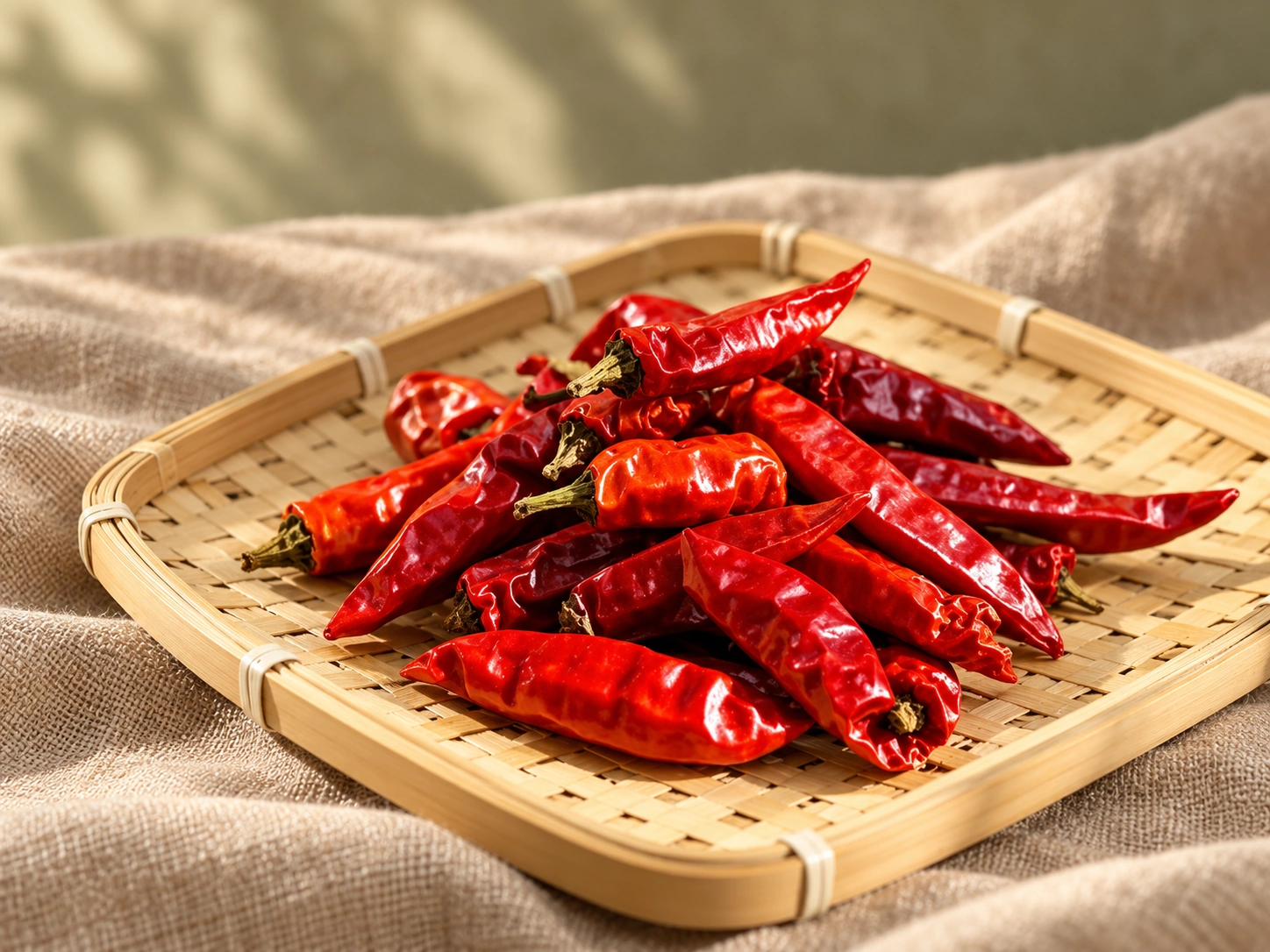
Our New Generation whole-pepper listing describes 3–6 cm pods, stemless or stem-cut preparation and a 50,000–90,000 SHU range. Those details define a different enquiry from a milder cooked-dish pepper or an already-ground powder.
For your own milling line, compare feeding and usable output. For a visible food inclusion, compare the actual cooked pod. A stemless request, a stem-cut request and a broad whole-pepper name should not be treated as the same preparation.
Ingredients to compare for this application
New Generation whole pods for further preparation
Start here when your plant wants to retain pod preparation, cutting or milling rather than receive a finished grind.
- 3–6 cm pods; stemless or stem-cut preparation to select.
- 50,000–90,000 SHU and a separate 12–14% moisture reference.
Sweet paprika flakes for mild visible pieces
Compare for a visible pepper ingredient when mild, slightly sweet character is part of the food brief.
- 3–5 mm reference with a customization scope.
- Mild/slightly sweet character; moisture ≤12%.
Sweet paprika powder for a ground colour-led input
Choose a ground starting point when your operation needs blending or dispersion rather than whole-pod size reduction.
- Nominal 70 mesh; moisture ≤8%.
- 80–220 ASTA customization scope requiring an actual selected grade.
These product specifications are a starting point for selecting a grade. Match the proposed material and sample to your food and order requirements.
Flakes Bring Cut Distribution into the Specification
Flake specifications need the main pieces, fines and seed appearance.
- 01Visible pieces
Inspect the preparation on the food or after the intended wet process.
- 02Fines
Compare the smaller fraction that can affect dusting, settling or texture.
- 03Seed appearance
Describe the seed and skin composition required for the actual product.
Our sweet paprika crushed listing describes 3–5 mm pieces with a mild taste description. The Gochugaru crushed listing carries a separate 5–8 mesh reference. They are useful catalogue starting points, but millimetres and mesh are not one interchangeable description.
Ask for a cut that fits the food and inspect fines as well as the larger pieces. Fines can change appearance, settling or filter load even when the headline flake size seems suitable. Keep any retained or passing fraction tied to the stated sieve basis.
Seeded Flakes Need a Separate Composition Decision
Agree seed composition separately from the cut and heat requirement.
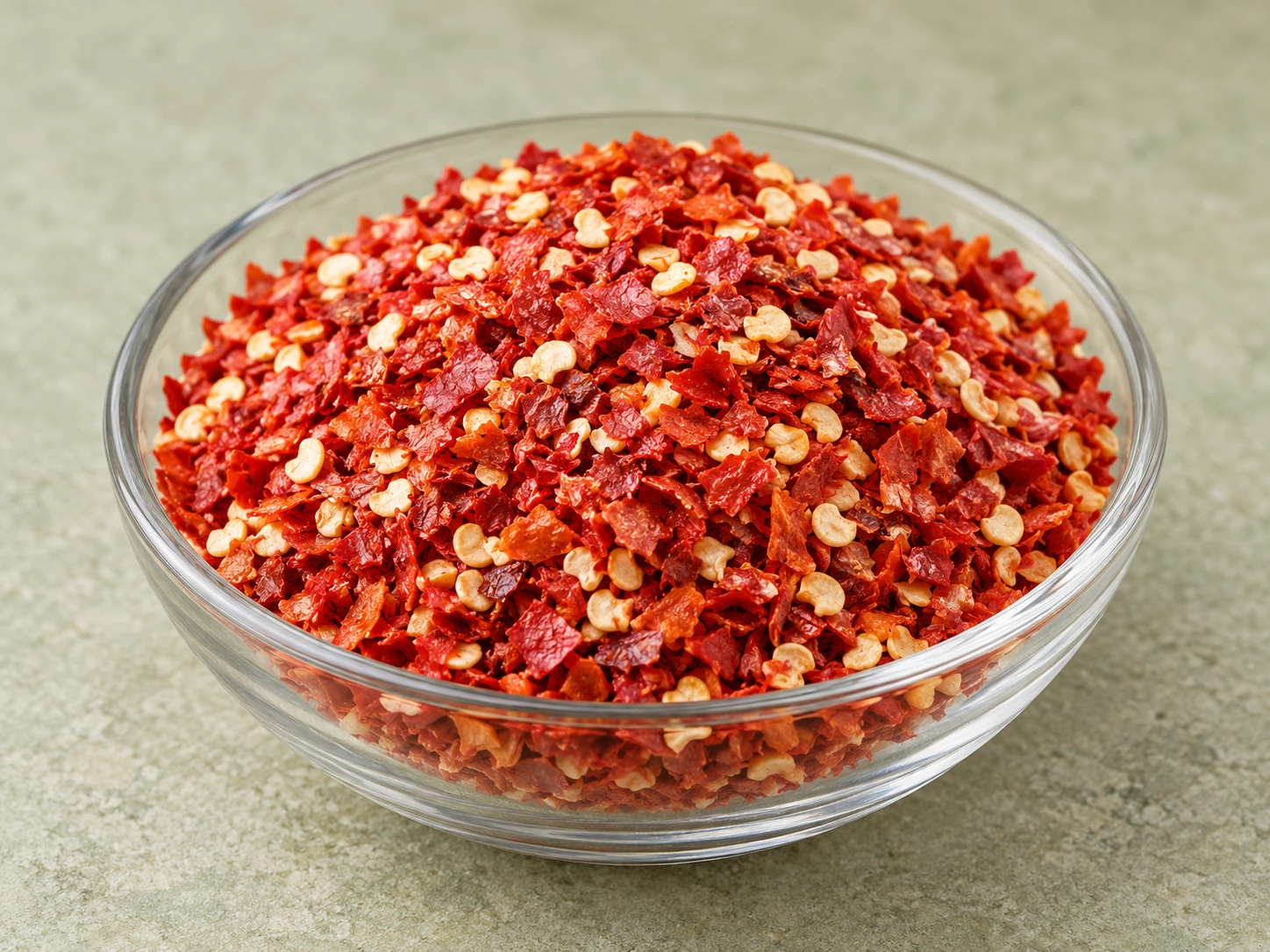
The seeded red-flake listing gives a 20,000 SHU reference and a 3 × 5 mm graininess notation. Agree the actual measured axes and material part before using that notation as a selected cut specification. Seed condition, cut definition and heat remain three separate decisions.
Use an identified sample to specify the preparation. A seed-and-skin mixture may suit a visible seasoning but be unsuitable for a smoother food. Keep the accepted seed and fine fractions explicit rather than estimate percentages from the photograph.
Specify powder particles without losing colour and heat
Powder fineness does not determine its colour strength or pungency.
| Decision | Ingredient criterion | Food check |
|---|---|---|
| Particle character | Sieve system and relevant retained or passing fractions | Specks, mouthfeel and dispersion in the actual mixture. |
| Colour | Selected grade and relevant extractable-colour analysis | Appearance at the recipe dose and processing stage. |
| Heat | Selected sensory profile or analytical requirement | Pungency and pepper flavour in the finished food. |
Sweet paprika powder lists nominal 70 mesh and an 80–220 ASTA customization scope. The separate Cayenne powder lists 60 mesh and a hot-spicy sensory description. Start with the ingredient whose profile matches the food, then agree the physical acceptance criterion.
Use a relevant sieve distribution for persistent specks or coarse sensation. Keep colour and heat on separate lines and compare them in the actual recipe. Moving to a finer powder can change particle character; it does not by itself create a milder pepper or establish a particular colour strength.
Threads Trade Bulk Structure for a Fine Visible Effect
Thread dimensions and integrity must match the actual handling and presentation.
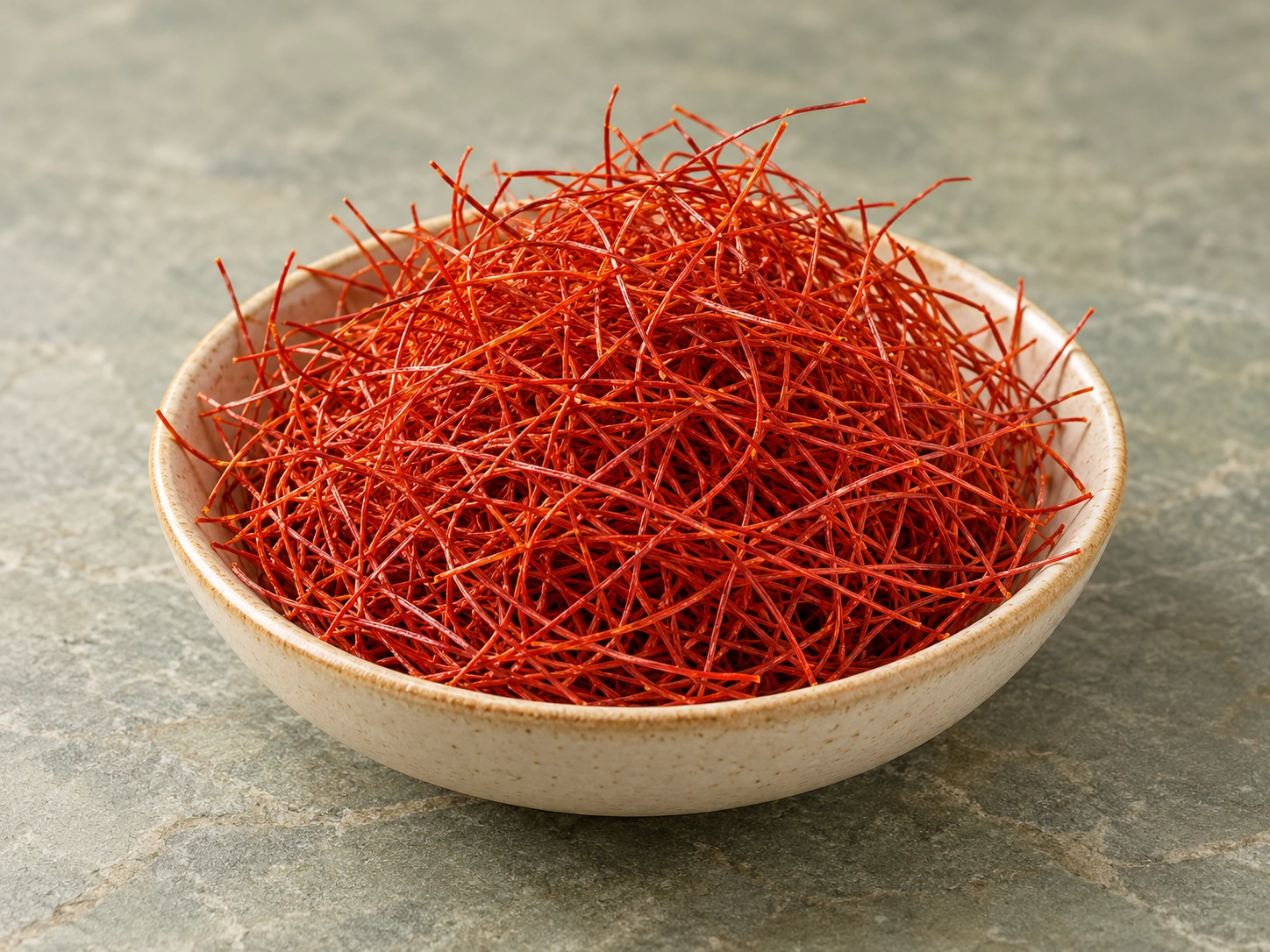
Our Ito Togarashi-style thread listing carries a 0.5 mm graininess reference and 3,000–5,000 SHU. The other thread listing carries 2–3 mm and 20,000–35,000 SHU. Establish the measured axis and actual preparation for each reference; neither entry alone defines thread width.
Compare integrity through the handling and cooking used by your operation. Tangling, breakage and an unsuitable physical profile can change the presentation even where the ingredient still tastes like chili.
Food Seed Material Is Its Own Ingredient
Food seed material does not establish planting viability or pressing yield.
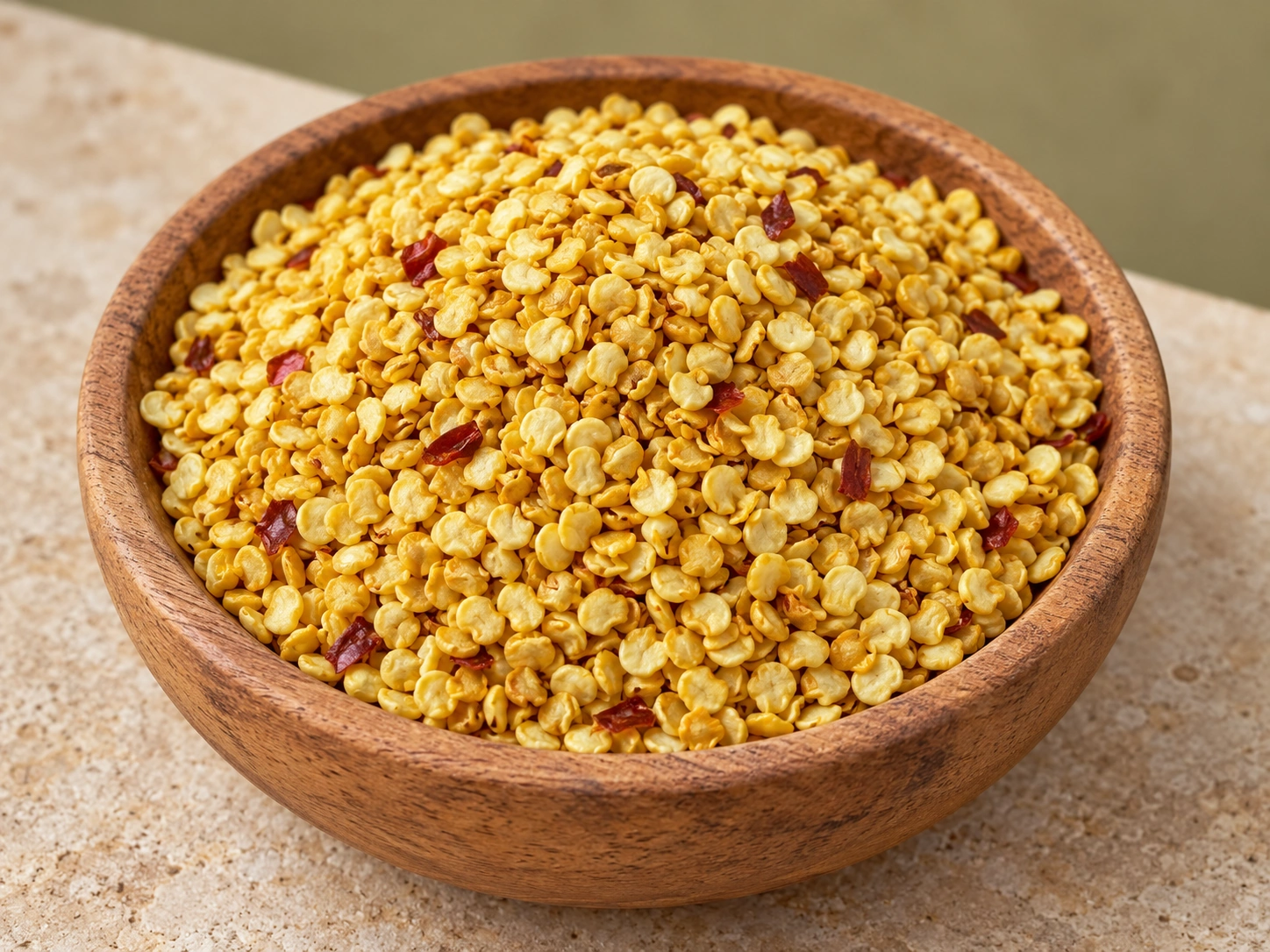
Our dried chili-seed listing is presented for oil pressing and spice processing. It carries a 2–3 mm dimensional reference and a 24-month period with temperature ≤25°C and humidity ≤60% in its source description. Agree the actual measured basis, seed preparation and selected-package scope rather than infer a seed percentage from its seed-dominant appearance.
A food-seed description does not establish planting viability or pressing yield. Define permitted skin fragments and relevant moisture acceptance, then compare the actual preparation in the intended equipment on a consistent usable-output and residue basis.
Compare the useful output from each receiving form
Compare usable output and remaining buyer work, not receiving price alone.
- 01Receive
Identify the actual pod, cut, powder, thread or seed preparation.
- 02Prepare
Describe the work your plant retains before use.
- 03Assess
Measure useful output and the relevant food or equipment result.
- 04Buy
Compare the selected preparation with measured losses and remaining work.
Define the work between receipt and the output you can use. For pods, separate accepted pieces or powder from removed stems, rejected material and rework. For flakes, inspect the main cut, seeds and fines after the actual wet or cooking route. For powder, compare dispersion and persistent coarse particles at the same formula and dose.
Threads need an integrity and presentation check; food seeds need the intended pressing or spice-processing assessment. Neither a millimetre notation nor seed appearance establishes the required output. Add measured preparation work and usable material to the quoted cost. RELIA SPICES can then discuss the handover that benefits your operation rather than substituting one form for another by name alone.
Send the Form and the Food Task Together
Send the physical form and the food or processing task together.
- ✓Physical form
Powder, flake, whole pod, thread or seed preparation.
- ✓Acceptance focus
The size, composition, colour or heat characteristic that matters.
- ✓Purchase context
Your application, quantity, receiving pack and destination.
Send the product link, receiving form and the food or further-processing task. We can discuss our manufactured powder and cut/crushed preparation, the buyer work you retain and the appropriate particle, moisture and treatment requirements. Keep threads and food seeds on their own material-specific lines rather than treat every form as an interchangeable chilli grade.
- Material and form
- Food application
- Particle/colour/heat
- Quantity and pack
- Destination
- Trial objective
Your next purchasing decision
Discuss the receiving form for your food process
Define the handover your operation can use and the result it must deliver.
Identify the form you want to receive and the operations your plant will perform before use.
Include the useful output, particle or composition priorities, required tests and order treatment. We can connect the proposed preparation to the work and food result that matter to your purchase.
The enquiry page keeps this guide with your message. Add your quantity and destination so we can discuss the relevant material.