
Paprika and Chili for Cheese and Dairy Dips
For a smooth cheese or dairy dip, start with sweet paprika for colour and select Cayenne separately for heat. Choose coarse flakes only when a visible pepper bite belongs in the dip. Send the dairy base, chilled or warm serving route and the mixing stage. We can discuss the powder fraction and selected treatment around clumps, hard fragments or uneven heat without treating ground pepper as a soluble ingredient.
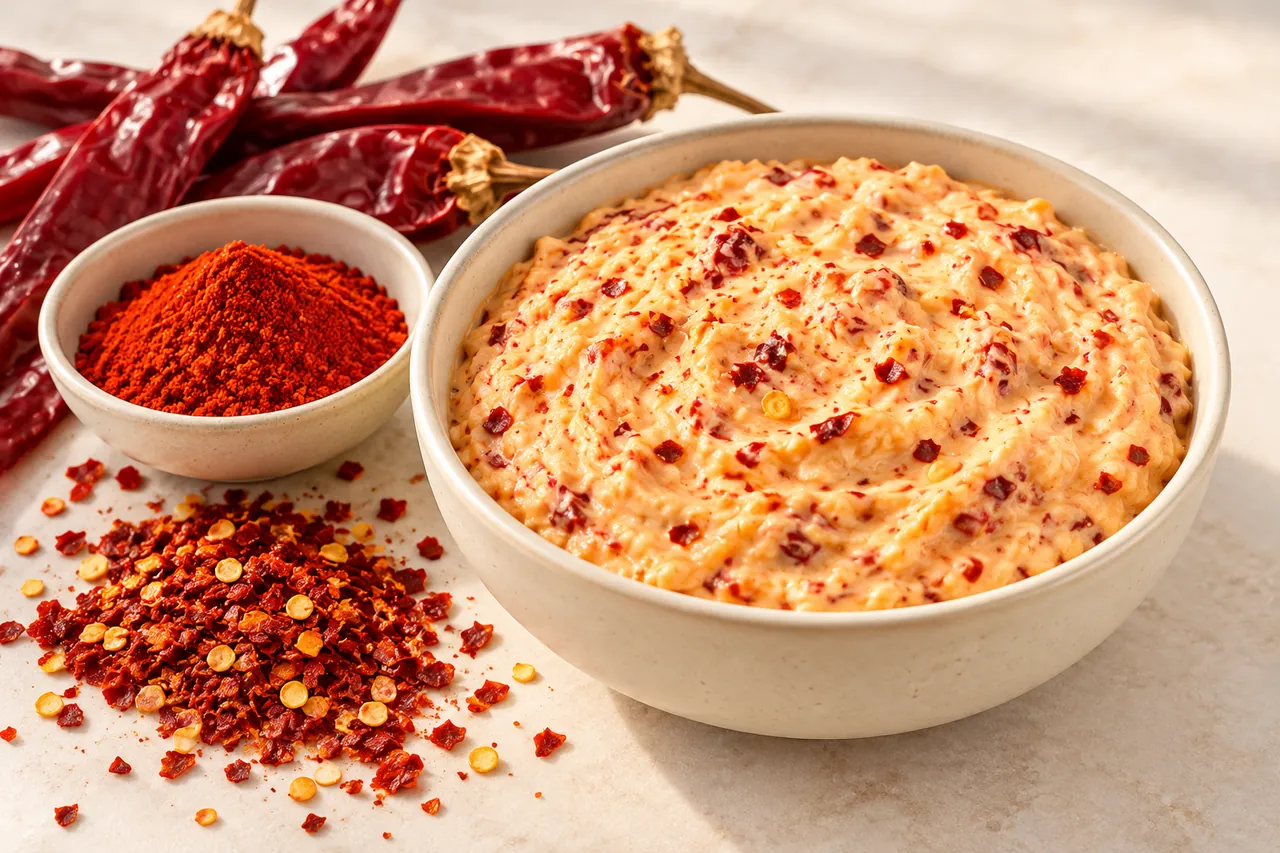
- Colour-led powder
- Sweet paprika lists nominal 70 mesh and a customizable 80–220 ASTA scope, not one supplied grade.
- Separate heat choice
- Cayenne offers descriptive mild, medium and hot profiles, without a numerical SHU specification.
- Served-dip comparison
- Keep the dairy base and serving condition fixed when comparing colour, grit and perceived heat.
Prepare the pepper for its job in the dip
Powder distribution and visible flakes require different physical preparation criteria.
- 01Protein background
Use the same actual dairy proteins; published capsaicin solutions do not predict a finished-dip formula.
- 02Fat and texture
Keep the base unchanged while comparing pepper, rather than attributing every texture difference to the spice.
- 03Serving condition
Assess chilled and warm products through their own real service routes.
RELIA SPICES cleans and destems purchased dried chilies before grinding or cutting, sieving and packing. For a smooth dip, we discuss the powder fraction and unwanted coarse particles. A visibly flecked dip needs a separate cut and seed criterion.
We check moisture and particles internally; ASTA, SHU and microbiology use external laboratories. In-house steam microbial reduction is selected according to order requirements. Tell us whether the pepper enters before or after the dip's main process so we can discuss preparation and treatment at the relevant stage.
Choose smooth background or visible pepper
A coarse flake can add a deliberate bite but cannot replace a smooth colour background.
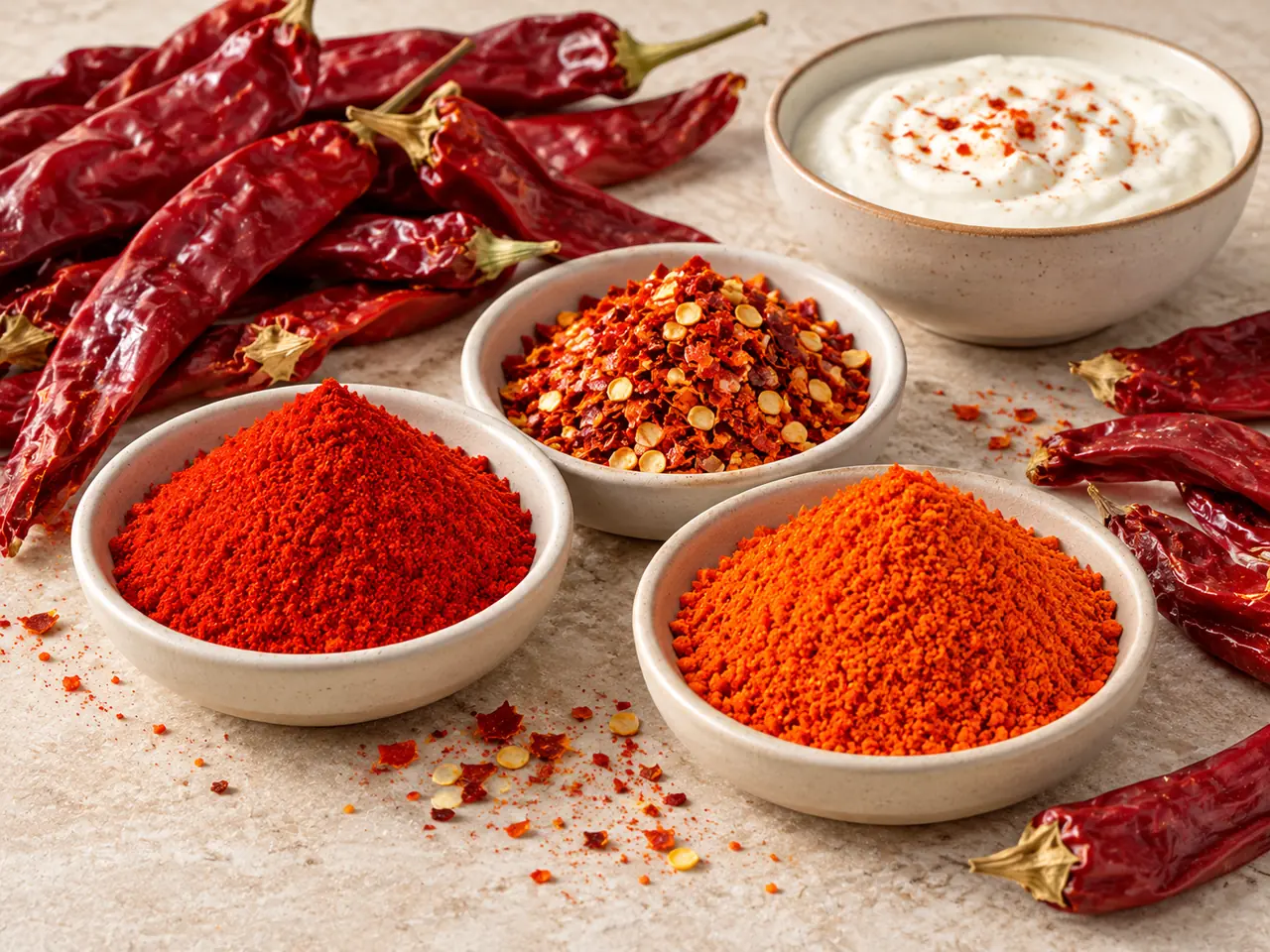
Our sweet paprika powder provides a colour-led starting point: nominal 70 mesh, a separate customizable 60–70 mesh reference and customizable 80–220 ASTA. The Cayenne powder provides nominal 60 mesh, customizable 60–70 mesh and descriptive mild, medium and hot options for a separately selected heat component. For visible red pieces, the coarse dried chili flakes declare 5–8 mesh and a strong, pungent flavour. They have named kimchi and hotpot uses; their suitability for a dairy dip must come from your actual comparison, not from that listing context.
Ingredients to compare for this application
Sweet paprika for a smooth colour background
A colour-led starting powder when visible coarse pepper is not part of the intended dip texture.
- Nominal 70 mesh; separate customizable 60–70 mesh reference.
- Customizable 80–220 ASTA scope requires an actual selected grade.
- Moisture ≤8%.
Cayenne for a separate heat input
Compare a selected pungency alongside the paprika rather than changing colour and heat together.
- Nominal 60 mesh; separate customizable 60–70 mesh reference.
- Mild, medium and hot are descriptive options, not numerical SHU grades.
- Moisture ≤9%.
Coarse flakes for a deliberate pepper bite
A distinct visible-texture trial where the dip should contain accepted pepper pieces.
- 5–8 mesh reference.
- Strong pungent flavour description without an established numerical SHU.
- Moisture ≤8%; impurity ≤0.3%.
These product specifications are a starting point for selecting a grade. Match the proposed material and sample to your food and order requirements.
Separate powder clumps from hard particles
Cut open a coloured clump to separate a dry centre from one hard coarse particle.
| Observation | Likely material distinction | Useful comparison |
|---|---|---|
| Coloured clump | Dry centre versus coarse fragment | Cut the clump after the same mixing route |
| Gritty bite | Hard skin or seed in the coarse tail | Compare in the same smooth base |
| Colour mismatch | Selected paprika grade and dairy background | Matched addition in the served dip |
| Unexpected burn | Heat input and protein/fat background | Same base and serving condition |
Grinding reduces dried pepper tissue; sieving selects a fraction without making it soluble. A coloured clump may contain a dry powder centre. A gritty bite may instead come from one coarse skin or seed fragment. Those defects call for different changes.
Use our moisture and particle checks to identify the supplied preparation, then compare it in the same dairy base and addition sequence. Sweet paprika's nominal 70 mesh and Cayenne's nominal 60 mesh are starting references, not complete distributions. External ASTA or SHU evidence describes the selected ingredient, while fat, protein and serving condition affect the dip comparison. Inspect clumps, colour and bite together before changing the grind or heat input.
Assess colour and heat against the dairy background
Ingredient ASTA does not predict the appearance of every white dairy background.
- 01Paprika grade
Discuss an actual grade within the customizable 80–220 ASTA scope.
- 02Prepared colour
Compare matched additions in the same dairy background.
- 03Accepted flavour
Adjust the selected colour and heat roles separately, then judge the served dip.
Use ASTA as a reference for the paprika ingredient, then assess the actual dip colour separately. The dairy background and other coloured ingredients can alter the visual result, and the top of an 80–220 ASTA scope is not the grade automatically supplied. Compare matched additions first, then adjust the selected material toward the accepted colour and flavour target. Keep the Cayenne heat decision separate. Its descriptive options do not state numerical SHU, and a nominally similar grind does not make sweet paprika and Cayenne interchangeable ingredients.
Observe the real mixing and holding stages
Compare the real chilled or warm service state, including a pepper-free base control.
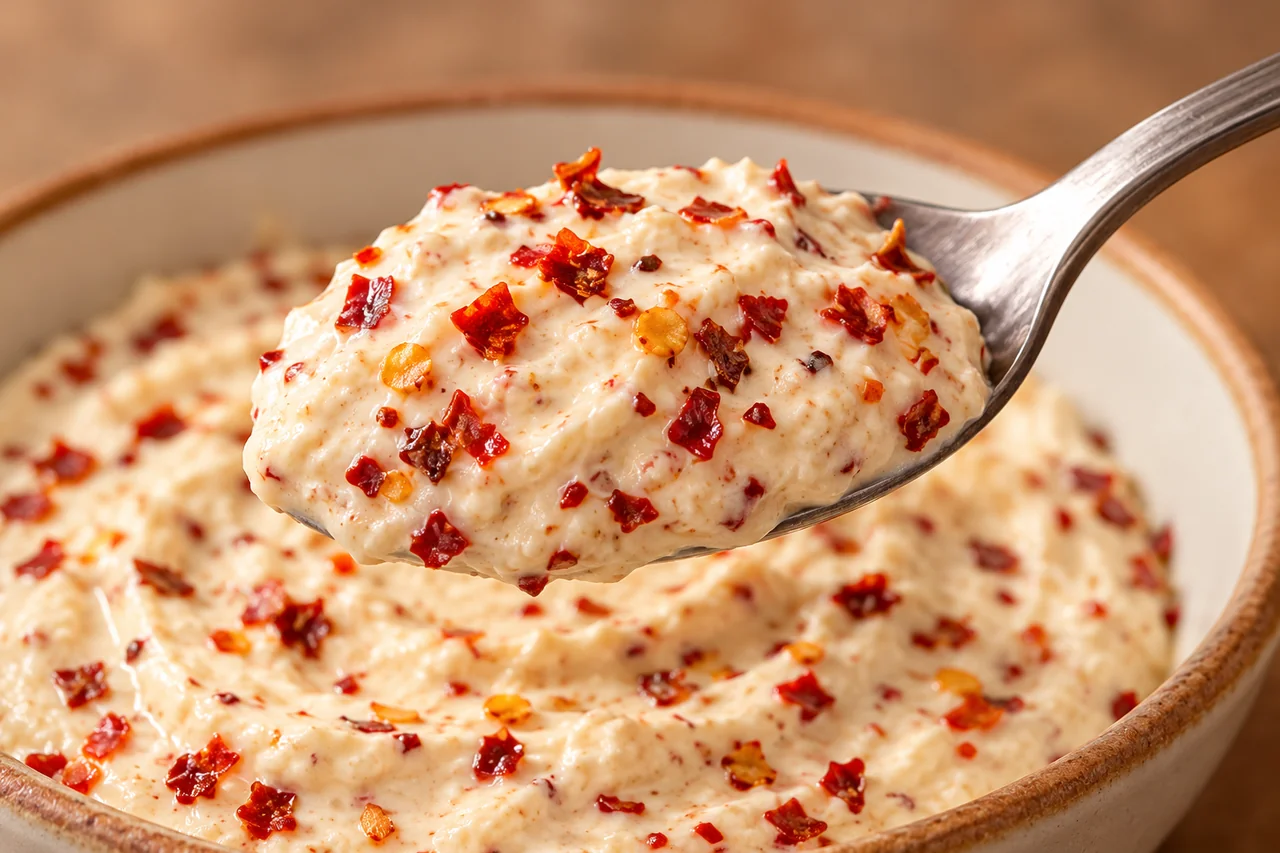
Observe the dip immediately after mixing and at the intended service point. Look for pepper clusters, settling, visible flakes and any liquid separation, but do not assign every defect to the spice. Inspect an otherwise identical base without the pepper as a diagnostic control. For a warm cheese dip, include the real heating and service sequence; for a chilled dip, evaluate the intended cold serving condition. A powder that looks evenly distributed in one state has not demonstrated stability in another. Keep those results attached to the actual material and preparation.
Keep composition and allergen responsibilities clear
Review the pepper composition separately from the dairy formulation and its label.
- 01Pepper composition
Obtain the actual spice formulation and relevant cross-contact and treatment information.
- 02Finished dip
Approve the dairy label, intended use and handling controls on the complete recipe, not the paprika name.
A complete ingredient declaration is needed for the proposed pepper, not just the dairy portion of the recipe. The sweet paprika listing has a generic spice row and the coarse-flake listing does not define a complete seed-to-skin formulation. Request the actual composition and relevant cross-contact information. Dairy already makes the finished product’s label review specific, but that does not remove the need to review the pepper input. Do not infer allergen-free, vegan, gluten-free or ready-to-eat status from a short spice description or successful sensory comparison.
Connect selected treatment and storage to the pepper input
Select ingredient treatment around its addition stage; do not infer finished-dip stability.
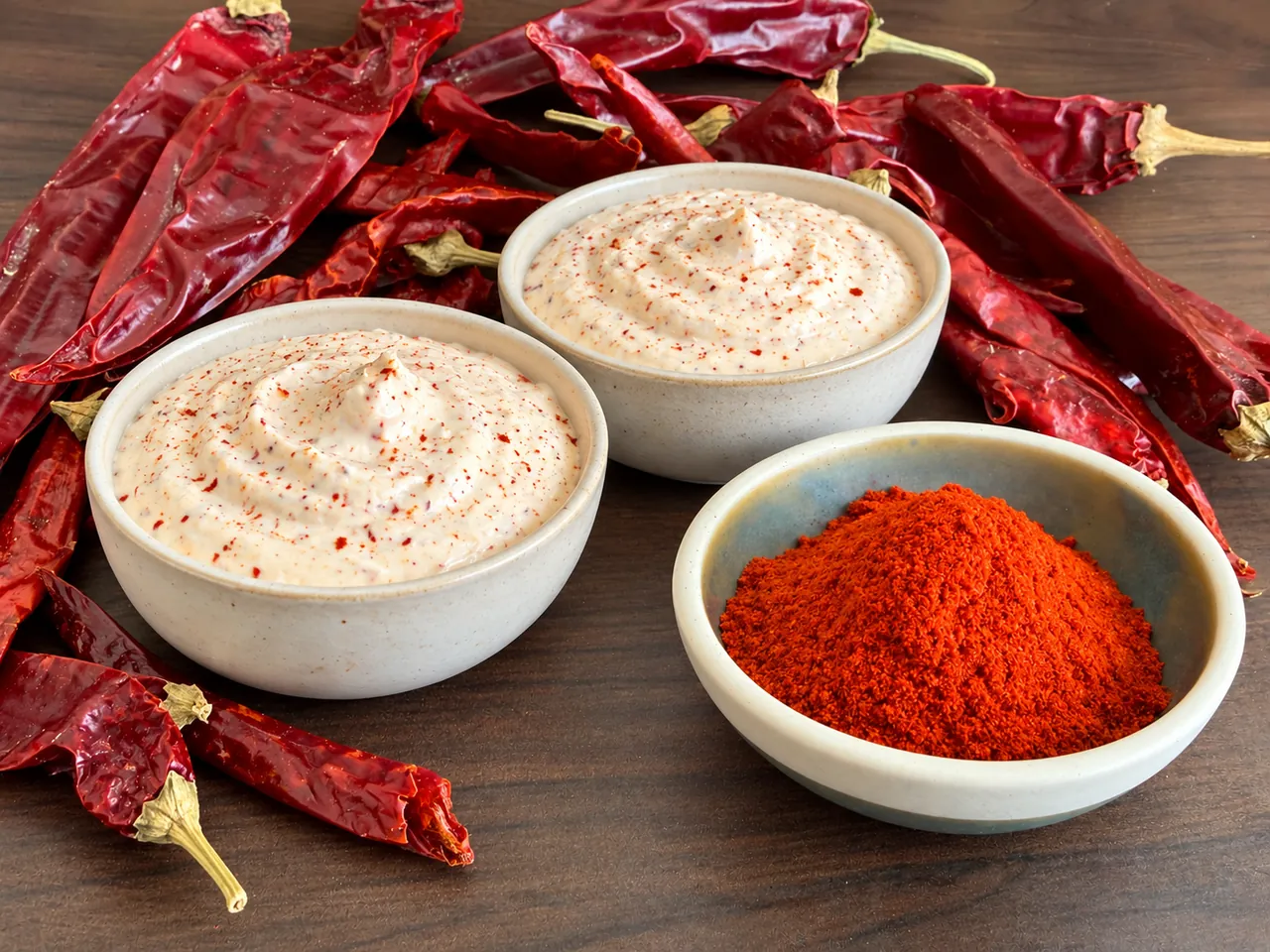
Our in-house steam microbial-reduction equipment is used according to the order requirement. State whether paprika or chili enters after the dip's main process, then agree the actual ingredient treatment and relevant outside-laboratory microbiological evidence. Keep its package declaration separate: sweet paprika lists ≤8% moisture and 24 months at ≤25°C and ≤60% humidity; Cayenne lists ≤9% and 12 months under its own conditions; coarse flakes list ≤8% and 24 months cool and dry. These scopes do not establish opened-ingredient life or a finished dairy dip's stability, safety or storage period.
Compare the same ingredient and dip endpoint
Compare the dose needed for the same accepted colour, flavour and texture.
- ✓Smooth route
A defined powder distribution must meet colour, pepper character and hard-particle limits.
- ✓Visible route
A selected flake fraction must meet appearance, seed and skin bite, and serving distribution targets.
- ✓Commercial basis
Compare dose and complete preparation scope; a higher colour range is not automatically better value.
Compare offers at the same dip endpoint, including dose, colour, heat and texture. A powder requiring a different dose to reach the accepted colour should not be ranked by price per bag alone. Conversely, a very intense colour is no advantage if the flavour no longer fits the dairy base. For flakes, include the visible fraction, seeds and serving distribution in the comparison. Ask for the actual proposed grade and complete material scope; customizable entries are starting points for discussion rather than a set of qualified dip-specific variants.
Send the dairy base and the defect
Send the defect in the dip rather than requesting undefined better solubility.
- 01Describe the base
Identify the dairy formulation and actual chilled or warm service route.
- 02Identify the defect
Show clumps, hard fragments, settling or a colour-and-heat mismatch.
- 03Discuss the material
Request the relevant powder grade or flake preparation without assuming solubility or a validated dip process.
Share the dairy base, mixing stage and actual chilled or warm serving route. Link the colour-led paprika, Cayenne or coarse-flake candidate. Include the accepted dip reference and photographs of a cut clump, hard fragment or settled layer. We can discuss the fraction, selected heat and treatment requirement around that problem, then agree the sample, package and commercial scope.
- Cheese or dairy base
- Chilled or warm serving route
- Smooth or visible-piece target
- Colour, heat and aftertaste reference
- Mixing and holding conditions
- Composition, lot documents and quantity
Your next purchasing decision
Choose a pepper role for your dairy dip
Discuss the colour powder, heat input or visible flake against one actual dip.
Send your dairy base, serving route and the defect to Qingdao Relia Spices Co., Ltd. / RELIA SPICES. Keep a colour-led paprika enquiry separate from heat and visible-flake requirements.
The enquiry page keeps this guide with your message. Add your quantity and destination so we can discuss the relevant material.