
Buying Paprika Powder Direct from a Chinese Manufacturer
Choose paprika powder for the colour, flavour and texture your food needs, then compare a selected grade in your recipe. Start with the nominal 70-mesh sweet paprika or the separate dried sweet paprika powder; their ASTA ranges describe different options. Send your application, colour requirement and intended quantity so we can propose a material for a useful sample comparison.
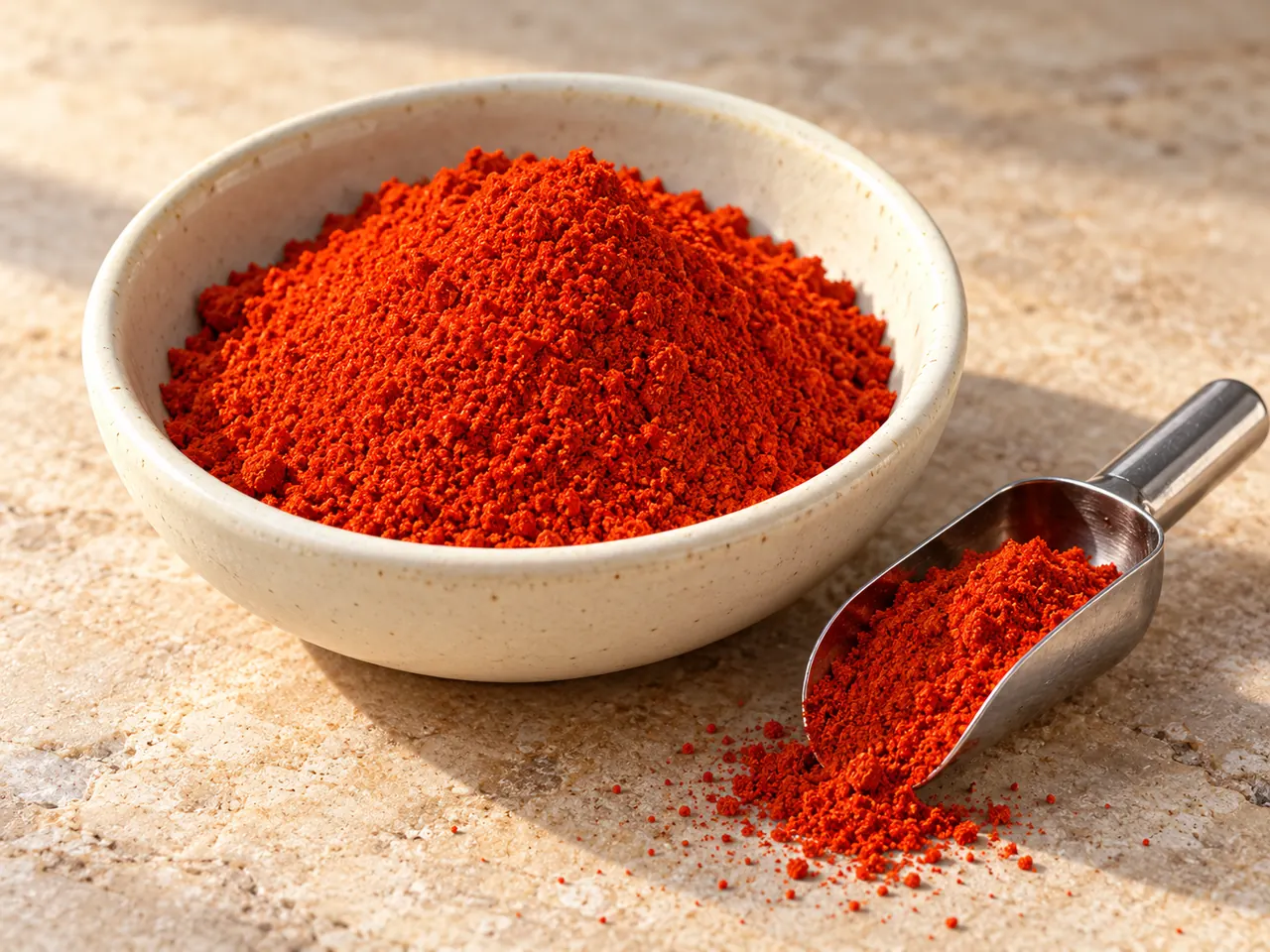
- Choose the starting powder
- Nominal 70-mesh sweet paprika offers a clear first particle reference.
- Select a colour grade
- The two paprika listings have separate ASTA ranges; compare selected grades, not range endpoints.
- Test the food
- Compare equal additions before changing dose or ranking bulk prices.
Match the Powder to the Food Format
Match the grind to the food before comparing factory offers.
- 01Smooth sauces
Inspect dispersed colour, specks and mouthfeel after the normal cook and mixing sequence.
- 02Dry seasonings
Inspect the mixed blend, deposited coverage and colour after application to the food.
- 03Flavour-led foods
Compare paprika aroma and taste alongside the required colour and heat limits.
RELIA SPICES makes paprika and chili powders from purchased dried chilies. We clean the material, remove foreign matter and stems, then grind, sieve and pack it in-house. For your purchase, start by choosing the pepper and physical grade that will enter the food.
The nominal 70-mesh sweet paprika is a useful first option for a sieve-defined brief. Compare the separate dried sweet paprika on its own colour scope. We check routine moisture and particle size internally; ASTA, SHU and microbiological analyses go to laboratories.
Compare Two Actual Paprika Starting Points
Treat the two paprika powders as separate candidates with separate colour scopes.
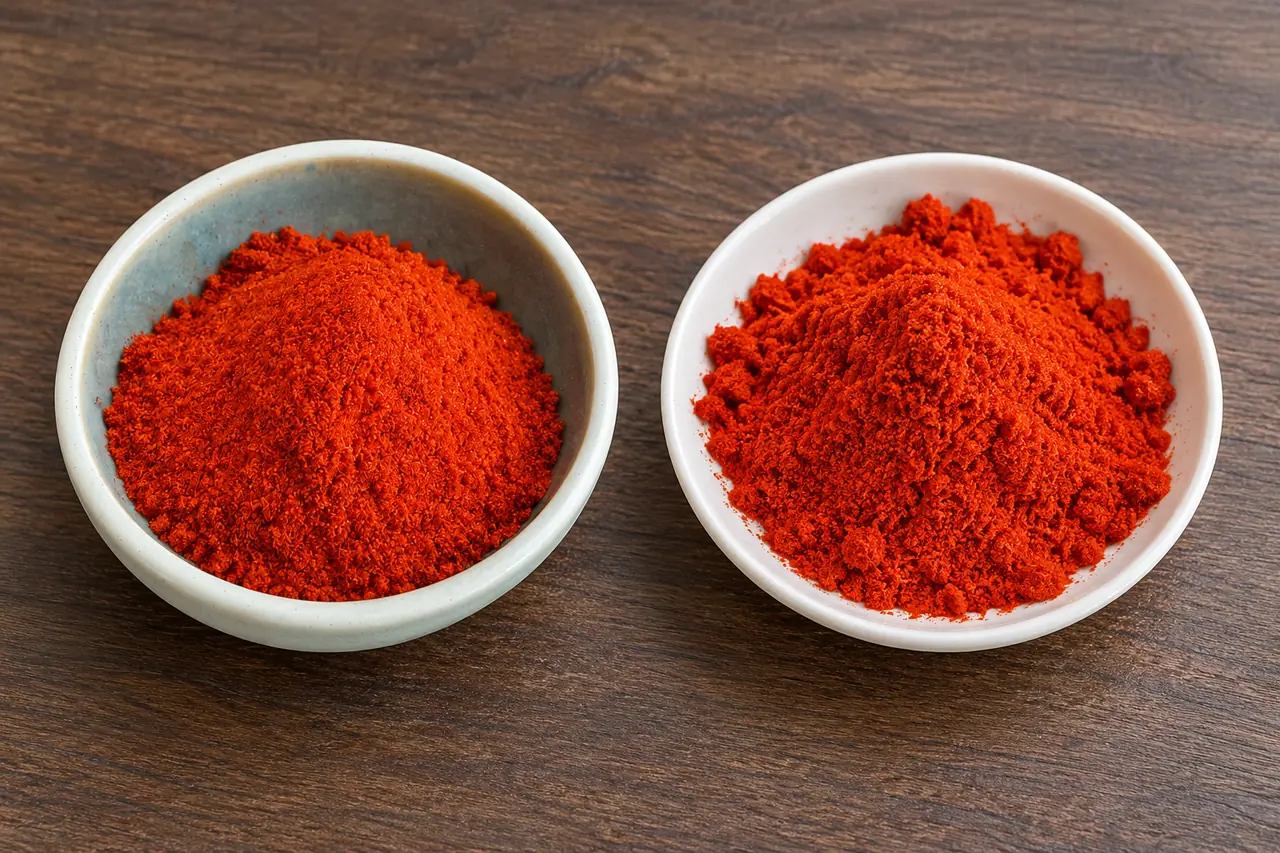
The sweet paprika powder lists nominal 70 mesh, a separate customizable 60–70-mesh reference and an 80–220 ASTA colour range. The dried red sweet paprika powder has its own 80–280 ASTA declaration. The two ranges describe catalogue scope, not two batches whose results have already been compared.
Prefer the sweet paprika powder for an initial sieve-defined discussion. Keep the dried red sweet paprika powder in the comparison when its actual proposed grade merits evaluation, but do not convert its unitless 40–60 field into mesh. Select samples as individual materials rather than assembling one specification from both listings.
Ingredients to compare for this application
Nominal 70-mesh sweet paprika
Start here when a powder grind and selected colour grade both matter in a sauce or seasoning brief.
- Nominal specification: 70 mesh; separate 60–70-mesh customization.
- Colour customization: 80–220 ASTA.
- Moisture specification: ≤8%.
Dried sweet paprika powder
Compare this separate powder when evaluating an alternative paprika colour grade in the same food.
- Declared product name: sweet paprika powder.
- Declared colour scope: 80–280 ASTA.
- Carton and bag packing are described.
These product specifications are a starting point for selecting a grade. Match the proposed material and sample to your food and order requirements.
Separate Colour Strength from Powder Appearance
ASTA describes ingredient colour strength; the food trial decides appearance.
- 01Equal-weight screening
Run each identified sample through the same recipe before changing the addition level.
- 02Food observation
Compare cooked appearance and flavour against the actual finished-food reference.
- 03Grade selection
Choose the grade on its measured basis and application result rather than the reddest photograph.
ASTA describes extractable colour separately from the colour seen on the powder surface. That distinction matters when a powder looks attractive in a bag but must colour a different food matrix. Use the analysis to describe the selected ingredient and the application trial to judge the food.
Start with equal ingredient weights in the same recipe. Compare the same serving temperature, lighting and observation stage. Only then explore a different use level for a candidate that needs adjustment; otherwise a dosage change can disguise a material difference.
Connect Pepper Preparation to the Food Result
Grinding and sieving set the physical preparation; colour and heat need separate evidence.
- 01Prepare the input
In-house cleaning, removal of foreign matter and destemming precede powder preparation.
- 02Set the physical grade
Grinding and sieving address the proposed particle requirement.
- 03Compare the evidence
Internal physical checks and relevant external analyses describe different attributes.
- 04Judge the food
Use the identified grade in the intended recipe before selecting the purchase.
Cleaning, foreign-matter removal and destemming prepare the dried pepper input. Grinding breaks it into smaller particles; sieving separates material against the chosen physical criterion. These steps do not establish the powder's colour strength or microbial result.
Particle changes can affect powder appearance and how it feels in food. Red-pepper research found that appearance depended partly on particle characteristics, so finer powder is not automatically the better choice.
For the proposed grade, use our internal moisture and particle checks alongside relevant external ASTA, SHU or microbiological analysis. Then compare the identified powder in your sauce or seasoning at the same first-trial dose. That connects the physical preparation to a practical buying decision.
Run a Small Food Comparison Before Bulk Selection
Keep the first recipe comparison equal before adjusting the dose.
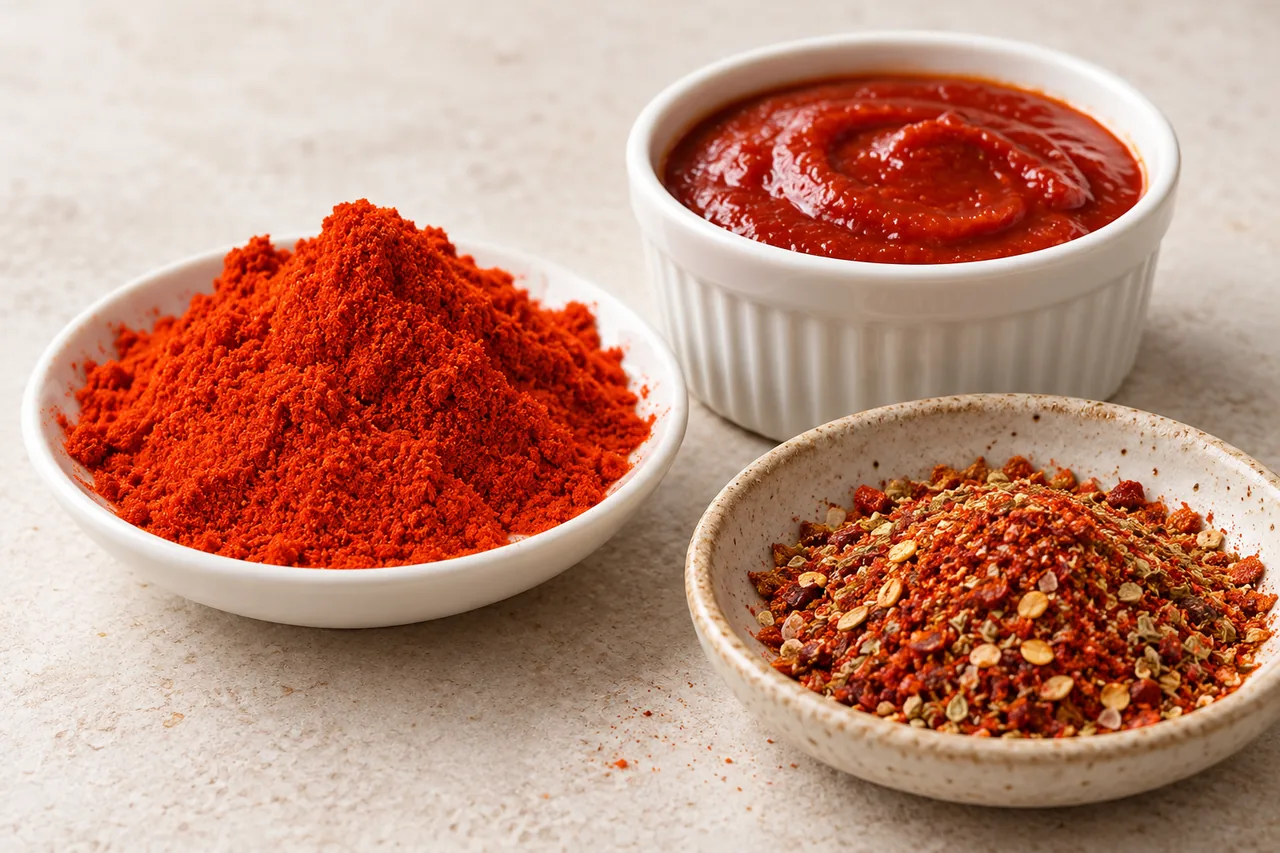
Prepare the incumbent food and the paprika candidates using the same base ingredients. Weigh the additions, keep the order of addition consistent, and photograph the food under one lighting setup. Observe red hue, distribution, paprika flavour and unwanted heat as separate outcomes.
After the first comparison, change one variable at a time. A lower dose can improve cost yet reduce flavour; a finer grade can change the visible texture. The useful output is a chosen material and recipe condition, not a general verdict that one sample is better in every food.
Set Three Criteria That Decide the Purchase
Use colour, particles and food acceptance as three distinct buying criteria.
- ✓Colour basis
Associate the selected grade with the agreed colour method and material sample.
- ✓Particle basis
Specify the sieve standard and meaningful retained or passing fractions.
- ✓Recipe outcome
Define which food observations must remain acceptable at the selected use level.
Choose the criteria your food cannot compromise on. Use colour analysis for the ingredient's colour strength, sieve distribution for particle character, and a food trial for the result at your selected dose. Composition remains a separate description of what you are buying.
Write particle acceptance as the relevant retained or passing fractions on an agreed sieve basis. Link the colour result to the same proposed material. This makes the sample, specification and quotation comparable without letting one attractive result stand in for the complete purchase decision.
Compare Offers on the Same Delivered Material
Compare the same grade, receiving conditions and accepted recipe use.
| Offer line | Common comparison basis | Buying implication |
|---|---|---|
| Powder grade | Same material and selected technical criteria | Avoid comparing unrelated range endpoints |
| Receiving pack | Usable pack and included delivery terms | Count actual handling requirements |
| Food use | Accepted trial dose and recipe result | Compare consumption as well as price |
A price per kilogram becomes useful only when the grade, quantity and receiving package are comparable. Use one comparison sheet for the actual powder offered, its agreed technical scope and the costs included in the quotation. Keep trial-stage purchases separate from later bulk forecasts.
Do not rank offers by the widest ASTA range or a nominal bag weight. A selected grade that needs more material in the recipe may have a different cost in use. Include opening, transfer and storage needs so the less expensive offer does not create avoidable handling work.
Use the Stated Storage Envelope in the Receiving Plan
Plan opened-pack handling separately from the stated unopened storage duration.
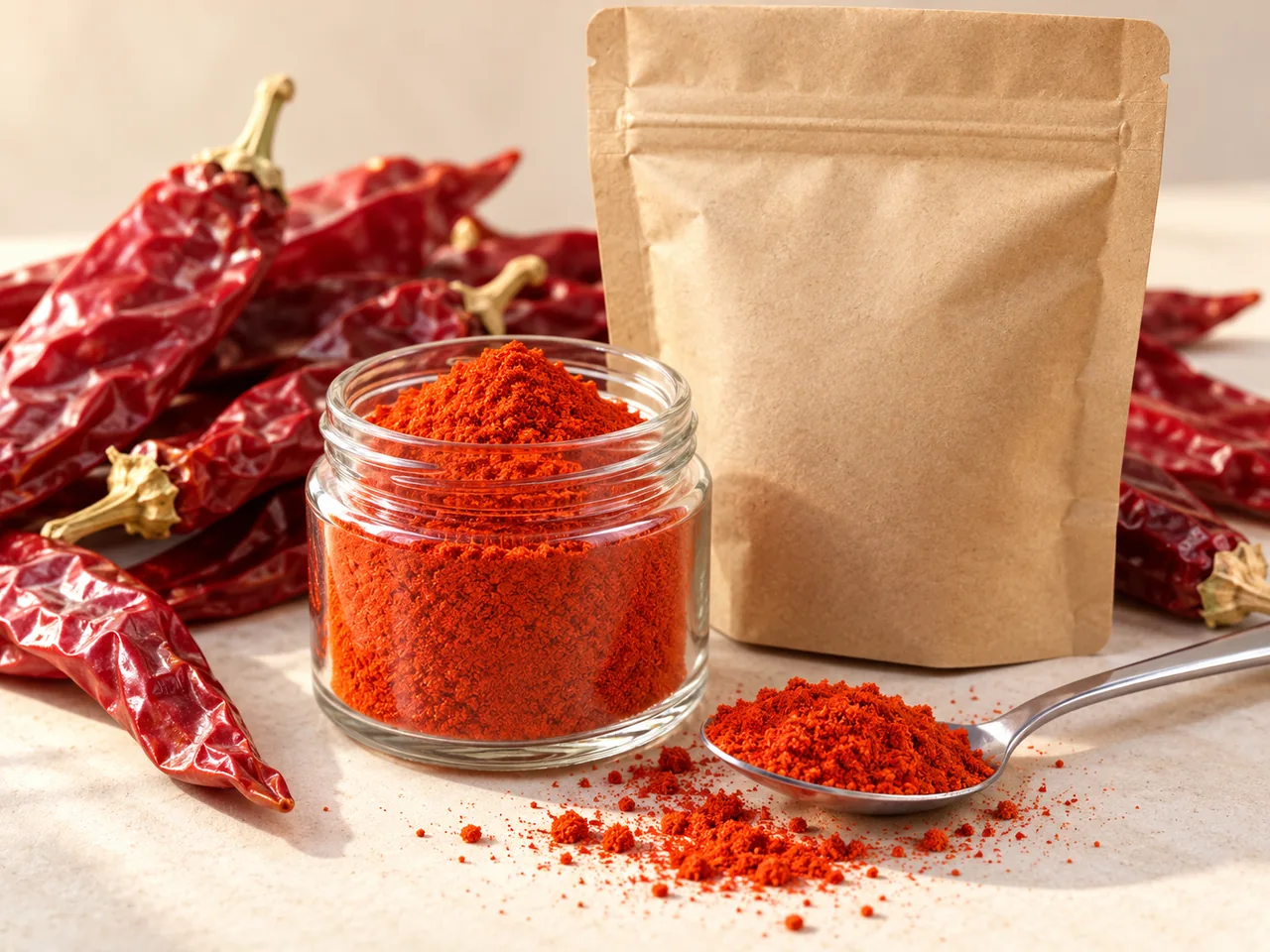
The sweet paprika powder declares moisture≤8%, storage temperature≤25°C and humidity≤60%, with a 24-month shelf-life statement. These are useful purchasing details when your receiving warehouse can operate within that envelope. The dried red sweet paprika powder has a one-year declaration whose actual storage and package conditions need their own basis.
Check how quickly an opened pack will be consumed and where it will be held between runs. Divide the order around operational consumption rather than assuming that an unopened bulk declaration automatically describes every opened container or the finished food.
Start the Factory Discussion with a Shortlist Decision
Send the few requirements that determine whether a candidate deserves a trial.
- 01Select
Choose a catalogue candidate whose form and declared criteria fit the food task.
- 02Evaluate
Compare actual samples under one recipe and a defined observation stage.
- 03Purchase
Use the accepted grade and receiving conditions as the common offer basis.
Send the food reference, selected application, likely consumption and the two or three attributes that would rule a powder out. We can use those inputs to discuss the relevant paprika listing and an actual grade proposal. Add the trial quantity and preferred receiving package as separate purchasing requests.
Your first decision is whether a candidate deserves a controlled food comparison. The later decision is whether the specified material and offer meet your order needs. This page addresses that first factory shortlist; an already-approved ingredient belongs in the more focused second-source comparison.
- Food application
- Colour target
- Heat limit
- Particle requirement
- Expected quantity and pack
- Required documents
Your next purchasing decision
Talk through your bulk paprika powder purchase
Include the application, selected powder, quantity and destination in your enquiry.
Send the food application, selected product and colour or particle requirement to RELIA SPICES. Add quantity, receiving pack and destination so we can discuss the material and offer on a common basis.
Qingdao Relia Spices Co., Ltd. is the company behind RELIA SPICES. Use the contact card to continue this product-specific discussion.
The enquiry page keeps this guide with your message. Add your quantity and destination so we can discuss the relevant material.