
Comparing Whole Dried Chili by Stem Condition and Usable Yield
Compare whole dried chili by the usable material your operation retains, not only the delivered weight. Start with the New Generation stemless or stem-cut proposal when its heat and pod size fit, and keep the other whole-pod candidate separate until its actual stem condition is known. Define the retained fractions, measure preparation work and compare offers on the same usable-output basis.
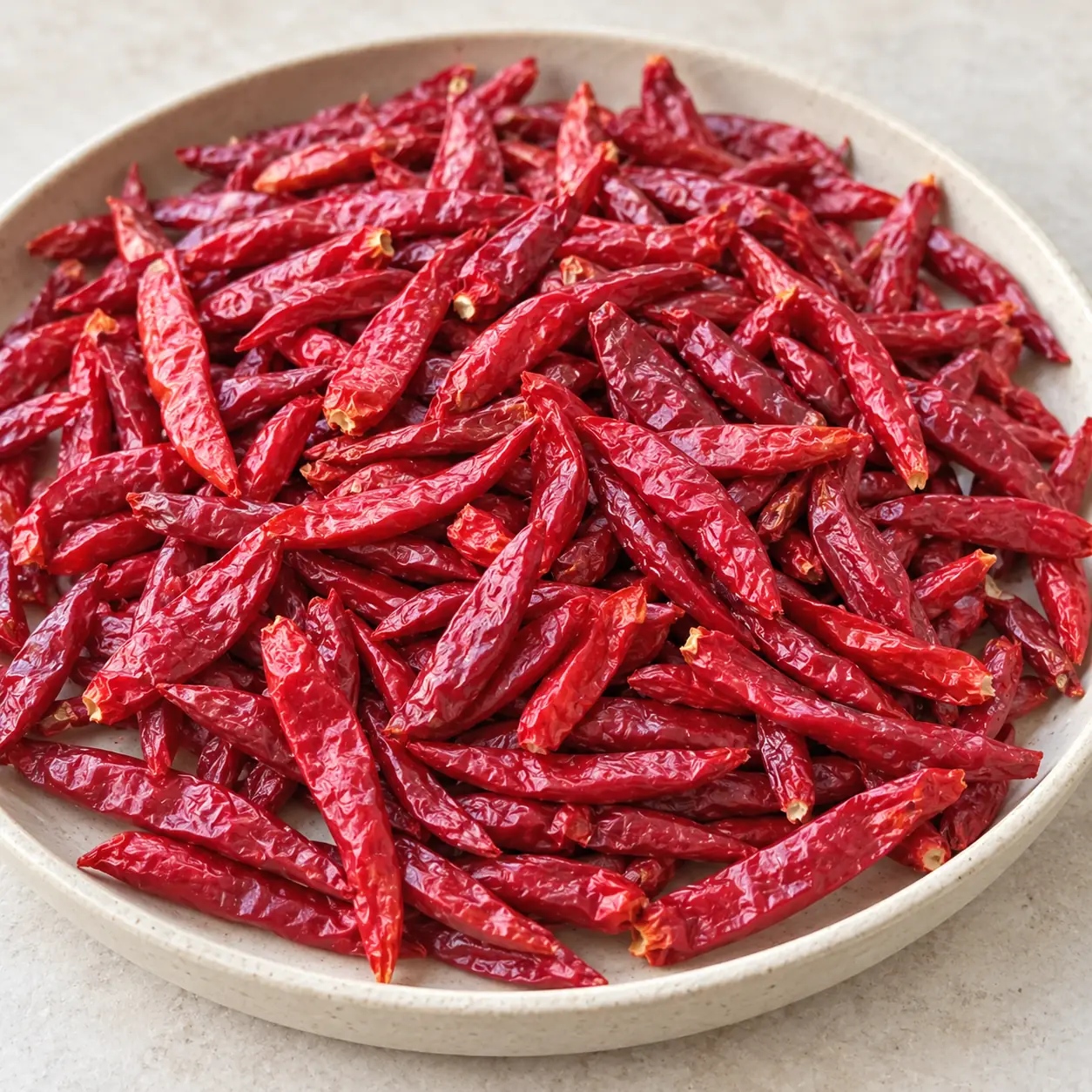
- Choose the received condition
- New Generation describes stemless or stem-cut pods; select the actual proposal.
- Define useful output
- Broken edible pods may suit grinding even when a whole-pod dish rejects them.
- Measure the economics
- Use retained mass and actual buyer work, not an assumed saving from stemless wording.
Define the Edible Output Before Comparing Prices
Define retained pods or edible fractions before comparing prices.
- 01Whole presentation
Retain pods that meet the dish’s appearance and preparation requirements.
- 02Cut or ground use
Define whether edible broken pods and seeds remain part of the useful output.
- 03Removal categories
Separate stems, recipe-excluded parts and unacceptable material when weighing losses.
RELIA SPICES cleans purchased dried chilies, removes foreign matter and destems in-house. Start by stating the pod end or edible fraction your operation needs to receive.
For New Generation, select the actual stemless or stem-cut proposal and retain its own size and heat criteria. Describe the other whole-pod candidate's offered stem condition before comparing work or yield. The actual sample and your preparation trial determine retained output, residual stems and labour.
Start with the Declared Stem Preparation
Agree the actual stem end for the New Generation proposal.
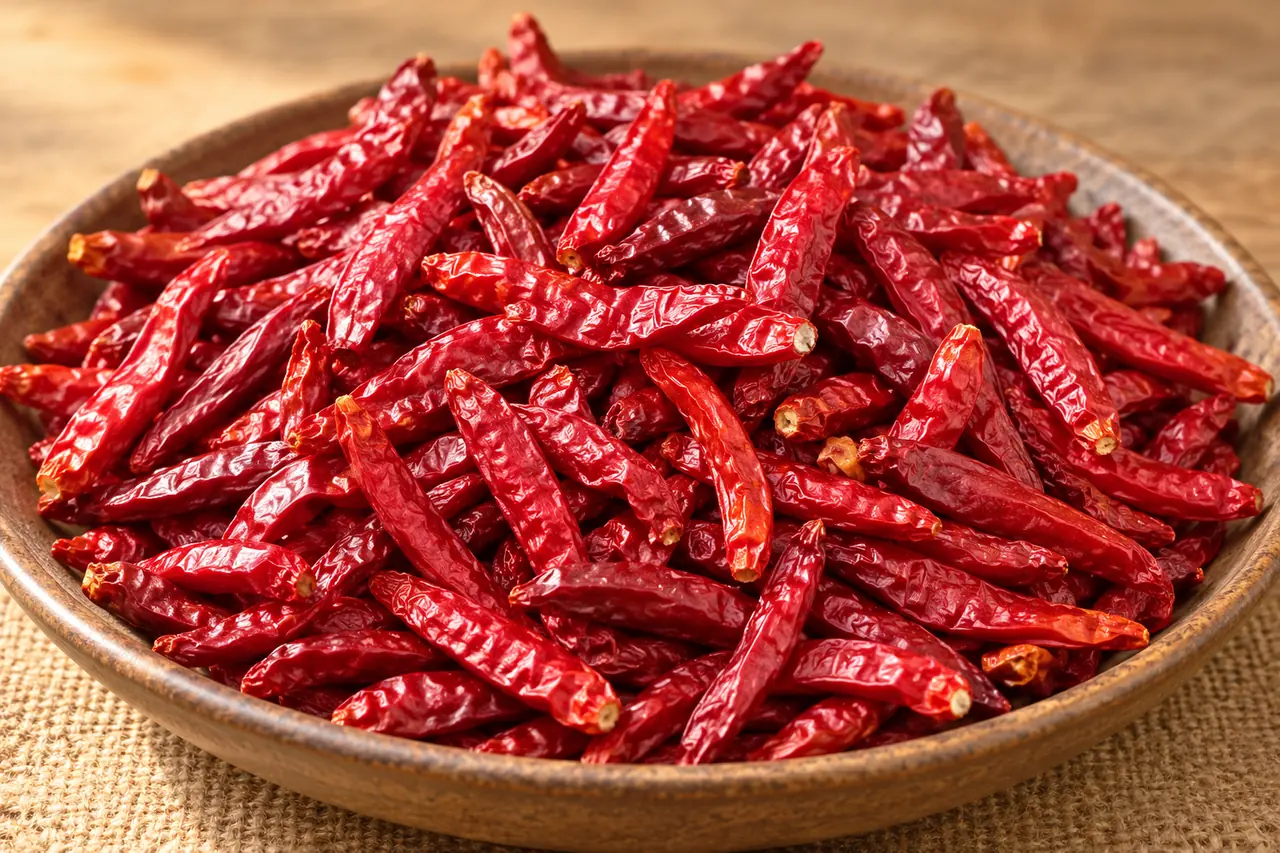
The New Generation dried red chili listing offers a stemless or stem-cut description. Its own references include a 3–6 cm pod size, 50,000–90,000 SHU and 12–14% moisture. These make it a useful candidate when a comparatively high-heat whole-pod material fits the food; they do not establish the stem condition of a particular offer.
Select the proposed preparation explicitly. A cut stem can leave a different residual end from a fully removed stem. Compare a sample against the end condition your cutter or recipe accepts, and establish how residual stems will be assessed. Keep the size axis and actual lot evidence with the chosen grade.
Ingredients to compare for this application
New Generation stem-preparation candidate
Evaluate when the proposed stemless or stem-cut whole pods fit the required food or further-processing role.
- Stemless or stem-cut descriptions.
- 3–6 cm size description; full 50,000–90,000 SHU range.
- Moisture range: 12–14%.
Separate whole-pod comparator
Use only after its actual stem condition and retained material are defined for a fair preparation comparison.
- Whole dried red chili with AD descriptor.
- Instruction: do not eat directly.
- Cooler storage and 24-month reference.
These product specifications are a starting point for selecting a grade. Match the proposed material and sample to your food and order requirements.
Use an Unspecified Pod as a Comparator Carefully
An unstated stem condition must not become an assumed stem-on comparator.
- 01Declared options
Obtain one actual stemless or stem-cut proposal, with a residual-stem criterion.
- 02Unstated condition
Identify the delivered stem state before assigning preparation labour or yield.
The other whole dried red chili candidate has an AD preparation reference and an instruction not to eat it directly. It does not establish a stem-on supply state. Use it as a second material only after the offered preparation is described; otherwise the comparison attributes a convenient stem difference to information that is missing.
Its 0.5 mm entry lacks a defined dimension and should not become a pod-length criterion. A photograph can help distinguish whole pods from powder, but a purchase comparison still needs the actual stem ends and retained material to be visible.
Connect Destemming to a Measurable Usable Output
Measure retained material and removal categories on the same moisture and preparation basis.
- 01Define the output
Name the pods or edible fractions the operation actually retains.
- 02Identify the preparation
Use the actual proposed stem condition.
- 03Close the mass balance
Separate retained output, stems and other removal categories.
- 04Compare the economics
Use measured usable output and actual buyer work.
Destemming removes stalks; cleaning and foreign-matter removal address other unwanted material. RELIA SPICES performs these steps in-house. Define what your operation retains: intact pods, edible cutting material, or skin and seeds accepted for grinding.
Weigh the identified input, retained output and each removal category under the same procedure. Broken edible pods can remain useful for grinding, so breakage, stem fraction and usable yield are different measurements.
Keep moisture conditions consistent. Our routine moisture testing is internal, but the catalogue range is not a measured trial-portion result. Soaking or drying changes the mass basis. Test the retained output in its next use, then combine actual material charges and buyer work on that usable-output basis.
Measure Work Where the Preparation Actually Happens
Time normal handling and preparation rather than a staged easy portion.
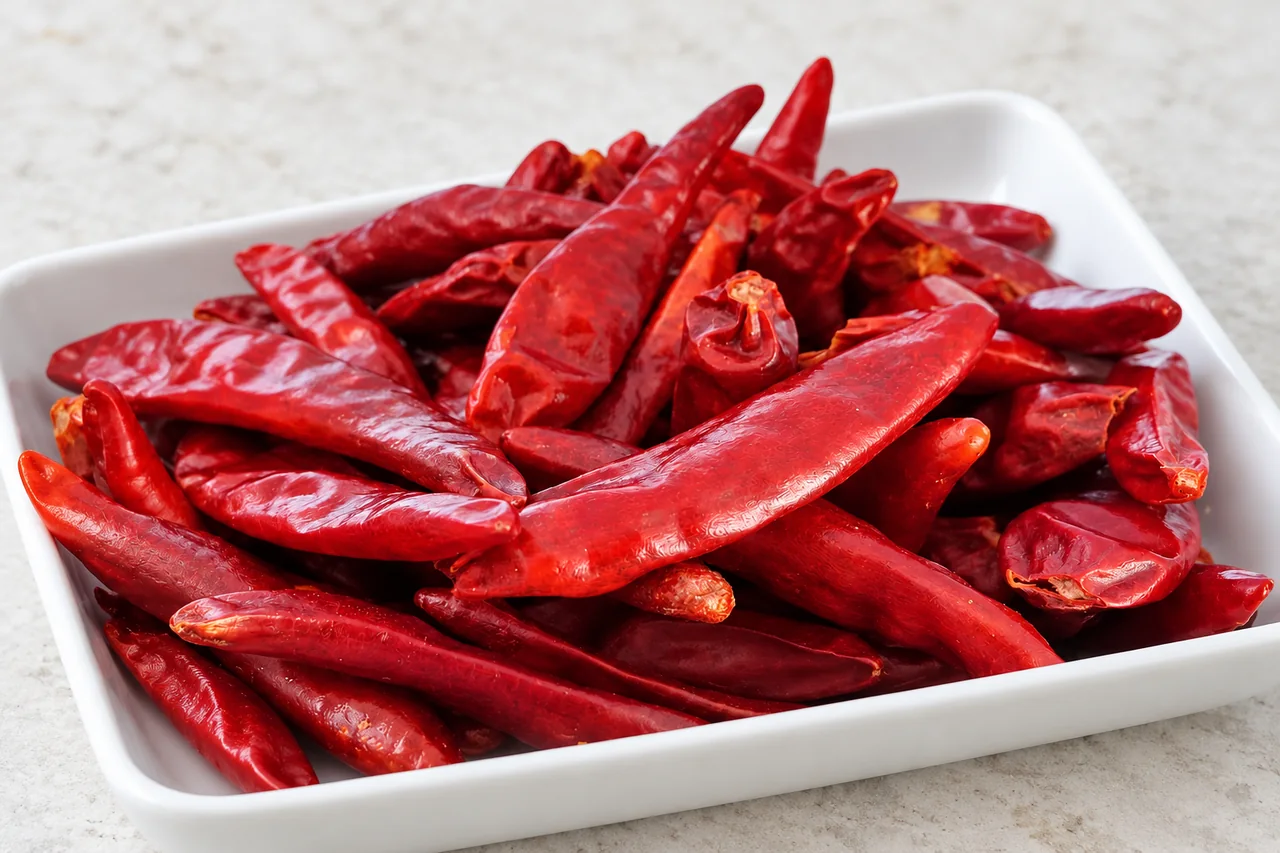
Run the trial with the tools and staffing normally used for the intended next step. Time the relevant handling, stem removal, sorting and cleanup separately. Exclude unrelated waiting from active work, but retain genuine production interruptions caused by the material. This makes the comparison useful to the operation rather than to a staged photograph.
Repeat with further identified portions before changing the purchasing basis. A small easy-to-handle handful can hide variation through a larger pack. Record broken pods and fine material at opening as well as after your preparation so transport breakage is not confused with damage created by your own handling.
Calculate Cost per Accepted Usable Output
Combine comparable material charges and buyer work per accepted usable output.
| Cost input | Use in comparison | Avoid |
|---|---|---|
| Incoming material | Same delivered-charge basis | Mixing ex-works and delivered prices |
| Buyer preparation | Observed work and actual cost basis | Assuming free destemming labour |
| Accepted output | Measured retained material | Counting excluded parts as usable |
Add comparable delivered-material charges and the buyer's actual preparation cost, then divide by accepted usable output. Use the same included delivery basis and treat any genuinely useful removed fraction consistently.
Keep labour and material price visible as separate drivers. Stemless material can justify a higher incoming price when measured preparation savings support it; the reverse can also be true. Use your observed yield and work rather than an assumed catalogue saving.
Preserve Each Pod’s Preparation and Storage Conditions
Keep each pod material's own preparation and storage instructions.
- ✓Before food evaluation
Apply the preparation and food-safety process appropriate to the actual raw ingredient.
- ✓Before storage planning
Resolve temperature, package and handling conditions for the selected material.
- ✓After changing form
Evaluate the cut or ground output as its own storage and production object.
The New Generation listing describes cleaning before eating and six months in a cool place with ventilation. The other whole-pod listing states cooler storage and 24 months. These are different material declarations; do not merge them into one convenient storage promise.
Define the actual temperature, receiving package and handling scope before using a duration in an order. Later opening, cutting or grinding changes the storage object. Preparation instructions and your validated food process remain separate from the economic trial, especially when samples will be tasted.
Approve the Preparation That Your Operation Evaluated
Accept the retained fraction only if it works in the next food or process.
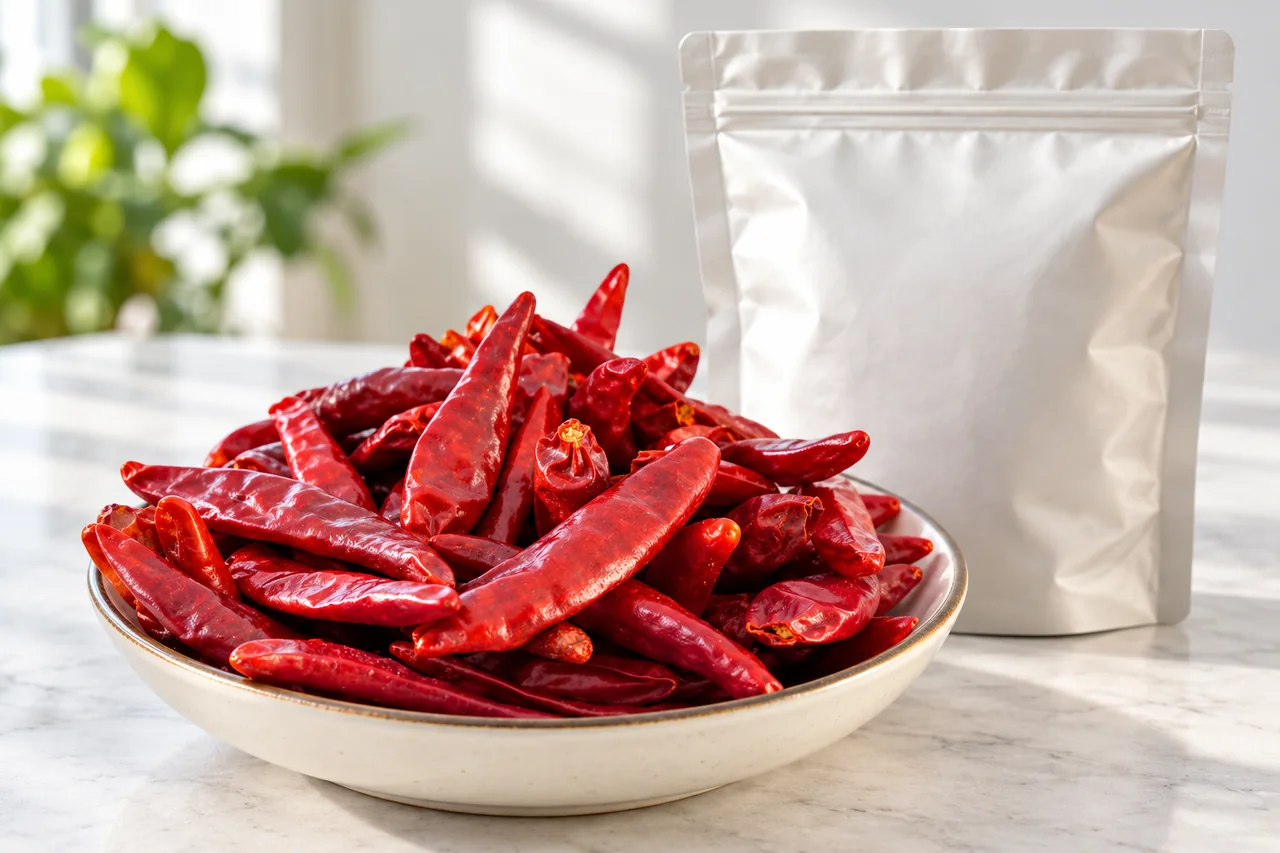
Compare the retained material in the real food or next processing step. Check whether residual stem ends catch in the equipment, whether the retained seeds fit the recipe, and whether visible broken material affects presentation. A high mass yield is not useful when the retained fraction fails the product design.
Keep the accepted sample, preparation definition and measured trial together. For subsequent receiving checks, prioritize the stem condition and fractions that actually drove the decision. Reassess a change in pod form or preparation rather than expecting every whole dried chili to reproduce the same work rate.
Request Offers That Expose the Economic Tradeoff
Send stem-end, usable-form and trial-work requirements with the offer request.
- 01Material brief
Define retained skin, seeds, stems and acceptable broken material for your actual use.
- 02Trial brief
Share preparation method, mass basis and the work categories being compared.
- 03Commercial brief
Use comparable quantity, pack and delivery terms for the final cost calculation.
Send the desired usable form, stem-end requirement, heat brief and relevant dimensions with the quantity and package enquiry. Include your mass-balance categories and the buyer preparation work being compared. RELIA SPICES can discuss our in-house cleaning and destemming against the actual pod proposal, while your trial establishes usable yield and operating cost.
Decide from the combined material and work result. If neither candidate meets the food requirements, change the shortlist before negotiating a yield-based price argument.
- Usable-material definition
- Actual stem condition to compare
- Dimensions and heat requirements
- Current preparation procedure
- Measured mass and work records
- Quantity, pack and price basis
Your next purchasing decision
Talk through your whole-chili preparation economics
Share current mass-balance and preparation observations for the selected pod candidate.
Send RELIA SPICES the usable form, stem-end requirement and next operation, together with the selected pod candidate. Include any mass-balance and work observations from your current material.
We can discuss the prepared ingredient and comparable offer basis while keeping your actual yield and labour calculation separate from the supplied stem description.
The enquiry page keeps this guide with your message. Add your quantity and destination so we can discuss the relevant material.