
Chili Ingredients for Cooked Aroma in Grilled Meat
For grilled meat, choose chili by its flavour, heat and particle texture after cooking, not the strongest smell from a dry sample. RELIA SPICES can prepare a powder background or visible crushed pieces. Compare Cayenne, sweet paprika or an agreed flake fraction through your actual application and service route. Send a cooked reference so the ingredient discussion targets the pepper character you want to serve.
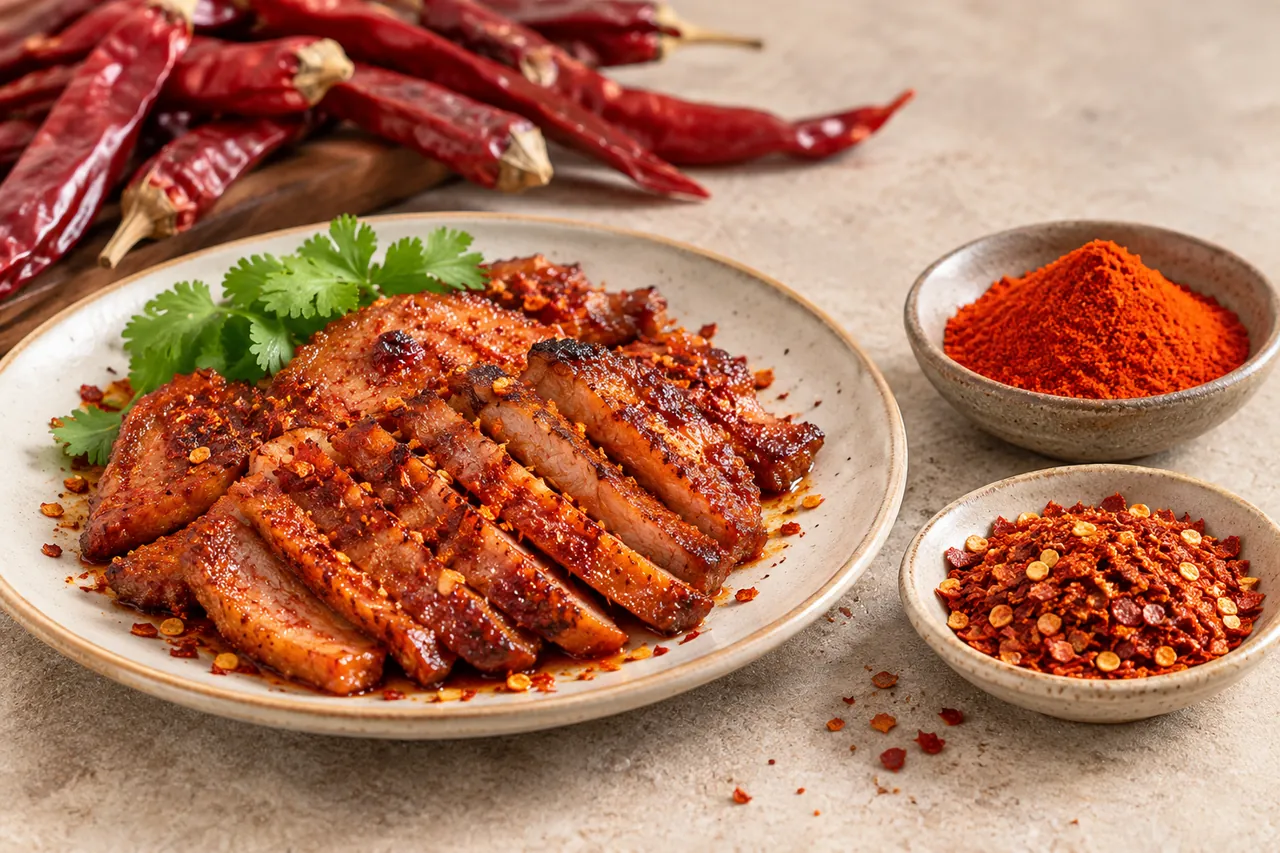
- Powder background
- Cayenne lists nominal 60 mesh; sweet paprika lists nominal 70 mesh.
- Visible texture
- Agree the actual crushed fraction before testing its exposed pieces on meat.
- Aroma decision
- Taste the cooked and normally served meat; redness and dry aroma answer different questions.
Match the supplied preparation to the cooked-food target
Select the supplied powder or flake independently of cooking-generated aroma.
- 01Cayenne background
Compare a powder application with the selected pepper and heat profile.
- 02Colour-led paprika
Assess red appearance alongside the actual pepper flavour and particle feel.
- 03Visible crushed pieces
Agree the fraction, then judge exposed particles after the real cooking route.
RELIA SPICES manufactures powder and cut/crushed chili from purchased dried peppers through in-house cleaning, foreign-matter removal, destemming, size reduction, sieving and packaging. Cayenne powder lists nominal 60 mesh and qualitative heat choices. Sweet paprika lists nominal 70 mesh and an 80–220 ASTA customization scope. Raw red chili flakes provide an alternative crushed starting point, with separate 40–80 mesh and 80/100 mesh references to resolve into an actual supplied fraction.
We check moisture and particles internally and use outside laboratories for ASTA, SHU and microbiology. In-house steam microbial reduction is used according to order requirements. Choose the ingredient's pepper profile and physical preparation, then assess it on meat. These capabilities do not by themselves establish a roasted or smoked flavour grade.
Follow the ingredient through cooking and service
Application location changes the heat exposure experienced by the chili.
| Stage | Material or route choice | Useful observation |
|---|---|---|
| Before cooking | Identified powder or crushed fraction and ordered treatment | Pepper profile and particle preparation entering the recipe. |
| Cooking | Surface coating, marinade or internal addition through the actual heat route | Aroma, bitterness, heat and particle sensation in the cooked meat. |
| Normal service | The holding or reheating actually used | Whether the intended pepper character remains acceptable at service. |
Chili dispersed inside a marinade receives a different exposure from a flake on the meat surface. Start with an identified powder or crushed preparation and comparable meat, fat, salt and chili dose. Keep the actual application, cooking and serving route fixed.
Compare pepper aroma, any perceived toasted character, bitterness, heat and particle sensation separately. Then repeat at the holding or reheating stage used in normal service. If a candidate needs a different dose to meet colour or heat, treat that as a second recipe and reassess the whole flavour. RELIA SPICES can discuss the supplied grind, cut and ordered treatment; the cooked-food comparison establishes the flavour route your team accepts.
Ingredients to compare for this application
Cayenne powder for a pepper background
Start with a powder when pepper character should be distributed through a coating or marinade.
- Nominal 60 mesh with a separate 60–70 mesh customization scope.
- Moisture ≤9%; the heat options are qualitative rather than fixed SHU values.
Sweet paprika powder for a colour-led coating
Compare when red appearance matters but the cooked pepper flavour still needs its own acceptance.
- Nominal 70 mesh; moisture ≤8%.
- 80–220 ASTA customization scope, not a lot-specific cooked-aroma result.
Raw red chili flakes for visible texture
Use an agreed crushed fraction when recognisable particles form part of the finished meat brief.
- Independent 40–80 mesh and 80/100 mesh references.
- Raw and AD declarations; these do not establish a roasted or smoked flavour grade.
These product specifications are a starting point for selecting a grade. Match the proposed material and sample to your food and order requirements.
Fix the application and cooking basis
Keep meat, dose and cooking route comparable in the first trial.
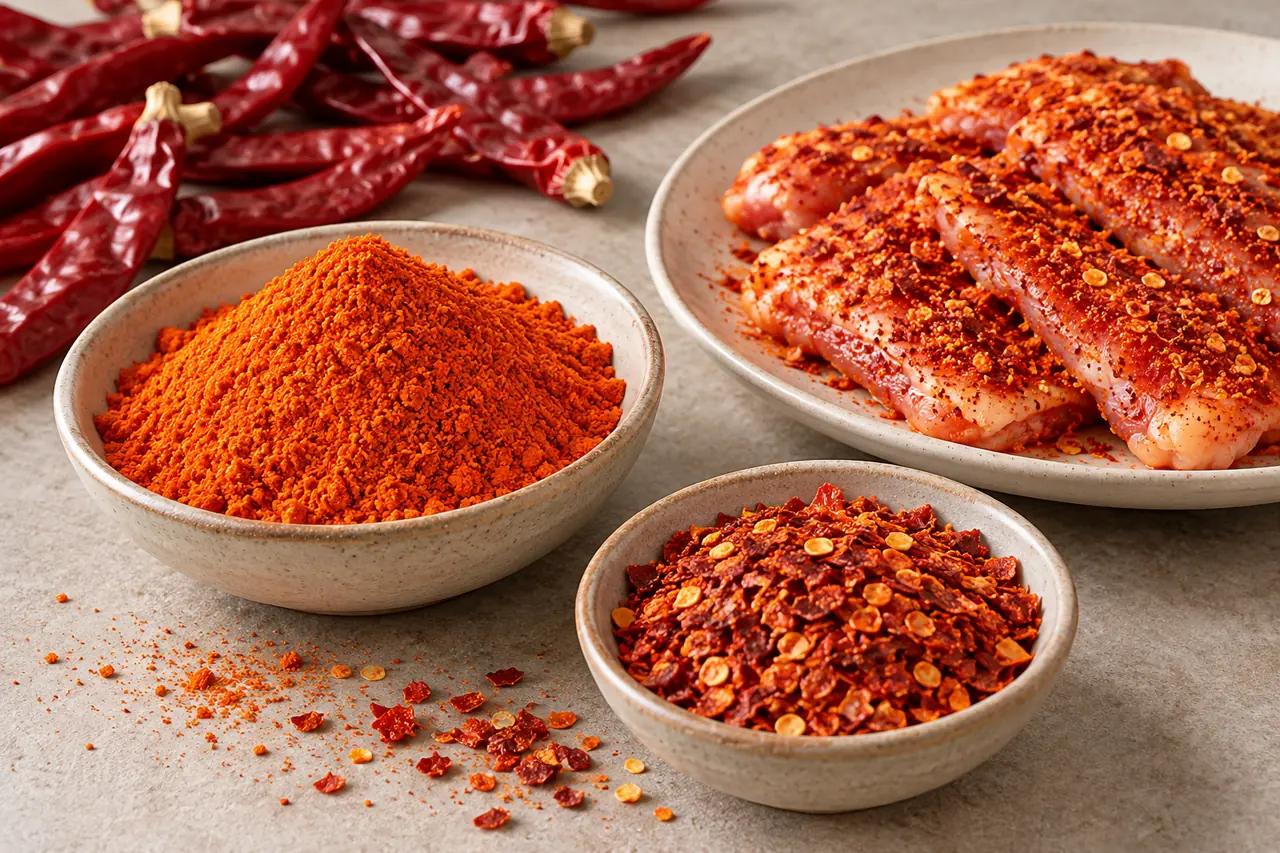
Use comparable meat portions, fat basis, salt and other ingredients, chili dose and application method for the first comparison. Record whether the chili sits on the surface, enters a marinade or is mixed into the meat. Keep the actual cooking exposure and portion geometry consistent with your approved route. A surface coating and an internal addition experience different conditions and should not be treated as an identical test. Do not transfer a published chili-oil temperature or treatment schedule to meat grilling.
Run matched-dose and permitted-adjustment trials separately
A dose adjustment creates a second recipe and needs a complete flavour check.
- ✓Matched recipe
Use the same dose and route to expose candidate differences.
- ✓Allowed adjustment
Document the permitted change needed to reach the product brief.
- ✓Final approval
Reassess aroma, heat, colour and texture in the resulting recipe.
Begin with the same recipe dose to reveal material differences. If a candidate is then adjusted to reach the target heat or colour, identify the new recipe version and reassess aroma. A lower dose of a hotter material changes the quantity of pepper solids as well as heat, while a colour-led adjustment can change flavour. Neither result is wrong, but they answer different questions. Keep the equal-recipe comparison and the final optimized recipe distinct so the purchasing decision is tied to the food actually approved.
Evaluate coded cooked samples with a common reference
Compare pepper aroma, bitterness, heat and particle sensation separately.
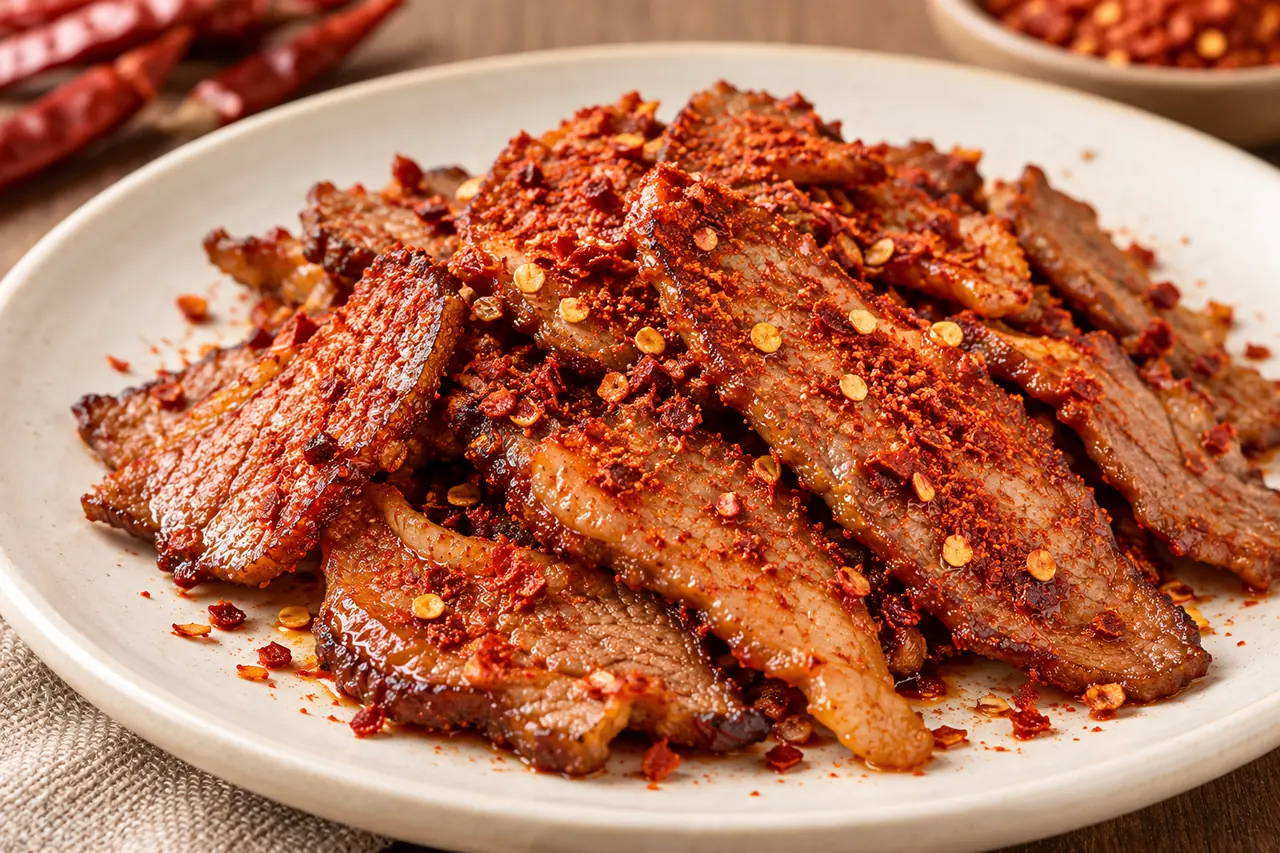
Prepare coded samples for the responsible tasting team after the actual food preparation is complete. Use consistent serving conditions and the accepted product reference. Compare pepper aroma, toasted character, bitterness, heat and particle sensation separately rather than assigning a single better-or-worse verdict. Do not taste raw ingredient preparations as a substitute for the cooked-food exercise. Record the recipe, actual process and sample identity so a preferred outcome can be connected back to the offered material and reproduced.
Compare hot service and the actual holding route
Include holding or reheating only when it belongs to normal service.
- 01Freshly prepared
Compare the cooked reference at the defined starting point.
- 02Normal handover
Apply only the holding, transfer or reheating route that matters.
- 03Actual service
Record whether the intended pepper character remains acceptable.
If the product is held, transported or reheated in ordinary use, include that real route in the comparison. Judge only the conditions relevant to the intended product. A sample preferred immediately after cooking may not remain preferred after its usual wait; that is a trial question, not a universal prediction about either powder or flakes. Keep holding conditions and the sensory observation point with each result. Avoid extending a short development exercise into a shelf-life or aroma-retention guarantee.
Use appearance to guide the next flavour comparison
Dark particles and a red background do not establish the desired aroma.
- 01Uneven exposed particles
Compare the cut or application location, with the remaining recipe fixed.
- 02Wrong pepper character
Compare a different actual ingredient profile at a controlled recipe basis.
- 03Appearance change only
Reassess aroma, heat and texture before accepting the new colour result.
Inspect the background coating and exposed particles separately. If visible pieces become much darker than the surrounding meat, compare another cut or application location while keeping the remaining recipe consistent. Describe what changed before assigning a cause.
Redness, extractable colour and cooked aroma are separate observations. A stronger paprika colour grade can solve a visual problem without solving the desired pepper character. Use the tasting result to decide whether the next trial needs another profile, another physical preparation or a permitted recipe adjustment.
Cost the flavour route that is actually accepted
Cost the ingredient and work used by the accepted cooked recipe.
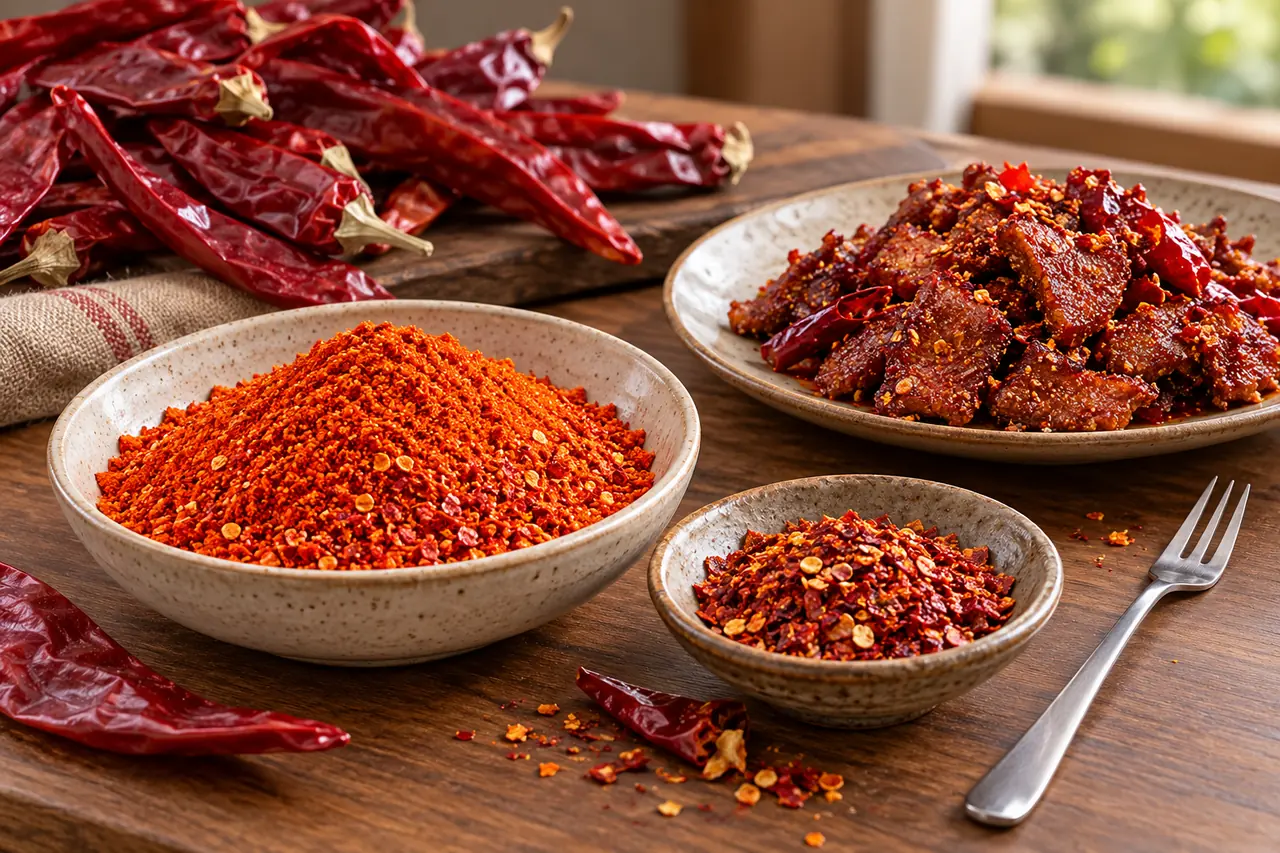
Cost the ingredient dose and measured preparation work used by the accepted cooked recipe. A strong dry aroma or low bag price alone does not select the economical flavour route.
Keep complete composition, actual ground or crushed preparation, order-selected treatment and package with the offer. RELIA's outside-laboratory microbiology supports the relevant ingredient review, while the finished meat retains its own food-process and storage requirements.
Send a cooked-aroma ingredient brief
Send the served-food reference with the actual application and cooking route.
- 01Food target
Describe the pepper character and accepted cooked reference.
- 02Recipe route
Provide dose, application, cooking and actual serving conditions.
- 03Material handover
Connect the identified preparation and evidence to the approved recipe.
Send the cooked-food reference, application location, real cooking and service route and separate aroma, heat, colour and particle requirements. We can discuss the manufactured powder or flake preparation, grind or cut criteria, requested treatment and relevant outside-laboratory tests. Return coded food observations so the material offer addresses the route your team accepted.
- Meat base and addition point
- Cooked aroma and flavour reference
- Actual use amount and form
- Grilling and serving conditions
- Sensory, colour and particle criteria
- Sample quantity and package
Your next purchasing decision
Discuss chili for the cooked aroma in your meat product
Connect the selected powder or flakes to the flavour your customer will receive.
Share the served-food reference and actual coating, marinade or internal addition route, with the cooking and holding stages that matter.
Include the accepted dose, pepper character, heat and particle requirements. We can connect those observations to a defined ground or crushed chili preparation.
The enquiry page keeps this guide with your message. Add your quantity and destination so we can discuss the relevant material.