Choosing Paprika and Chili Specifications for Bulk Purchasing
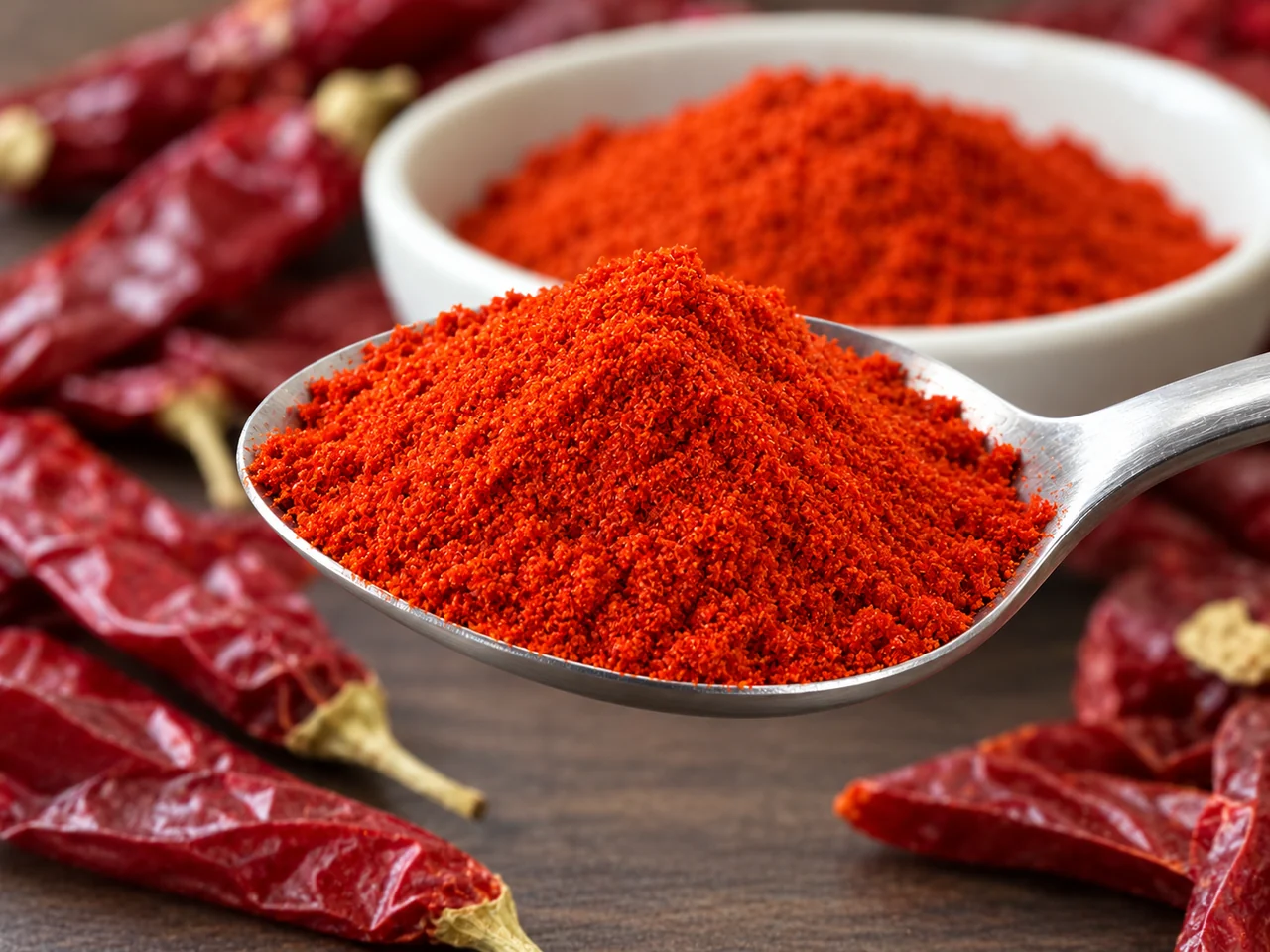
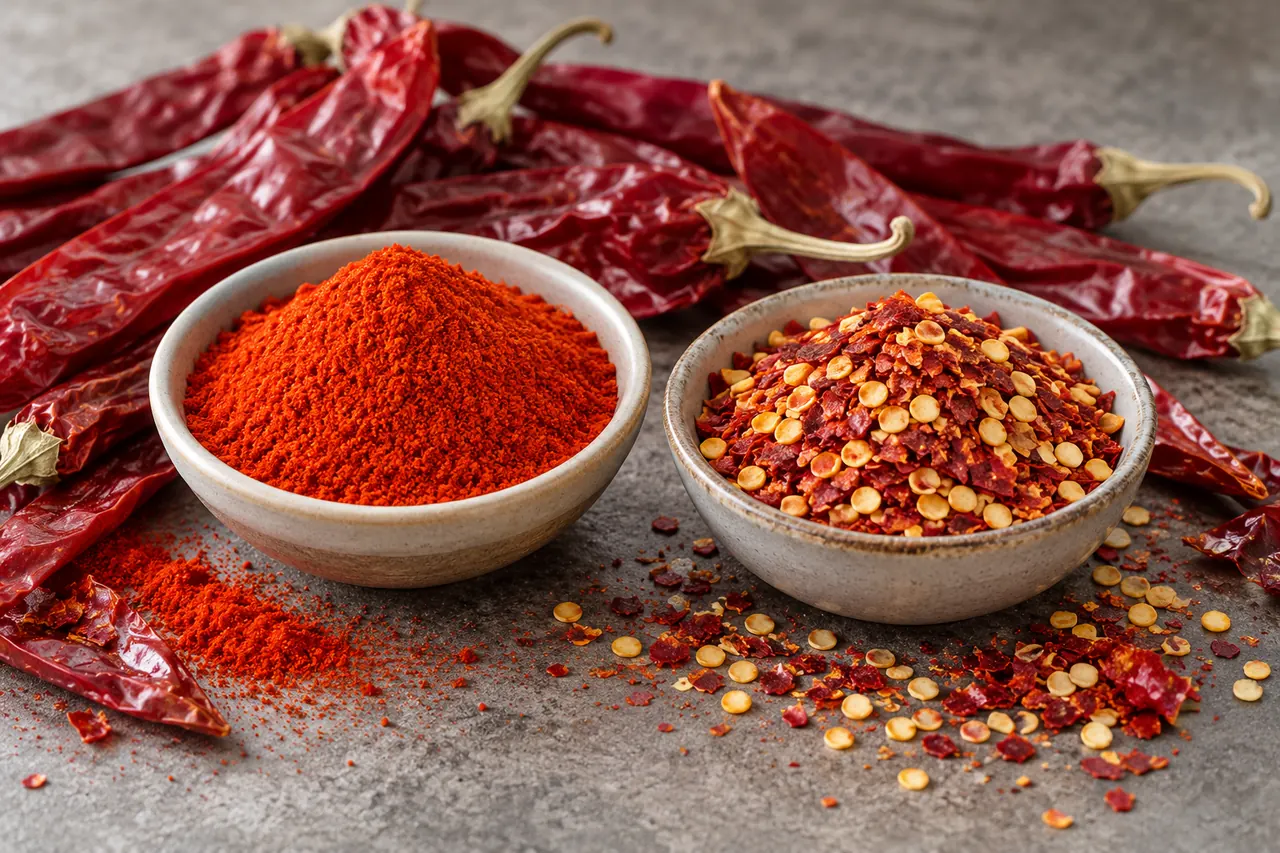
Separate colour, heat and particle form before choosing a paprika or chili specification. A 70-mesh sweet paprika powder, a 60-mesh Cayenne and seeded flakes are different purchasing starting points. Use the relevant guide to turn your food result into a material requirement, then agree the method, sample and proposed grade before comparing the numbers.
- Colour
- Use ASTA and the finished-food comparison for different decisions.
- Heat
- Choose a material and a relevant pungency requirement.
- Particles
- Keep sieve distribution and visible cut dimensions separate.
Start with Your Purchasing Decision
Separate specification questions before comparing numerical claims.
For strong red colour with limited heat, select the paprika colour grade and the heat ceiling as two independent requirements, then compare the food.
Explore this route Choosing a Chili Powder Grade for a Defined Heat RequirementChoose a chili powder grade by the heat criterion your food must meet, then keep colour, composition and particles as separate acceptance conditions.
Explore this route Comparing Paprika by ASTA, Trial Dosage and Cost in UseCompare paprika cost at the dose that meets the accepted food target, not only by price per kilogram or an ASTA range endpoint.
Explore this route Sourcing 60-Mesh Chili Powder with a Clear Sieve Acceptance BasisUse 60 mesh to open the grade discussion, then define the sieve basis and accepted particle distribution that protect your food or operation.
Explore this route Sourcing Chili Flakes with a Defined Cut and Fines CriterionChoose chili flakes by the visible cut and fine fraction the food can accept, then test whether that preparation survives your handling.
Explore this routeAt RELIA SPICES, grinding or cutting and sieving give the physical specification a production meaning. The grind does not by itself define colour or heat. Our factory checks moisture and particle size internally and uses laboratories for ASTA, SHU and microbiology. Choose the guide that matches the decision you need to settle, then bring the relevant material and method into the brief.
Describe the Particle You Need
Define the particle and measured axes behind a flake size.
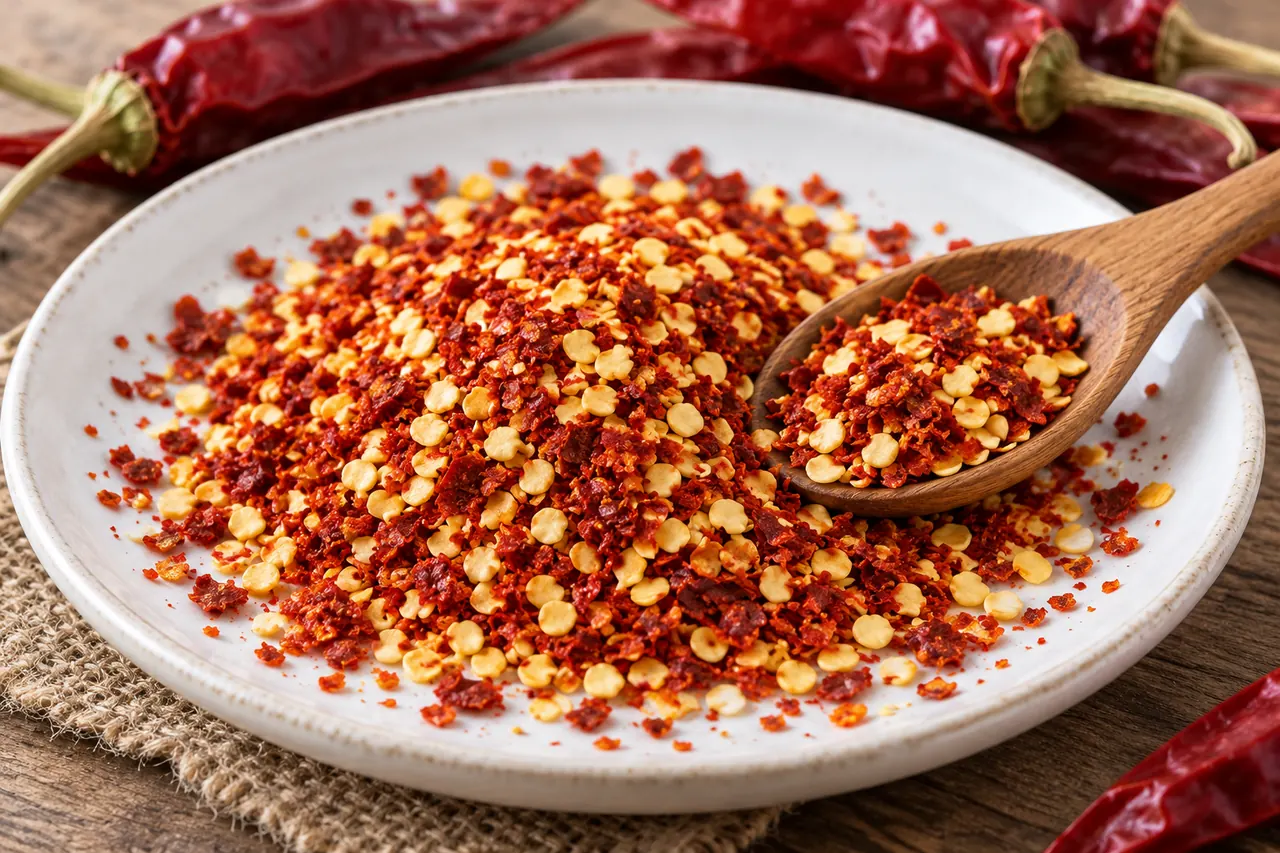
For flakes, distinguish physical dimensions from sieve results. The seeded flake reference lists 3 × 5 mm, while its 20,000 SHU entry describes heat. Those values describe different attributes and should remain separate in the purchasing brief.
Ingredients to compare for this application
70-mesh sweet paprika powder
Start here when you need a sieve-defined paprika powder and a separate colour target.
- Nominal 70 mesh; separate 60–70-mesh customization.
- Customizable colour scope: 80–220 ASTA.
- Moisture specification: ≤8%.
60-mesh Cayenne powder
Compare this powder when your purchasing brief needs a separate Cayenne ingredient.
- Declared particle reference: 60 mesh.
- Moisture specification: ≤9%.
Seeded red chili flakes
Start a seeded-flake comparison when you need visible cut and heat as separate criteria.
- Declared size reference: 3 × 5 mm; agree the measured axes.
- Declared heat reference: 20,000 SHU.
These product specifications are a starting point for selecting a grade. Match the proposed material and sample to your food and order requirements.
Explore the Ingredient Range
Review each ingredient’s own material specification.
Explore red powder candidates and their own colour and grind references.
Explore this route Chili powderReview actual ground chili preparation, composition and heat requirements.
Explore this route Whole dried peppersCompare the actual pods, stem state and further-processing brief.
Explore this route Chili flakes and cutsDescribe visible particles, seed content and the cut required for your application.
Explore this routeThese catalogue routes lead to actual product pages and their own material details.
Continue with the Next Ingredient Decision
Read the focused guide for the property you need to settle.
Specify the seed and skin appearance your food needs before choosing a flake or cut-pod preparation.
Explore this route Comparing Whole Dried Chili by Stem Condition and Usable YieldCompare whole dried chili on the usable material and buyer work after preparation, not only the kilograms delivered.
Explore this route Sourcing Cayenne Pepper Powder to Your Customer's SpecificationWhen a customer specifies Cayenne pepper powder, preserve the requested identity and select the actual grade by composition, heat, particles and preparation.
Explore this route Sourcing Sanying Dried Chili for Chinese-Style FoodserviceFor a Sanying foodservice request, start with the named dried-chili candidate and evaluate its actual pod preparation in the dish or dipping product.
Explore this route Choosing One Ingredient or Separate Paprika and Chili PowdersTry one selected powder when it meets the complete colour and heat brief without frequent adjustment.
Explore this routeUse a separate guide when your process or purchasing question changes.
Keep Form Separate from Heat
Treat extractable colour and pungency as independent attributes.
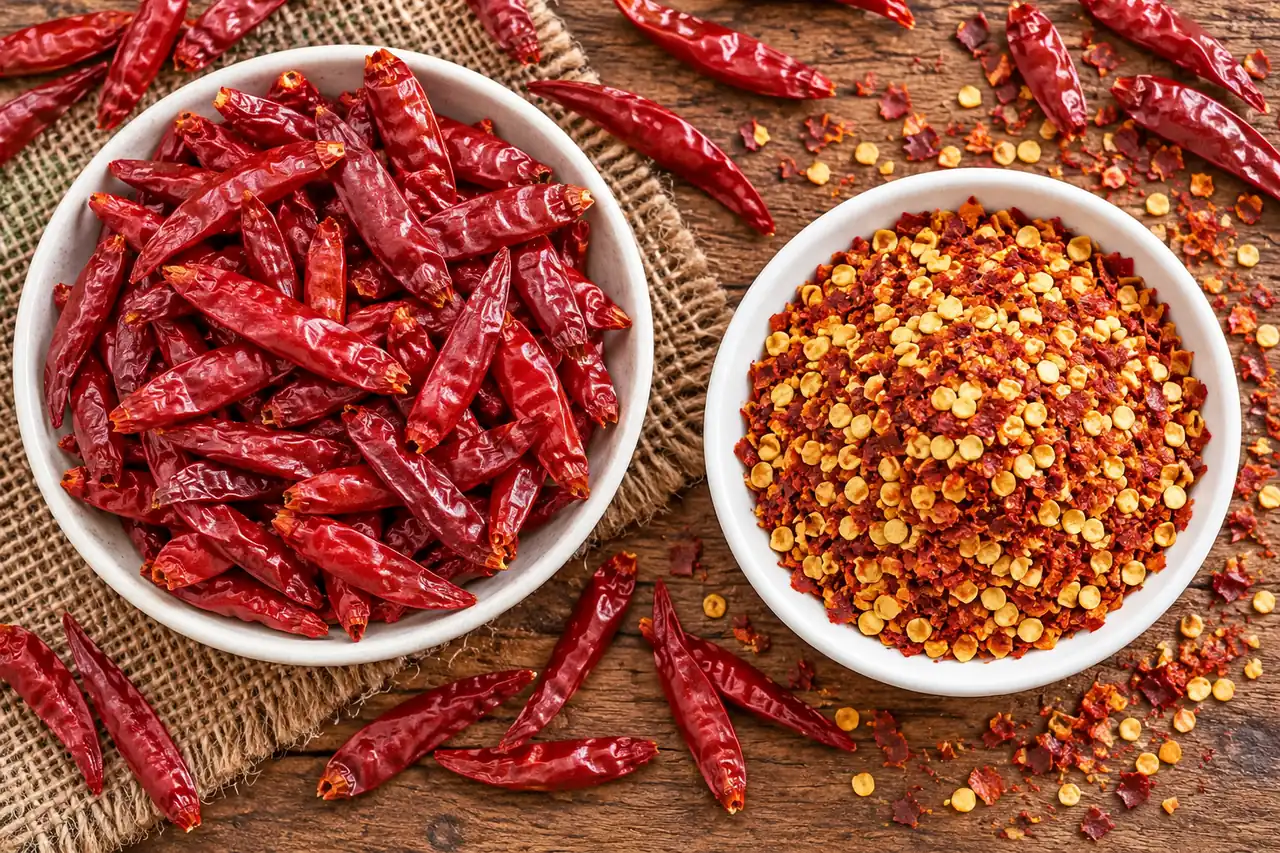
ASTA colour describes extractable colour under a method, whereas SHU describes pungency. A red powder can be mild or hot. Compare the intended food colour and heat independently before deciding whether to use one pepper ingredient or a combination.
Turn a Product Concern into a Measurable Brief
The requirement should describe the observed food result and a method that can distinguish candidates.
| Buying task | Comparison to make | Next guide |
|---|---|---|
| Red colour within a heat limit | Keep the colour target and accepted heat on separate lines. | Colour with limited heat → |
| A powder coarse-fraction concern | Name the sieve basis and the fraction that matters to the food. | Powder sieve acceptance → |
| Visible pieces with fewer fines | Define wanted pieces and unwanted fines independently. | Flake and fines criteria → |
Moisture and particle size are routine internal checks at RELIA SPICES. ASTA, SHU and microbiology use commissioned laboratories. A number is useful when its material, method and acceptance scope are clear.
Keep Measurements in Their Proper Role
Specify the laboratory method and material behind a result.
Choose paprika and chili with colour, heat and particle character on separate specification lines.
Explore this route Chili & Paprika RFQ and Sample-Request GuideTo request a useful chili or paprika sample, open one RFQ line for each material and give it a specific food or processing comparison.
Explore this route Ingredient Documents & Batch Acceptance GuideFor a paprika or chili purchase, read the specification as the target, the test report as evidence about identified material and the certificate as a separate holder-and-scope record.
Explore this route Ingredient Packing, Storage & Delivery PlanningChoose a chili package around the material you receive and how your operation opens it.
Explore this routeMoisture and particle size are routine internal checks at RELIA SPICES. ASTA, SHU and microbiology use commissioned laboratories. A number is useful when its material, method and acceptance scope are clear.
For inspection reports or real packaging case materials, email [email protected] with the selected product and your approval needs.
Compare the Candidate in Your Own Food
Check moisture against the chosen ingredient and receiving conditions.
Moisture limits apply to the selected ingredient. Our sweet paprika powder reference lists no more than 8%, while the coarse gochugaru reference lists no more than 8% and the fine gochugaru powder reference no more than 7%. These do not establish the water activity or shelf life of your finished recipe.
Discuss the Ingredient You Need
Send the product and the criteria your food cannot compromise on.
- 01Your ingredient
Include the actual product link, required preparation and composition criteria.
- 02Your application
Describe where the ingredient enters your process and what your team will evaluate.
- 03Your order brief
Add expected quantity, pack, destination and the records your team needs.
We are Qingdao Relia Spices Co., Ltd., a China-based paprika and chili factory. Share the product or material, food application and purchasing requirements so we can discuss a focused next step.
Our paprika and chili manufacturing focus
- Ingredient
- Application
- Quantity
- Receiving pack
- Destination
- Relevant tests
Your next purchasing decision
Discuss the Specification That Changes Your Buying Choice
Discuss the specification that determines your purchasing choice.
Send the actual product link and the colour, heat, moisture, particle or composition targets that matter in your food. Include the test method when your acceptance requirement depends on a numerical result.
The enquiry page keeps this guide with your message. Add your quantity and destination so we can discuss the relevant material.