
Paprika and Chili Buying Guides for Food Manufacturers
Choose a guide around the decision you need to make: the pepper form, the food result or the factory supply brief. Start with powder, flakes or whole chilies, then compare colour, heat and particle requirements separately. We explain how preparation and food trials connect, with actual ingredient examples and a clear route to discuss your purchase.
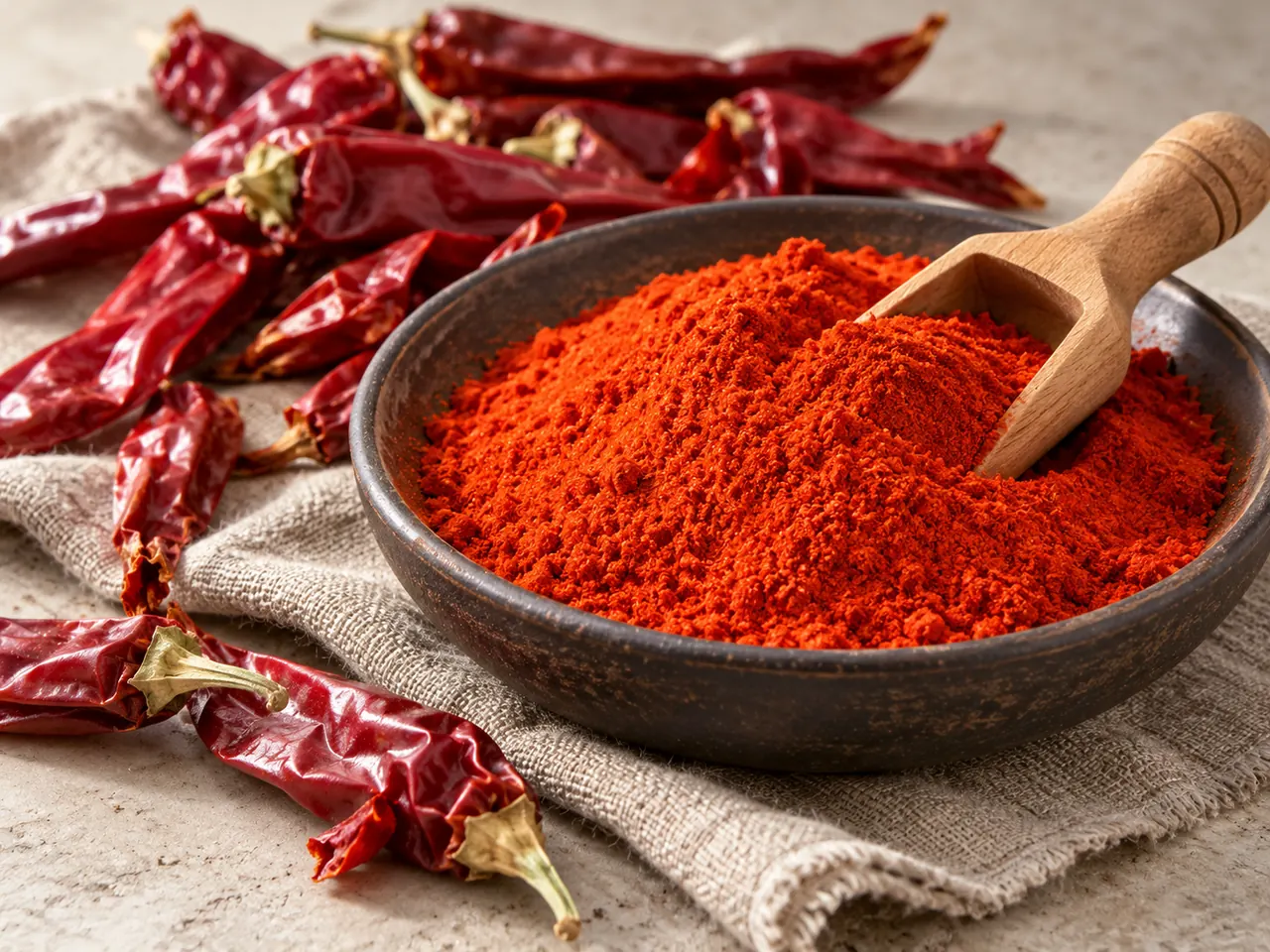
- Choose the form
- Powder, flakes and pods support different food trials.
- Define the result
- Keep colour, heat and texture as separate buying decisions.
- Build the brief
- Connect the selected material, quantity, pack and destination.
Factory Sourcing and Ingredient Specifications
Choose a factory-sourcing or specification route before comparing offers.
RELIA SPICES connects the ingredient choice to our factory preparation: dried-pepper cleaning and destemming, grinding or cutting, sieving and packing. We check moisture and particle size internally and commission laboratory testing for ASTA, SHU and microbiology. Choose a guide below to see which of those details affects your own purchasing decision.
For own-brand retail products, start with the private-label manufacturing overview. It connects ingredient selection, preparation, treatment, customer-logo packaging and the order brief, while the existing guides continue to cover bulk food-production ingredients.
Match the Ingredient to Its Role
Select powder, visible pieces or pods before refining colour and heat.
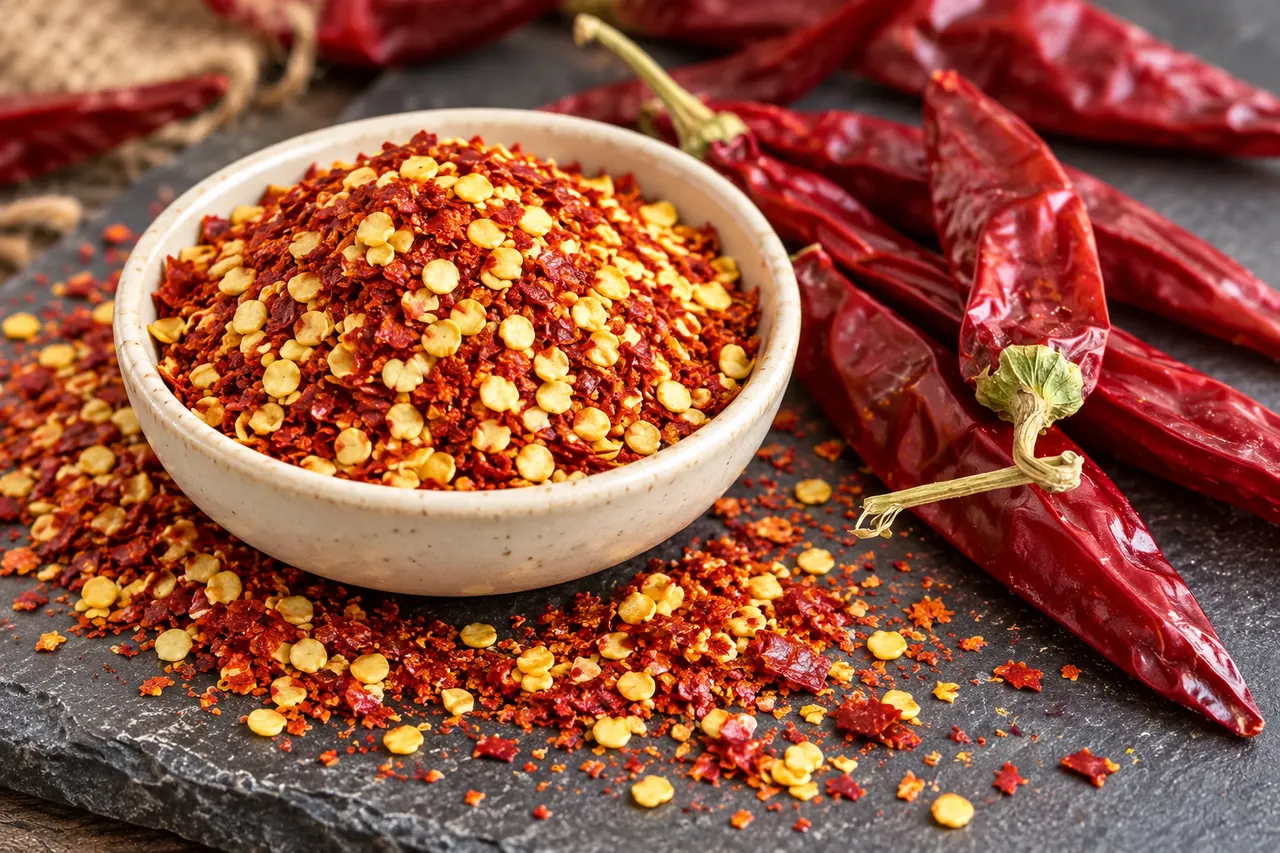
Powders, flakes, pods, threads and food-use seeds are distinct supplied forms. Compare the form before trying to match colour or heat; the nominal 70-mesh sweet paprika powder and 3–5 mm sweet paprika flakes answer different processing needs.
Ingredients to compare for this application
70-mesh sweet paprika powder
Start here when you need a sieve-defined paprika powder and a separate colour target.
- Nominal 70 mesh; separate 60–70-mesh customization.
- Customizable colour scope: 80–220 ASTA.
- Moisture specification: ≤8%.
Sweet paprika flakes
Compare this preparation when visible pepper pieces matter in the finished food.
- Cut reference: 3–5 mm or custom size.
- Moisture specification: ≤12%.
- Mild, slightly sweet description.
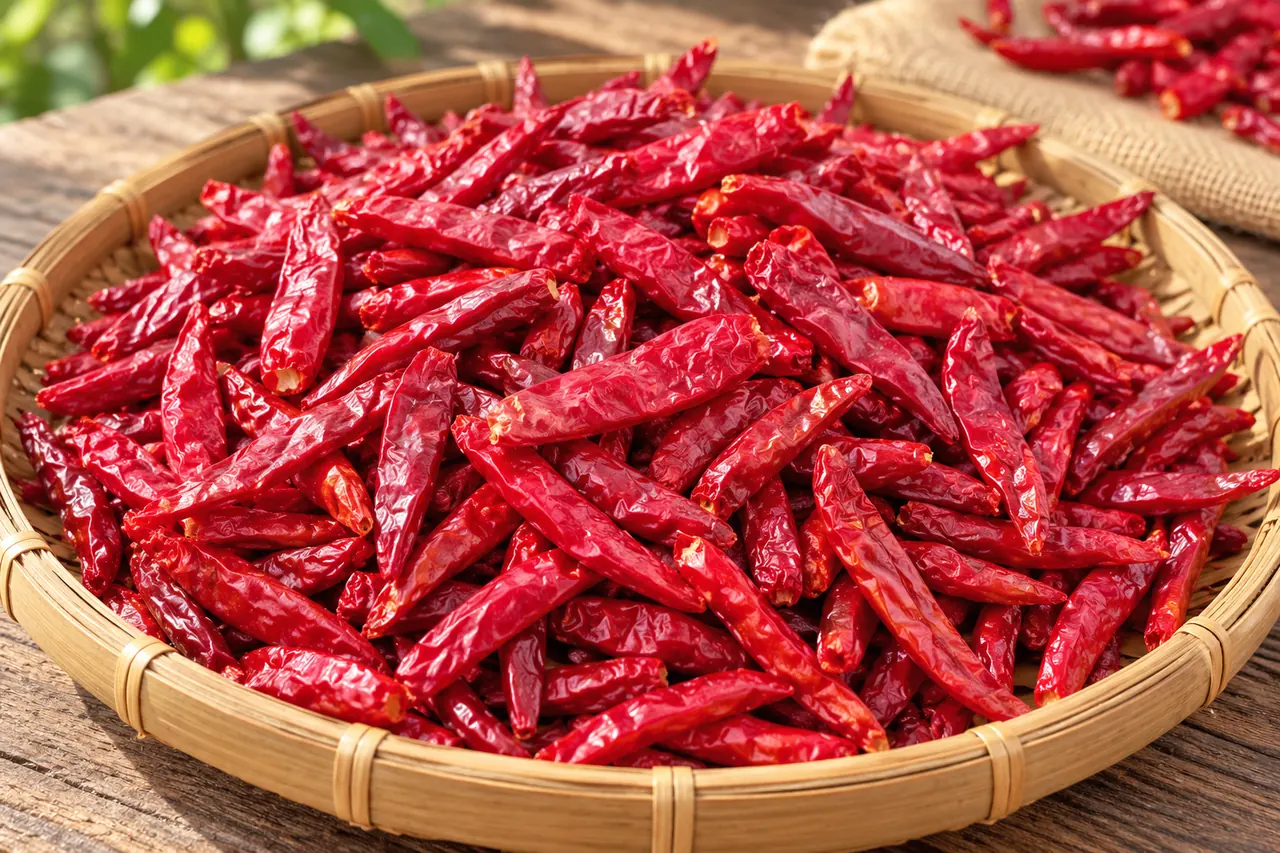
New Generation whole dried chilies
Choose a whole-pod trial when recognizable pepper pieces and stem condition matter.
- Declared pod size reference: 3–6 cm.
- Stemless or stem-cut options.
- Declared heat scope: 50,000–90,000 SHU.
These product specifications are a starting point for selecting a grade. Match the proposed material and sample to your food and order requirements.
Seasoning and Liquid Food Applications
Use your food’s solids handling and seasoning stage to choose the next guide.
Choose the pepper's job before choosing an application guide: our nominal 70-mesh sweet paprika is a colour-led powder candidate, Cayenne offers a separately selected pepper profile, and paprika flakes provide a visible-piece route.
Explore this route Chili Oil, Sauces & HotpotChili oil, crisp solids, sauces, hotpot and rehydrated pieces.
Explore this routeSeasoning blends need distribution and retention checks, while oils and sauces need trials around solids handling, wet texture and heating. Choose the guide for your own finished food rather than treating a broad application label as approval.
Kimchi and Meat Formulations
Compare the ingredient in the actual fermented or cooked food.
For kimchi with visible red pieces, start with coarse crushed chili; for a concentrated Korean-style paste, start with an identified powder and a fixed liquid budget.
Explore this route Meat & MarinadesSausages, rubs, marinades, breading and plant-protein formulations.
Explore this routeKimchi development can require visible coarse flakes or fine paste ingredients; meat applications can require surface colour, dispersion or adhesion after cooking. Keep these routes separate so the trial evaluates the ingredient at its real point of use.
Keep the Material and the Process Together
Link treatment requirements to one identified supplied material.
A raw dry-spice description does not establish the treatment required for your finished food. Use the document reference to distinguish the specification target, the reported sample result and the scope of any certificate.
Choose the Route That Matches Your Buying Task
Start from the decision in front of you, then open the guide that resolves it.
| Buying task | Comparison to make | Next guide |
|---|---|---|
| Qualify a factory | Compare the material, sample and offer basis. | Factory sourcing → |
| Fix a food result | Choose a preparation around the food and addition stage. | Food applications → |
| Launch your own retail brand | Connect ingredient selection, logo and a proposed retail pack. | Private-label production → |
Send the candidate and the observation that could change your purchase. Use the detailed guide for the method, then keep that result with the product link.
Prepare the Decision Before the Enquiry
Keep the specification, tested sample and order treatment on the same material.
Choose paprika and chili with colour, heat and particle character on separate specification lines.
Explore this route Chili & Paprika RFQ and Sample-Request GuideTo request a useful chili or paprika sample, open one RFQ line for each material and give it a specific food or processing comparison.
Explore this route Ingredient Documents & Batch Acceptance GuideFor a paprika or chili purchase, read the specification as the target, the test report as evidence about identified material and the certificate as a separate holder-and-scope record.
Explore this route Ingredient Packing, Storage & Delivery PlanningChoose a chili package around the material you receive and how your operation opens it.
Explore this routeSend the candidate and the observation that could change your purchase. Use the detailed guide for the method, then keep that result with the product link.
For inspection reports or real packaging case materials, email [email protected] with the selected product and your approval needs.
Turn a Guide into a Focused Enquiry
Carry the selected ingredient and trial conditions into the enquiry.
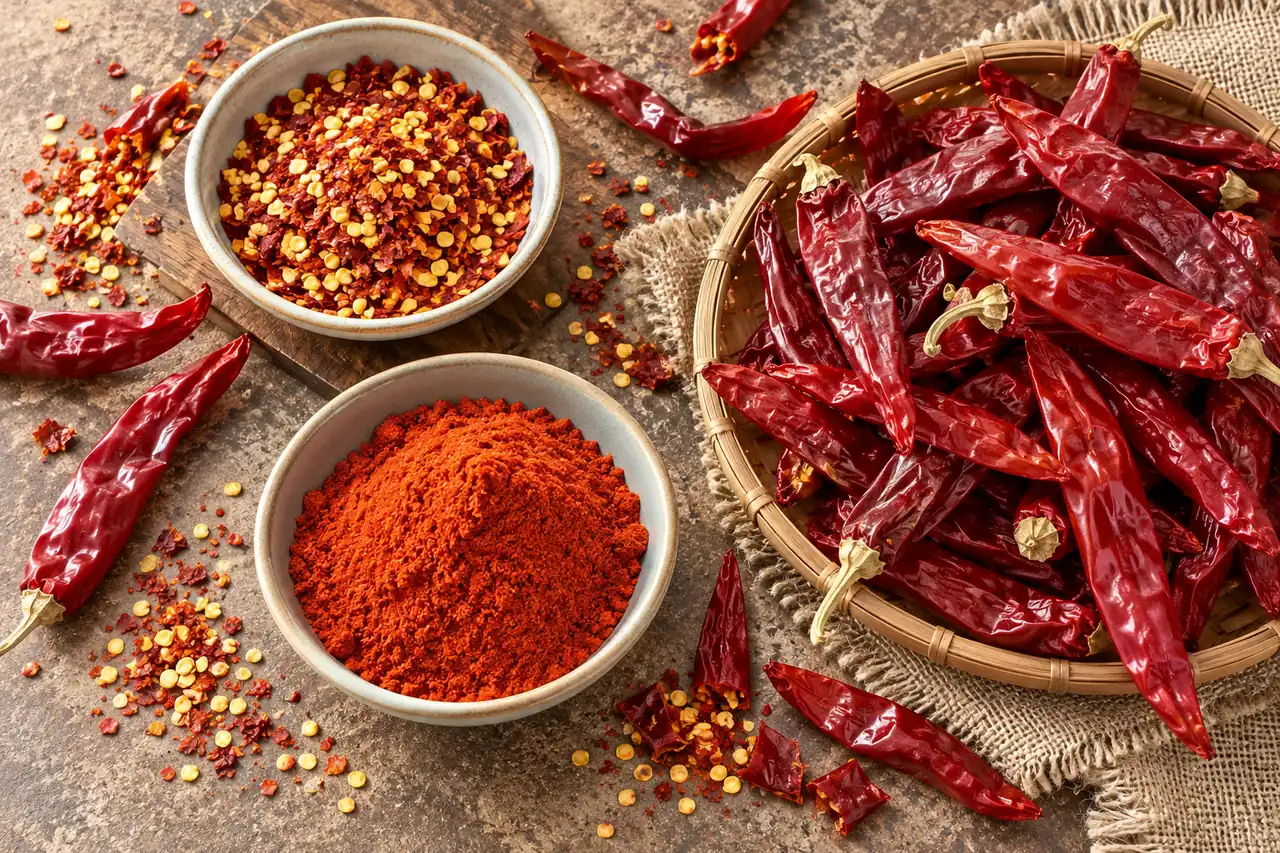
Bring the accepted sample, the food-trial conditions and the intended supply brief together. Quantity, material-contact packaging, destination and the technical criteria should describe the same candidate.
Discuss the Ingredient You Need
Share the product, application and purchase scope together.
- 01Your ingredient
Include the actual product link, required preparation and composition criteria.
- 02Your application
Describe where the ingredient enters your process and what your team will evaluate.
- 03Your order brief
Add expected quantity, pack, destination and the records your team needs.
We are Qingdao Relia Spices Co., Ltd., a China-based paprika and chili factory. Share the product or material, food application and purchasing requirements so we can discuss a focused next step.
Our paprika and chili manufacturing focus
- Ingredient
- Application
- Quantity
- Receiving pack
- Destination
- Relevant tests
Your next purchasing decision
Bring the Ingredient Decision to Our Factory Team
Contact our factory with the next material decision you need to make.
Send the product or guide link with your food application, required quantity and destination. Tell us whether the main decision is colour, heat, texture or supplier qualification so we can start with the relevant preparation.
The enquiry page keeps this guide with your message. Add your quantity and destination so we can discuss the relevant material.