
Paprika and Chili Powder Replacement in Heated Sauces
Replace a paprika or chili powder against the sauce your customers already accept. Start with the same dose and cooking route, then compare any permitted dose adjustment separately. RELIA SPICES can discuss a selected colour grade, grind and pepper profile. Send the current ingredient and cooled sauce reference so we can compare colour, heat, flavour and texture together rather than choosing by ASTA alone.
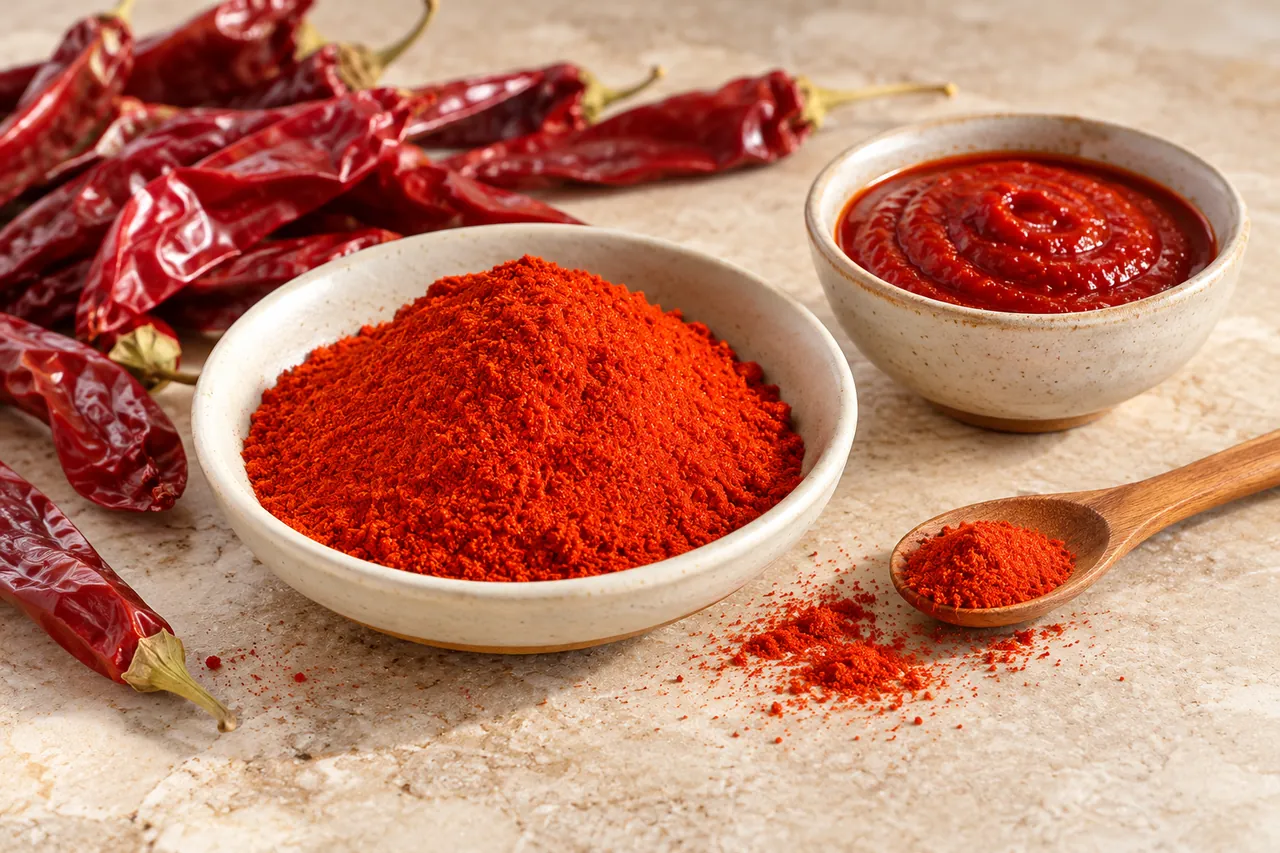
- Colour-led option
- Sweet paprika lists nominal 70 mesh and an 80–220 ASTA customizable scope.
- Separate profiles
- Another sweet paprika lists 80–280 ASTA; Cayenne offers qualitative heat choices.
- Two trials
- Separate the equal-dose comparison from an adjusted recipe that meets the final target.
Choose the replacement grade before changing the recipe
Select a real powder grade and compare its grind and colour in the same sauce.
- 01Select the grade
Agree colour, grind, complete ingredients and pepper profile.
- 02Compare equal dose
Expose differences through the same heating and cooling.
- 03Approve the recipe
Accept colour together with heat, flavour and texture.
RELIA SPICES cleans and destems purchased dried chilies before grinding, sieving and packaging paprika or chili powder. We check moisture and particle size internally and arrange ASTA, SHU and microbiology through outside laboratories. In-house steam treatment follows order requirements.
The nominal 70-mesh sweet paprika lists customizable 60–70 mesh, moisture ≤8% and 80–220 ASTA customization. The separate sweet paprika lists 80–280 ASTA; Cayenne lists nominal 60 mesh and qualitative heat choices. Select the actual grade and sample, then compare it with your current powder through the same sauce route.
Keep the three catalog colour descriptions intact
Catalogue ASTA ranges describe candidate scopes, not equivalent measured batch results.
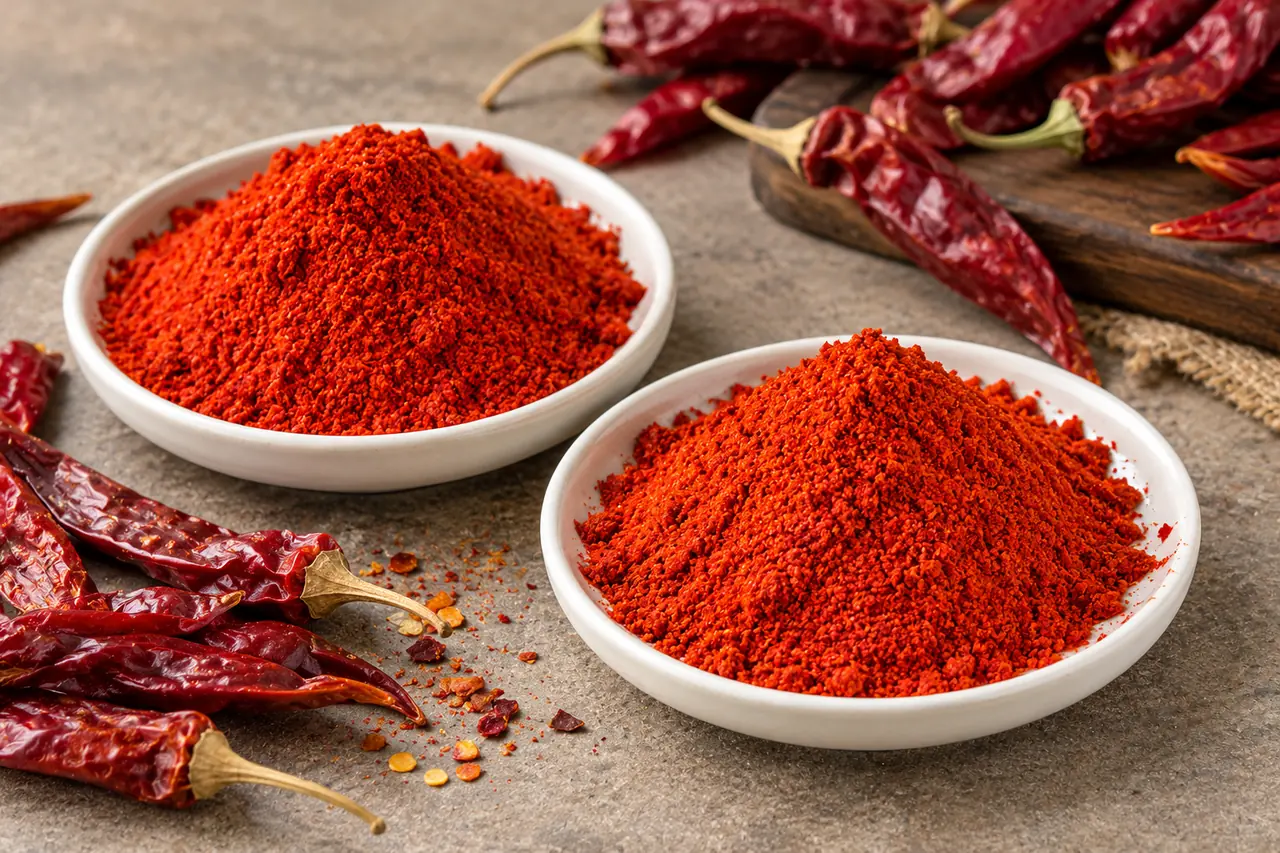
The sweet paprika powder lists nominal 70 mesh, customizable 60–70 mesh and 80–220 ASTA customization. The other sweet paprika powder presents an 80–280 ASTA range and a one-year period, but its 40–60 size entry has no established unit. The Cayenne powder lists nominal 60 mesh, 80–220 ASTA customization and qualitative heat choices. These are useful candidate descriptions, not measured lot results or a guarantee that equal ASTA gives equal cooked-sauce appearance.
Ingredients to compare for this application
Sweet paprika, nominal 70 mesh
A colour-led starting point when selecting an actual grade within a customizable ASTA scope.
- 80–220 ASTA customizable scope
- Nominal 70 mesh; 60–70 mesh customizable
- Moisture ≤8%
Sweet paprika with 80–280 ASTA scope
A separate colour-grade candidate to compare against the accepted sauce, with the actual fraction agreed.
- Ground red sweet paprika presentation
- 80–280 ASTA range
- One-year duration stated
Cayenne powder for a selected pepper profile
Compare when the replacement must address heat and pepper character as well as red colour.
- Nominal 60 mesh
- Mild, Medium or Hot profile to select
- Moisture ≤9%
These product specifications are a starting point for selecting a grade. Match the proposed material and sample to your food and order requirements.
Keep the other recipe requirements inside the colour decision
Colour replacement must also preserve the required flavour, heat and particle feel.
| Requirement | Candidate information | Acceptance point |
|---|---|---|
| Colour | Selected grade and applicable method | Actual heated/cooled sauce |
| Heat and flavour | Actual material profile | Same recipe and dose |
| Texture and composition | Distribution and complete ingredients | Finished sauce and label fit |
Write down the heat, pepper character, coarse-particle tolerance and ingredient declaration that must remain acceptable. Sweet-paprika naming alone does not define zero heat; Cayenne's Mild, Medium or Hot options need one selected profile.
For the other sweet paprika, neither the unitless 40–60 size entry nor its incomplete heat entry supplies a usable mesh or SHU requirement. Use an actual sample and agreed specification rather than filling those gaps with familiar values.
Build a repeatable finished-colour observation
Keep light, sample depth and temperature consistent when judging sauce colour.
- 01Sample
Use the same depth, temperature and representative preparation.
- 02Observation
Keep light, background and instrument or camera settings consistent.
- 03Decision
State the accepted colour difference and preserve other recipe requirements.
Use the same sample depth, vessel, background, light and evaluation temperature. If your team uses a colour instrument, retain its settings, sample preparation and chosen comparison criterion. A photograph is useful as a reference only when its conditions are controlled; automatic camera exposure can otherwise make samples look closer or further apart. Evaluate representative material rather than selecting the most attractive area, and keep visible pepper particles separate from the background colour judgement.
Follow each candidate through the same heating and cooling
Follow both powders through the same mixing, heating and cooling.
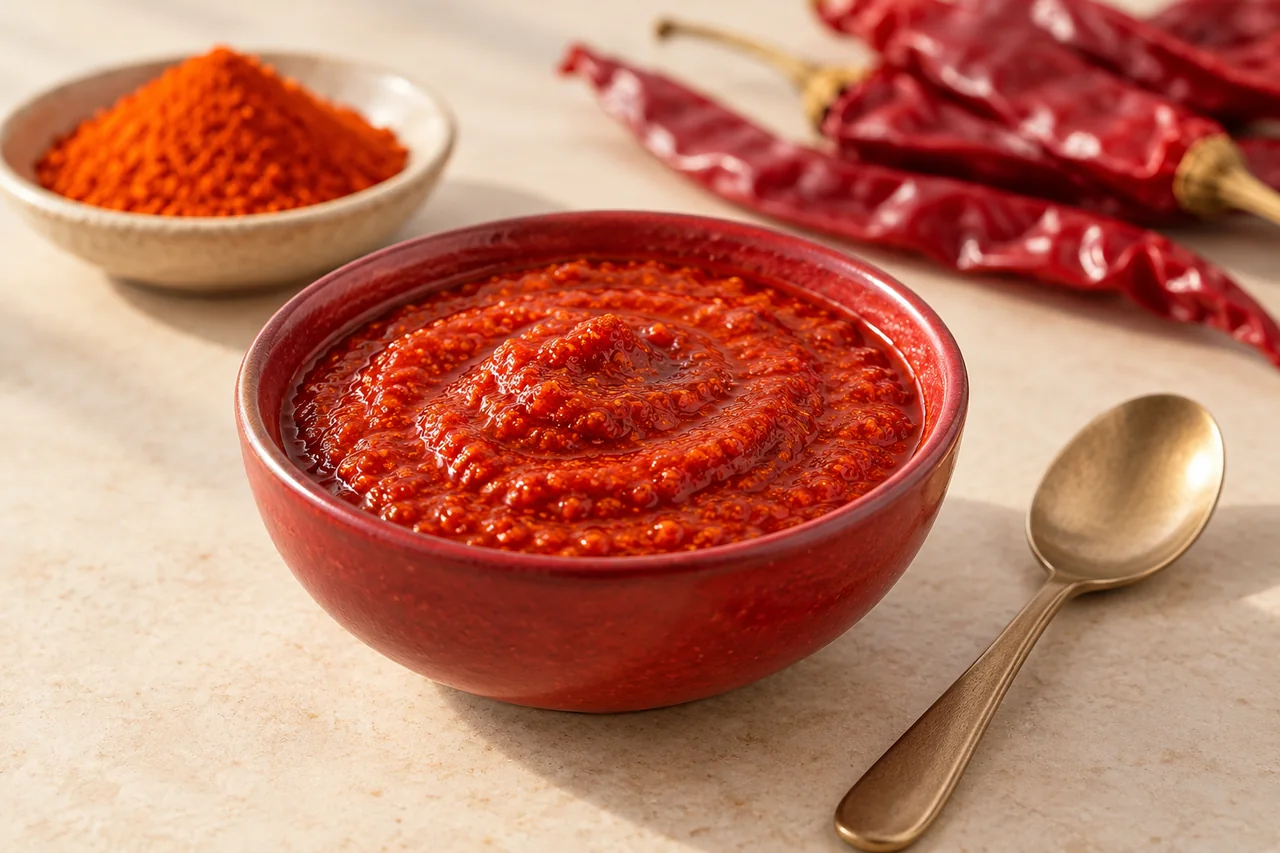
Record the actual water/oil composition, salt, acidity, addition sequence and measured heat history. Compare before heating, after the actual process and after cooling. If the dose or process changes, retain a separate version. Original paprika/meat-product research treats colour power and processing history as relevant to colour outcome; it is a reason to preserve the actual route, not evidence that these powders have a particular sauce heat-stability value.
Use two trials to avoid hiding the replacement's effects
Equal-dose and colour-adjusted trials answer different buying questions.
- 01Equal-dose trial
Shows ingredient differences without changing the recipe.
- 02Allowed adjustment
Shows the dose needed to reach the actual colour target.
- 03Final acceptance
Rechecks flavour, heat, texture and cost at that dose.
ASTA describes extractable colour on its analytical basis. Your sauce also contains water, oil and other ingredients, so equal ASTA does not directly establish equal hue or a replacement ratio.
First compare the current and proposed powders at the same dose through identical mixing, heating and cooling. Judge colour under fixed light and sample depth, alongside heat, flavour and particle feel. If a dose change is allowed to reach the colour target, keep it as a second recipe version and repeat those checks. More pepper may change body and flavour as well as colour. Compare cost using the dose and processing work that meet the complete sauce brief.
Inspect the points at which the sauce will be judged
Check the cooled sauce and the later use points that matter to your product.
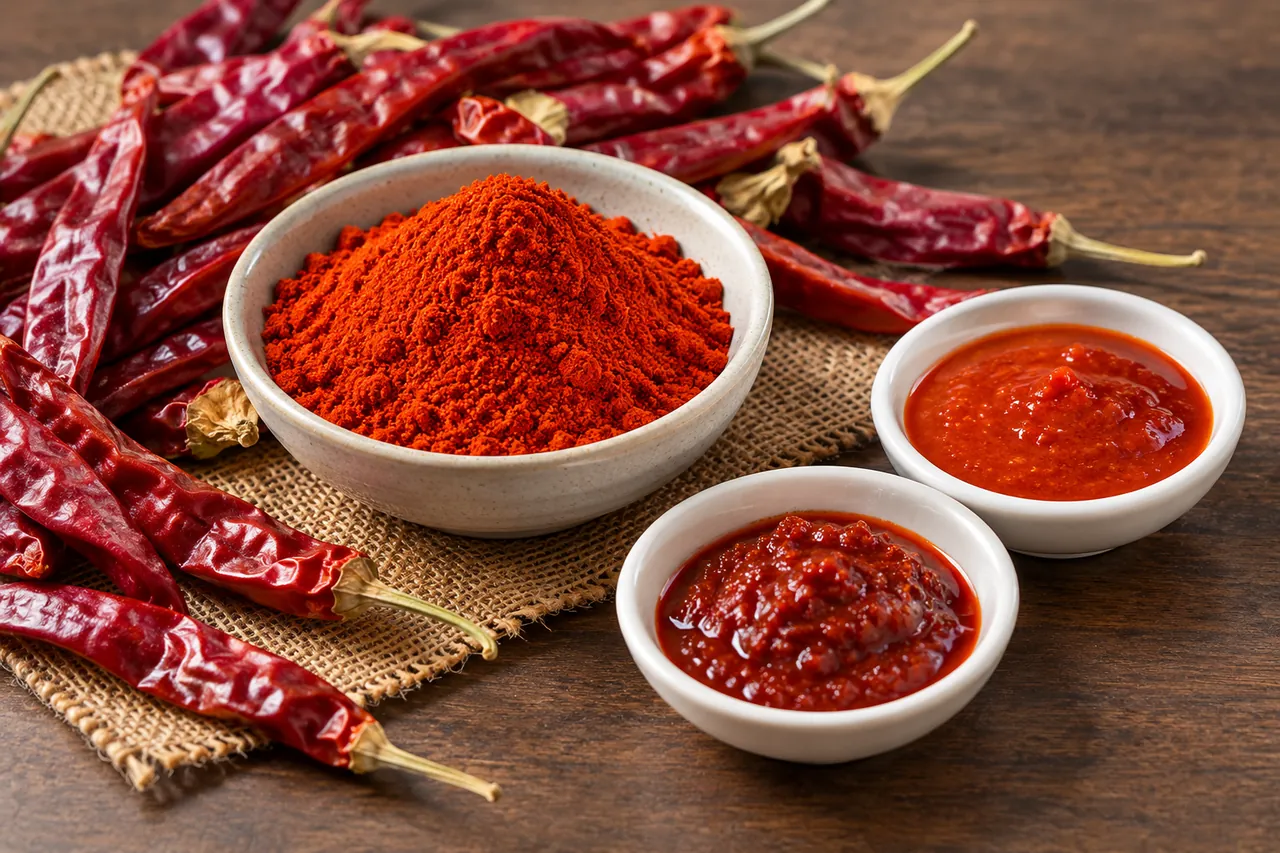
Compare the cooled sauce and any later holding points required by your product. Record separation, surface appearance and particle feel alongside colour. Do not claim a loss mechanism from a single photograph; the useful result is the observed difference under an identified condition. Keep ingredient periods separate: the controlled-storage sweet paprika states twenty-four months, the other paprika one year, and the Cayenne powder twelve months. None establishes the heated sauce's storage life.
Compare cost at the accepted recipe rather than by ASTA alone
Compare cost at the tested dose that meets the complete recipe brief.
- 01Accepted dose
Use a tested recipe meeting colour, flavour and texture together.
- 02Buyer processing
Include actual additional dispersion or finishing requirements.
- 03Comparable offer
Quote the same identified grade, package and acceptance scope.
Use the actual tested dose that meets the complete sauce brief and include any measured extra dispersion or finishing work. A lower material price may be offset by a greater use rate; a stronger analytical colour statement may still miss the desired hue or flavour. Record the reason for each shortlisted grade. The accepted object is a powder–recipe–process combination, which gives later deliveries a practical baseline instead of relying on an identical product name.
Send the current sauce and replacement boundary
Send the current reference and the formula changes your team permits.
- 01Current reference
Identify the ingredient and sauce that define acceptance.
- 02Allowed changes
State the formula and process adjustments your team permits.
- 03Candidate offer
Connect selected grade, actual sample and package to the tested route.
Send the current powder, accepted heated-sauce reference and permitted formula changes. We can discuss the selected paprika or Cayenne profile, grinding and sieve requirements, external ASTA/SHU tests and order-specific steam treatment. Keep the proposed sample and tested dose connected to the same accepted sauce route.
- Current ingredient and sauce reference
- Colour method and tolerance
- Actual heating and cooling process
- Permitted dose and recipe changes
- Flavour, formula and grind criteria
- Sample quantity and packaging
Your next purchasing decision
Discuss a heated-sauce powder replacement
Discuss a selected replacement rather than an assumed ASTA conversion.
Bring the current ingredient and accepted sauce, including the actual heat route and colour comparison method.
State the allowed dose or process changes and the flavour and texture requirements that must remain. We can use them to discuss an identified replacement preparation.
The enquiry page keeps this guide with your message. Add your quantity and destination so we can discuss the relevant material.