
Chili Ingredients for Kimchi and Korean-Style Paste
For visible chili on kimchi vegetables, start with a crushed preparation; for a concentrated Korean-style paste, start with powder inside the actual liquid budget. RELIA SPICES manufactures both forms and offers steam microbial reduction according to the order. Compare the coarse 5–8 mesh and separate 60-mesh candidates by coating, dispersion and eating texture. Send the food reference and preparation route so the material and treatment fit the same purchase.
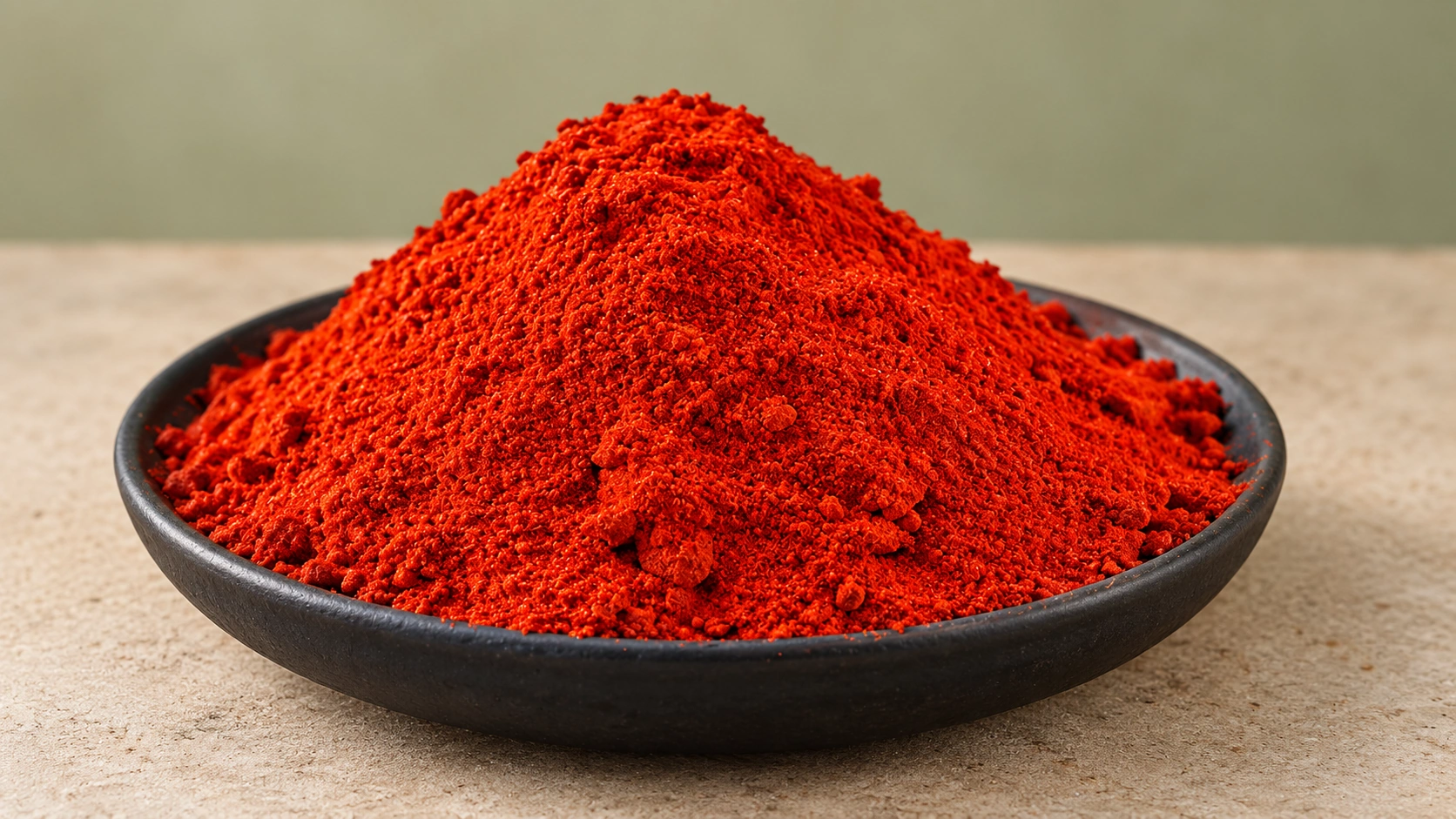
- Visible flakes
- Coarse Gochugaru-described chili lists 5–8 mesh and moisture ≤8%.
- Powder for paste
- The separate Gochugaru-described powder lists 60 mesh and moisture ≤7%.
- Food endpoint
- Approve vegetable coverage or paste dispersion separately, using the actual ingredient treatment.
Choose coarse coverage or fine paste dispersion
A coarse flake and a powder need different physical acceptance criteria.
- 01Kimchi vegetables
Visible flakes, seeds, fine coating and eating texture on the actual prepared vegetables.
- 02Concentrated paste
Powder incorporation, consistency and particle sensation within the real formulation.
- 03Supplied preparation
The selected sample, physical criterion and ordered treatment for that food route.
RELIA SPICES manufactures ground and crushed chili from purchased dried peppers through in-house cleaning, foreign-matter removal, destemming, size reduction, sieving and packaging. The coarse Gochugaru-described material lists 5–8 mesh and moisture ≤8%. The separate powder lists 60 mesh and moisture ≤7%. On vegetables, compare the main flake, seeds and fine coating. In paste, compare incorporation, coarse sensation and consistency within the actual liquid budget.
The dark-red kimchi/sauce preparation provides another comparison material with independent 10–40 mesh, 10–20 mesh and 60 mesh references and qualitative heat choices. Agree its actual fraction and profile. We check moisture and particles internally and use outside laboratories for ASTA, SHU and microbiology. In-house steam microbial reduction is selected according to order requirements.
Coarse Gochugaru Is a Defined Particle Enquiry
Inspect main flakes, seeds and fines on the prepared vegetables.
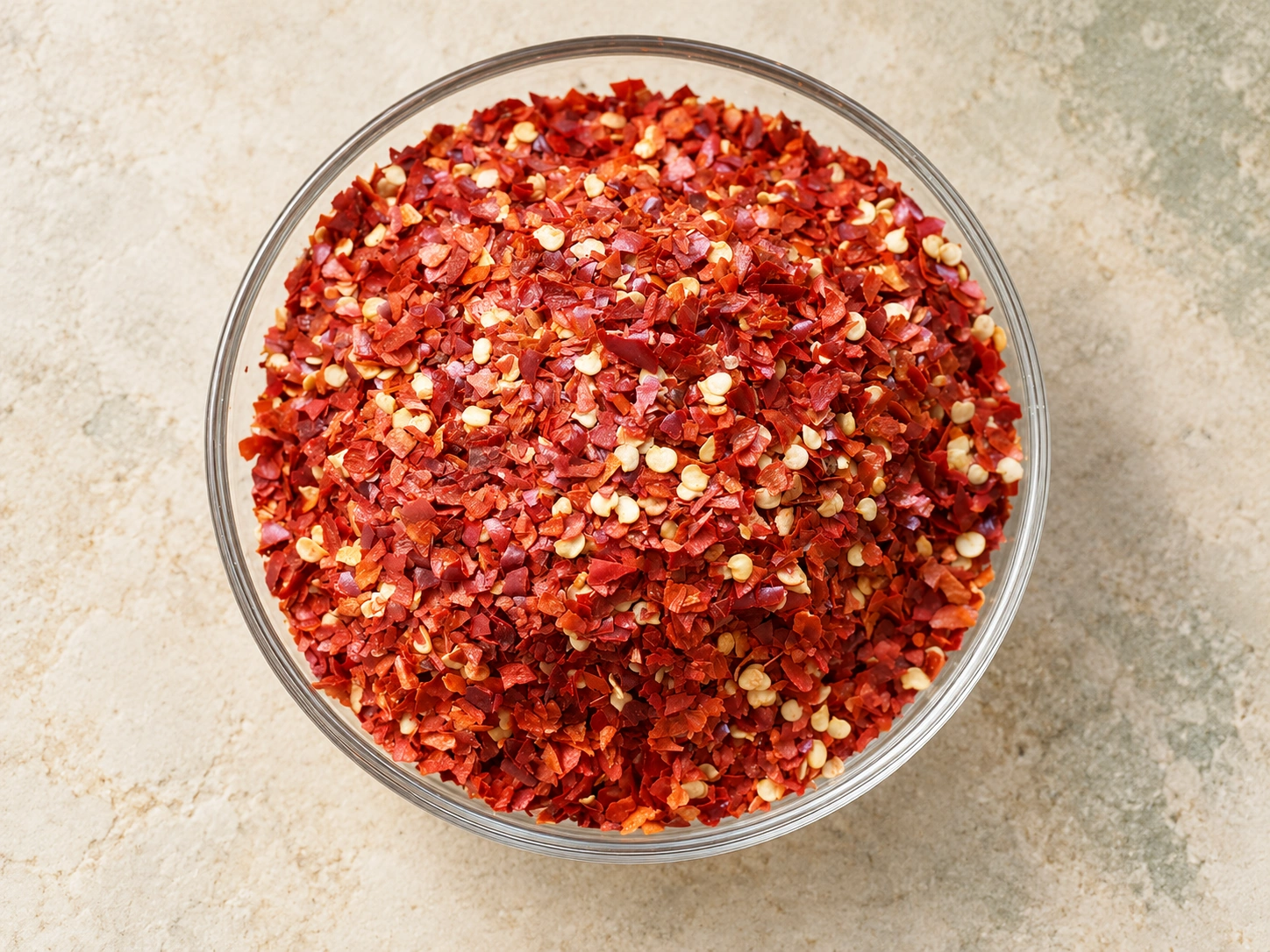
The Gochugaru crushed red-chili listing carries a 5–8 mesh reference, raw processing and moisture ≤8%. It is a separate candidate from a powder even when both are described for hotpot or kimchi-related use.
Compare the actual crushed material on prepared vegetables. Note the visible flake distribution, seed appearance and the way the coating remains associated with the vegetable during the handling steps you use. A mesh reference should be supported by its agreed sieve basis when it becomes an order criterion.
Ingredients to compare for this application
Coarse Gochugaru-style flakes for visible coating
Start here when kimchi vegetables need recognisable red pieces with seeds and a fine coating to assess.
- 5–8 mesh reference; moisture ≤8%.
- Crushed preparation with Raw and AD declarations; strong-pungent sensory description.
Gochugaru-style powder for pepper paste
Compare within the actual paste liquid budget when dispersion and coarse sensation drive the decision.
- 60-mesh reference; moisture ≤7%.
- Powder preparation with Raw and AD declarations and strong-pungent sensory description.
Dark-red chili material for an agreed fraction
Consider another kimchi/sauce input after selecting the actual particle preparation and qualitative heat profile.
- 10–40 mesh, 10–20 mesh and 60 mesh are separate independent references.
- Mild, Medium, High and Extra are qualitative choices, not verified numeric SHU grades.
These product specifications are a starting point for selecting a grade. Match the proposed material and sample to your food and order requirements.
Compare powder within the paste formulation
Compare powder incorporation inside the paste's actual liquid and mixing limits.
| Candidate | Actual listed reference | Comparison to run |
|---|---|---|
| Coarse Gochugaru-described flakes | 5–8 mesh; moisture ≤8% | Visible pieces and fine coating on prepared vegetables. |
| Gochugaru-described powder | 60 mesh; moisture ≤7% | Incorporation and particle sensation in the fixed paste base. |
| Dark-red kimchi/sauce material | Separate 10–40 mesh, 10–20 mesh and 60 mesh references | Agree one actual fraction and profile before the food trial. |
The Gochugaru-described powder's 60-mesh reference is a different preparation from the coarse 5–8 mesh flakes. Compare incorporation at the same powder dose, liquid budget, addition order and mixing stage. Inspect persistent particles separately from wet clumps before deciding a finer preparation is needed.
If you change liquid or mixing to make a candidate work, keep that as a second recipe and reassess consistency and eating texture. A photo or headline mesh value alone cannot establish the powder's fit in a concentrated paste.
Colour and Heat Remain Independent Choices
Colour, heat and texture remain separate decisions at the selected dose.
- ✓Colour
Look at the actual vegetable coating or paste under consistent lighting.
- ✓Heat
Use the intended food and a consistent sensory comparison.
- ✓Texture
Check retained flakes or powder mouthfeel independently of colour.
A red appearance does not specify pungency. Our kimchi-and-sauce listing uses the qualitative labels Mild, Medium, High and Extra, while other chili listings provide numeric SHU references. Those descriptions should not be merged into a new unverified heat scale.
Compare the food's colour and heat separately under the same conditions. A higher dose chosen for colour may also change flavour, texture and heat, so an ingredient change can require more than a single visual match.
Compare the Same Vegetable or Paste Base
Keep the vegetable or paste base and observation stage consistent.
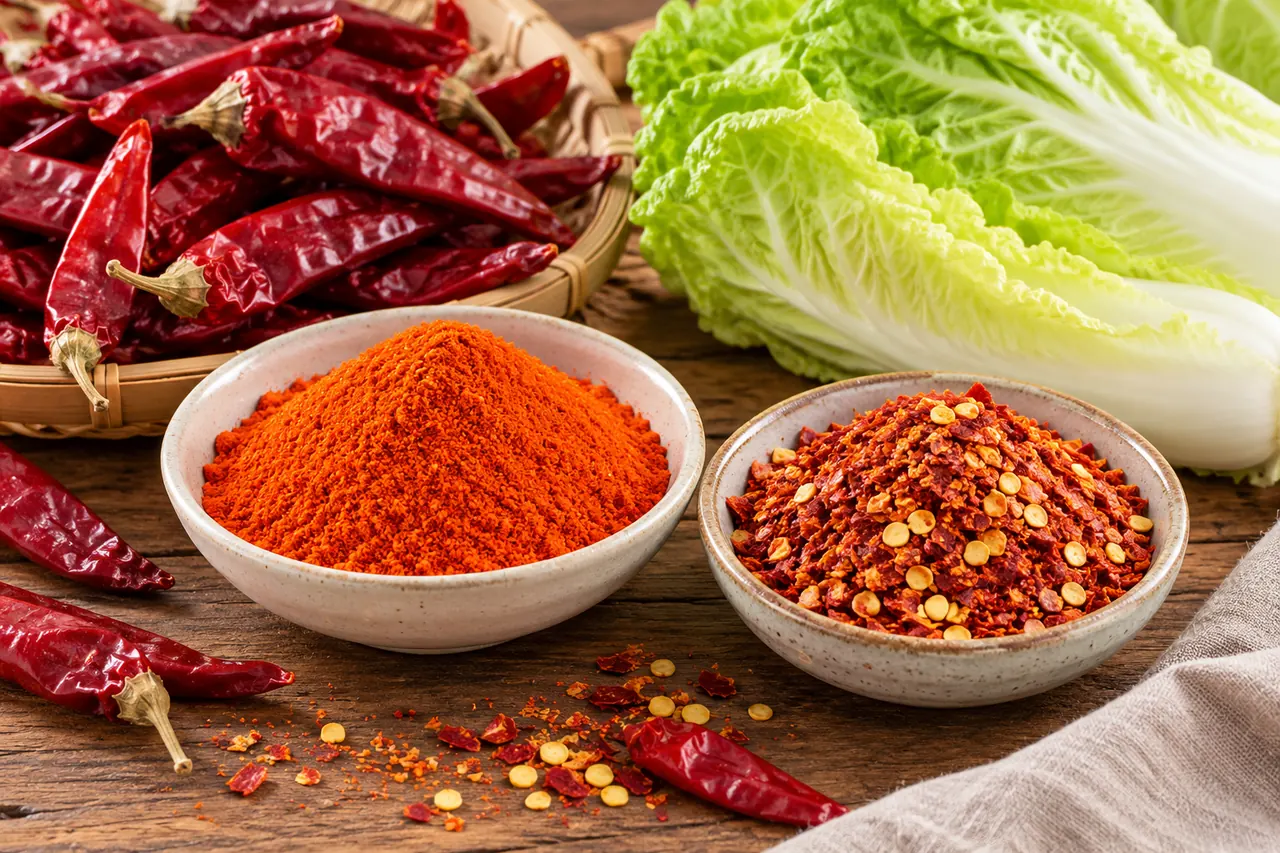
Use the same prepared vegetable or paste base, ingredient weight and mixing order for an initial comparison. Inspect a reference and the candidate side by side. Record the observation stage so an early mixing impression is not confused with a later food result.
Change one variable at a time in a second comparison. Different preparation, addition level and handling can each alter the result. A useful report says which material performed acceptably under the conditions you actually used.
Carry the ordered treatment into the food comparison
Assess the supplied post-treatment material through the actual food route.
- 01Select the form
Identify coarse flakes for coverage or powder for the paste task.
- 02Agree treatment
Define the ordered steam requirement and relevant physical or outside-laboratory tests.
- 03Compare as supplied
Assess the actual post-route ingredient, not an untreated substitute.
- 04Approve the food
Use the real vegetable or paste route and its relevant process observations.
RELIA SPICES has in-house steam microbial-reduction equipment used according to order requirements. Internal moisture and particle checks and outside-laboratory microbiology support the selected ingredient. Agree the coarse or fine preparation and requested treatment together, then assess the material in the condition supplied.
For vegetables, keep preparation, draining and seasoning fixed and inspect representative coated portions. For paste, keep the liquid budget and powder dose fixed and assess dispersion, consistency and particle feel. If the food is fermented, use the responsible team's actual process observations rather than assume a predictable response to steam or grind. Return those results so the chosen treatment and preparation address the same food endpoint.
Keep Material Identity Distinct from an Origin Claim
Gochugaru-style naming does not establish Korean origin or a cultivar.
- 01Commercial name
Use the listed preparation to start the conversation.
- 02Particle and composition
Specify the fraction and ingredient statement you need.
- 03Origin requirement
State any required supporting origin or identity information.
Gochugaru and Korean-style describe the commercial culinary direction of these ingredient discussions. They do not establish Korean growing origin, a cultivar or a geographic certification. State any origin requirement for the actual material separately.
RELIA SPICES is a China-based paprika and chili manufacturer. Our company role and the material's growing origin are different parts of the enquiry, while the selected cut and recipe observations determine the application fit.
Bring the Food Result Back to the Ingredient Brief
Keep a successful vegetable-flake purchase separate from a successful paste-powder purchase.
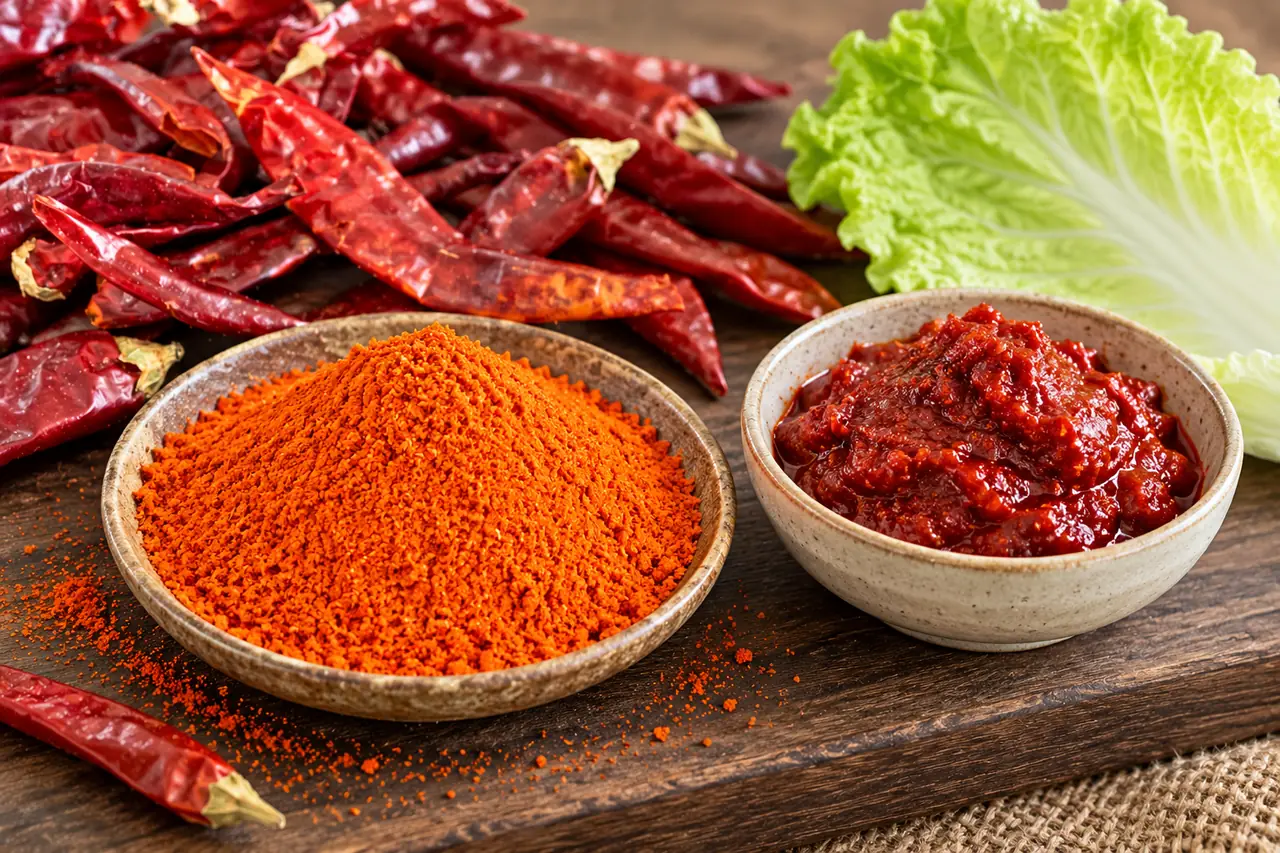
A powder that gives the desired paste texture may not deliver the visible flake effect wanted on vegetables. Keep those outcomes separate when reviewing the trial. If you need both preparations, describe each as its own ingredient line.
Send the selected material, the meaningful observations and the next purchasing quantity. That allows us to discuss the actual candidate and receiving package rather than restart with an undefined request for kimchi chili.
Choose the Kimchi Route That Matches Your Decision
Use the focused guide for coverage, paste texture or treatment history.
- 01Coarse chili
Visible pepper pieces and vegetable coating.
- 02Fine powder
Paste distribution and particle character.
- 03Treatment history
The supplied ingredient state and your actual process requirements.
Use the coarse guide for visible flake coverage, the fine guide for concentrated-paste dispersion and the treatment-history guide for an ingredient process decision. Send the actual product, food, particle and flavour requirements and order quantity. We can discuss the manufactured preparation and requested steam treatment against that specific route.
- Material and form
- Food application
- Particle/colour/heat
- Quantity and pack
- Destination
- Trial objective
Your next purchasing decision
Discuss the chili preparation for your kimchi or paste
Bring the food reference and the cut, flavour and treatment requirements together.
Bring the actual vegetable or paste reference and identify the coverage, texture and heat that matter.
Include the process boundary, ingredient treatment and analytical requirements. We can keep a coarse-flake purchase and a fine-powder purchase on clear, separate material lines.
The enquiry page keeps this guide with your message. Add your quantity and destination so we can discuss the relevant material.