
Ingredient Specifications, Test Reports and Batch Acceptance
Choose the powder or flakes you want to buy, then request the records that decide whether they meet your specification. Use the specification for the target, a test report for the identified sample or lot, and any certificate for its named scope. Send the material and the two or three acceptance needs that matter so we can discuss useful product-specific evidence.
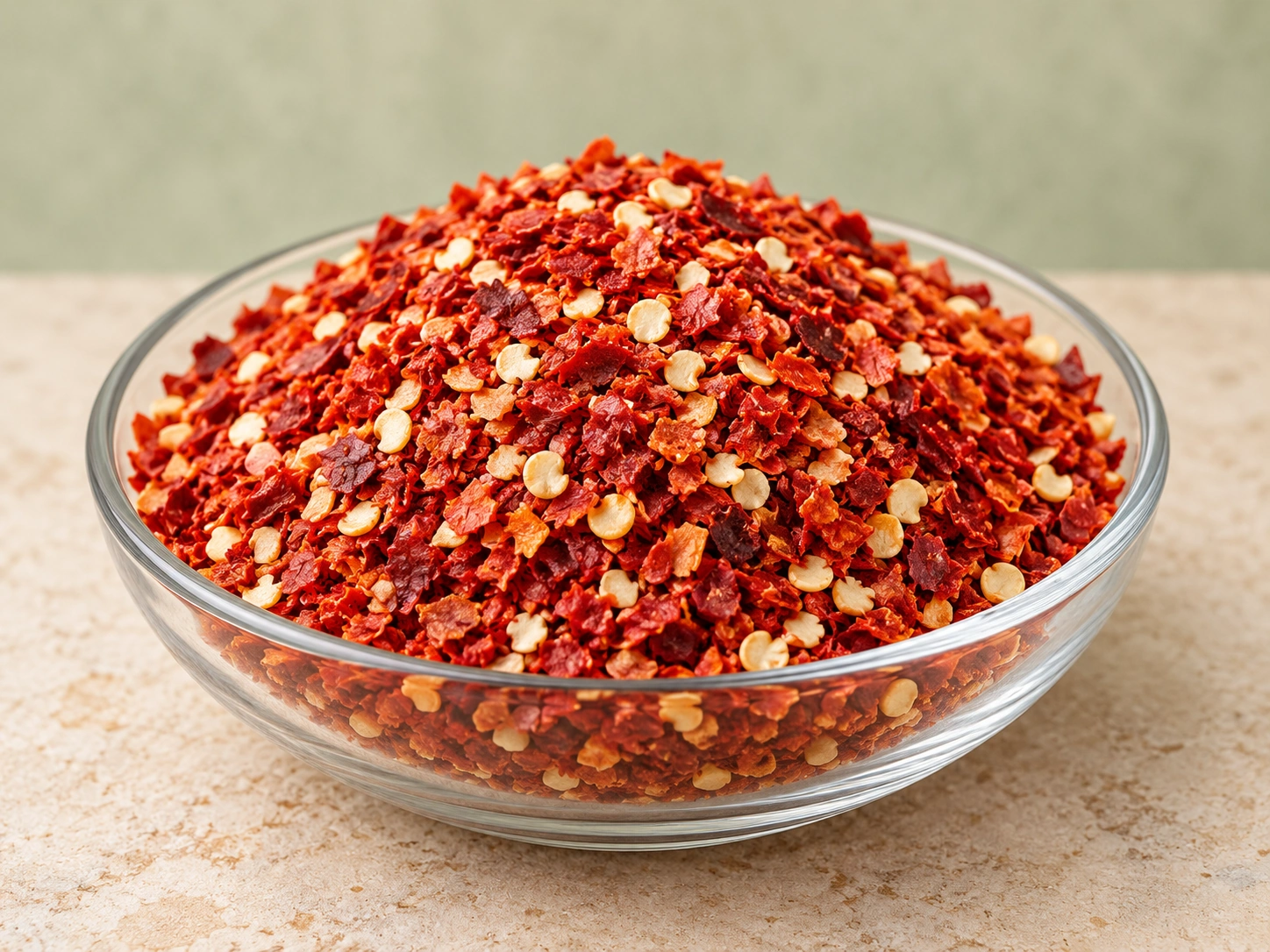
- Specification
- Read the target, including its ranges, maximum signs and physical preparation.
- Test report
- Connect the result, method and units to the actual sample or lot.
- Certificate
- Review the named holder, issuer, scope and validity separately from material results.
Three Records Answer Three Different Buying Questions
Specifications, test reports and certificates perform three different jobs.
| Record | Useful information | Buying decision |
|---|---|---|
| Specification | Material, preparation and agreed criteria | The target for the proposed supply |
| Test report | Identified sample or lot, method, units and result | Whether the tested material meets the relevant criterion |
| Certificate | Holder, issuer, scope and validity | Whether the named certification fits the qualification need |
RELIA SPICES checks routine moisture and particles internally and sends ASTA, SHU and microbiological analyses to laboratories. Start the evidence request with the actual powder or prepared chili; a catalogue limit is not a measured delivery result.
Use each record for its own job. The specification defines the target, the report describes identified tested material, and a certificate has a holder, issuer, validity and scope. Keep the product and selected preparation with those records.
Start with the Product and the Supplied Fraction
Identify the product and supplied fraction before interpreting its numbers.

Our sweet paprika powder is listed with nominal 70 mesh and a separate customizable 60–70-mesh reference. The seeded-flake preparation is listed with 3 × 5 mm graininess and a 20,000 SHU reference. A record for one preparation cannot automatically describe the other.
Use the product link, agreed grade or model and supplied form to identify the material before reading the numbers. If a catalogue contains more than one size reference, establish which actual fraction is being proposed rather than combining them into a new specification.
Ingredients to compare for this application
Paprika powder specification example
Use a powder with separate colour, grind and moisture references to build a material-specific evidence request.
- Nominal 70 mesh; separate 60–70-mesh customization.
- 80–220 ASTA customization.
- Moisture limit: ≤8%.
Seeded-flake evidence example
Use when the acceptance file must connect a visible flake preparation to its own heat and cut criteria.
- Dried raw red chili flakes with seeds.
- 20,000 SHU reference.
- 3×5 mm graininess entry; actual cut and measurement basis require agreement.
These product specifications are a starting point for selecting a grade. Match the proposed material and sample to your food and order requirements.
Read a Limit Differently from a Result
A copied specification limit is not evidence of a measured batch result.
- ✓Criterion
The agreed target, including any range or maximum symbol.
- ✓Method and units
The analytical basis needed to interpret the result.
- ✓Material identity
The actual preparation, sample or lot tested.
- ✓Result
The reported finding rather than a repeated specification.
The paprika listing declares moisture ≤8%. The maximum symbol is part of that criterion. A batch report should give the measured result on its stated method and basis; a copied specification line alone does not show the measurement.
The same discipline applies to microbial reporting. A unit such as cfu/g and a result expressed for a stated test portion describe different analytical information. Read the criterion, method, result and identification together rather than reducing the review to a pass word.
Keep Colour, Heat and Particle Reports Separate
Colour, heat and particle results cannot replace one another.
| Buying criterion | Appropriate information | What it cannot replace |
|---|---|---|
| Colour strength | Extractable-colour analysis on the stated basis | Heat or the finished-food trial |
| Heat | The relevant pungency result and method | Colour strength or particle preparation |
| Particles | The defined sieve or dimensional result | Ingredient composition or microbial status |
An extractable-colour result does not establish heat or particle distribution. Our sweet paprika listing carries an 80–220 ASTA customizable range, while the seeded-flake listing carries its own heat reference. Each result needs the right material and the relevant analytical basis.
For particle acceptance, the actual sieve distribution is more informative than a loose mesh nickname. State the sieve system and the fraction or distribution that affects the food, then review the report on that basis.
The Sample Container Also Carries Useful Identity
Keep the physical sample linked to its material reference and comparison record.
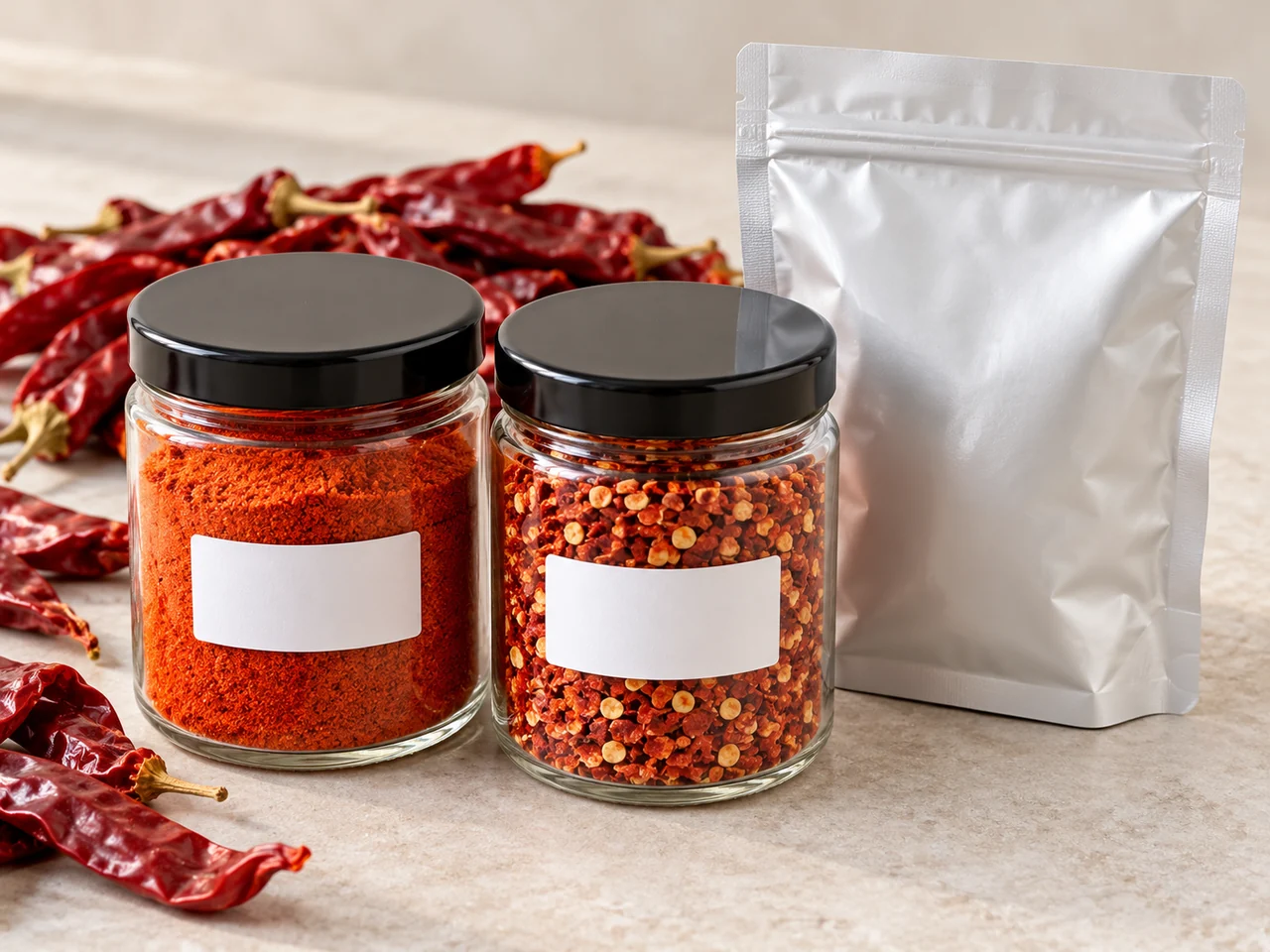
An identified sample makes a test or food comparison traceable to the material you actually received. Keep the preparation name, sample reference and relevant lot information with the container and the comparison record.
When several powders arrive together, do not identify them only by colour or the order in which they were unpacked. Preserve the link between the physical sample, the specification being reviewed and the result your team observed.
Link Steam Capability to the Material and Evidence Requested
Connect any selected steam preparation to the material stage and result requested.
- 01Define the ingredient
Select the powder or flake and actual physical grade.
- 02Set the preparation
Record whether the order requires steam microbial reduction.
- 03Request the relevant result
Identify material, sample stage, method and reported finding.
- 04Read separate records
Keep specification, report and certificate roles distinct.
RELIA SPICES has in-house steam microbial-reduction equipment, used according to order requirements. State whether the actual ingredient needs that preparation, separately from cleaning, destemming, grinding and sieving.
Treatment control and the material condition matter to the microbial outcome. Equipment availability does not establish operating settings, a guaranteed reduction or ready-to-eat status.
Routine moisture and particle tests are internal; microbiological analysis is outsourced. Identify the selected material, sampled stage, method and actual result requested. Use the same preparation for any relevant food comparison, while reviewing certificate holder and scope separately. This creates a useful order record without assuming test frequency, laboratory accreditation or completed validation.
Read the Certificate's Actual Coverage
A certificate's coverage belongs to its named entity, facility or activity.
- ✓Holder and issuer
Identify the entities named in the record.
- ✓Scope
Read the materials, facility or activity actually covered.
- ✓Validity
Check the applicable issue and expiry information.
- ✓Product connection
Establish how the record relates to the proposed ingredient.
When certification is required, read the holder, issuer, scope and validity. A record for one entity, facility or activity should not be extended to a different ingredient or the whole catalogue.
Tell us which named certificate or declaration your purchasing procedure requires for the selected product. That keeps the request focused on the qualification decision rather than a long list of unrelated documents.
Use Receiving Observations Alongside Analytical Records
Use receiving observations alongside analytical reports.
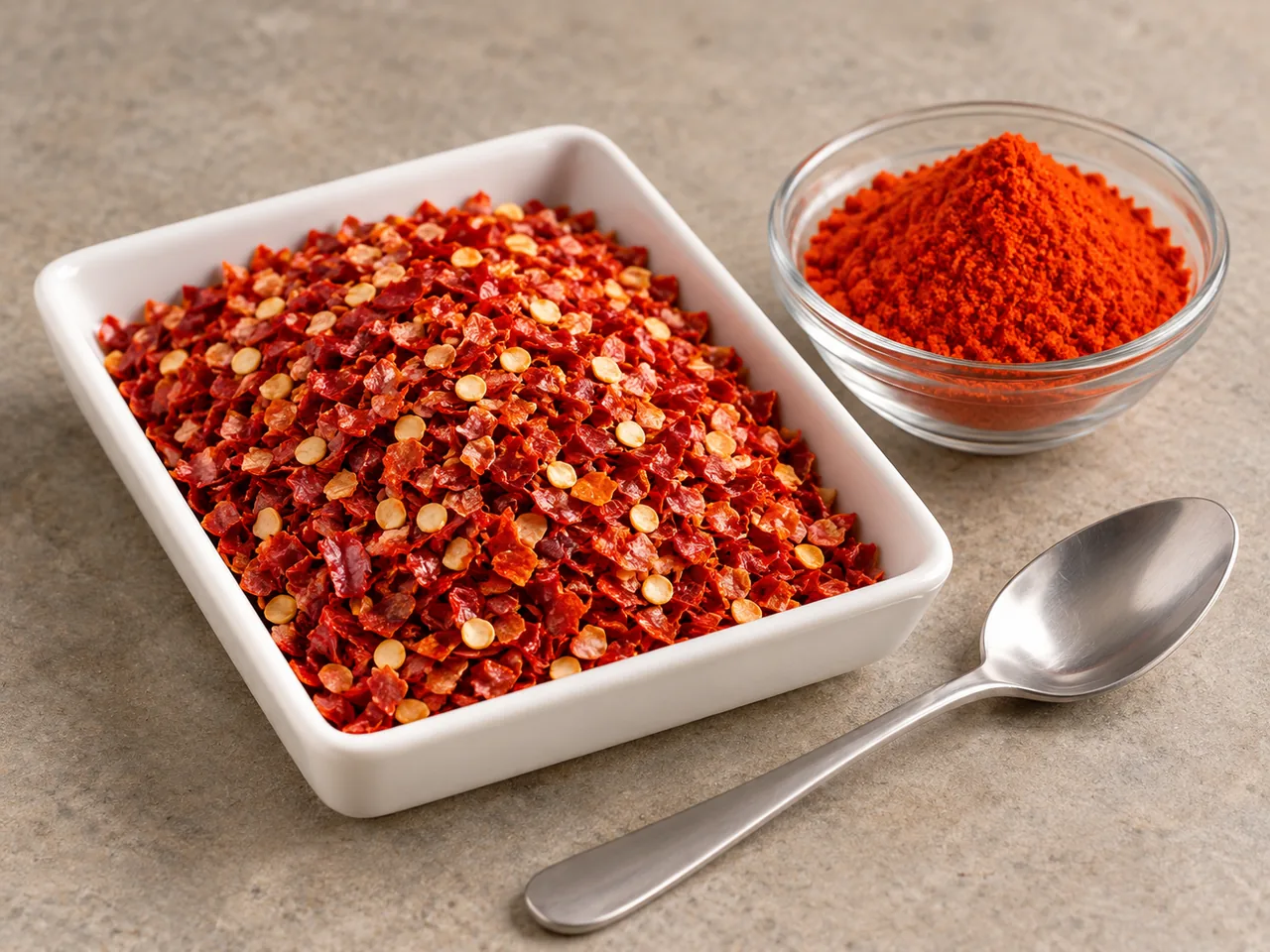
On receipt, compare the named material, package identification and visible condition against the agreed order scope. A laboratory report cannot describe a damaged outer pack or an unexpected physical preparation that your receiving team sees.
If a concern appears, keep photographs, the material reference and the observation with the relevant documents. A specific description of a wet package, wrong cut or inconsistent identity is more actionable than a general statement that the product is unsuitable.
Build a Short Acceptance File for the Actual Order
Keep one short acceptance file for the actual order and its changed conditions.
- 01Define
Material and agreed criteria.
- 02Review
Applicable results and qualification documents.
- 03Receive
Actual delivered identity and condition.
- 04Decide
The buyer acceptance outcome and any specific concern.
Use one product-specific file containing the agreed specification, relevant report, any required certification, sample comparison and receiving decision. Keep a changed formulation, treatment or package visible so the next review does not rely on a record for a different preparation.
For an enquiry, send the product link and the two or three document questions that affect approval. This reference page explains how to read the records; the factory-shortlist guide addresses the broader supplier-selection decision.
- Material and form
- Food application
- Particle/colour/heat
- Quantity and pack
- Destination
- Trial objective
Your next purchasing decision
Talk through your product-specific evidence request
Send the product and evidence needs that affect your approval.
Send RELIA SPICES the selected powder or flake and the evidence questions that affect approval. Include the required physical criterion and any steam preparation specified for the order.
We can discuss the actual manufacturing and test allocation while the relevant records remain attached to the material your team is reviewing.
The enquiry page keeps this guide with your message. Add your quantity and destination so we can discuss the relevant material.