
Choosing a Chili Powder Grade for a Defined Heat Requirement
Choose a chili powder for the heat your food must deliver, then check flavour, colour and particles at the same recipe dose. Start with the Cayenne heat options; keep the hot-spicy Cayenne and qualified ground-chili candidate as separate alternatives. Send your food, current dose and heat acceptance basis so we can discuss a grade and the relevant external heat analysis.
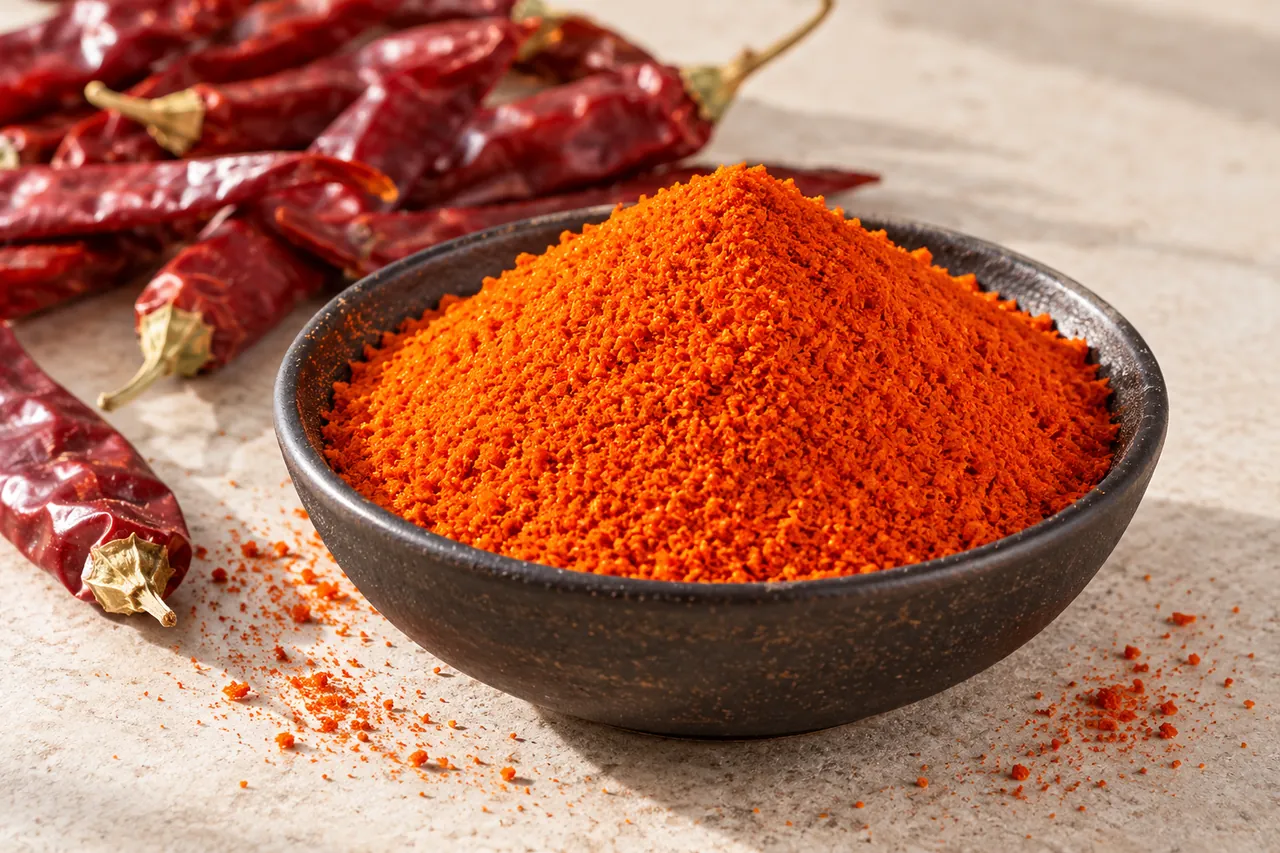
- Set the heat task
- Describe the food's accepted heat and any ingredient analytical requirement separately.
- Select the material
- Mild, medium and hot descriptions are not supplied numerical SHU bands.
- Keep the whole recipe
- A heat match still needs acceptable flavour, colour, particles and composition.
Translate the Heat Target into Two Decisions
Keep ingredient analysis and the food's accepted heat experience as separate decisions.
- 01Powder selection
Use an interpretable analytical or agreed grade criterion for the actual material.
- 02Food selection
Compare the prepared food against the accepted heat experience.
RELIA SPICES grinds and sieves the proposed powder in-house and checks routine moisture and particles internally. SHU analysis goes to laboratories. Use the result for the selected powder rather than assuming its grind or commercial name establishes heat.
Begin with the Cayenne grade descriptions and state the food's heat criterion. Keep composition, particles and any required use of our in-house steam equipment with that same proposal, so the sample and analytical evidence describe one material.
Start with the Cayenne Grade Descriptions
Cayenne's qualitative options start grade selection without numerical heat tiers.
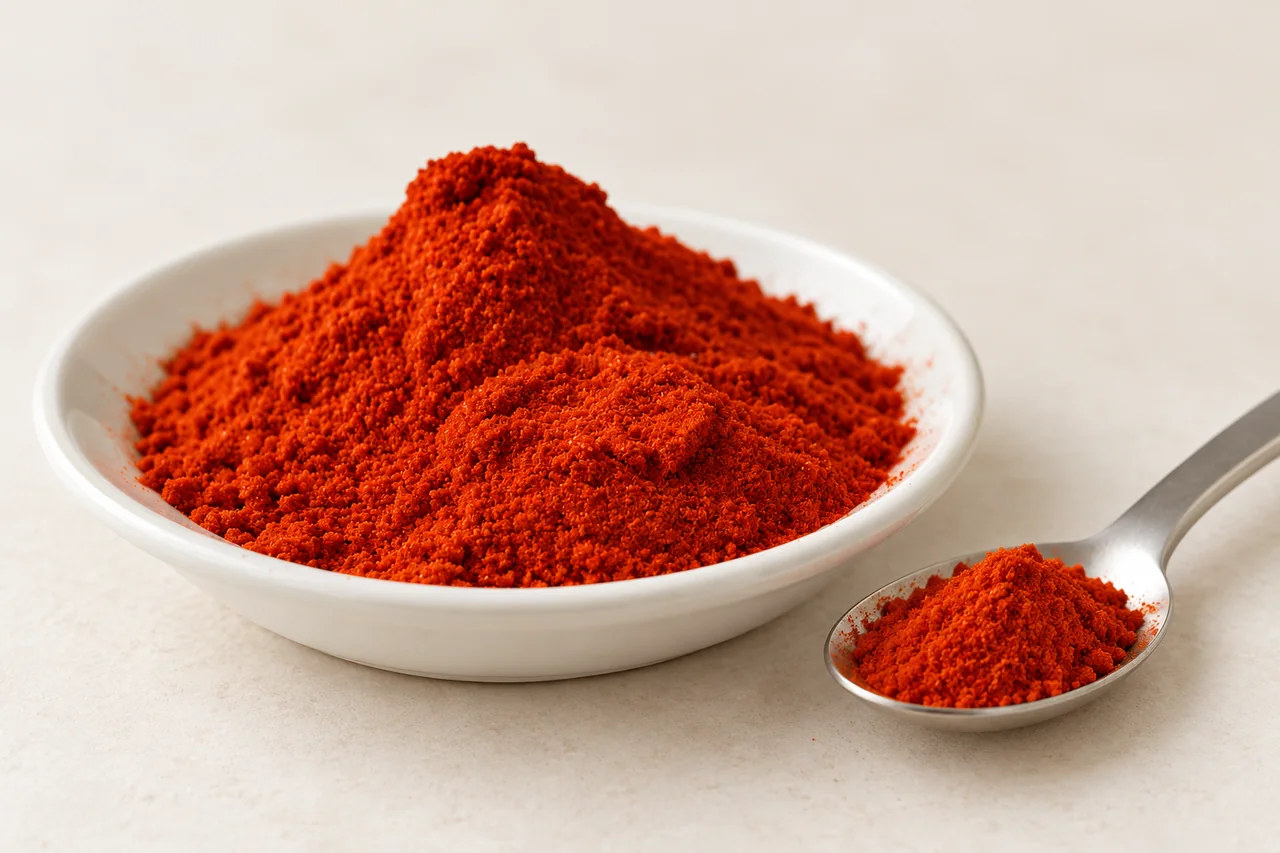
The Cayenne red pepper powder lists mild, medium and hot customization references, nominal 60 mesh and no additives. Its applications include sauces, meat products and seasoning. These provide practical starting information for choosing a sample route, but no numeric SHU interval is supplied for those three descriptions.
State the actual required heat criterion and retain the other material limits. A powder offered for a hotter food still needs the right flavour, composition and particle character. Do not let the heat target erase the rest of the ingredient specification.
Ingredients to compare for this application
Cayenne with qualitative heat options
Start a heat-led sample discussion for sauce, seasoning or meat applications without assigning unprovided SHU tiers.
- Mild, medium and hot customization.
- Nominal 60 mesh.
- Dried red pepper and no additives declared.
Separate hot-spicy Cayenne
Consider when the recipe needs this Cayenne identity and the actual hot-spicy character passes its food trial.
- Hot-spicy taste description.
- 60Mesh reference.
- Normal-temperature warehouse storage.
Ground chili with qualified heat reference
Consider an analytical grade discussion only after the full notation is interpreted for the actual material.
- Heat notation: 30000–35000SHU(0.2), qualification unresolved.
- 60-mesh graininess reference.
- Dried powder preparation.
These product specifications are a starting point for selecting a grade. Match the proposed material and sample to your food and order requirements.
Use Other Powder Routes Without Inventing Heat Bands
Resolve each alternative's own heat basis before placing it in the comparison.
| Route | Available starting point | Decision to resolve |
|---|---|---|
| Qualitative Cayenne grades | Mild/medium/hot descriptions | Actual heat grade and food fit |
| Hot-spicy Cayenne | Taste descriptor and 60Mesh | Useful heat acceptance basis |
| Ground red chili | Qualified numerical heat notation | Complete analytical scope before acceptance |
The separate hot-spicy Cayenne powder has a 60Mesh reference and food-use description, but no numeric heat declaration. The dried ground chili ingredient has an independent 60-mesh reference and a qualified numerical heat notation whose complete meaning must be established before a fixed acceptance criterion is adopted.
Keep these routes distinct. One can be screened through a specific sensory-grade discussion; the other requires interpretation of its analytical declaration as well. Neither should be assigned an arbitrary mild, medium or hot band just to complete a comparison table.
Connect External Pungency Analysis to the Produced Grade
Connect the external pungency result to the powder you will actually trial.
- 01Produce the grade
Define the proposed powder and particle criterion.
- 02Analyse pungency
Use the relevant external result, method and material identity.
- 03Compare the food
Begin at the existing recipe dose under matched conditions.
- 04Approve the use
Separate direct use from an accepted dose adjustment.
Grinding and sieving define the physical powder, not its pungency. RELIA SPICES performs those steps in-house and outsources SHU analysis, so the powder identity must stay connected to the heat result.
Use the analytical method and reporting basis when comparing results. A 60-mesh label cannot make different heat reports comparable, and a SHU number does not establish complete composition.
Trial the proposed grade at the current recipe dose before adjusting it. If the order requires our in-house steam microbial-reduction step, use that selected preparation in the comparison. Assess heat, pepper flavour, colour and texture after the normal food process, then choose direct use or an accepted dose adjustment.
Screen Samples at the Existing Recipe Dose
Start at the existing recipe dose before exploring an adjustment.
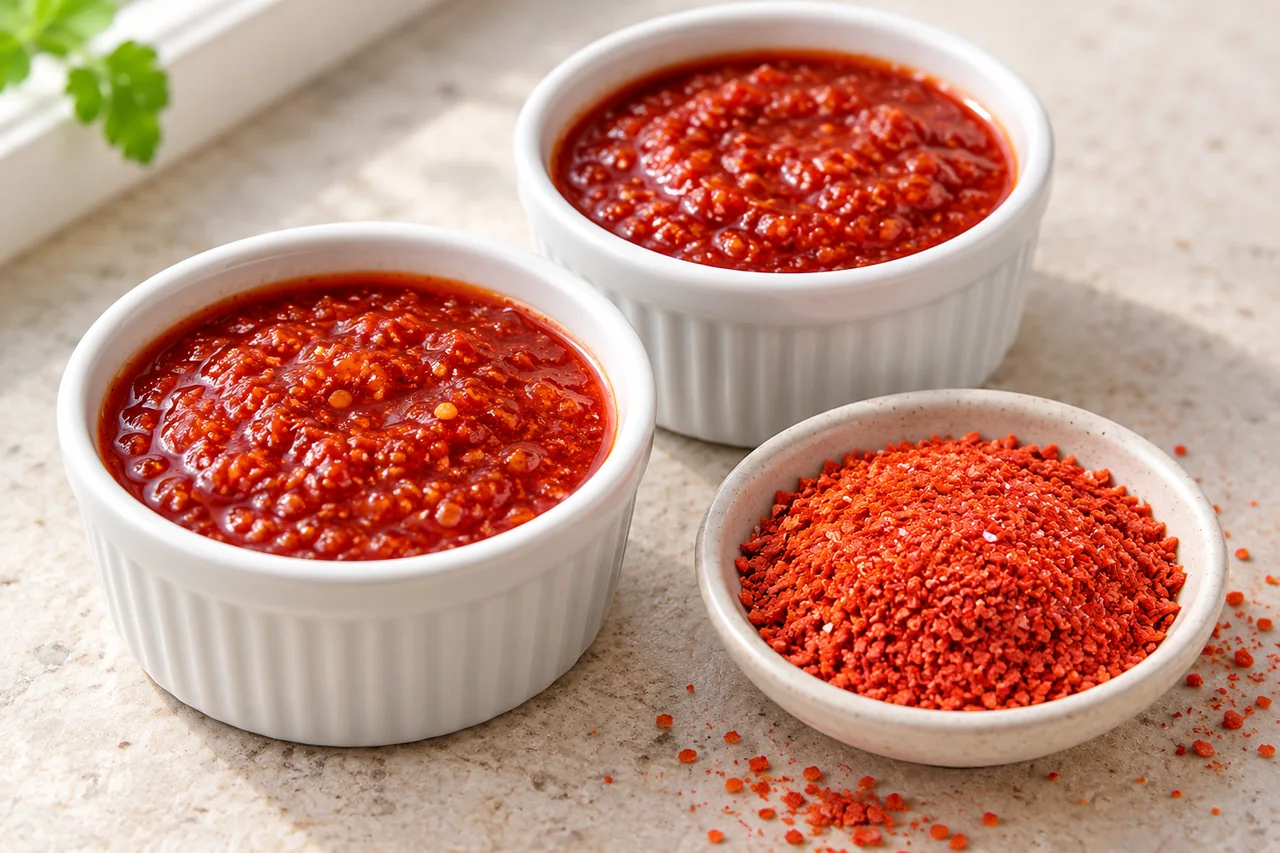
Prepare the reference and candidates in the same food base at the current weighed use level. Keep addition order, heating and serving conditions stable. Evaluate heat onset, overall intensity, lingering warmth and pepper flavour using your team accepted sensory procedure.
If a sample is clearly unsuitable at the existing dose, record why before adjusting it. The initial comparison separates material choice from reformulation. A later dose exploration can be useful, but it should answer a defined question rather than hide an unexpected difference in the first trial.
Retain Colour and Particle Conditions as Hard Filters
Colour, particles and composition remain hard requirements alongside heat.
- 01Particles
Inspect the food texture and the agreed sieve distribution.
- 02Colour and flavour
Preserve the food attributes that heat is not allowed to replace.
- 03Composition
Keep excluded additions and actual preparation within the grade decision.
A heat match is not enough if a smooth sauce develops unacceptable specks or a dry seasoning changes colour. Compare particle character and visible appearance in the same actual food. Several listings use nominal 60-mesh descriptions, but that alone does not show identical particle distributions.
RELIA SPICES prepares and sieves the powder in-house and uses our steam equipment according to order requirements. Keep the selected composition and preparation in the grade approval, including any ingredient exclusion or requested treatment. A promising heat trial does not replace those separate conditions.
Choose a Controlled Dose Adjustment When Appropriate
Assess any changed dose against the whole food, not heat alone.
- 01Baseline
Retain the result at the original recipe dose.
- 02Adjustment
Change one relevant variable and assess the whole food again.
- 03Selection
Choose a material-and-dose combination that meets all hard requirements.
After the unchanged-recipe screen, explore a different dose only when the business is willing to alter the formula. Compare the resulting food again for heat, flavour, colour and texture. A smaller quantity of a stronger ingredient may change more than pungency.
University guidance shows that pepper heat varies with genetics and growing conditions. For purchasing, define the accepted commercial grade and actual evidence rather than assuming the Cayenne name fixes every future lot. The repeat-order criterion should reflect the material the food actually uses.
Plan Storage with the Selected Powder
Use the selected powder's own warehouse and pack conditions.
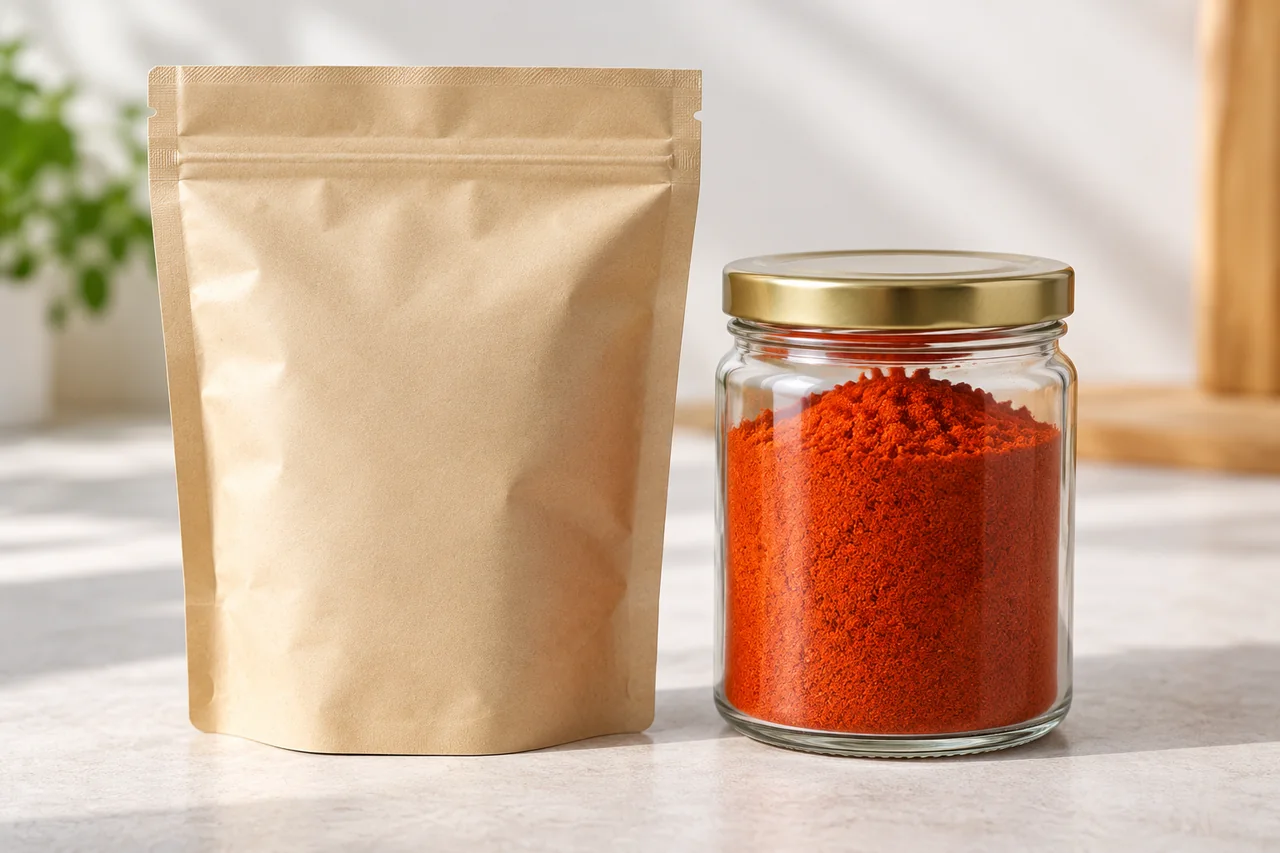
The hot-spicy Cayenne powder describes normal-temperature warehouse storage and a two-year period. The other Cayenne powder specifies ≤25°C and humidity ≤60%, with 12 months. These are different declarations, so select the instruction belonging to the actual offered material.
Keep the receiving pack and opened-pack use cycle practical for your operation. A heat-grade discussion does not establish package performance or an unchanged ingredient after unrestricted storage. Relate subsequent trial observations to the sample condition before treating a difference as a grade failure.
Send the Food Heat Target and Current Dose
Send the exact heat task and whether the current dose must remain fixed.
- 01Define
Specify the ingredient and food heat requirements separately.
- 02Evaluate
Use a stable first recipe comparison, then any deliberate adjustment.
- 03Buy
Retain the complete selected grade, pack and accepted use condition.
Share the ingredient heat criterion, finished-food reference and whether the recipe dose must stay fixed. Include composition exclusions, particles, actual use conditions and intended quantity. These details let us discuss the relevant powder and the next grade comparison.
The goal is one powder specification that works in the food. If you need several customer heat positions, develop that assortment separately after each grade has a clear purpose.
- Ingredient heat requirement
- Finished-food heat target
- Food and process conditions
- Composition and particle limits
- Measurement and comparison basis
- Quantity and required grade records
Your next purchasing decision
Talk through your defined-heat powder requirement
Include the food, current powder, heat criterion and any required steam preparation.
Send RELIA SPICES the intended food, heat criterion, current dose and powder reference. Include particle and composition limits, plus any order-specific steam requirement.
We can discuss the selected material and external SHU evidence before you decide how it enters the recipe and purchase specification.
The enquiry page keeps this guide with your message. Add your quantity and destination so we can discuss the relevant material.