
Comparing Paprika by ASTA, Trial Dosage and Cost in Use
Compare paprika cost at the dose your food actually accepts, not just by the kilogram price or the highest ASTA number. Trial a selected grade from each relevant paprika listing, then multiply the comparable price by the measured recipe addition. Send your food target, current dose and offer basis so we can discuss a useful grade comparison without assuming savings.
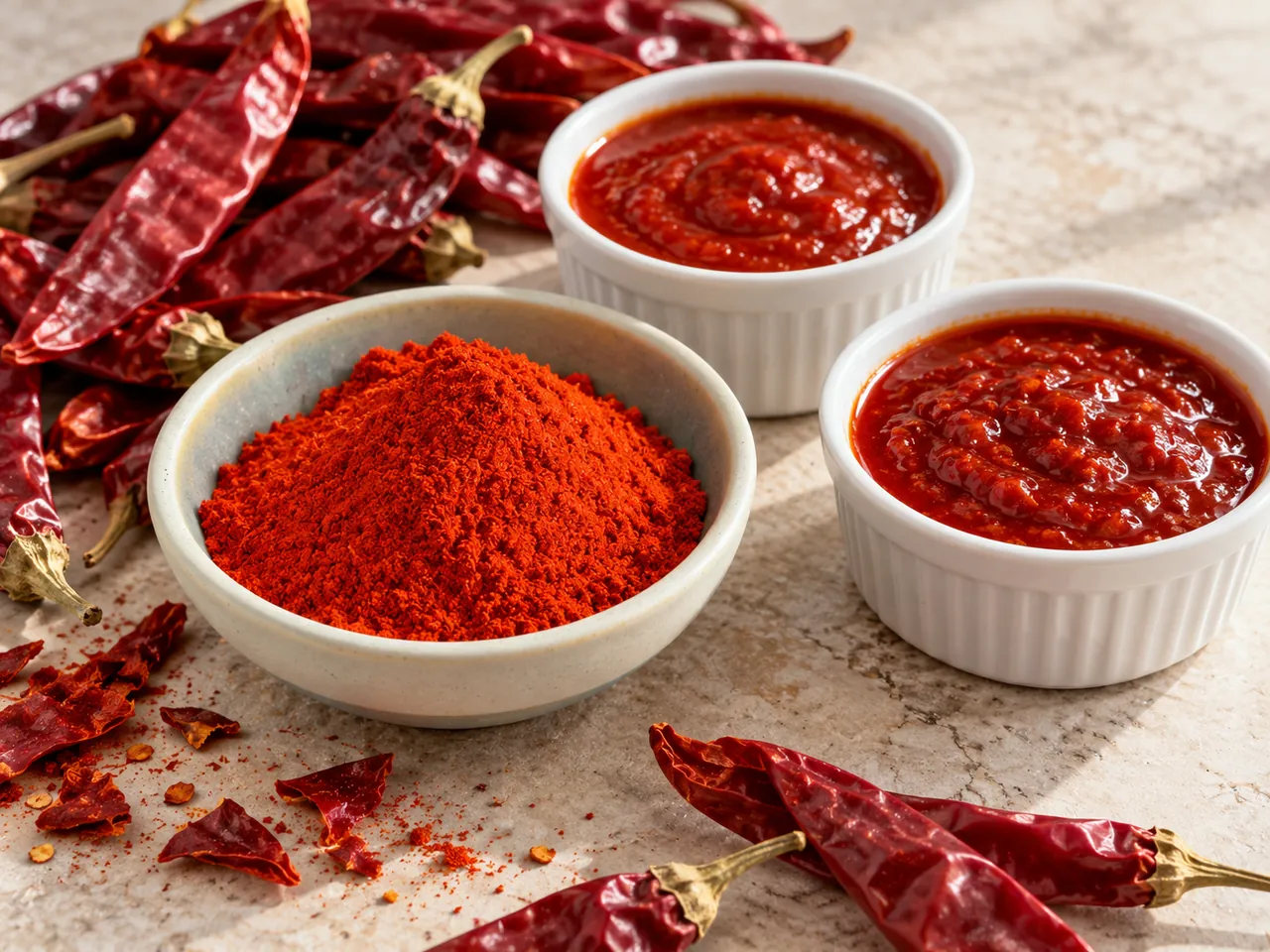
- Ingredient price index
- Price divided by actual grade ASTA is a quotation index, not finished-food cost.
- Food cost calculation
- Multiply the comparable price by the dose that passes the whole-food trial.
- Common basis
- Keep grade, included charges and accepted food output comparable.
Set the Same Acceptance Gate for Every Candidate
Use the same colour, flavour, heat and recipe acceptance gate for every candidate.
- ✓Colour
Compare the same food reference at the agreed processing or holding stage.
- ✓Eating quality
Retain flavour and heat conditions at the selected dose.
- ✓Recipe scope
Separate fixed-recipe comparison from a deliberately reformulated food.
RELIA SPICES can discuss the selected paprika material, grind and any order-specific preparation behind the price. We grind and sieve in-house, check routine moisture and particles internally, and outsource ASTA analysis.
Compare actual samples before ranking quotations. The catalogue colour range describes available scope; an accepted food dose belongs to a selected grade and recipe. Keep any grind or agreed steam-preparation change with that same comparison.
Use Actual Offered Paprika Grades
A quoted grade is not automatically the upper endpoint of its catalogue ASTA range.
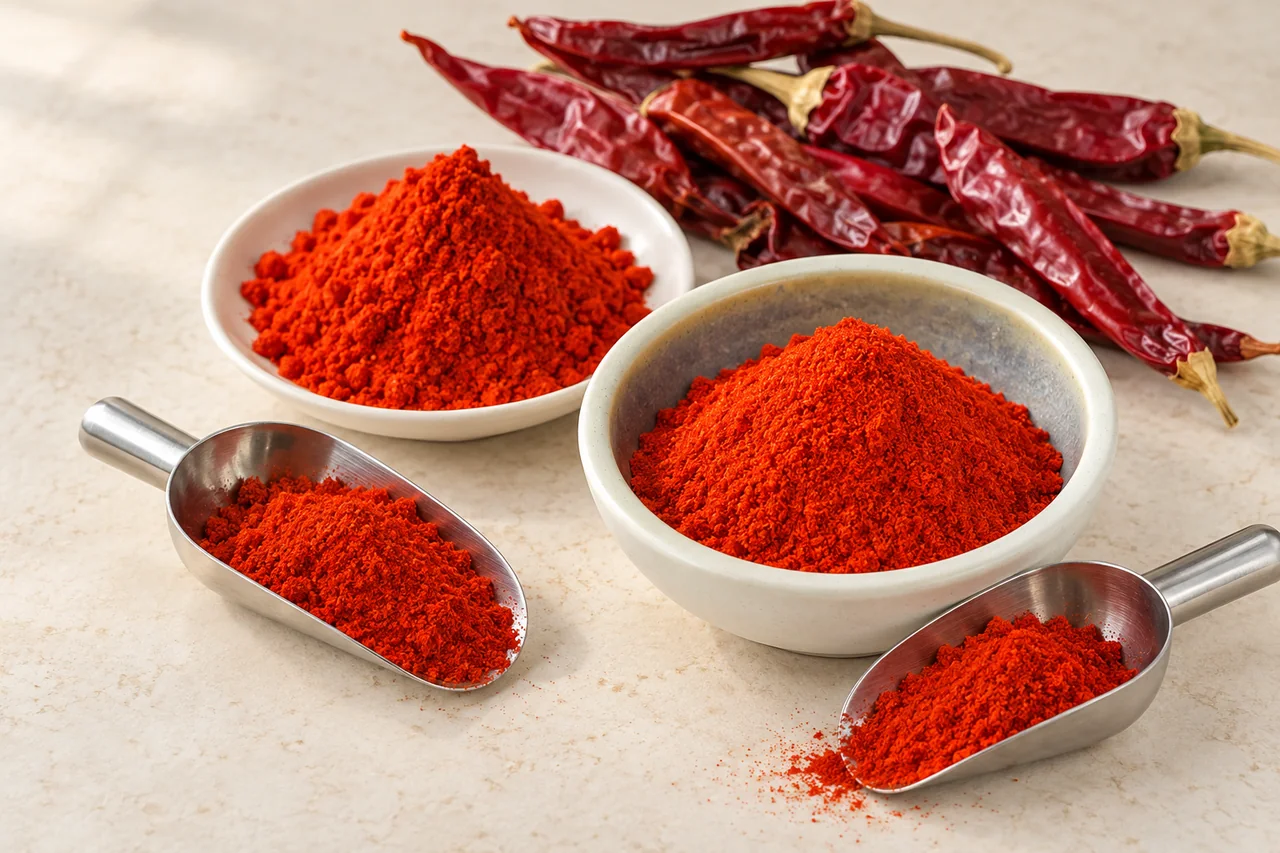
The nominal 70-mesh sweet paprika carries an 80–220 ASTA customization range and a moisture limit of ≤8%. The separate dried sweet paprika has its own 80–280 ASTA declaration. These describe candidate scope rather than the actual colour value of two identified offers.
Select one proposed grade for each comparison and associate the trial sample with that material. Do not assume the upper end of a catalogue range is supplied at the quoted price. The actual grade, sample and commercial offer are the inputs that make the economic comparison meaningful.
Ingredients to compare for this application
Paprika for a grade-specific cost trial
Use a selected colour grade and nominal grind to establish accepted recipe consumption before comparing offers.
- Nominal 70 mesh.
- 80–220 ASTA customization.
- Moisture specification: ≤8%.
Separate paprika colour candidate
Compare its actual offered grade and accepted dose on the same food and price basis.
- Sweet paprika powder identity.
- Independent 80–280 ASTA range.
- Carton and bag packing are described.
These product specifications are a starting point for selecting a grade. Match the proposed material and sample to your food and order requirements.
Use Price per ASTA Only as a Quotation Index
Price per ASTA and cost per accepted food output answer different questions.
- 01Quotation index
Comparable ingredient price divided by the actual grade ASTA value.
- 02Food cost
Comparable ingredient price multiplied by the accepted measured dose.
- 03Selection
Rank only material-and-dose combinations that pass the food acceptance gate.
Dividing comparable ingredient price by the actual selected-grade ASTA value gives a price-per-kilogram-per-ASTA-unit index. It can help screen quotations, but it does not calculate the cost of colouring a kilogram of food.
For food cost, multiply the comparable price by the accepted measured dose. That dose must pass colour, flavour, heat and particle requirements after processing. Do not derive a proven replacement dose simply by inverting two ASTA values.
Find the Accepted Dose Through a Controlled Trial
Find the accepted dose through controlled trials, not an inverted ASTA ratio.
- 01Screen
Use equal additions for the first material comparison.
- 02Adjust
Explore a deliberate dose change while keeping the other conditions controlled.
- 03Accept
Use the measured dose only after colour, taste and particles meet the food brief.
Begin with equal weighed additions in the same food base. Keep processing and observation conditions stable, then compare the result with the accepted reference. Retain the original comparison before exploring a different dose for a candidate that merits further work.
Change one relevant variable at a time and recheck the whole food. More paprika can change flavour or particle character as well as colour. The dose used in the final worksheet should be the measured amount associated with an accepted food result, not a target inferred from a colour declaration.
Read the Food Result Beyond Its Photograph
A cheap dose that fails flavour, heat or texture is not an economical choice.
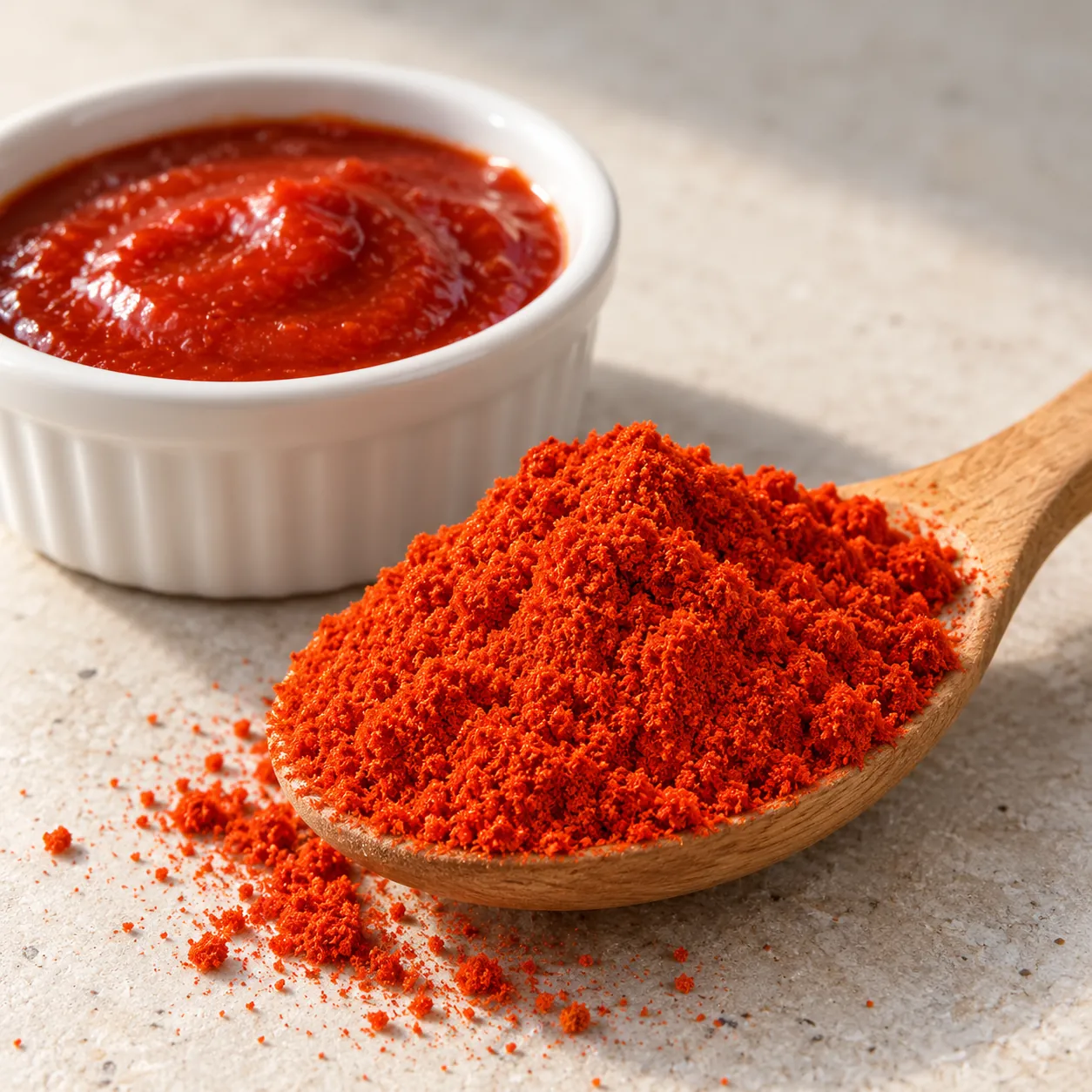
Observe the product at the stage the customer will judge it, including the relevant cook or holding step. Compare red hue, uniformity, paprika flavour, unwanted warmth and visible particles. A photograph supports the visual record but does not resolve all of those criteria.
If one candidate achieves acceptable colour but fails another hard condition, keep it out of the final cost ranking. An apparently cheap dose that the food cannot use is not an economical ingredient choice. This is the point where formulation and purchasing need one shared acceptance decision.
Carry the Produced Grade into the Usage Calculation
Carry the actual produced grade and preparation into the cost worksheet.
- 01Identify the grade
Keep the selected powder preparation and relevant colour result.
- 02Accept the food
Use the dose that meets the complete recipe target.
- 03Apply actual prices
Compare currency, included charges and receiving basis.
- 04Calculate on one output
Express cost against the same accepted food quantity.
RELIA SPICES grinds and sieves paprika in-house, so keep the selected physical grade with the trial. Particle changes can affect powder appearance; finer powder does not automatically mean a lower accepted dose.
Our moisture and particle checks are internal and ASTA analysis is outsourced. If order-specific steam preparation is selected, evaluate that preparation rather than carrying over a dose from another sample.
Once the food passes, multiply comparable ingredient price by the accepted addition on one food-output basis. Show any measured handling or usable-output loss separately. Recalculate when the grade, dose, included charges or accepted output changes. This produces a usable buying comparison rather than a promised saving from a colour number.
Keep Commercial Differences Outside the Performance Assumption
Separate measured handling costs from assumed ingredient performance.
| Input | Use in comparison | Source |
|---|---|---|
| Ingredient price | Same currency, unit and included charges | Actual grade offer |
| Measured dose | Accepted recipe quantity | Controlled food trial |
| Output basis | Same accepted food mass | Buyer production or trial record |
| Additional work or loss | Only if included and measured | Actual operational record |
Compare the actual grade, order quantity and receiving package on an equivalent price basis. Identify delivery charges, currency and other included costs before ranking offers. If a pack requires extra handling or creates opened-material losses, examine those costs separately using operational evidence.
A lower material price and a lower ingredient cost in use are different outcomes. Neither establishes guaranteed savings across future prices or recipes. Show the input values and the chosen scope so a colleague can recalculate the result when the grade, offer or production conditions change.
Keep the Material Behind the Winning Calculation
Retain the sample, grade, recipe and price behind the winning calculation.
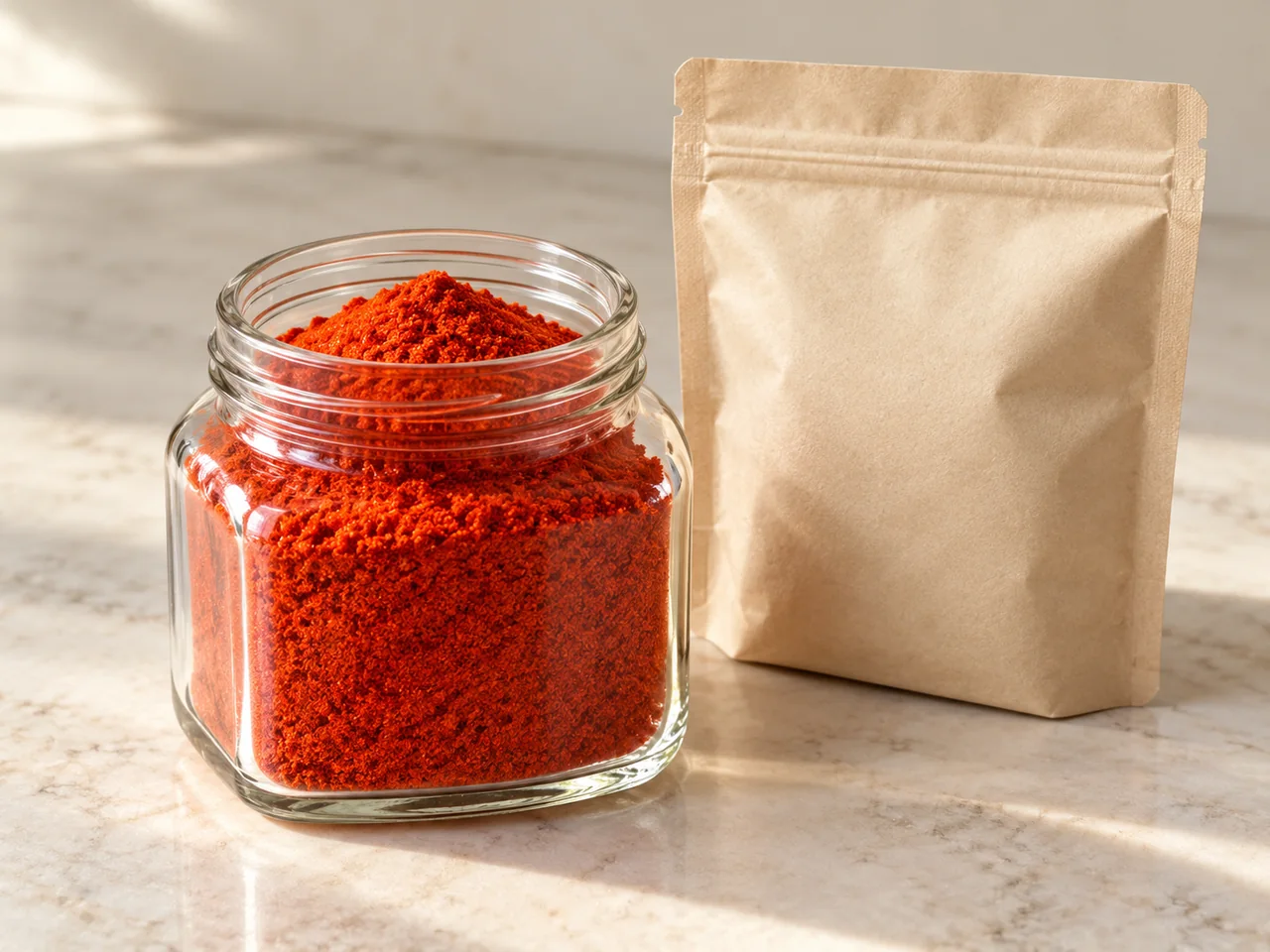
Retain the accepted sample identity, selected grade and trial condition with the price used in the worksheet. A calculation without those links can be difficult to repeat or defend when a later quotation changes. Protect the physical references sufficiently for meaningful follow-up comparison.
Review the affected inputs if composition, grind, preparation or the receiving package changes. Do not carry the old result forward merely because the powder still uses the same commercial name. The worksheet describes an evaluated material-and-dose combination, not every product in a colour range.
Use the Worksheet to Request a Relevant Offer
Request the missing grade offer or food trial input before claiming a saving.
- 01Technical target
Provide the accepted food and material conditions.
- 02Measured use
Use actual trial input rather than an assumed ASTA conversion.
- 03Offer basis
Request the selected grade, quantity and receiving pack on comparable terms.
Send the food target, actual trial dose if available, required material criteria and quantity. Explain whether the project seeks a direct replacement or allows formulation changes. We can discuss the relevant paprika starting point and actual grade proposal on that defined commercial basis.
Keep any still-untested dose outside a completed savings claim. The next useful output is a comparable grade offer or a targeted food trial, depending on which input is missing. This approach turns colour economics into a buying decision that another team member can inspect and reproduce.
- Food colour and quality target
- Actual grade to compare
- Particle and composition needs
- Available measured dosage records
- Price inclusion and output basis
- Quantity and receiving pack
Your next purchasing decision
Talk through your paprika cost-in-use comparison
Send the food target, trial quantities and comparable price basis.
Share the accepted food target, current powder and trial quantities with RELIA SPICES. Add the comparable price basis and any physical or treatment condition that must remain fixed.
We can discuss the actual candidate grade and colour evidence while your calculation uses measured recipe usage rather than a promised saving.
The enquiry page keeps this guide with your message. Add your quantity and destination so we can discuss the relevant material.