
Ito Togarashi-Style Dried Chili Threads for Foodservice
For a visible chili-thread garnish, choose the heat role before the cut. Compare T3001's 3,000–5,000 SHU reference with T3006's 20,000–35,000 SHU, then define the dimensions and fragments your presentation can accept. Send the plated reference, addition point and visible portion. We can discuss the actual thread preparation and selected treatment without treating 0.5 mm or 2–3 mm as confirmed width grades.
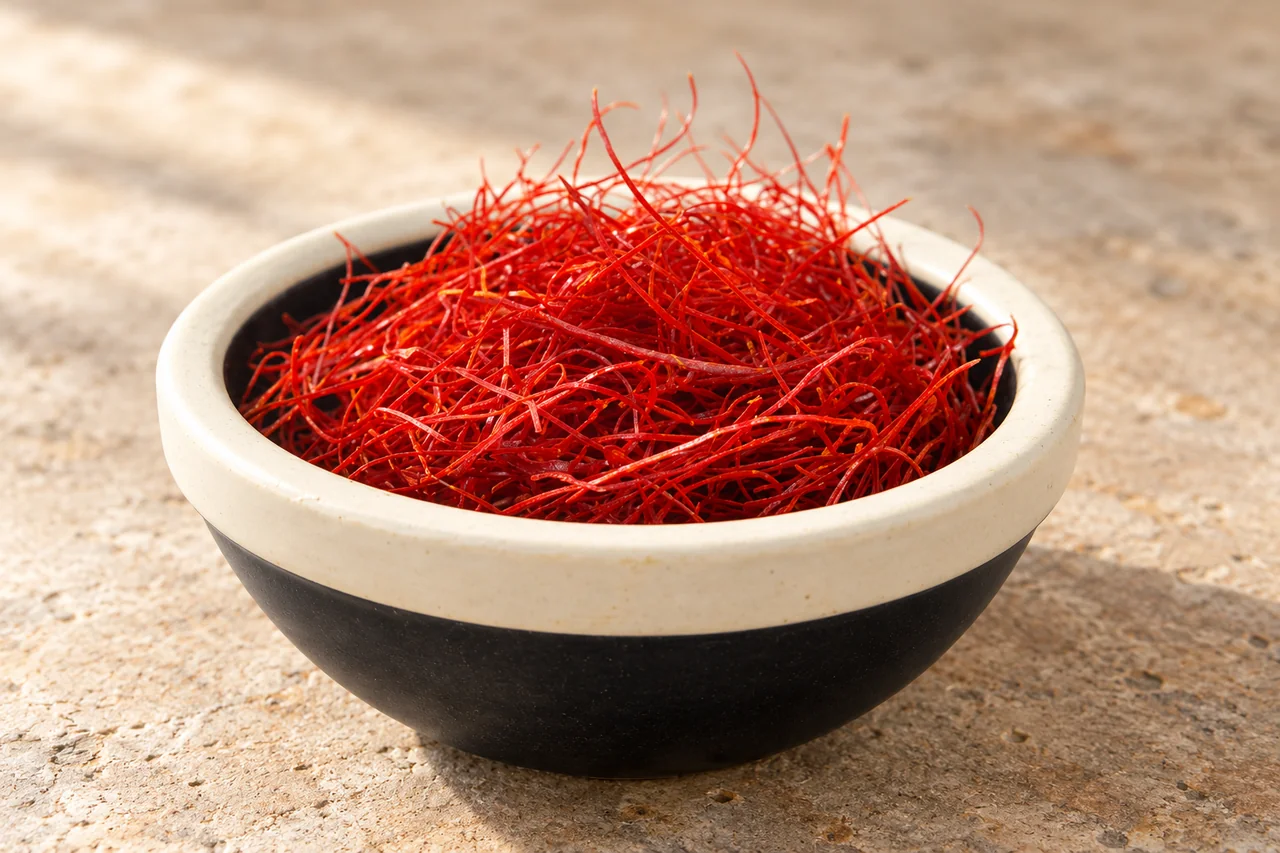
- Lower heat reference
- T3001 lists 3,000–5,000 SHU and an unassigned 0.5 mm dimensional reference.
- Stronger heat reference
- T3006 lists 20,000–35,000 SHU and a separate 2–3 mm reference needing its measured axis.
- Presentation endpoint
- Compare the intended visible portion after normal handling and actual contact with the food.
Prepare threads for the addition point
Cooking additions and post-cook garnishes require different food-contact and treatment discussions.
- 01Before cooking
Assess the thread after the actual food preparation and mixing route.
- 02Finishing stage
Keep the real oil or water contact and portioning method in the comparison.
- 03Post-cook presentation
Evaluate separation and bite at service, with a separate treatment decision.
RELIA SPICES cleans and destems purchased dried chilies before the agreed cutting or size-reduction route, sieving and packing. For threads, describe the dimensions, short fragments and clumps relevant to your portion. State whether they enter during cooking or at finishing.
Moisture and particles are checked internally; ASTA, SHU and microbiology use external laboratories. In-house steam microbial reduction is selected according to order requirements. A post-cook garnish needs an appropriate ingredient process as well as an acceptable appearance on the plate.
Resolve the axis behind each millimetre reference
Neither written millimetre entry establishes thread width, length or thickness without an axis.
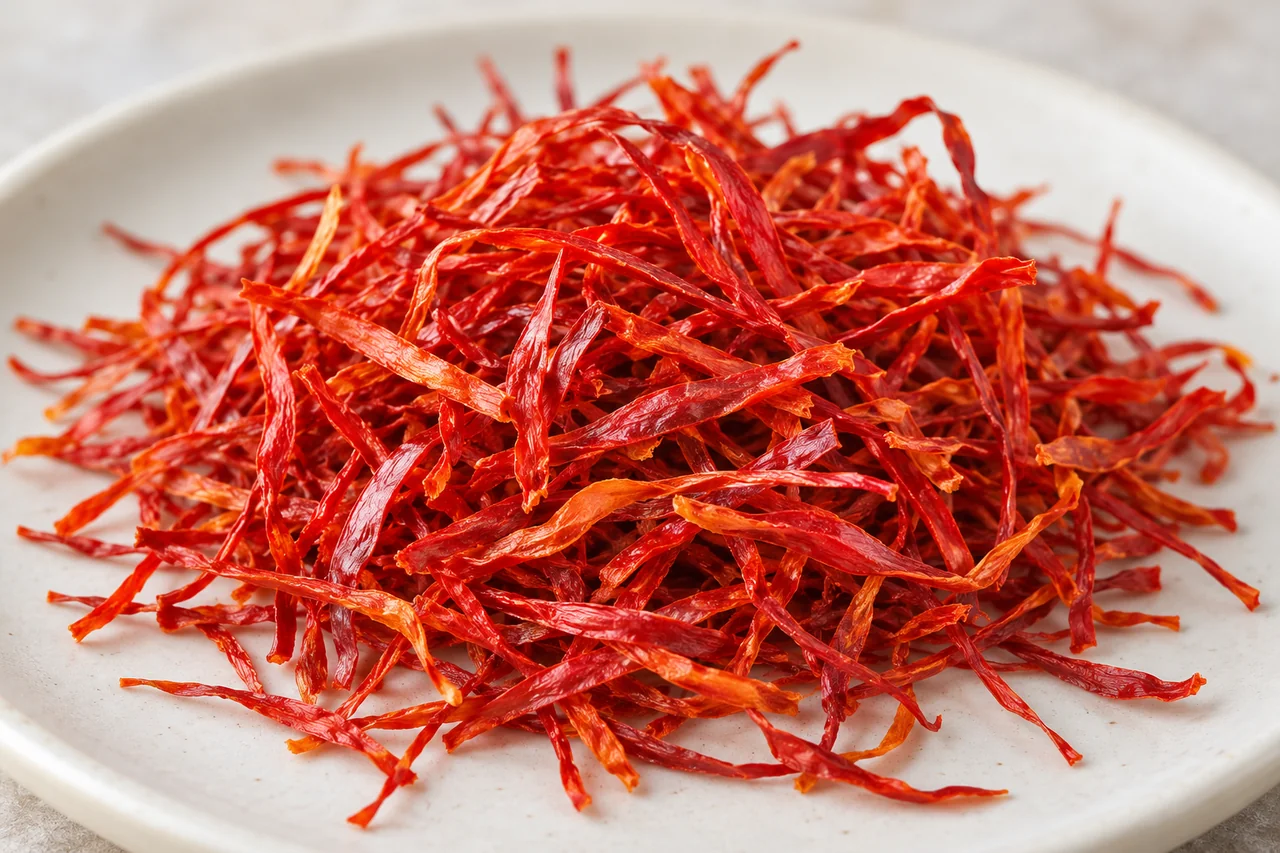
T3001 gives a 0.5 mm specification and graininess reference. T3006 gives 2–3 mm in both fields. The measured axes are not established: neither is automatically thread width, thickness or length. Do not combine them into a width-and-length pair or advertise them as two confirmed width grades. Request the length, width and thickness information your presentation actually needs, with an applicable method and representative distribution. A supplier response should resolve those axes for the offered preparation rather than merely repeat the same ambiguous millimetre notation.
Ingredients to compare for this application
T3001 threads for the lower heat reference
Compare at the intended garnish amount when a visible thread is wanted without selecting the stronger listed heat role.
- 3,000–5,000 SHU reference.
- 0.5 mm specification and graininess entries require the measured dimension to be defined.
- Raw and AD descriptors; 24 months with cool, dry storage.
T3006 threads for a stronger pepper role
A separate cooking-thread comparison where the higher declared heat reference fits the intended portion.
- 20,000–35,000 SHU reference.
- 2–3 mm specification and graininess need actual axes and a selected preparation.
- Written use for cooking; 24 months with cool, dry storage.
These product specifications are a starting point for selecting a grade. Match the proposed material and sample to your food and order requirements.
Connect the thread cut to portioning and bite
Separate short fragments from clumps; they create different portioning problems.
| Choice | Supplied-material criterion | Serving comparison |
|---|---|---|
| Dimensions | Actual axis behind each written reference | Appearance at the intended portion |
| Fragments and clumps | Defined thread and handling condition | Separation during normal portioning |
| Heat role | Selected material and full SHU reference | Local bite in the complete food |
| Addition point | Order-selected ingredient treatment | Cooking addition or post-cook garnish |
Cutting creates elongated pepper pieces; handling can add short fragments and fines. A clump can distort portion size without individual pieces breaking. Sieving selects fractions but does not describe every thread's length, width and thickness.
Use our internal particle and moisture checks to identify the preparation. Keep T3001's 0.5 mm and T3006's 2–3 mm references separate until the axes and methods are defined. Relevant external SHU evidence should match the selected thread. Compare normal portioning and actual oil, water or moist-food contact, examining separation, fragments and local bite. If the intended visible amount is too hot, compare the lower-heat role instead of reducing the garnish until it disappears.
Keep the two heat references separate
Excessive local heat may require another heat role rather than a nearly invisible garnish.
- 01T3001 heat
3,000–5,000 SHU is the full ingredient reference, subject to actual grade and method.
- 02T3006 heat
20,000–35,000 SHU is a different role, not a higher quality score.
- 03Visible portion
Judge local bite at the intended garnish amount before changing cut or dose.
T3001 states 3,000–5,000 SHU; T3006 states 20,000–35,000 SHU. Retain the complete ranges and establish actual grade, method and lot applicability. These are substantially different ingredient heat roles, not a ranking of thread quality. For a small plated garnish, compare both visual amount and local bite rather than using the whole dish’s average heat as the only endpoint. If a more pungent thread is attractive at the desired visible portion but produces excessive burn, reducing it may also remove the presentation. A lower-heat role is then a relevant alternative.
Follow breakage through handling and repacking
Compare the same portioning and repacking route before attributing fragments to the supplier.
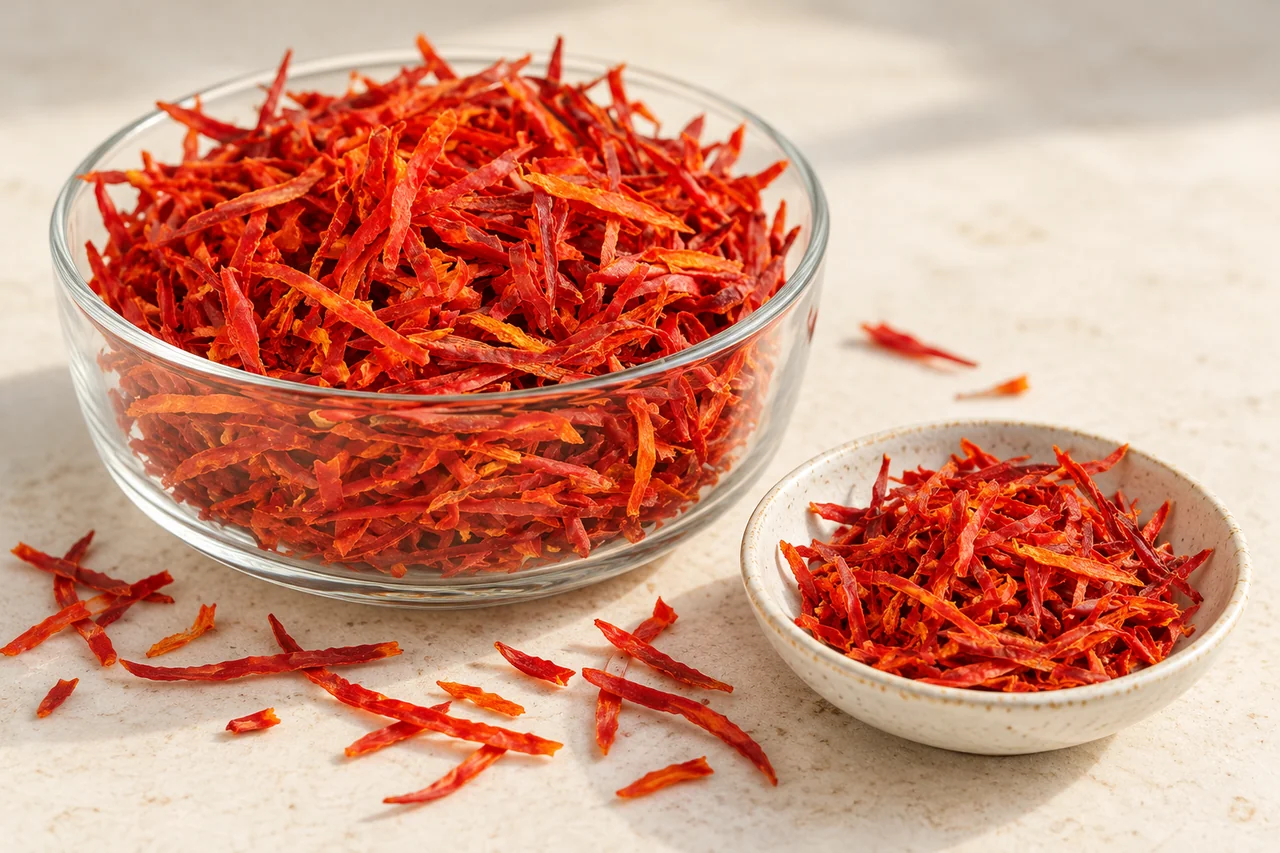
Follow the material through opening, portioning and any repacking that actually occurs in your operation. Compare the original and handled mixture of intact threads, fragments and clumps. Keep the same portioning tool and method during the first material comparison so a handling change is not mistaken for a supplier difference. Inspect the carton configuration reaching you, not a nominal package name alone. A 24-month storage reference is not evidence of resistance to fragmentation, and we do not infer a transport breakage rate from the dry image.
Inspect the thread at the real food endpoint
Inspect separation and skin sensation after the actual contact with moist food.
- 01Opening and portioning
Compare intact threads, fragments and clumps before food contact.
- 02At service
Assess separation, curl and skin sensation after the real preparation and contact route.
Inspect separation, curl, bite and colour at the intended serving point. Original research on red-pepper thermal drying found changes in colour, microstructure and aroma with drying duration. It does not establish the history or performance of these threads. The useful implication is to assess the actual prepared material instead of treating all red sliced chili as functionally identical. On the food, distinguish a thread that sticks into a clump from one that softens acceptably, and separate handling fragments from changes that appear only after contact with the dish.
Select the thread treatment for the actual use
Select the thread treatment for the addition point rather than infer ready-to-eat status.
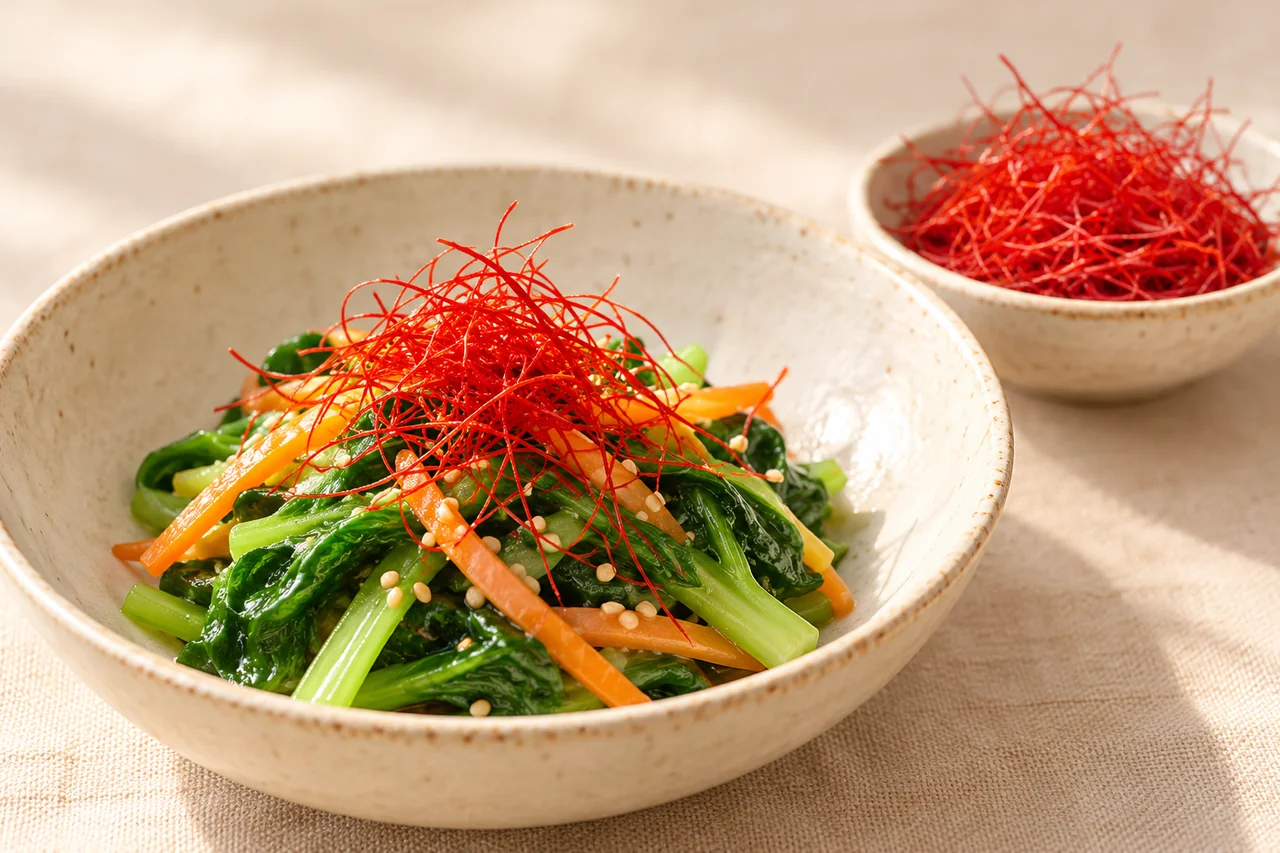
RELIA SPICES has in-house steam microbial-reduction equipment used according to order requirements. Agree the actual thread process and applicable external microbiological evidence, particularly for a post-cook garnish. The listings' raw and AD descriptors do not select execution for every lot; AD remains the written descriptor rather than an expanded drying claim. Both give 24 months cool and dry, with actual conditions and package applicability to establish. Those ingredient declarations do not determine plated-food life or establish a guaranteed intact-thread percentage or ready-to-eat status.
Compare a complete thread offer
Compare dimensions, heat and handling scope as one identified preparation.
- ✓Measured axes
Resolve 0.5 mm and 2–3 mm independently; neither is an established width grade.
- ✓Material and heat
Specify the actual cut, full composition and selected pungency role.
- ✓Handling scope
Connect treatment, intactness categories and package to the proposed material.
Compare a complete thread offer with dimensions, heat role, intactness categories, composition, actual treatment and selected package. If an offer uses only the term 0.5 mm, resolve the axis before treating it as an alternative to an accepted thread. If the cut is defined but fails portioning or the served-food bite, choose another preparation rather than accepting the number because it sounds fine. Keep commercial style, botanical identity and growing origin distinct. None of those extra qualifications is established by the Ito Togarashi name.
Send your plated thread reference
Send the presentation, measured dimensions and intended portion with the candidate.
- 01Show the presentation
Provide the food, addition point and intended visible portion.
- 02Define the cut
State the dimensions and intact-thread, short-fragment and clump criteria.
- 03Choose the heat role
Discuss the actual T3001 or T3006 proposal and its applicable preparation records.
Share a plated or cooked-food photograph, the addition stage and the intended visible portion. State the dimensions to measure, acceptable short fragments and clumps, and the heat role. Link T3001 or T3006 so we can discuss the actual cut, selected treatment and package. Agree the sample comparison around that food rather than a style name alone.
- Foodservice or prepared-food position
- Independent dimension axes
- Intact-thread, fragment and clump criteria
- Heat and portion reference
- Handling and preparation route
- Treatment documents, quantity and package
Your next purchasing decision
Match a thread preparation to your plated food
Discuss T3001 or T3006 against one actual plated or cooked-food reference.
Send the plated reference, addition point and dimensions requiring definition to Qingdao Relia Spices Co., Ltd. / RELIA SPICES. Name T3001 or T3006 and keep heat and presentation priorities separate.
The enquiry page keeps this guide with your message. Add your quantity and destination so we can discuss the relevant material.