
Chili Powder for Cold-Mixed Pumped Marinades
For a cold-mixed marinade, choose powder that wets into your actual liquid and remains useful through waiting, pumping and application. RELIA SPICES offers colour-led sweet paprika and a Cayenne option with a separately selected heat profile. Compare them at the same recipe dose before adjusting the formula. Send the liquid composition, holding stage and delivery path so the grind discussion addresses both the marinade and the meat.
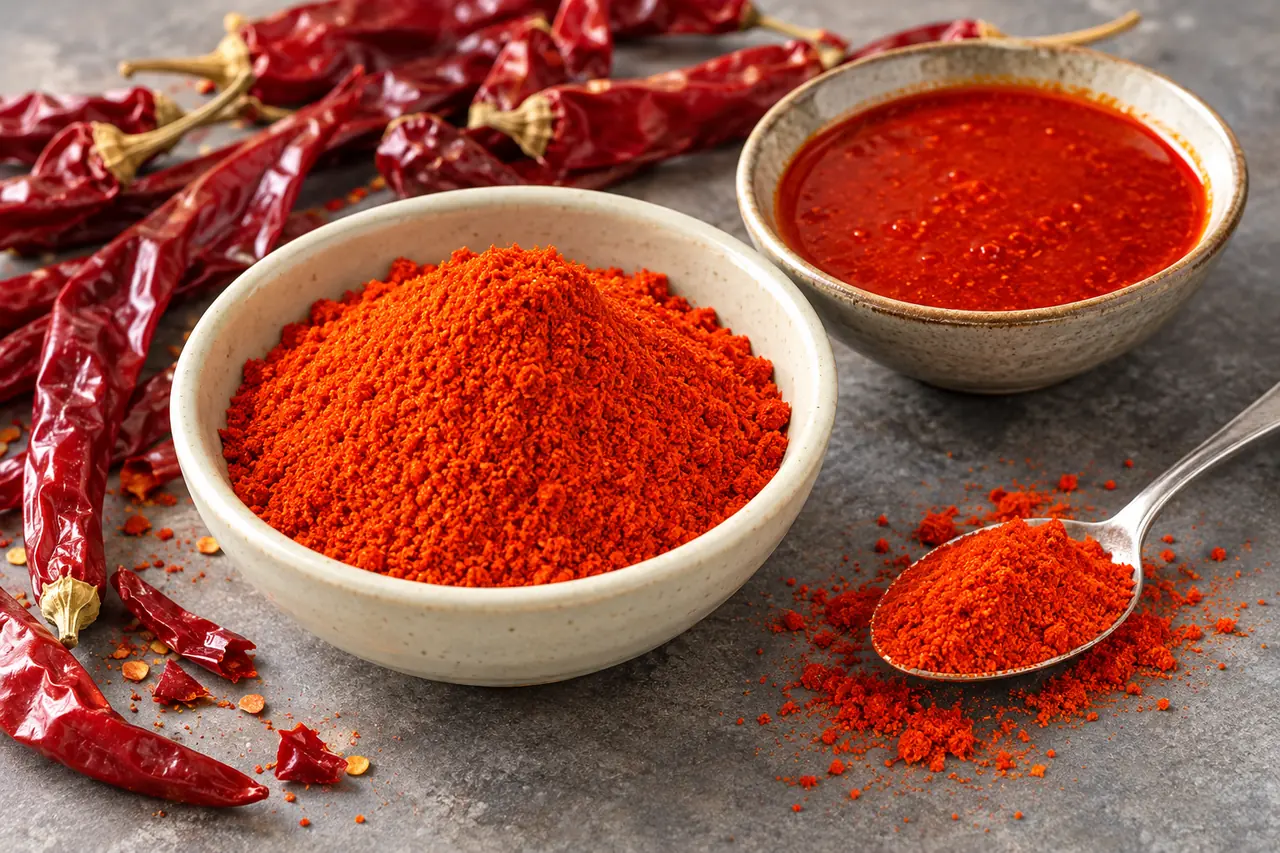
- Colour-led option
- Sweet paprika lists nominal 70 mesh, moisture ≤8% and an 80–220 ASTA customization scope.
- Pepper-profile option
- Cayenne lists nominal 60 mesh and qualitative heat choices; select the actual profile.
- Delivery check
- Compare freshly mixed, waiting and restart samples before approving the delivered meat result.
Select the pepper profile and the physical grind separately
Separate the required colour and heat profile from the physical grind.
- 01Pepper profile
Select colour, flavour and heat for the meat at the intended dose.
- 02Powder preparation
Agree the grind and relevant retained or passing fraction.
- 03Delivery behaviour
Assess the actual cold mixture through waiting, restart and application.
RELIA SPICES manufactures ground chili preparations from purchased dried peppers through in-house cleaning, foreign-matter removal, destemming, grinding, sieving and packaging. Sweet paprika powder lists nominal 70 mesh, moisture ≤8% and an 80–220 ASTA customization scope. Cayenne powder lists nominal 60 mesh, a separate 60–70 mesh customization scope, moisture ≤9% and qualitative heat choices. These are starting materials for different colour and pepper-profile needs, not proof that one will pump better.
We check moisture and particles internally and use outside laboratories for ASTA, SHU and microbiology. In-house steam microbial reduction is applied according to order requirements. Share persistent coarse particles, clumps and the actual delivery restriction separately so we can discuss a useful supplied grind without changing your marinade's functional ingredients by assumption.
Build the comparison around the real marinade
Water, oil, salt, acidity and other ingredients belong in the comparison.
| Condition | Include in the sample brief | What it helps distinguish |
|---|---|---|
| Liquid and functional ingredients | Actual water–oil composition, salt, acidity and other ingredients | Powder wetting from a change in the marinade itself. |
| Powder and addition | Named material, dose and mixing sequence | A clump or coarse fraction from a different preparation route. |
| Waiting and delivery | Actual temperature, rest period, agitation and outlet path | Initial mixing from restart and delivered-food performance. |
Use the actual water–oil composition, salt content, acidity and other functional ingredients. Keep powder dose, addition order, mixing and temperature consistent in the first comparison. A plain-water cup can reveal an observation, but it cannot approve a powder for a different marinade. Extra liquid or a new mixing sequence creates a second recipe route and needs its own food check.
Ingredients to compare for this application
Sweet paprika powder for a colour-led marinade
Start here when a red pepper background is needed with colour and heat specified separately.
- Nominal 70 mesh and a separate 60–70 mesh customization scope.
- Moisture ≤8%; 80–220 ASTA is a customization scope, not an individual lot result.
Cayenne powder for a selected pepper profile
Compare when the marinade requires a defined pepper and heat character alongside physical delivery checks.
- Nominal 60 mesh, with a separate 60–70 mesh customization scope.
- Moisture ≤9%; Mild, Medium and Hot remain qualitative choices.
These product specifications are a starting point for selecting a grade. Match the proposed material and sample to your food and order requirements.
Distinguish dry clusters from the coarse particle tail
A wet clump with a dry centre differs from a persistent coarse piece.
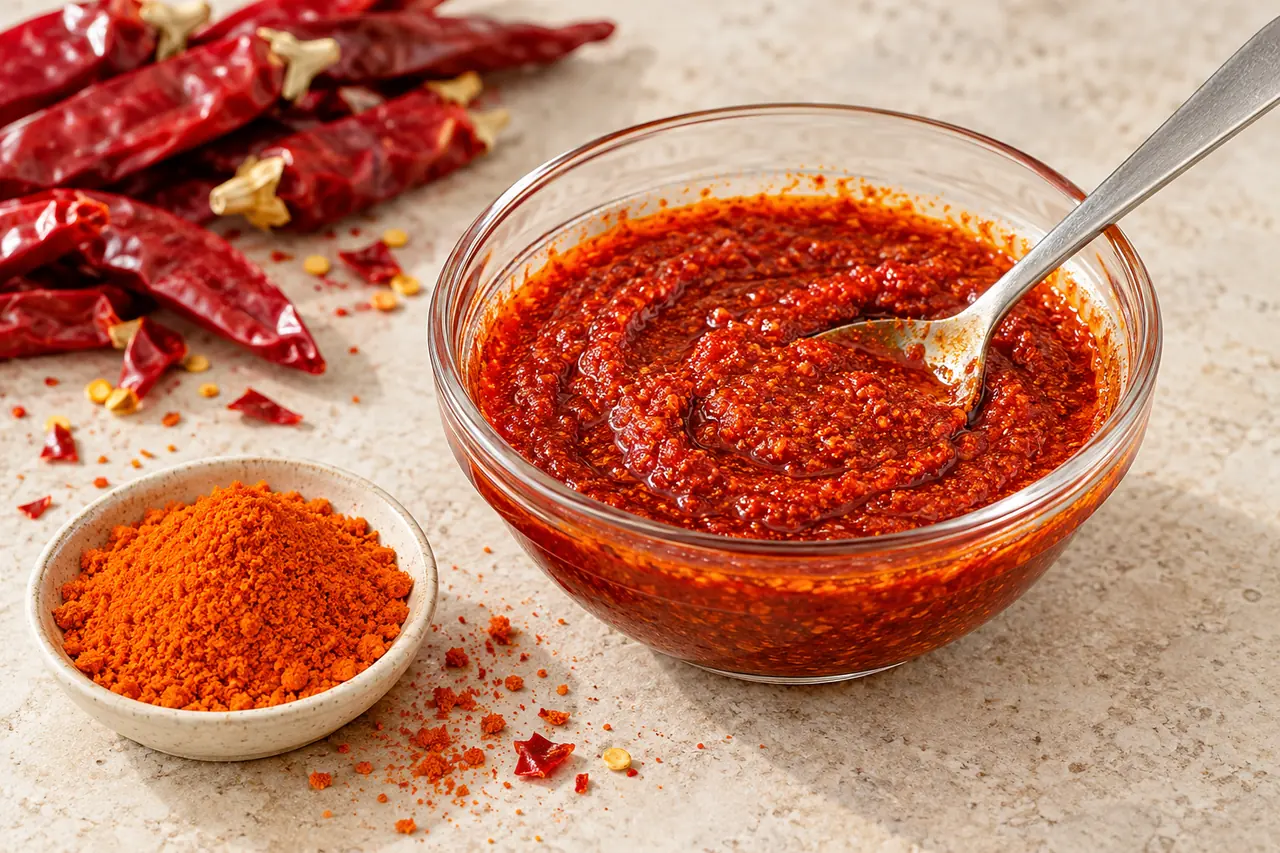
Inspect representative samples during addition and after mixing. Open clusters to see whether a dry centre remains; inspect persistent larger particles separately. A dry cluster may indicate a wetting or addition problem rather than the supplied cut. A genuine coarse particle will not disappear simply because mixing continues. Keep these findings with the actual preparation so the response can be targeted: a different addition method, an agreed distribution or a different material, rather than an indiscriminate request for a finer number on the bag.
Compare initial wetting with waiting and restart
Inspect the mixture after waiting and through restart delivery.
- 01After mixing
Inspect wetting, clusters and the starting colour distribution.
- 02After waiting
Observe separation and particle distribution before normal restart agitation.
- 03Through delivery
Compare early, middle and late output, then the prepared meat.
A mixture can change while waiting as wetting continues, particles redistribute or its flow response changes. Keep the formula and temperature fixed. Inspect it after mixing, again after the actual waiting stage and after ordinary restart agitation. Take early, middle and late delivery samples rather than relying on the surface of the vessel.
Distinguish oil separation from powder settling, and persistent particles from wet clumps containing a dry centre. A different grind, addition sequence or mixing step should solve an observed problem, then be checked on the meat. RELIA SPICES can use those observations to discuss the powder preparation; they do not turn chili into an emulsifier or establish a universal pump clearance.
Map the real restrictions and pumping action
Use the real pump, screens and outlets to assess relevant restrictions.
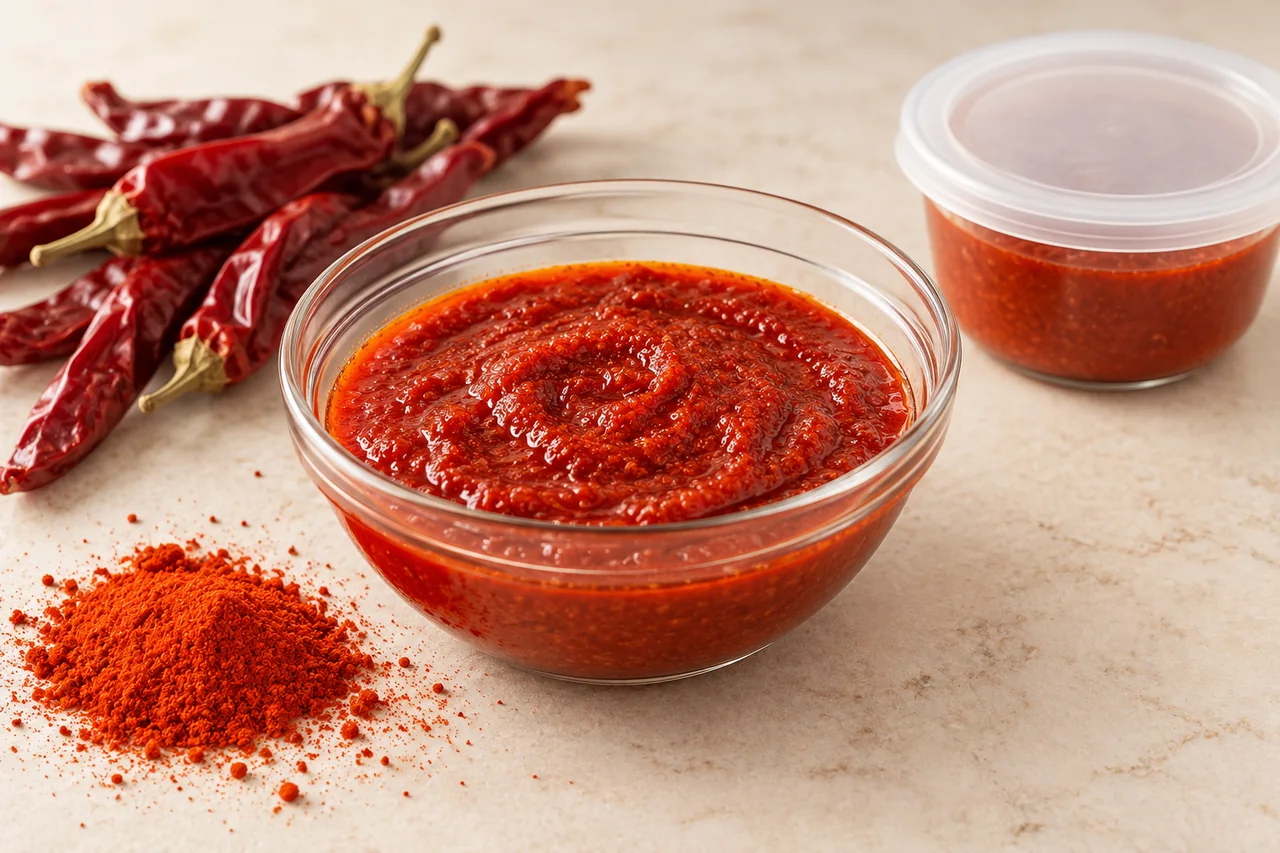
Identify the pump, valves, screens, fittings and delivery outlets that the marinade actually passes through. A nominal pipe size alone does not describe all restrictions. Inspect passage, interruption and material retained at relevant points without proposing a universal clearance rule. Keep any change in screen or operating condition as a separate trial. The aim is an identified powder that works through the route your operation is allowed to use, not a claim that any catalogue mesh value guarantees pumpability.
Check distribution through the delivery sequence
Compare early, middle and late delivery rather than one vessel sample.
- 01Start
Inspect the first representative delivered material after normal preparation.
- 02Run
Compare middle and late portions for colour and solids distribution.
- 03Restart
Check the actual pause and recovery action without hiding the rest condition.
Compare representative early, middle and late delivered portions after the normal preparation. Include a restart if it is part of production. Observe colour, visible solids and the intended flavour at a consistent sample basis, recording any change in the remaining vessel contents. Where oil separates, keep that observation distinct from powder settling; neither automatically proves that the powder is defective. Chili powder is not being offered here as an emulsifier. Judge the full formulation and mixing route rather than assigning every phase change to one ingredient.
Evaluate the meat after its intended preparation
Approve colour, flavour and particles on the meat after its actual preparation.
- ✓Application
Use the selected route and actual amount on a defined meat basis.
- ✓Preparation
Keep the real subsequent process with each candidate.
- ✓Food endpoint
Compare colour, flavour and particle sensation against the accepted reference.
Apply the marinade through the selected route and assess the food after the actual next steps. Use the same meat, application basis and cooking or other intended process for candidate comparisons. Inspect the intended colour, pepper character, heat and particle sensation. A marinade's attractive vessel colour does not establish its effect on the food, and a suitable pump trial does not approve microbiological safety. Keep the responsible technical team's ingredient and process controls separate from the application preference.
Make the operating cost comparison on a consistent route
Count measured extra work and interruptions in the accepted recipe.
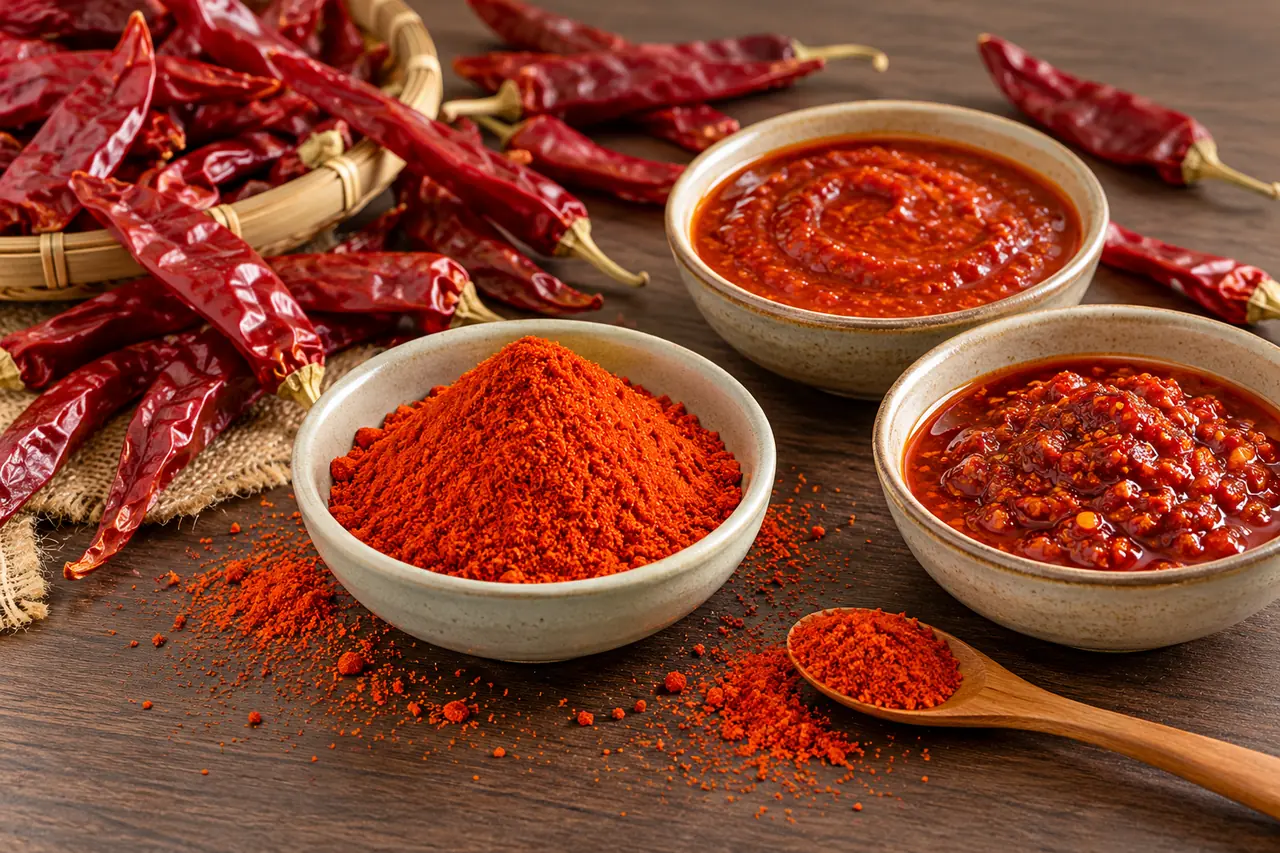
Compare measured extra mixing, screening, interruptions and discarded material where they occur on a clear basis. Keep marinade retained in equipment separate from losses attributed to a particular powder, and compare the same accepted meat outcome.
Cold mixing is not an ingredient microbial-reduction step. RELIA has in-house steam equipment used according to order requirements and outside-laboratory microbiology. Define that treatment handover and the selected package alongside the powder preparation; the marinade and meat retain their own approved process requirements.
Send a delivery-path marinade brief
Provide the liquid composition, mixing sequence, wait and meat endpoint together.
- 01Mixture
Provide liquid budget, powder dose and actual cold-mixing conditions.
- 02Delivery
Describe wait, restrictions, normal agitation and restart.
- 03Acceptance
Connect delivery observations with the actual food reference.
Send the formulation constraints, cold-mixing sequence, waiting interval and delivery path. We can discuss the selected powder, grind and sieve criteria, internal physical checks and requested treatment. Include delivered-portion and meat observations so the proposed ingredient fits the route actually approved.
- Marinade use and delivery route
- Liquid formula and inclusion level
- Cold mixing conditions
- Holding and restart pattern
- Pump passages and endpoint criteria
- Sample documents and package
Your next purchasing decision
Discuss a powder for your cold-marinade delivery route
A delivered-food reference gives the powder enquiry a practical acceptance target.
Bring the liquid boundary, rest and restart observations and the accepted food reference.
Include coarse-particle limits, pump-route information, desired pepper profile and ingredient treatment. We can use them to discuss a specific powder preparation and comparison.
The enquiry page keeps this guide with your message. Add your quantity and destination so we can discuss the relevant material.