
Whole Chili Pods for Mechanical Destemming and Sorting
Choose the incoming pod around the work your destemming line will perform. Compare New Generation's shorter 3–6 cm reference with Sanying's 7–9 cm reference, then specify the stem condition and material moisture your trial needs. We can supply an agreed preparation through our own cleaning and destemming operations. Send your feed constraints and classified rejects so the quotation separates our preparation from your equipment's recovery and capacity.
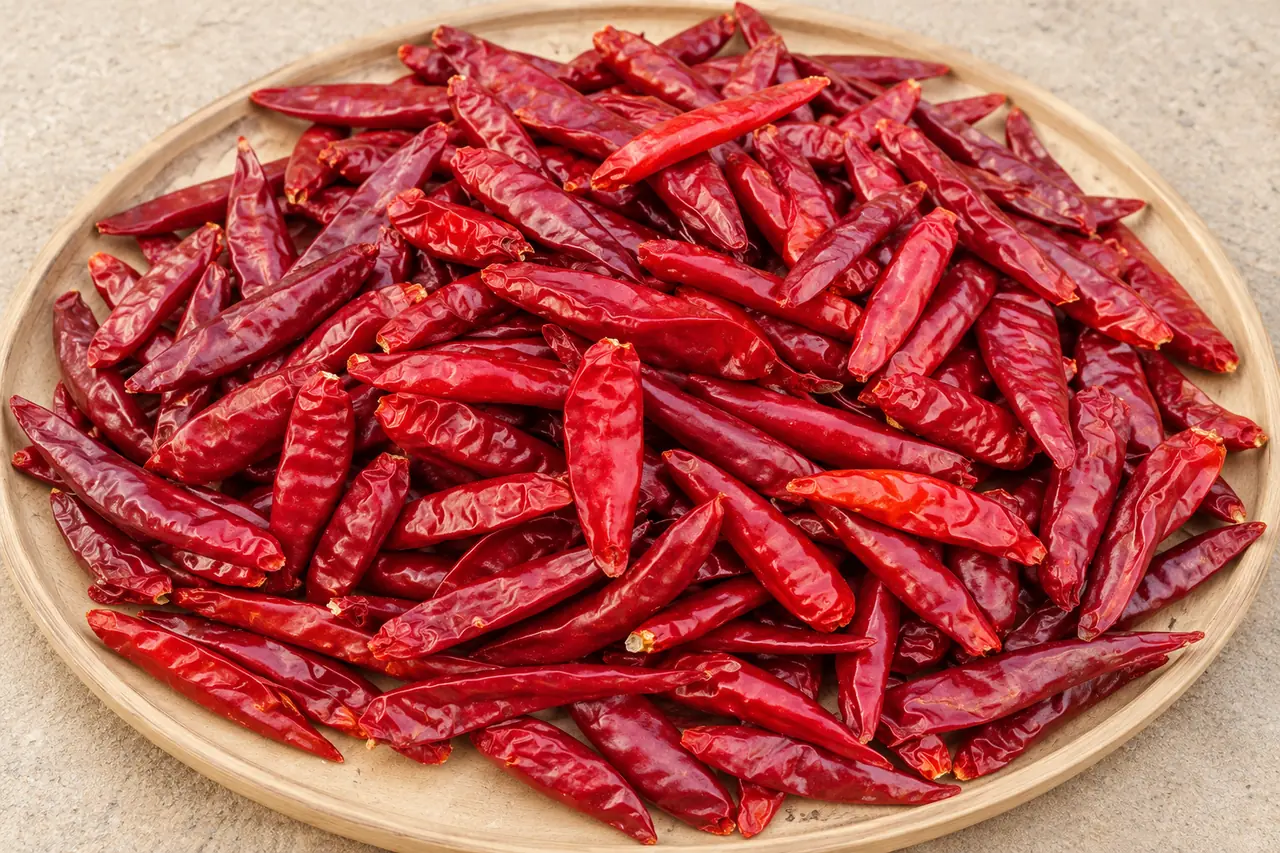
- Shorter pod candidate
- New Generation lists 3–6 cm and 12–14% moisture; select the actual stem condition.
- Longer pod candidate
- Sanying lists 7–9 cm, moisture 12% maximum and broken rate 1% maximum.
- Preparation boundary
- Price our agreed preparation; measure your own machine's recovery separately.
Choose our preparation or your destemming input
Our destemming capability prepares the ingredient; your machine trial establishes its equipment fit.
- 01Feed geometry
Set relevant pod length, width, curvature and stem presentation from your actual equipment.
- 02Incoming condition
Identify stems, calyx, broken material and actual moisture before the trial.
- 03Output classes
Define accepted pods, residual stems and false rejects before calculating results.
At RELIA SPICES, we clean and destem purchased dried chilies in-house, then grind or cut, sieve and pack the agreed preparation. For a ready-prepared ingredient, include that work in your quotation. For your own destemming trial, specify the stem and calyx condition you need at the feed point; a stemless sample cannot represent a stemmed-input trial.
We check moisture and particle size internally. SHU, ASTA and microbiology use external laboratories, and in-house steam microbial reduction is selected according to order requirements. These services support the supplied material; your equipment run determines removal efficiency and throughput.
Compare pod distributions rather than names
A shorter average pod does not describe curvature, stem attachment or the full feed distribution.
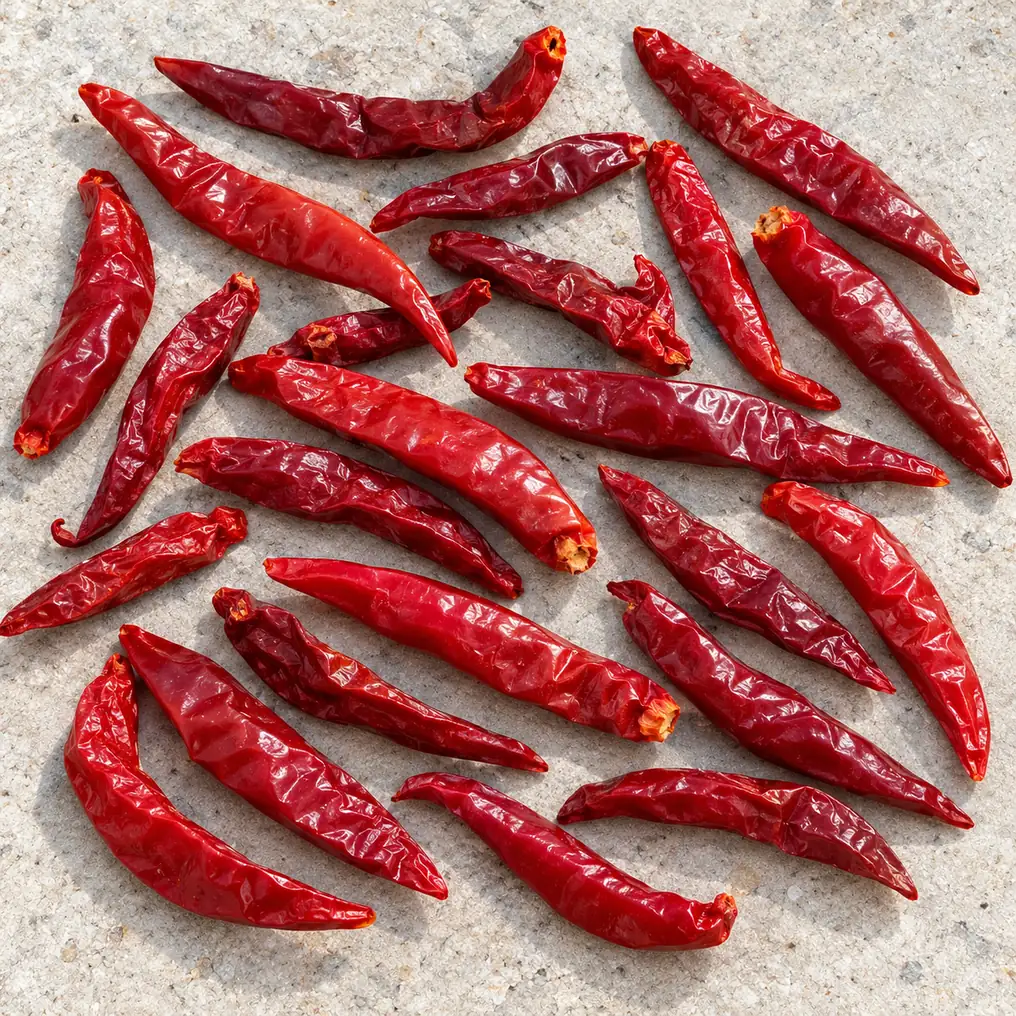
New Generation pods give a 3–6 cm reference, while Sanying red chili gives 7–9 cm. Their shapes and distributions still need measurement; those entries do not tell you curvature, maximum width or stem length. New Generation states stemless or stem cut without selecting the actual condition. The other whole red chili listing supports intact wrinkled pods but supplies no established pod-length value. Ask for representative preparation matching the line’s real input, rather than a visually convenient sample.
Ingredients to compare for this application
New Generation dried pods
Start here when the shorter declared pod range fits the line input you need to evaluate.
- Size reference 3–6 cm.
- Moisture 12–14%.
- Stemless or stem-cut description; actual condition must be selected.
Sanying dried red chili
Use as a separate longer-pod comparison rather than treating all whole chilies as one feed material.
- Size 7–9 cm.
- Moisture 12% maximum.
- Broken rate 1% maximum; impurity 0.3% maximum.
These product specifications are a starting point for selecting a grade. Match the proposed material and sample to your food and order requirements.
Keep stems, broken pepper and false rejects separate
Separate lost useful pepper from removed stems before judging the economics.
| Stream or criterion | Meaning | Purchasing use |
|---|---|---|
| Residual stem and calyx | Unremoved plant parts | Define the actual acceptance basis |
| Broken pods and loose seeds | Changed useful-material fraction | Do not hide damage inside impurity |
| Foreign matter | A separate unwanted-material category | Apply the agreed material definition |
| Accepted and false-reject pods | Buyer-line output categories | Measure actual recovery without a supplier efficiency promise |
Destemming removes unwanted plant parts, but useful pepper can leave with the reject stream. Keep residual stems, attached calyx, broken pods, loose seeds and foreign matter in separate categories. Otherwise a better removal figure can hide a more expensive loss of usable material.
Sanying lists broken rate at 1% maximum and impurity at 0.3% maximum; New Generation lists impurity at 1% maximum. These are ingredient references, not residual-stem tolerances or machine results. Use actual moisture and representative input when comparing your accepted and rejected streams. The cited destalking research explains why material geometry and condition matter, but its operating results do not establish performance for either your machine or ours.
Observe feeding before judging destemming
Uneven feeding can create breakage that stronger stem removal will not solve.
- 01Hopper and feed
Observe bridging, clumps and inconsistent orientation before judging the cutter.
- 02Working mechanism
Separate missed stems from pods damaged during removal.
- 03Discharge
Inspect useful pods in the reject stream and stems remaining with accepted material.
Observe feeding before interpreting the removal result. Compare orientation, bridging and bunches reaching the working mechanism under the same actual line setup. Note where pods first break: loading, orientation, stem removal or discharge. A short pod that feeds evenly and a curved longer pod that arrives in clumps are not distinguished by an average length alone. If the line cannot present the stem reliably, escalating the cutting action may hide the feed problem while creating more damage. Treat that as a trial diagnosis, not a universal machine adjustment.
Classify the output with a common measurement basis
Count usable pods in rejects as well as stems left in accepted material.
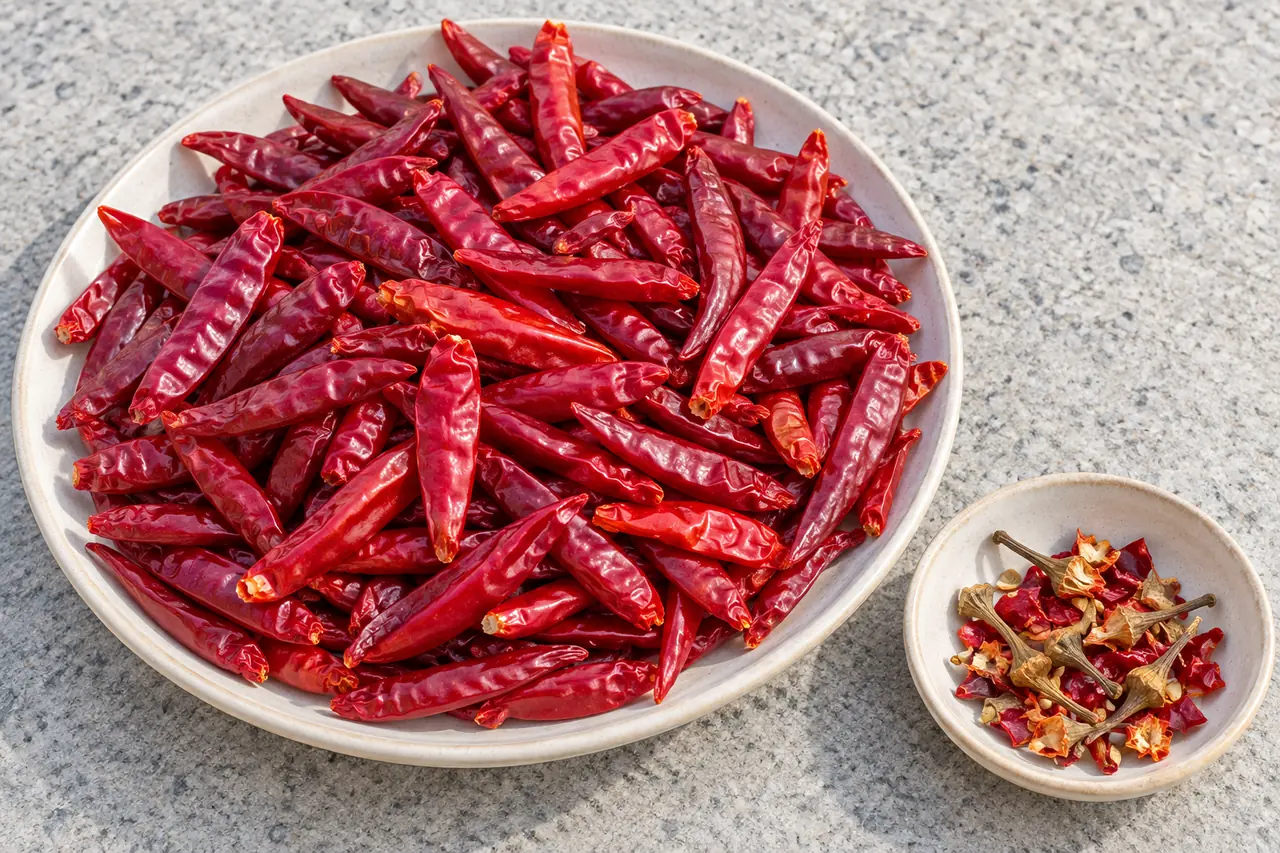
Collect accepted pods, residual-stem defects, loose stems, broken material and false rejects using the same sampling boundary. Examine the reject stream for usable pods as well as the accepted stream for stems. Keep actual input quantities and the classification method with the comparison so different denominators do not create misleading efficiencies. If a second pass is part of your existing route, compare it explicitly rather than silently counting it as first-pass performance. We supply no assumed recovery rate; the purchasing decision should use what your own controlled run demonstrates.
Keep lot condition with the line comparison
Keep actual moisture with the trial instead of choosing by catalog limits alone.
- 01Written limits
Sanying gives 12% maximum; New Generation gives a 12–14% range.
- 02Line comparison
Retain actual lot moisture and buyer preparation; no research optimum is transferred to these pods.
Sanying states moisture at 12% maximum; New Generation states 12–14%. These are separate listing declarations, not proof that one candidate is mechanically superior. Review the actual lot result and condition reaching the equipment. The destalking study also describes a relationship between moisture and breakage in its test material, which is a reason to retain material condition in your trial. It does not justify conditioning these products to that study’s values. Keep any buyer preparation visible when comparing runs or discussing an incoming specification.
Approve treatment independently of mechanical appearance
Physical cleaning and order-selected steam treatment answer different quality needs.
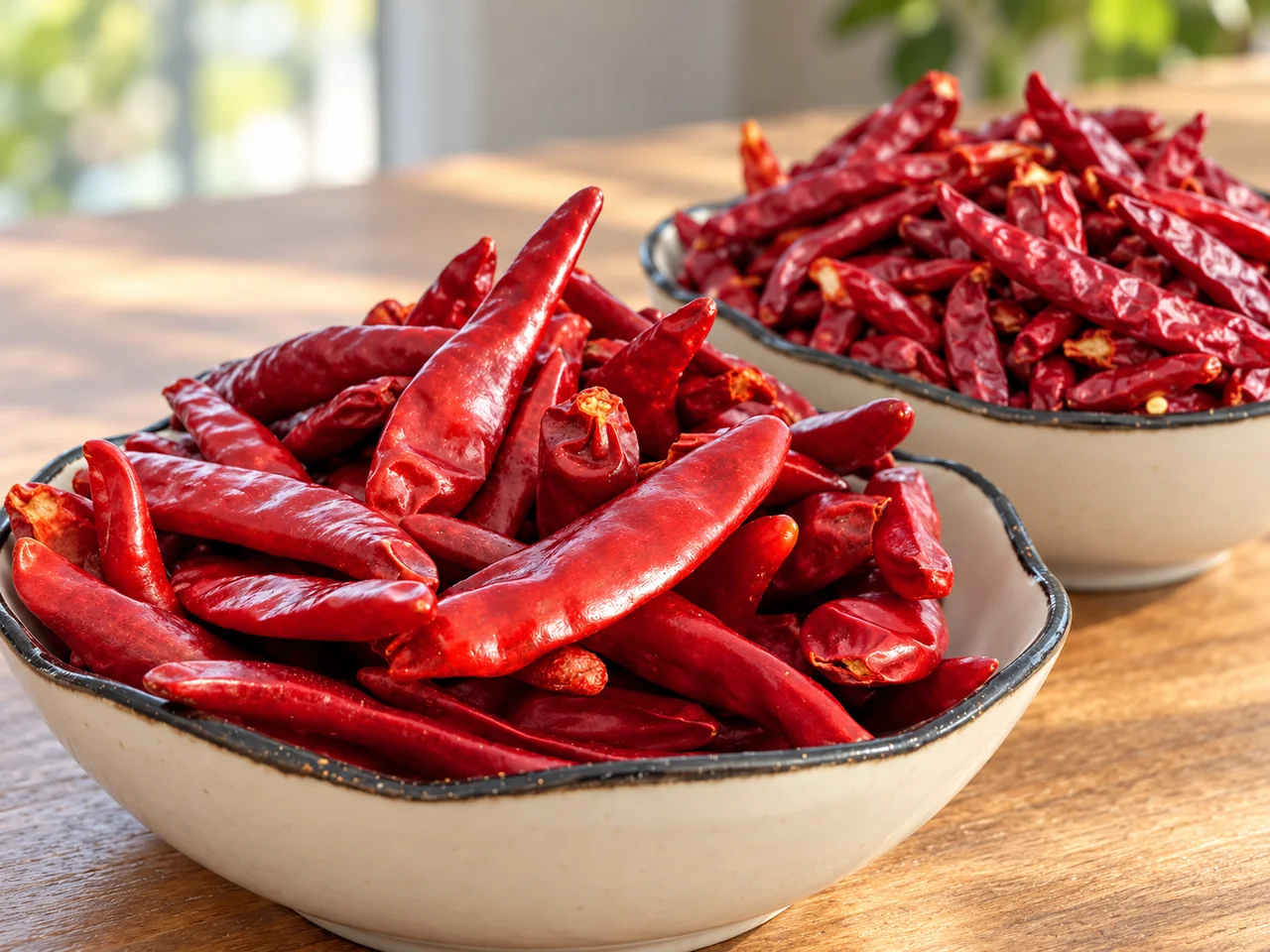
Our in-house steam microbial-reduction equipment is used according to order requirements, separately from cleaning and destemming. Ask for the actual selected material's process and applicable external microbiological evidence. New Generation's clean-before-eating instruction, the other whole pod's do-not-eat-directly instruction and Sanying's raw/AD descriptors still need usable preparation context. A visibly clean output from either factory preparation or your machine is not alone evidence of microbial reduction or ready-to-eat approval. Internal moisture and physical checks and external specialist tests answer different receiving questions.
Compare line-trial offers without an equipment guarantee
Compare offers on the same preparation and output definitions.
- ✓Same input
Match the stem state, geometry and actual prepared material that entered the comparison.
- ✓Same output basis
Keep residual stems, breakage and false rejects separate.
- ✓Same responsibility
Price the agreed supplier preparation while qualifying capacity on your own equipment.
Compare offers using the input your team actually tested, with a defined stem condition and document scope. Include false rejects and breakage in the economic comparison rather than only accepted output. A higher apparent removal rate can be unhelpful if too much usable pepper leaves with the reject stream. Do not ask a supplier to guarantee your line’s capacity from a catalog size. Instead, request the preparation and consistency information relevant to the interface, then qualify performance and operating limits on your own equipment.
Send the feed condition and the result you need
A photograph of the failure and your feed constraints make the enquiry specific.
- 01Describe constraints
Share feed geometry and the stem condition your mechanism expects.
- 02Show the failure
Provide classified input and output photographs, including the reject stream.
- 03Discuss supply
Request the actual pod preparation and its applicable material and quality information.
Name the New Generation or Sanying candidate and tell us which preparation you want us to supply. Include pod geometry, required stem attachment, actual moisture basis and any feed restriction. Add photographs showing accepted pods, breakage and the reject stream. We can then discuss the material preparation, relevant tests, package and sample scope while your team qualifies the equipment result.
- Actual line input constraints
- Pod axes and shape distribution
- Incoming stem and residual-stem definition
- Moisture, broken and unwanted fractions
- Line-trial sampling and output categories
- Documents, quantity and package
Your next purchasing decision
Agree the destemming responsibility before choosing pods
Ask for the pod preparation your next operation actually needs.
Contact Qingdao Relia Spices Co., Ltd. / RELIA SPICES with the intended preparation boundary. Distinguish a cleaned, destemmed food input from stemmed pods required to evaluate your own equipment.
The enquiry page keeps this guide with your message. Add your quantity and destination so we can discuss the relevant material.