
Selecting Chili Ingredient Suppliers with Clear Specifications and Lot Records
Choose the proposed powder or flakes first, then request the few records that decide whether they fit your food. A specification states the target; a sample result describes tested material; order-lot evidence comes later. Start with the paprika, Cayenne or Gochugaru candidates below. Send the ingredient, intended use and critical criteria so we can connect the manufacturing proposal to useful evidence.
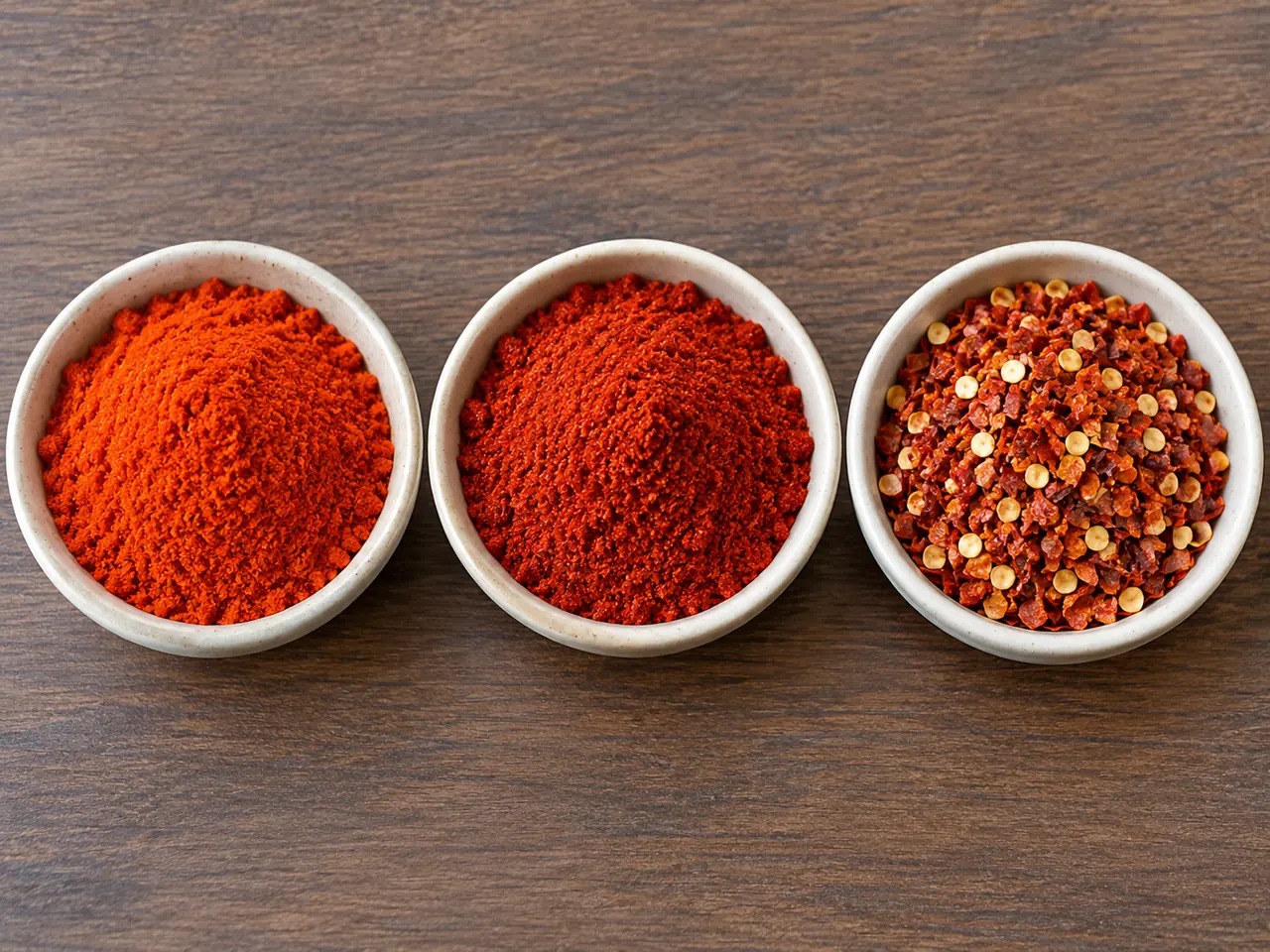
- Identify the ingredient
- Paprika, Cayenne and Gochugaru have different particle, composition and condition references.
- Read the right record
- A catalogue limit is a purchasing target, not a completed lot result.
- Match the sample stage
- Evidence should describe the preparation and material you propose to receive.
Use a Shortlist Filter Before a Full Qualification Package
Use the food task and critical criterion to narrow the supplier shortlist.
- 01Material fit
Check form, composition and the intended-use requirement first.
- 02Grade fit
Compare the attributes that determine whether the material deserves a trial.
- 03Order fit
Use actual lot and pack evidence when progressing toward acceptance.
RELIA SPICES prepares powders and dried chili in-house and can connect the proposal to our manufacturing route. Routine moisture and particle checks are internal; ASTA, SHU and microbiological analyses go to laboratories. Our steam equipment is available for agreed order requirements.
Begin with the paprika, Cayenne or Gochugaru form your food needs. Choose the criterion that could rule it in or out, then request the relevant material and analytical information. This gives you a more useful first comparison than an unrelated certificate bundle.
Use the Powder Listings as Concrete Specification Examples
Keep each powder's colour, particles and composition on its own line.
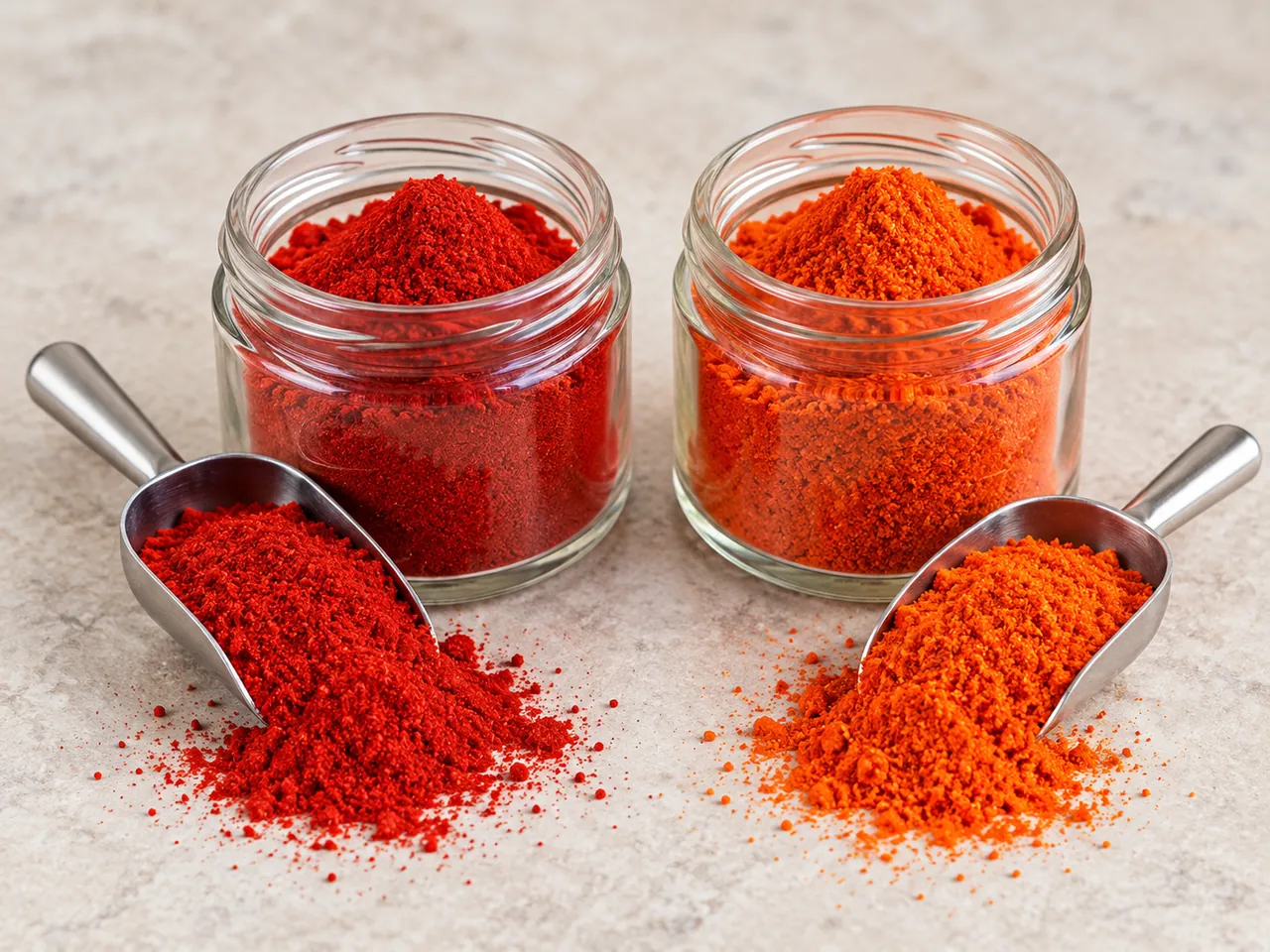
The sweet paprika powder provides nominal 70 mesh, an 80–220 ASTA scope and moisture ≤8%. The Cayenne red pepper powder has nominal 60 mesh, no-additives wording and a moisture limit of ≤9%. Their particle, colour and composition declarations describe different aspects of different materials.
These examples show why a supplier reply should name one actual grade. Do not take the colour range from one product, the heat description from another and the storage period from a third. The useful proposal keeps the selected ingredient and its relevant criteria together.
Ingredients to compare for this application
Paprika specification example
Use to compare a colour-led powder proposal with separate grind and moisture criteria.
- Nominal 70 mesh.
- 80–220 ASTA customization.
- Moisture limit: ≤8%.
Cayenne composition example
Use when no-additives composition and a selected powder heat character both affect acceptance.
- Dried red pepper and no additives declared.
- Nominal 60 mesh.
- Moisture limit: ≤9%.
Gochugaru coarse-flake example
Use to define separate particle, moisture and impurity checks for kimchi or dipping preparations.
- 5–8 mesh reference.
- Moisture ≤8%; impurity ≤0.3%.
- Kimchi and hotpot dipping are described uses.
These product specifications are a starting point for selecting a grade. Match the proposed material and sample to your food and order requirements.
Keep Three Flake Criteria Separate
Flake size, moisture and impurity are separate criteria, not substitutes for one another.
| Flake criterion | Catalogue starting point | Decision-specific basis |
|---|---|---|
| Particle preparation | 5–8 mesh | Actual sieve distribution and cut required |
| Moisture | ≤8% | Applicable method and result |
| Impurity | ≤0.3% | Defined extraneous-material classification |
The Gochugaru listing gives a 5–8 mesh reference, moisture ≤8% and impurity ≤0.3%. The first concerns particles, the second water content, and the third defined extraneous material. Impurity is not a fines limit or a seed-content measurement.
Ask suppliers to use the same definitions for each criterion. A coarse appearance does not resolve your fine-fraction requirement, and a moisture result cannot define an unexplained cut. Leave an unclear unit unresolved rather than converting it into a plausible-looking acceptance value.
Distinguish a Limit from a Result
Read a specification limit differently from a tested-sample result.
- 01Specification
Use it to define the proposed grade and the acceptance requirement.
- 02Sample result
Read the actual finding with its sample identity and method.
- 03Supply lot
Connect order-stage evidence to the identified material lot.
A specification limit says what material is intended to meet. A laboratory result says what was found in the identified sample using a stated method. A useful supplier reply makes that distinction visible rather than placing a catalogue limit in a column that looks like a completed batch result.
When a supply lot has not been assigned, review the proposed grade first and identify which results will be needed later. This is a normal sequencing issue, not proof of poor material. What matters is that the evidence used for the next decision describes the material actually under review.
Inspect the Material Before Interpreting the Paperwork
Use a visible-material check to catch mismatches, not to infer analytical values.
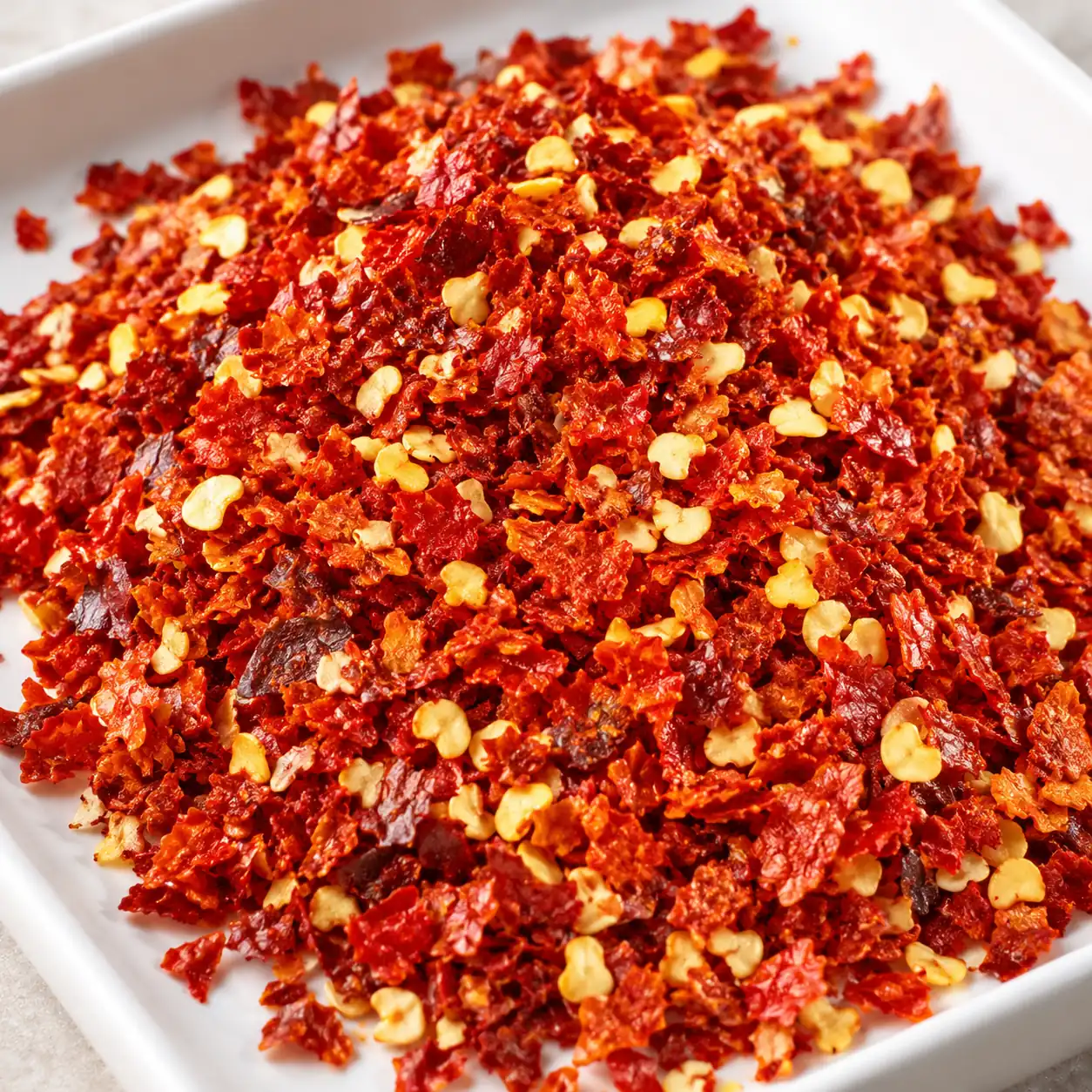
Spread powder or flakes in an appropriate clean sample dish and compare the visible form with the description. Observe particles, seeds, obvious extraneous material and any unexpected aroma using the buyer normal review procedure. These checks can identify a material mismatch before a costly application trial.
Keep the visual check within its limits. Appearance cannot demonstrate an analytical colour value, complete composition or treatment outcome. Use it to confirm that the records and the physical sample refer to a plausible common material, then investigate the criteria that require analysis or process evidence.
Sample the Output That the Purchase Will Actually Receive
Request evidence for the preparation and material stage you will actually receive.
- 01Identify the output
Name the powder or cut and selected preparation.
- 02Locate the sample
Record the material stage and sample or lot reference.
- 03Read the right result
Separate internal physical tests from relevant external analysis.
- 04Check receipt
Compare the delivered identity and condition with the agreed scope.
Grinding changes particles, screening selects a fraction, and agreed steam treatment changes the supplied preparation. A result from another stage cannot automatically describe the final material.
RELIA SPICES performs physical preparation and has in-house steam equipment for order-specific use. Routine moisture and particle tests are internal; ASTA, SHU and microbiology go to laboratories. Identify the material and stage the requested result must cover.
Connect the sample reference, preparation, method and report to the proposed ingredient. At receipt, also check identity, package and visible condition: laboratory analysis cannot describe a damaged pack or an unexpected cut. This keeps the evidence useful without assuming test frequency or laboratory accreditation.
Request Treatment Evidence for the Actual Food Use
Keep treatment evidence separate from certificate holder, scope and validity.
- 01Food-process control
Relate preparation or treatment evidence to the actual point of use.
- 02Certificate requirement
Check the specific document coverage instead of counting logos or claims.
RELIA SPICES has in-house steam microbial-reduction equipment and uses it according to the order requirement. Tell us where the ingredient enters the food process and which supplied preparation your assessment requires. Microbiological analysis is outsourced; the result still needs to identify the material tested rather than standing in for every later delivery.
Where a specific certificate is required, inspect its holder, scope and validity separately. It does not replace a lot result, and a lot result does not demonstrate the coverage of a quality-system certificate. Each document should answer a named procurement requirement.
Test the Handover to Goods Receipt
Check whether receiving staff can identify the material and any reason to hold it.
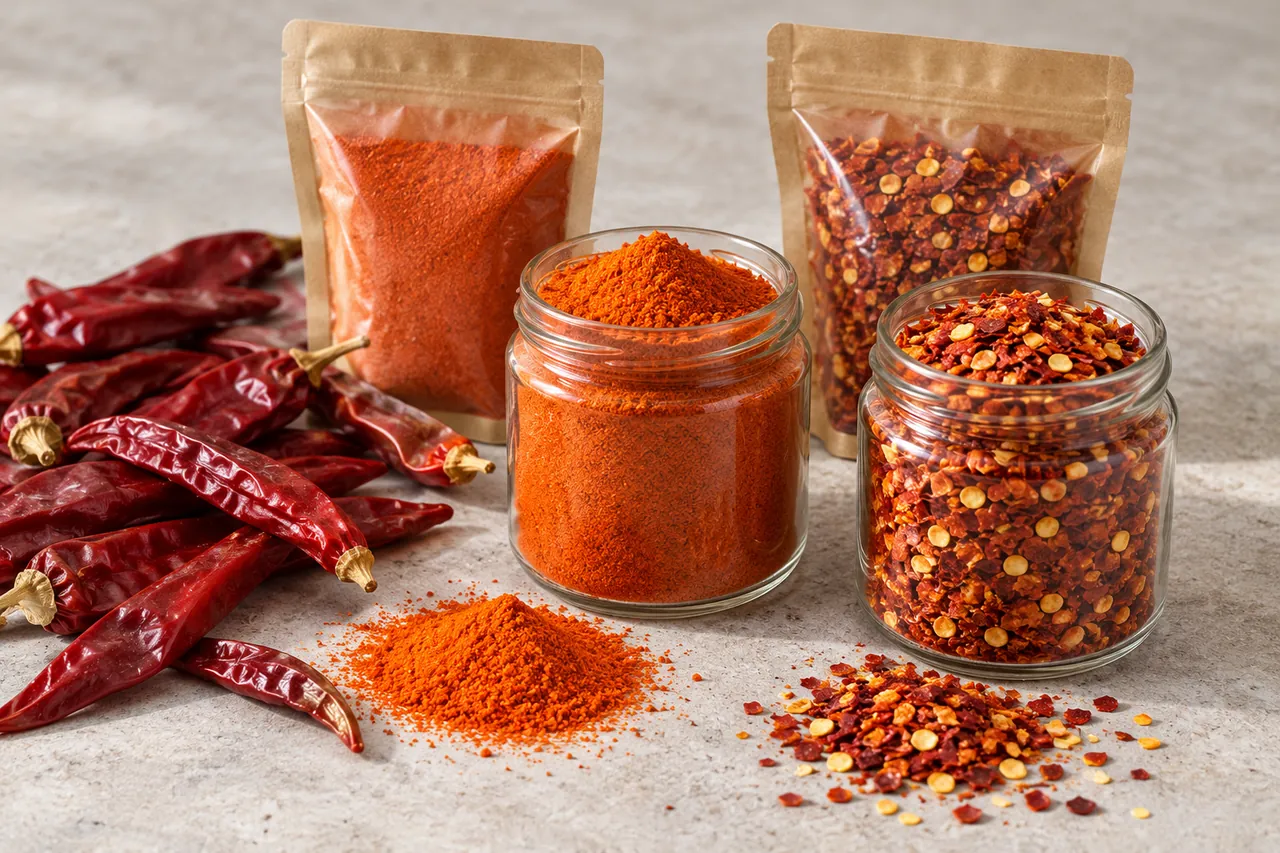
Before purchase, give receiving staff the proposed material identity, pack description and required acceptance information. Ask whether they can distinguish the order from similar powders or flakes and identify which point would require a hold for review.
This practical handover exposes gaps that a supplier shortlist spreadsheet can miss. An unexplained result, unmatched lot identity or different pack condition should lead to a specific query, not an automatic assumption that the material is either acceptable or defective. The buyer responsible team makes the actual release decision.
Request Answers That Resolve the Ingredient Decision
Ask for answers that resolve the next specific purchasing decision.
- 01Define the object
Name one actual ingredient and the form to receive.
- 02Name the decision
Explain the criterion that needs evidence now.
- 03Review the answer
Check that the reply addresses that material, sample and purchase stage.
Send a short material brief, the few critical attributes and the stage of the purchase. State which information is needed to choose a trial candidate and which is needed for a supply-lot acceptance. We can use that scope to discuss the relevant catalogue material and the actual next evidence requirement.
Prefer a precise response on a defined material over a broad quality assurance slogan. This guide concerns evidence usability and supplier fit; first-time commercial shortlisting, formulation work and technical test-method design each have their own more focused tasks.
- Actual ingredient and form
- Selected specification
- Food use and market
- Required records and methods
- Sample or lot identity needs
- Shortlist or order decision stage
Your next purchasing decision
Talk through your ingredient qualification priorities
Send the ingredient and the two or three evidence needs that affect acceptance.
Send RELIA SPICES the selected product, intended food and the two or three evidence questions that affect acceptance. Specify any steam requirement separately from composition and particle criteria.
We can discuss the actual manufacturing route and test allocation, then identify the material-specific information your review needs.
The enquiry page keeps this guide with your message. Add your quantity and destination so we can discuss the relevant material.