
Sourcing Paprika and Chili Ingredients from a Chinese Factory
Choose a Chinese paprika or chili factory around the material you need to receive. Compare the preparation, specification, sample and purchase conditions together. These guides help you build a first supplier shortlist, qualify an additional source or move from a pilot to bulk supply, using the selected pepper grade as the common basis for discussion.
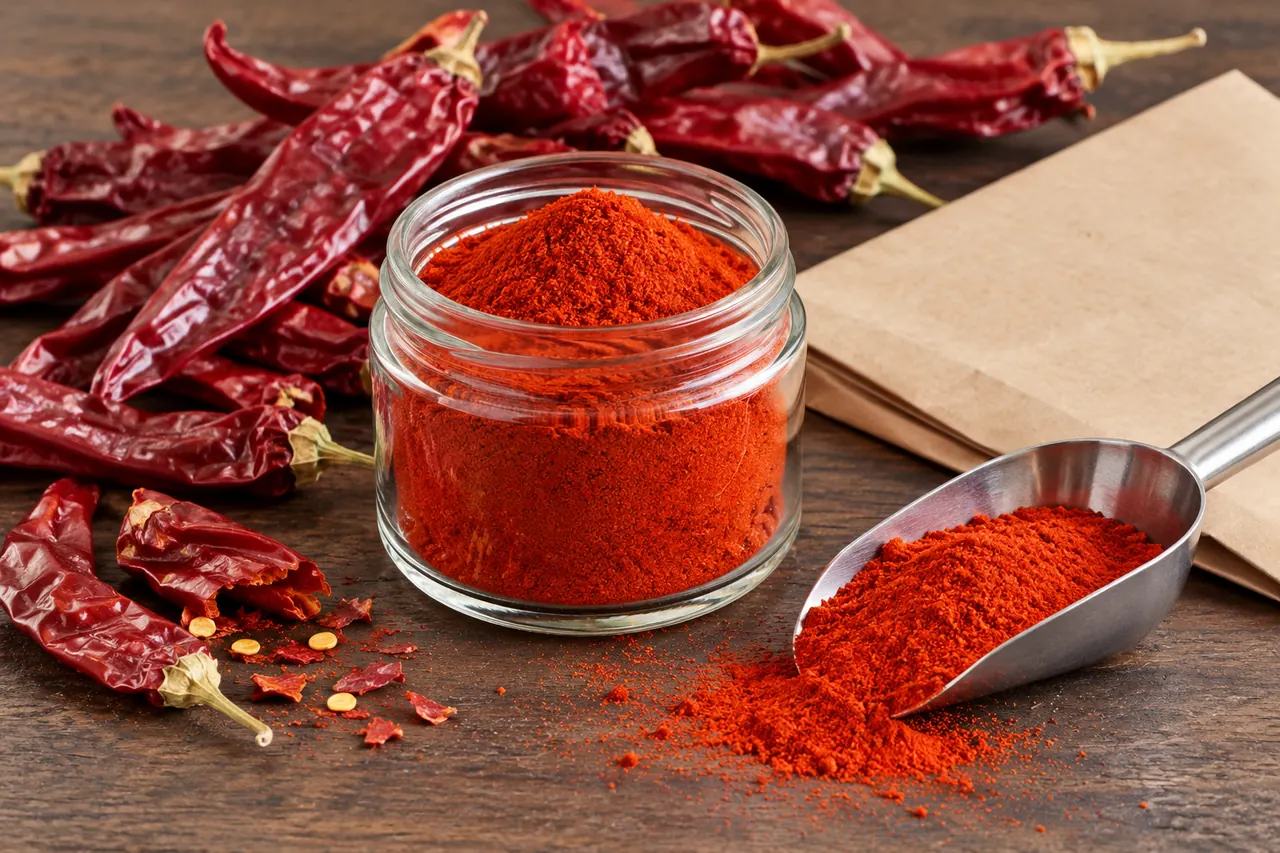
- Define the input
- Name the powder, cut or pod you want to receive.
- Review the process
- Connect preparation and treatment to the selected grade.
- Compare the offer
- Use the same material, quantity, pack and delivery scope.
Start with Your Purchasing Decision
Choose the sourcing decision that changes your next step.
For a bulk paprika purchase, start with the food result and one selected powder grade, then compare colour, grind and composition on that basis.
Explore this route Sourcing Chili Powder Without Added Salt, Carriers or Other SpicesFor chili powder without added salt, carriers or other spices, select the declared pepper ingredient first and review its complete composition separately from food-safety treatment.
Explore this route Building a Chili Powder Heat Range for Import DistributionBuild an importer heat range from separate, defined powder grades rather than assigning mild, medium and hot labels to a broad catalogue interval.
Explore this route Bulk Chili Ingredients for Spice Brands Packing Their Own Retail ProductsFor your own retail spice brand, buy the bulk ingredient around the jar or pouch your business will fill, not around an assumed factory OEM service.
Explore this routeRELIA SPICES gives you a manufacturing discussion around a defined pepper input and output. Cleaning and destemming prepare the dried raw material; grinding or cutting and sieving establish its physical form. Internal moisture and particle checks address routine physical criteria, while ASTA, SHU and microbiology are tested through laboratories. Select the sourcing situation below to make your enquiry specific.
Start with the Preparation You Will Receive
Use the selected preparation as the starting point for qualification.
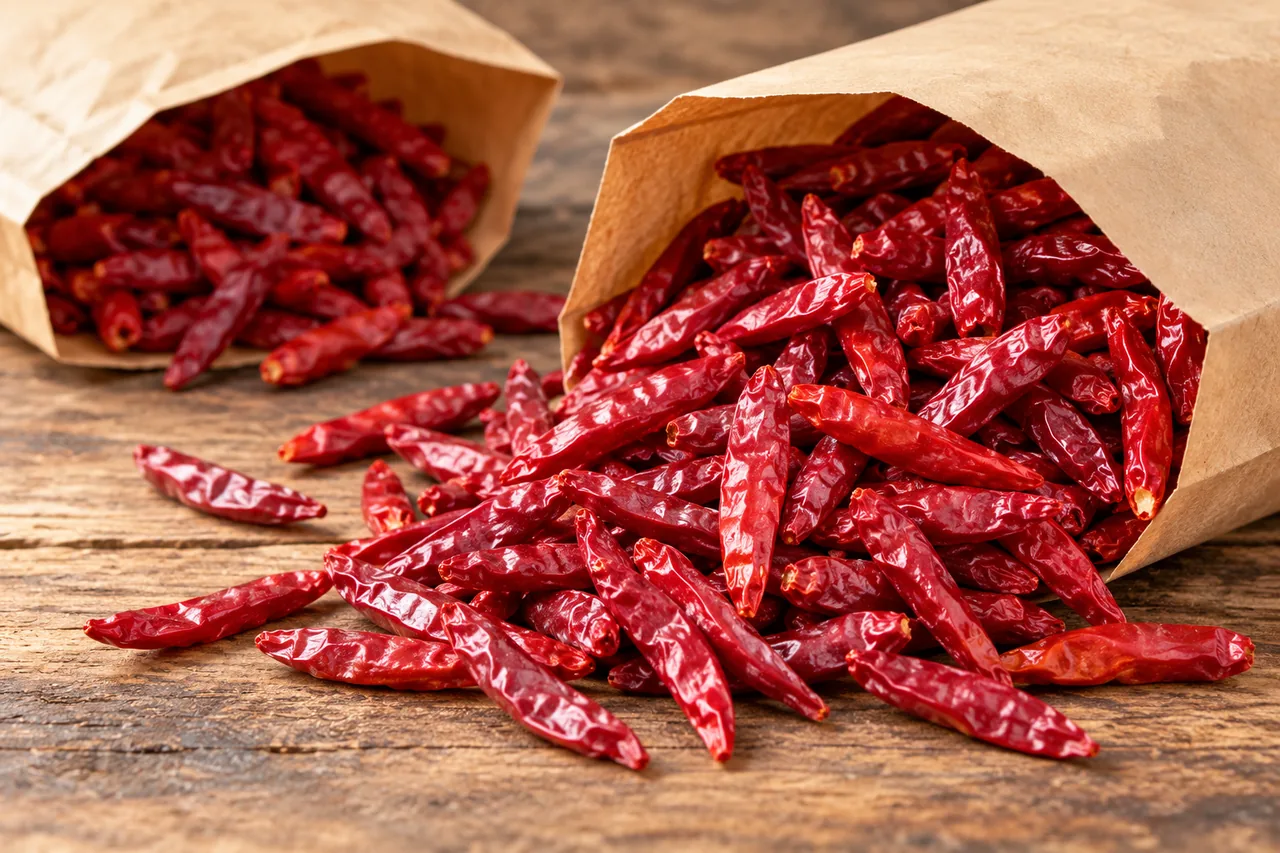
Choose the physical preparation first. Sweet paprika powder, seeded chili flakes and whole pods involve different acceptance criteria and food trials. Our nominal 70-mesh sweet paprika reference lists ASTA colour of 80–220 as a customisable range; it is not one fixed grade for every order.
Ingredients to compare for this application
70-mesh sweet paprika powder
Start here when you need a sieve-defined paprika powder and a separate colour target.
- Nominal 70 mesh; separate 60–70-mesh customization.
- Customizable colour scope: 80–220 ASTA.
- Moisture specification: ≤8%.
60-mesh Cayenne powder
Compare this powder when your purchasing brief needs a separate Cayenne ingredient.
- Declared particle reference: 60 mesh.
- Moisture specification: ≤9%.
New Generation whole dried chilies
Choose a whole-pod trial when recognizable pepper pieces and stem condition matter.
- Declared pod size reference: 3–6 cm.
- Stemless or stem-cut options.
- Declared heat scope: 50,000–90,000 SHU.
These product specifications are a starting point for selecting a grade. Match the proposed material and sample to your food and order requirements.
Explore the Ingredient Range
Open the product route that matches the material you need.
These catalogue routes lead to actual product pages and their own material details.
Continue with the Next Ingredient Decision
Use a separate guide when your qualification question changes.
For one project using powder, flakes and whole pods, keep three material specifications even when the commercial discussion is shared.
Explore this route Selecting a Second Paprika Source Against Your Approved SpecificationFor a second paprika source, keep the approved food and its hard material requirements as the benchmark, then test one identified alternative grade.
Explore this route Sourcing Chili Ingredients from Pilot Run to Commercial OrdersUse a pilot purchase to settle a defined ingredient decision, then carry the selected material into the next operating scale.
Explore this route Selecting Chili Ingredient Suppliers with Clear Specifications and Lot RecordsShortlist an ingredient supplier by connecting its actual production role to the material, criterion and evidence that could change your buying decision.
Explore this routeUse a separate guide when your process or purchasing question changes.
Compare One Identified Grade at a Time
Compare one identified grade before interpreting colour or heat results.
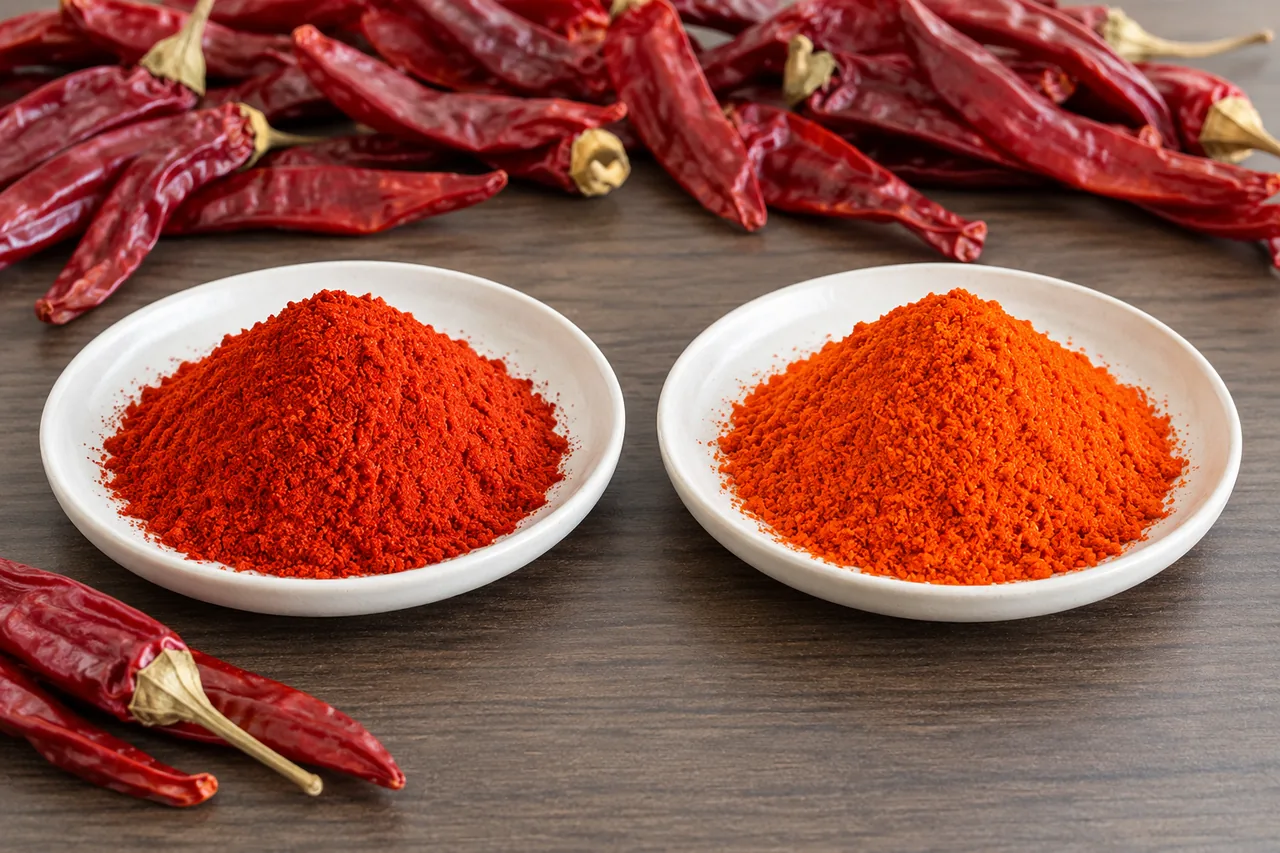
Compare one selected specification at a time. For paprika, keep ASTA colour separate from heat and sieve distribution. For whole pods, include length, stem condition and the material's declared heat range instead of relying on a name alone.
Match the Sourcing Guide to the Procurement Stage
A first shortlist, a second source and a scale-up request require different comparisons.
| Buying task | Comparison to make | Next guide |
|---|---|---|
| First factory shortlist | Choose a paprika grade around the food before comparing offers. | Paprika shortlist → |
| Alternative to an approved source | Hold mandatory criteria and recipe dose steady in the first trial. | Second-source comparison → |
| Pilot moving to bulk | Separate material approval from changes in your handling route. | Pilot-to-order planning → |
RELIA SPICES prepares purchased dried chilies through cleaning, destemming, grinding or cutting, sieving and packing. Use that process scope to ask for the information relevant to the candidate you are evaluating.
Connect the Requested Evidence to One Candidate
Agree the test scope for the same proposed material.
Choose paprika and chili with colour, heat and particle character on separate specification lines.
Explore this route Chili & Paprika RFQ and Sample-Request GuideTo request a useful chili or paprika sample, open one RFQ line for each material and give it a specific food or processing comparison.
Explore this route Ingredient Documents & Batch Acceptance GuideFor a paprika or chili purchase, read the specification as the target, the test report as evidence about identified material and the certificate as a separate holder-and-scope record.
Explore this route Ingredient Packing, Storage & Delivery PlanningChoose a chili package around the material you receive and how your operation opens it.
Explore this routeRELIA SPICES prepares purchased dried chilies through cleaning, destemming, grinding or cutting, sieving and packing. Use that process scope to ask for the information relevant to the candidate you are evaluating.
For inspection reports or real packaging case materials, email [email protected] with the selected product and your approval needs.
Bring the Order Conditions into the Brief
Separate trial purchases from the later bulk supply brief.
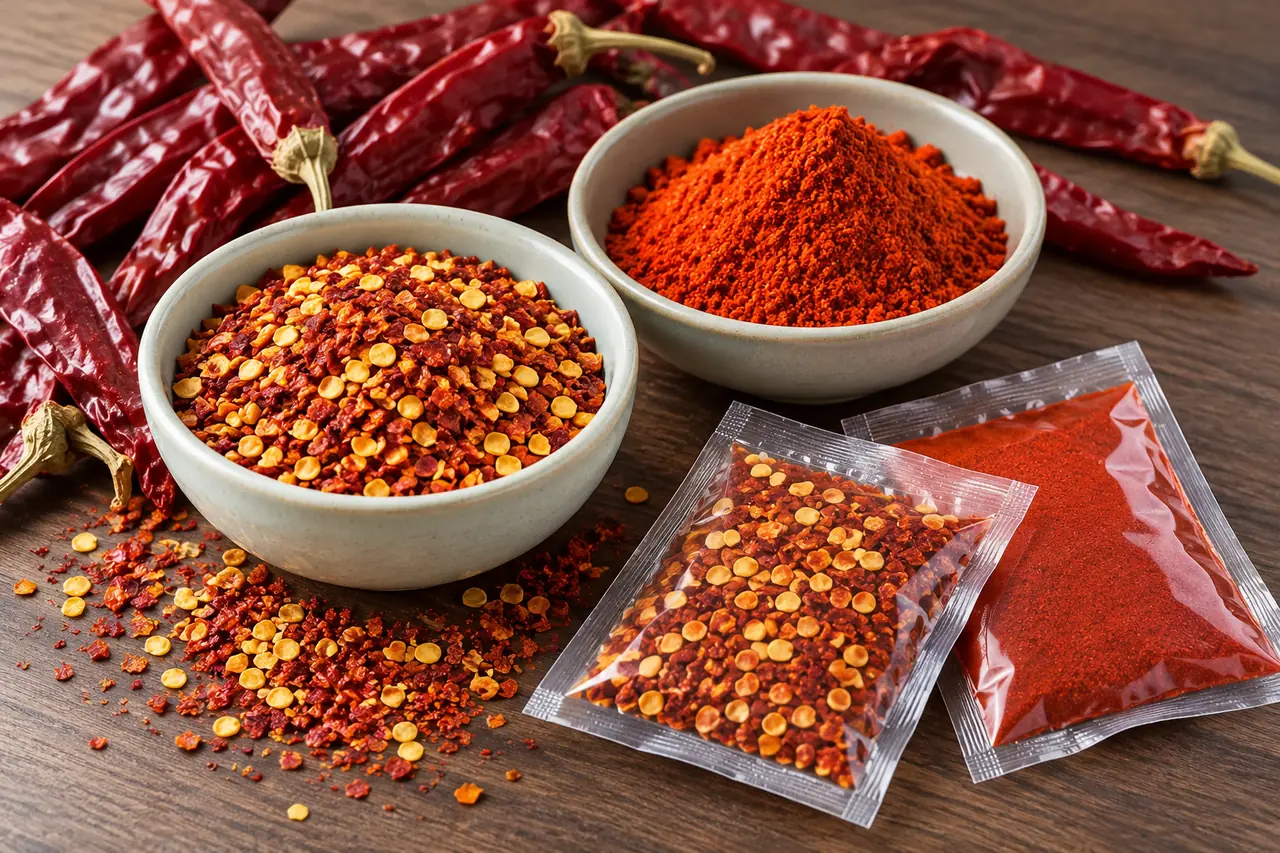
Tell us whether the enquiry is for a trial, a pilot order or repeated bulk supply. Give the requested amount, pack and destination so availability and commercial terms can be discussed for that actual brief.
Discuss the Ingredient You Need
State the material and actual purchasing conditions together.
- 01Your ingredient
Include the actual product link, required preparation and composition criteria.
- 02Your application
Describe where the ingredient enters your process and what your team will evaluate.
- 03Your order brief
Add expected quantity, pack, destination and the records your team needs.
We are Qingdao Relia Spices Co., Ltd., a China-based paprika and chili factory. Share the product or material, food application and purchasing requirements so we can discuss a focused next step.
Our paprika and chili manufacturing focus
- Ingredient
- Application
- Quantity
- Receiving pack
- Destination
- Relevant tests
Your next purchasing decision
Discuss a Defined Factory-Sourcing Brief
Bring the shortlist, replacement or scale-up decision to our factory.
Share the selected ingredient, first-order or repeat-order quantity, requested package and destination. If you are replacing a current source, add the specification and the food result you want the proposed material to match.
The enquiry page keeps this guide with your message. Add your quantity and destination so we can discuss the relevant material.