
Sourcing Sanying Dried Chili for Foodservice Use
Start with the named Sanying dried chili when your kitchen needs that commercial ingredient, then choose the actual pod or prepared form for the dish. Compare its size, heat and condition against the kitchen's accepted material, and test it in the served food. Send the menu use, current reference and preparation requirements so we can discuss the candidate on a practical basis.
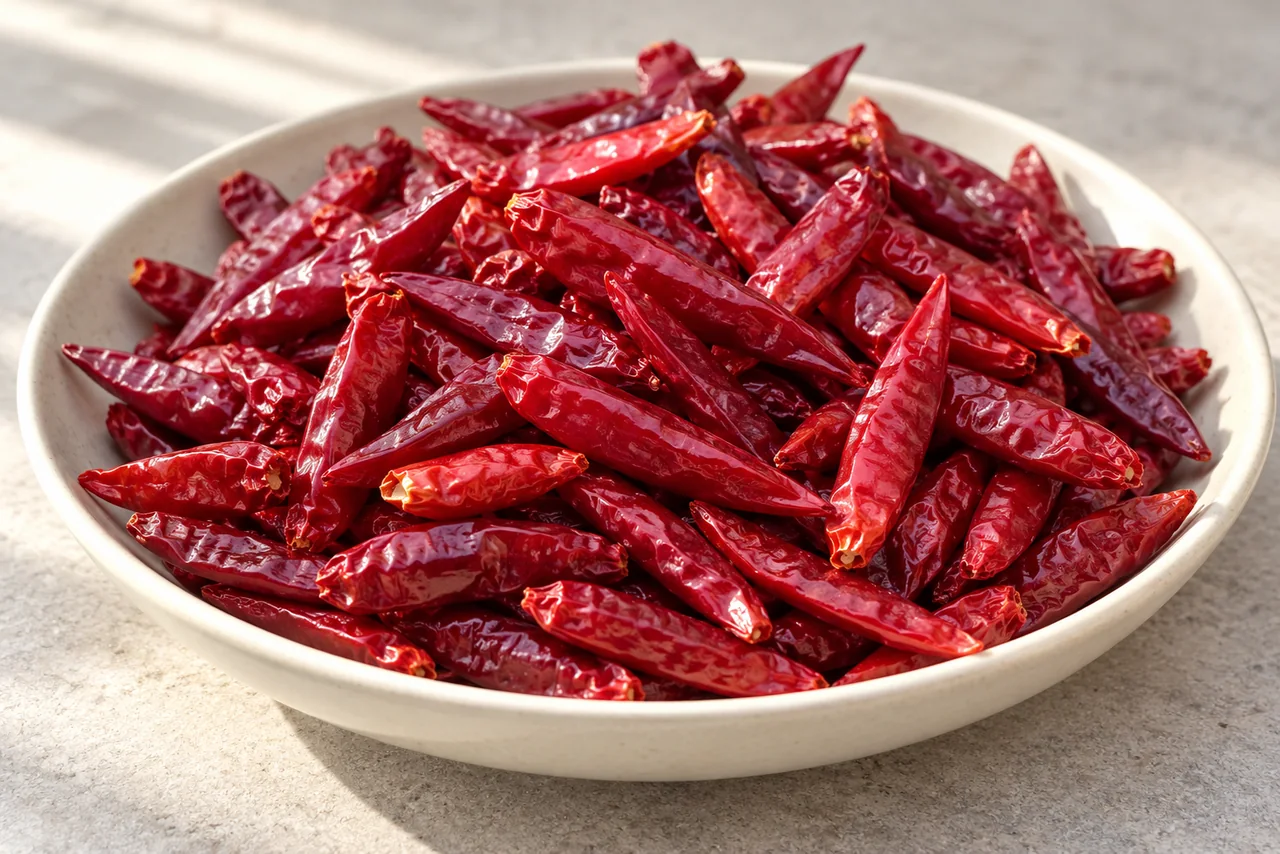
- Named candidate
- The Sanying listing gives 7–9 cm and 3,000–5,000 SHU starting references.
- Kitchen form
- Choose the pod, stem and seed condition the operation will actually use.
- Menu result
- Evaluate heat, flavour and texture in the served food, not the dry ingredient alone.
Turn the Named Request into a Kitchen Brief
Keep the commercial identity separate from additional origin or botanical requirements.
- 01Visible-pod use
Prioritize the accepted pod form and appearance after the kitchen’s preparation.
- 02Buyer-prepared use
Define cutting, grinding or other work performed by the buyer.
- 03Named identity
Keep a separate evidence request for any origin or botanical requirement.
RELIA SPICES prepares dried chili in-house through cleaning, destemming and the selected cutting or crushing route. Describe the kitchen form first, while keeping any additional origin or botanical requirement separate from the Sanying commercial name.
Use this candidate's 7–9 cm, 3,000–5,000 SHU and condition references to plan the comparison. Routine moisture and particle checks are internal; SHU and microbiology go to laboratories. Our in-house steam equipment is used according to the agreed order requirement.
Read the Actual Sanying Pod References
Inspect the actual pod form and stem condition proposed for the kitchen.
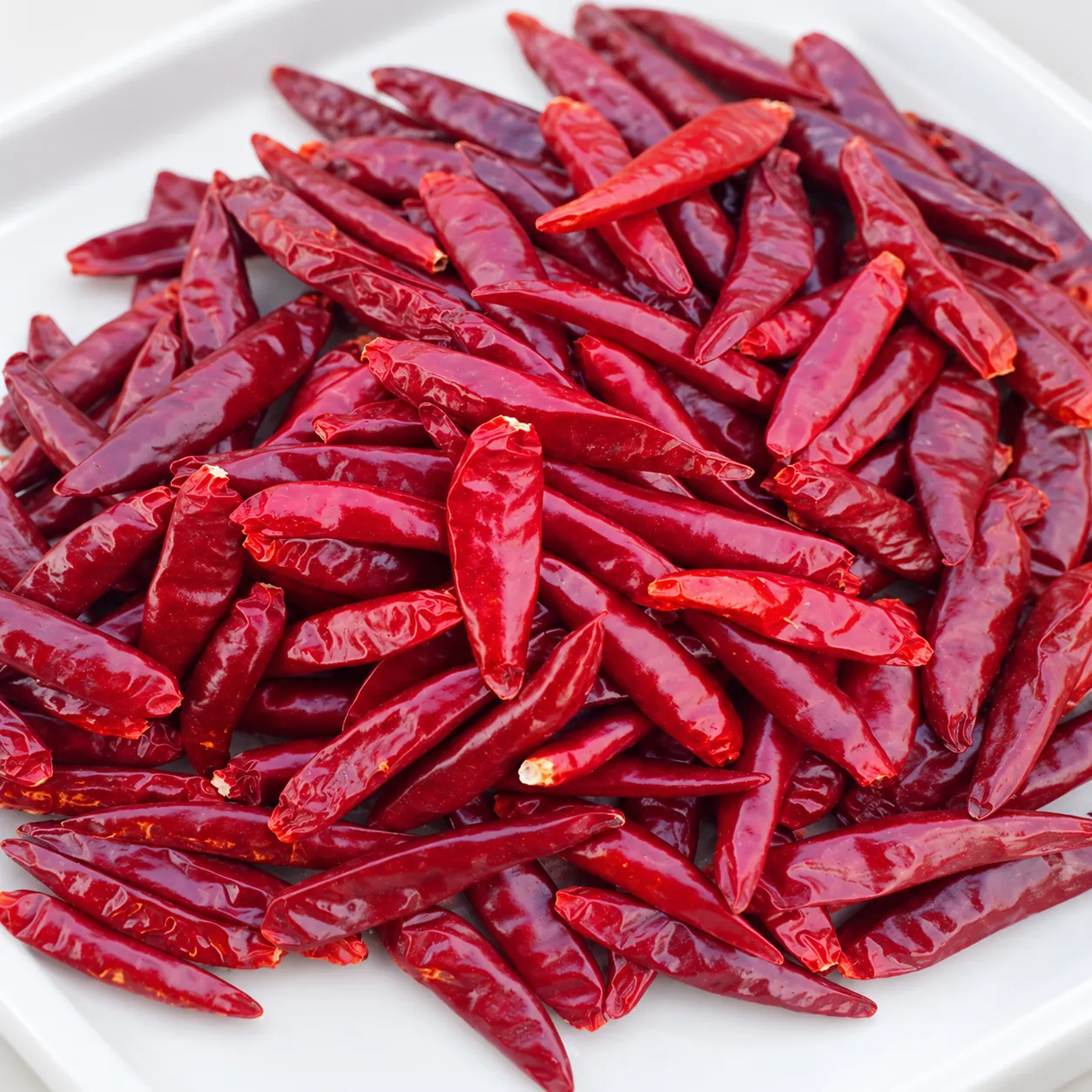
The dried Sanying red chili candidate describes stick-shaped material with a 7–9 cm size reference and 3,000–5,000 SHU heat reference. These support a defined starting enquiry rather than a promise about every bag or every dish.
Check the size axis and distribution on the proposed preparation. RELIA SPICES carries out cleaning and destemming in-house; identify the stem condition and whether loose seeds are acceptable for the kitchen. Keep the selected supplied preparation and any order-specific steam requirement with the named material.
Ingredients to compare for this application
Sanying dried chili for restaurant use
Evaluate the named whole-chili candidate in the kitchen's actual cooking or hotpot-dipping preparation.
- Size reference: 7–9 cm; heat reference: 3,000–5,000 SHU.
- Moisture 12% maximum; impurity 0.3% maximum; broken rate 1% maximum.
- Cool, dry storage with a 24-month statement.
These product specifications are a starting point for selecting a grade. Match the proposed material and sample to your food and order requirements.
Translate Size and Heat into Separate Acceptance Tasks
Use separate checks for pod dimensions, analytical heat and the finished food.
| Catalogue reference | Useful purchasing role | Practical comparison |
|---|---|---|
| 7–9 cm | Pod-size starting criterion | Axis, distribution and accepted kitchen form |
| 3,000–5,000 SHU | Ingredient heat-band starting criterion | Method, sample or lot, and actual food trial |
| Stick-shaped dried material | Preparation and appearance discussion | Delivered stem ends, breakage and seed state |
Use dimensional inspection for pod size and a stated analytical basis for ingredient heat. The same sample can pass a visual size check yet need a separate heat review. An SHU declaration also does not describe aroma, skin texture or the visual result after cooking.
Compare the candidate with the kitchen reference in the intended food before treating it as a direct replacement. Keep the current chili dose fixed for the first comparison. If the chef changes dose to achieve the preferred heat, note that the approved recipe has changed as well as the ingredient.
Check Moisture, Impurity and Breakage Separately
Moisture, impurity and broken material are three different acceptance criteria.
- ✓Moisture
Set the method and material basis for the declared maximum.
- ✓Impurity
Define the unwanted categories and receiving assessment.
- ✓Broken material
Distinguish presentation losses from edible input for another preparation.
The listing states moisture at 12% maximum, impurity at 0.3% maximum and broken material at 1% maximum. Apply clear definitions and relevant evidence to each; they are not three interchangeable quality scores.
Breakage can affect whole-pod presentation, while broken edible chili may still suit buyer grinding. Extraneous material is a different category. Moisture describes material condition, not a ready-to-eat status or a complete food-safety assessment.
Evaluate the Chili in the Food That Will Be Served
Test the ingredient in the dipping or cooking context that will be served.
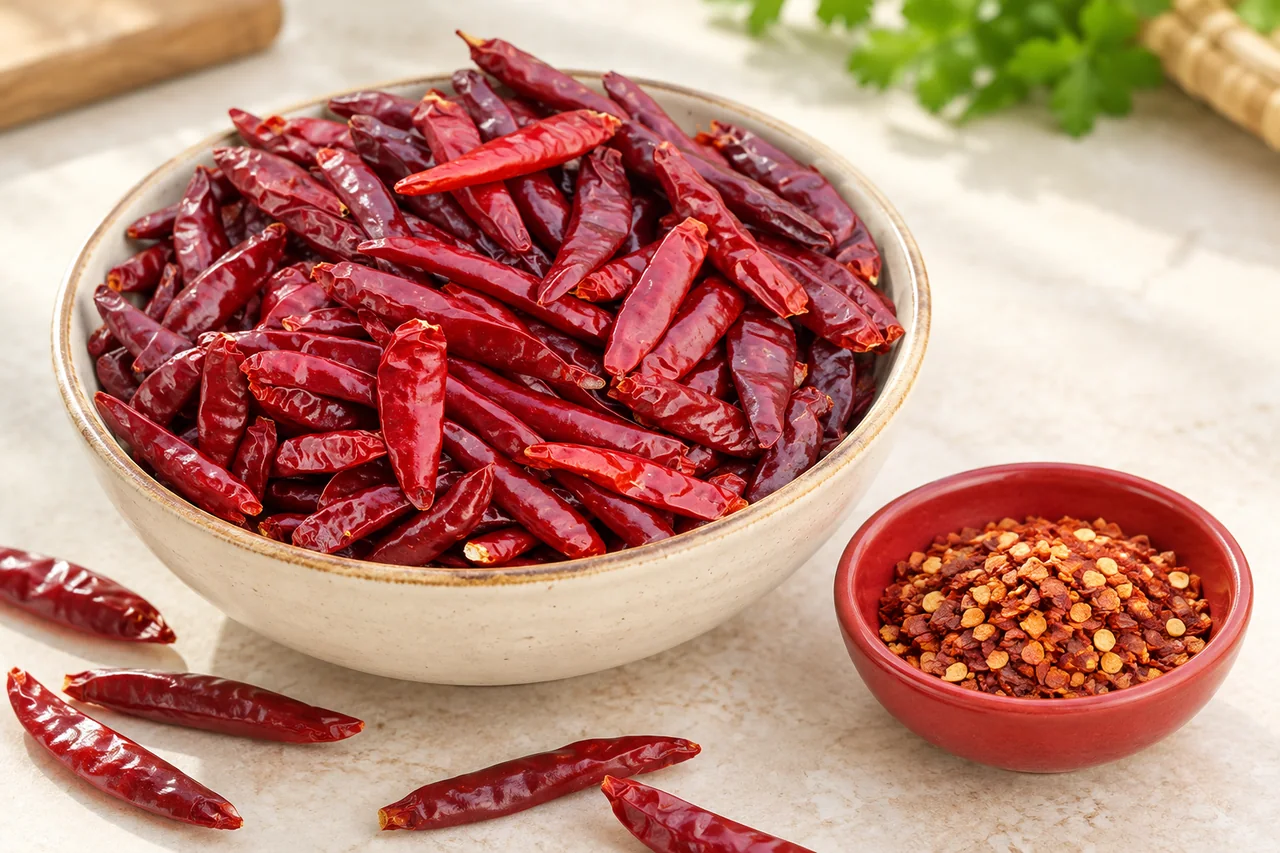
Hot-pot dipping is an application stated for this candidate. Trial the proposed chili in the actual dipping preparation and, where relevant, with the food that carries it to the consumer. Compare flavour, heat, appearance and any gritty or fibrous texture separately. A pleasing dry aroma is not a complete foodservice evaluation.
Original hot-pot research found that food type and oil or fat context influenced capsaicinoid transfer and pungency in the systems studied. Use that as a reason to test your own menu context, not as a numerical prediction for this Sanying material or a recipe recommendation.
Connect Pod Preparation to the Foodservice Comparison
Compare the selected preparation at the current recipe dose before changing the menu.
- 01Choose the form
Identify intact pods or the actual cut/crushed preparation.
- 02Keep the comparison controlled
Start with the accepted recipe and dose.
- 03Judge the menu role
Compare appearance, flavour, heat and texture in the served food.
- 04Approve the material
Retain the named grade and preparation behind that result.
An intact pod and a cut or crushed preparation present different material to the kitchen. RELIA SPICES cleans and destems in-house and can discuss the selected preparation. Choose the form before comparing it with the current Sanying ingredient.
For whole-pod use, inspect shape, stem ends and breakage after normal preparation. For dipping or grinding, inspect the retained pieces, seeds and fines. Keep the current dose and recipe conditions fixed for the first comparison.
Use the actual food and oil/fat context when judging heat, flavour and texture. Our routine physical checks are internal; heat and microbiological analyses are outsourced. Apply the kitchen's appropriate controls before tasting, then approve the named material for its defined menu role.
Keep Raw Ingredient Handling Outside the Sensory Shortcut
Apply appropriate ingredient preparation and food-safety controls before tasting.
- 01Ingredient selection
Compare identity, form, flavour and grade on the proposed material.
- 02Safe food preparation
Apply the operation’s relevant controls before sensory assessment and service.
The candidate is an ingredient, not a finished dipping product. Use your operation’s appropriate preparation and food-safety controls before tasting. Our factory has in-house steam microbial-reduction equipment, used according to order requirements; discuss the selected treatment rather than inferring it from a foodservice application name.
For receiving and storage, the listing gives vacuum-bag or woven-bag references, cool-and-dry storage and a 24-month declaration. Establish the actual inner pack, conditions and duration scope for the offered material. A package description or storage period is not a microbiological result, and an opened kitchen container needs its own handling plan.
Approve the Sample for a Defined Menu Role
Approve the sample for its actual menu use rather than every possible preparation.
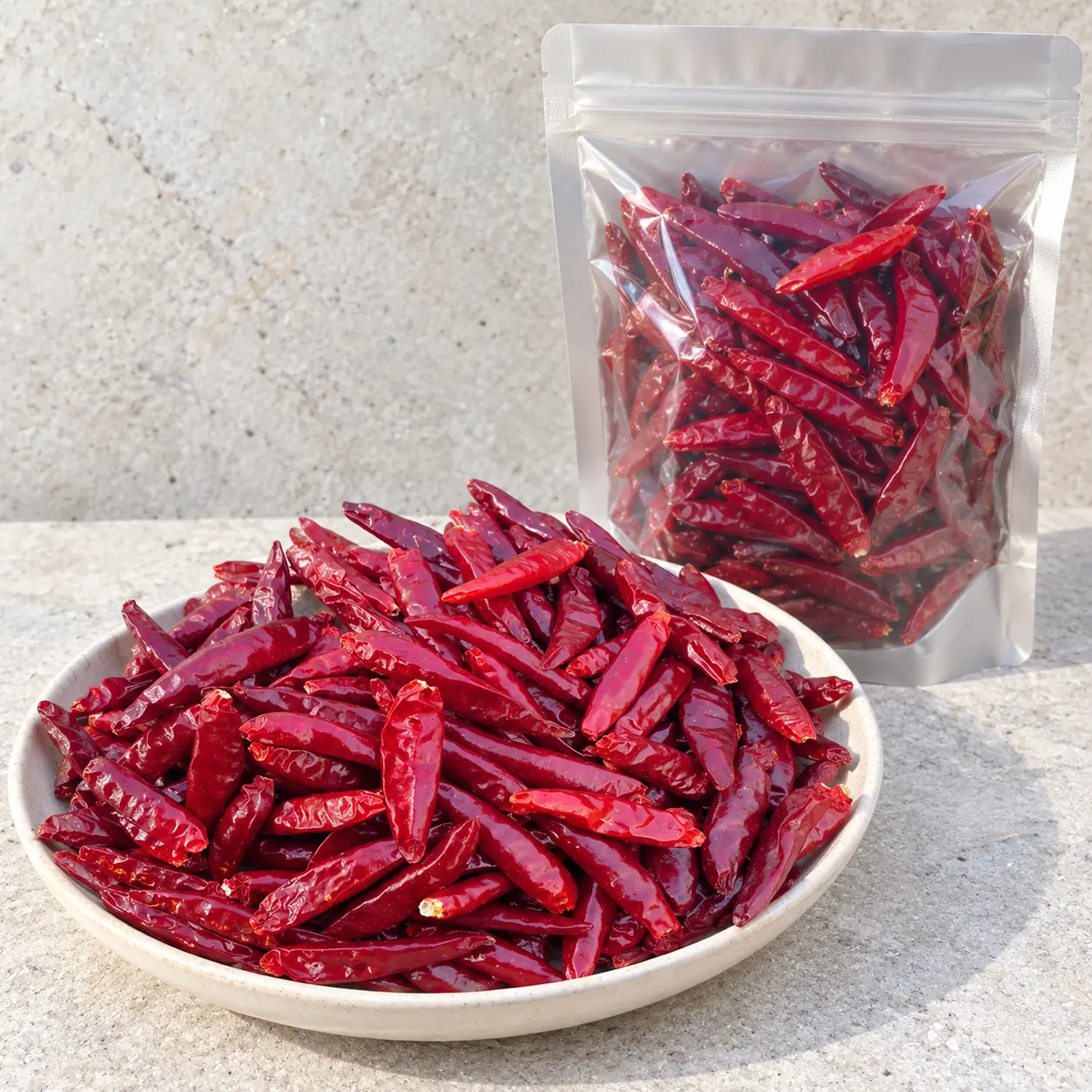
Keep the accepted sample with its grade and the menu preparation used to evaluate it. State whether it is approved for whole-pod presentation, buyer grinding or a specific dipping recipe. This prevents a successful comparison in one use from silently approving a different texture or preparation elsewhere.
At receiving, check the points that influenced approval: actual pod form, stem condition, broken fraction and the agreed material evidence. When the preparation or selected grade changes, review the affected menu role. The commercial name remains useful, but it should lead to the ingredient the kitchen actually tested.
Request a Sanying Proposal the Kitchen Can Evaluate
Send the named requirement with pod form, size, heat and receiving needs.
- 01Kitchen definition
Describe the retained pod form and how the ingredient enters the menu item.
- 02Grade decision
Use size, heat and condition criteria with a candidate food comparison.
- 03Purchase handover
Connect the accepted sample, actual pack and proposed order without inventing an equivalent SKU.
Send the named requirement, current material reference and intended menu use. Include the required pod form, stem and seed conditions, size and heat criteria, and the relevant pack and quantity. We can then discuss the identified candidate and the next sample comparison within a clear scope.
Buy against the accepted preparation and food result. Additional authenticity or origin conditions should remain explicit evidence requirements, without being filled in from the Sanying name, an illustration or the business contact address.
- Customer Sanying definition
- Reference material details
- Actual supply form
- Stem and seed conditions
- Size and heat acceptance basis
- Food use, quantity and documents
Your next purchasing decision
Talk through your Sanying foodservice requirement
Share the kitchen's reference and the preparation it accepts.
Tell RELIA SPICES how the kitchen will use the chili and which preparation is accepted. Share the current reference, required size and heat basis, pack and quantity.
We can discuss the identified Sanying candidate and the next material comparison without inferring cultivation origin or a second equivalent named grade.
The enquiry page keeps this guide with your message. Add your quantity and destination so we can discuss the relevant material.