
Chili Ingredients for Oils, Sauces and Hotpot
Choose chili for oil, sauce or hotpot around the texture you want to keep. Start with powder for a fine sauce, flakes for visible or filtered oil solids, and pods for recognizable pepper pieces. Compare colour, heat and particle needs separately, then use the ingredient examples and factory process below to prepare a focused purchase enquiry.
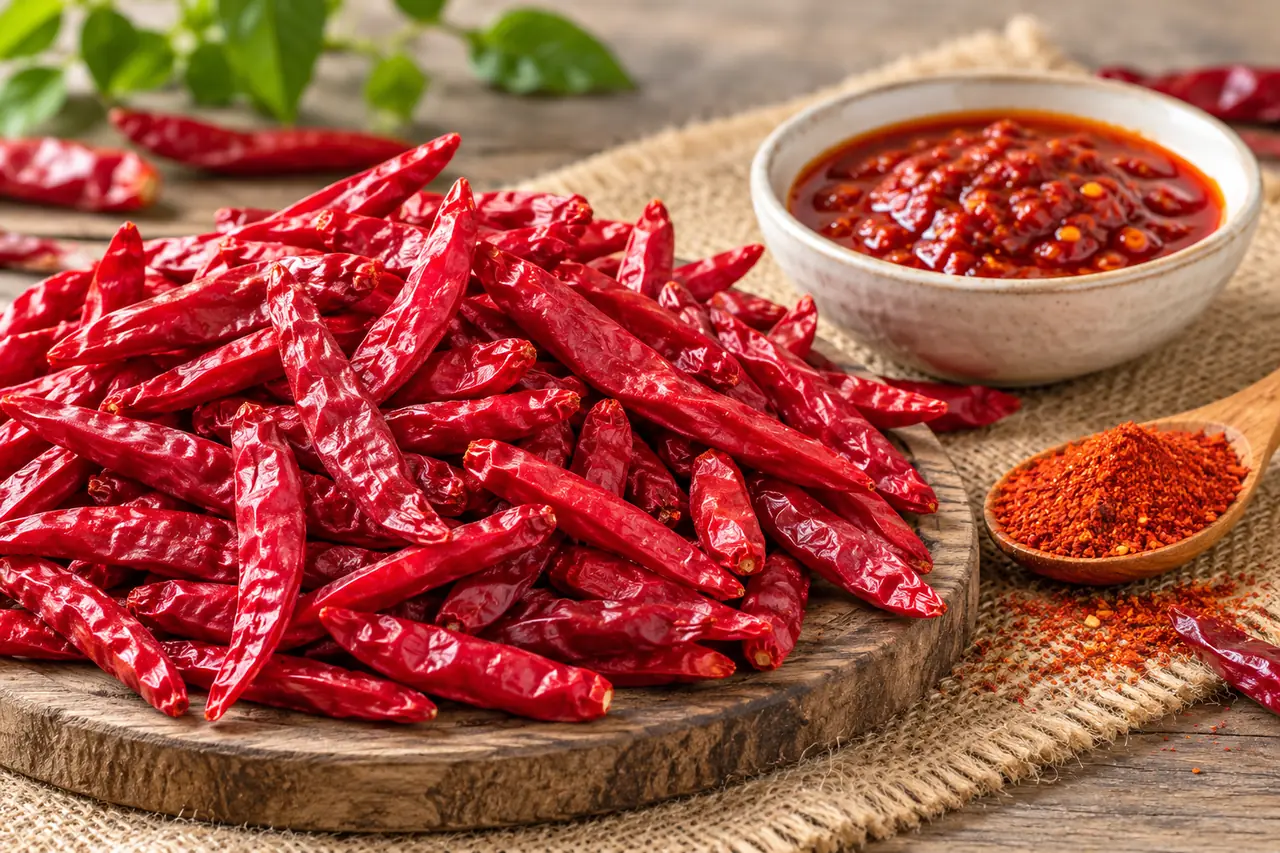
- Fine sauce
- Start with powder and check the heated sauce texture.
- Chili oil
- Choose solids for removal or for the cooled retained bite.
- Hotpot base
- Define the visible pod or cut and its stem condition.
Match the Food to the Factory Preparation
Connect the food result to a defined factory preparation.
- 01Smooth sauce
Start a powder trial, then assess the mixed and heated sauce.
- 02Filtered or retained oil solids
Choose the solids around separation or the cooled texture.
- 03Hotpot pieces
Define whole pods or a visible cut around the serving result.
RELIA SPICES cleans purchased dried chilies, removes foreign matter and stems, then grinds or cuts, sieves and packs the selected preparation in our factory. Start with the form that reaches your mixing, heating or filtering step.
We check routine moisture and particle size internally. ASTA colour, SHU and microbiology are tested through laboratories. In-house steam microbial reduction is selected according to order requirements.
Select the Solid Form for Chili Oil
Decide whether pepper solids are removed or retained in the oil.
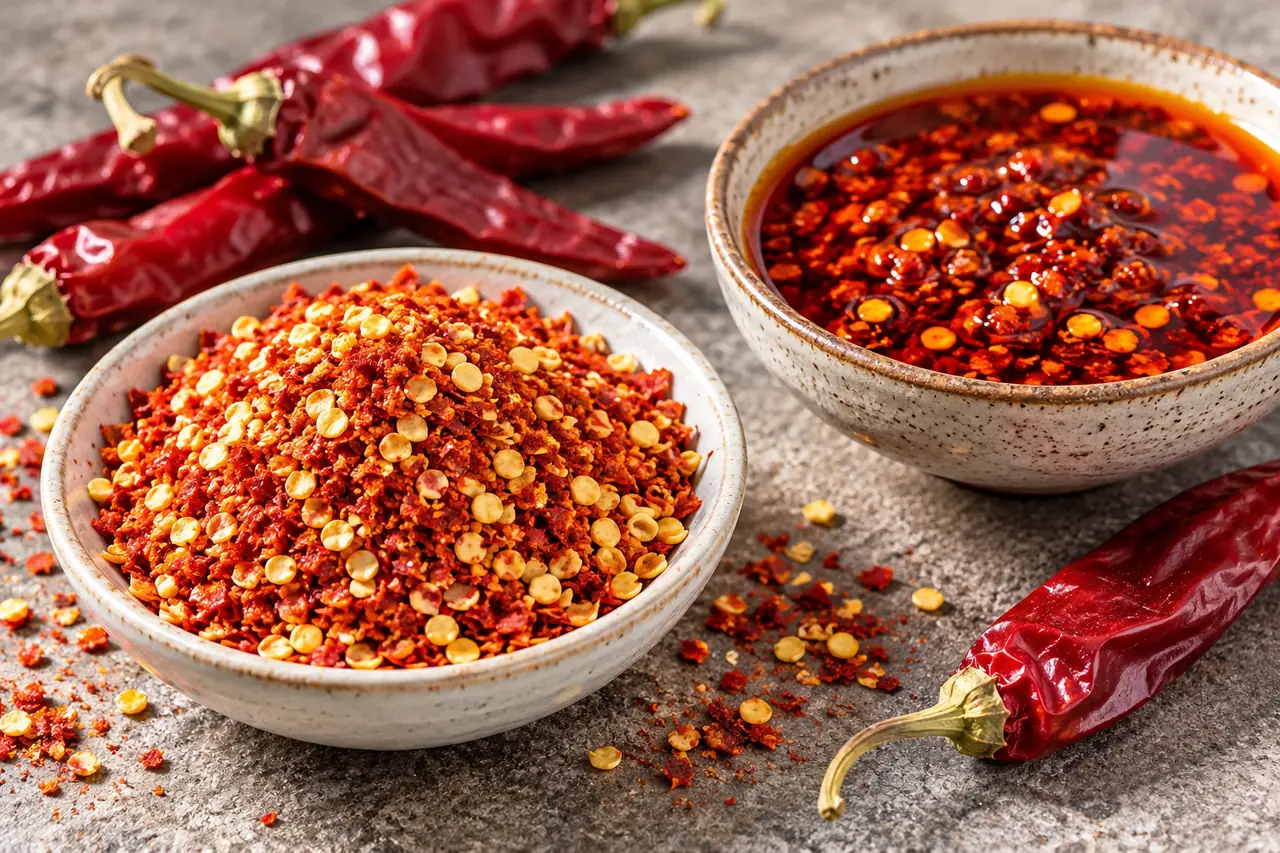
For filtered chili oil, compare the solids you must remove after the pepper contacts the oil. A fine powder and a coarse flake create different separation tasks. If you retain the solids as chili crisp, judge the cooled bite and visible pieces as well as colour and heat.
Run the candidates at the same first-trial addition rate in your actual oil process. Agree the target preparation after comparing the retained or filtered result.
Ingredients to compare for this application
70-mesh sweet paprika powder
Start here when you need a sieve-defined paprika powder and a separate colour target.
- Nominal 70 mesh; separate 60–70-mesh customization.
- Customizable colour scope: 80–220 ASTA.
- Moisture specification: ≤8%.
Sweet paprika flakes
Compare this preparation when visible pepper pieces matter in the finished food.
- Cut reference: 3–5 mm or custom size.
- Moisture specification: ≤12%.
- Mild, slightly sweet description.
New Generation whole dried chilies
Choose a whole-pod trial when recognizable pepper pieces and stem condition matter.
- Declared pod size reference: 3–6 cm.
- Stemless or stem-cut options.
- Declared heat scope: 50,000–90,000 SHU.
These product specifications are a starting point for selecting a grade. Match the proposed material and sample to your food and order requirements.
Match the Cut to the Sauce
Test the sauce texture alongside the real pump and nozzle interface.
| Food requirement | Starting form | Check in your line |
|---|---|---|
| Fine texture | Powder | Specks and mouthfeel after mixing and heating |
| Visible pieces | Flakes or cuts | Hydrated size through pump and filling nozzle |
| Colour with a heat limit | Defined paprika or chili grade | Compare colour and perceived heat independently |
A smooth sauce needs a different particle trial from a chunky filling. Powder can still leave visible specks, while hydrated flakes need to pass through your actual pump, valve and filling nozzle.
Check the mixed and heated sauce before choosing a smaller particle. Match the ingredient to the texture you want and the solids-handling limit in your line.
Define the Ingredient You Will Receive
Compare one actual grade instead of combining different listing ranges.
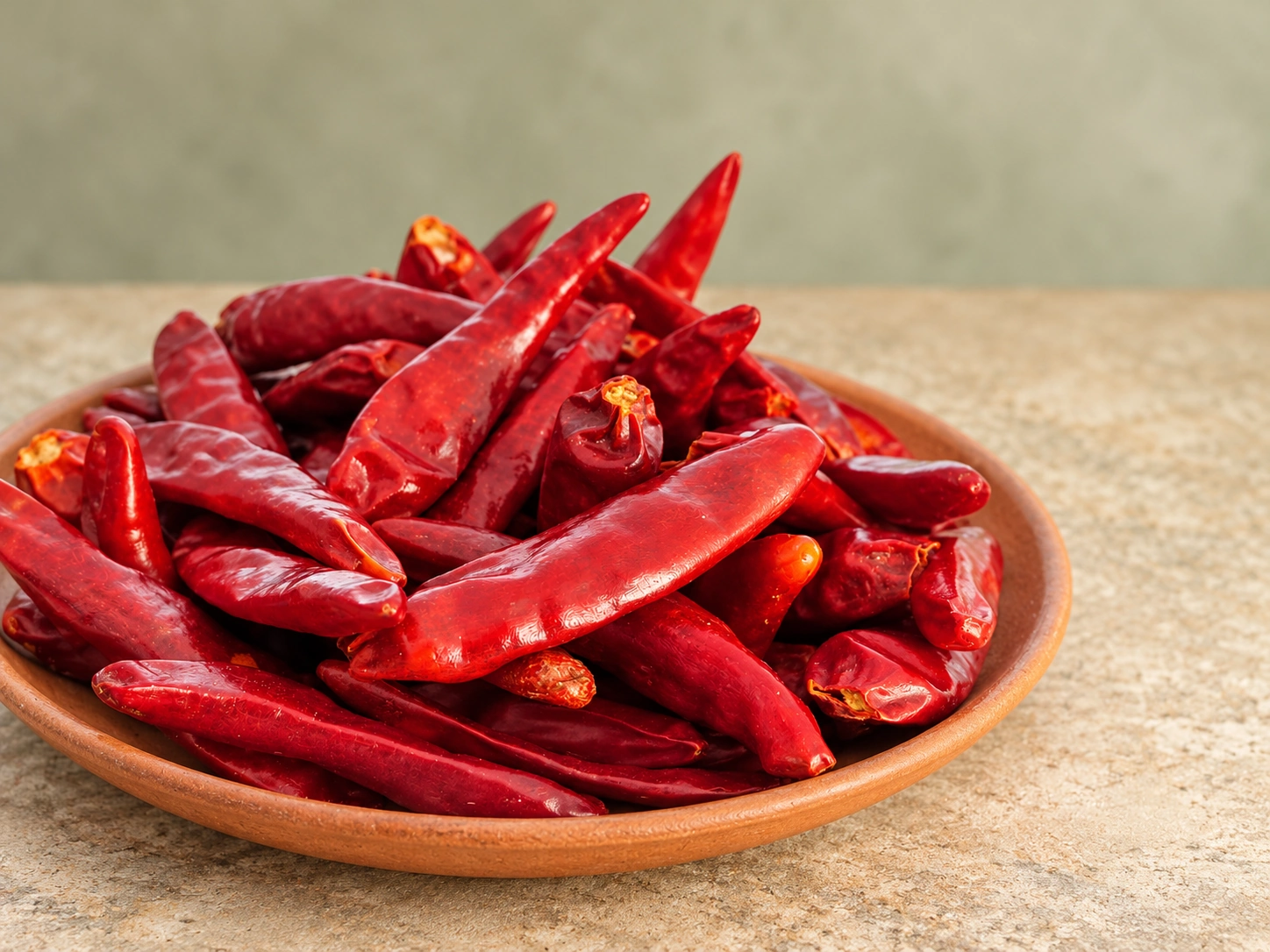
Whole pods, flakes and powder describe different material preparations. The sweet paprika powder gives a nominal 70-mesh starting point, a separate customizable 60–70-mesh reference and an 80–220 ASTA colour scope. Sweet paprika flakes give a 3–5 mm or custom-size reference with a mild, slightly sweet description.
Keep colour, heat and physical form separate. Select an actual proposed grade before comparing analytical results or changing the recipe dose.
Turn Cleaned Dried Pepper into the Required Particle
Let the food-processing need define the particle criterion.
- 01Clean the dried input
Remove foreign matter before reducing the pepper into smaller pieces.
- 02Remove stems
Prepare the pepper for the agreed whole-pod, powder or cut specification.
- 03Grind or cut
Choose a powder or visible particle around its role in your food.
- 04Sieve the preparation
Connect the selected particle criterion to the material offered.
- 05Pack the agreed grade
Keep the material, required treatment and receiving pack in the order brief.
RELIA SPICES cleans and destems the dried input before size reduction. Milling creates powder; cutting or crushing keeps larger pepper pieces. Sieving then selects the physical preparation around an agreed particle criterion.
For your oil or sauce, state the filtration, pumping or visible-texture need that makes that particle useful. Our internal moisture and particle checks describe the physical ingredient; laboratory ASTA, SHU and microbiology address their own agreed test scope.
Keep Whole-Pod and Seed Requests Separate
Keep whole pods, cuts and food-use seeds as separate requests.
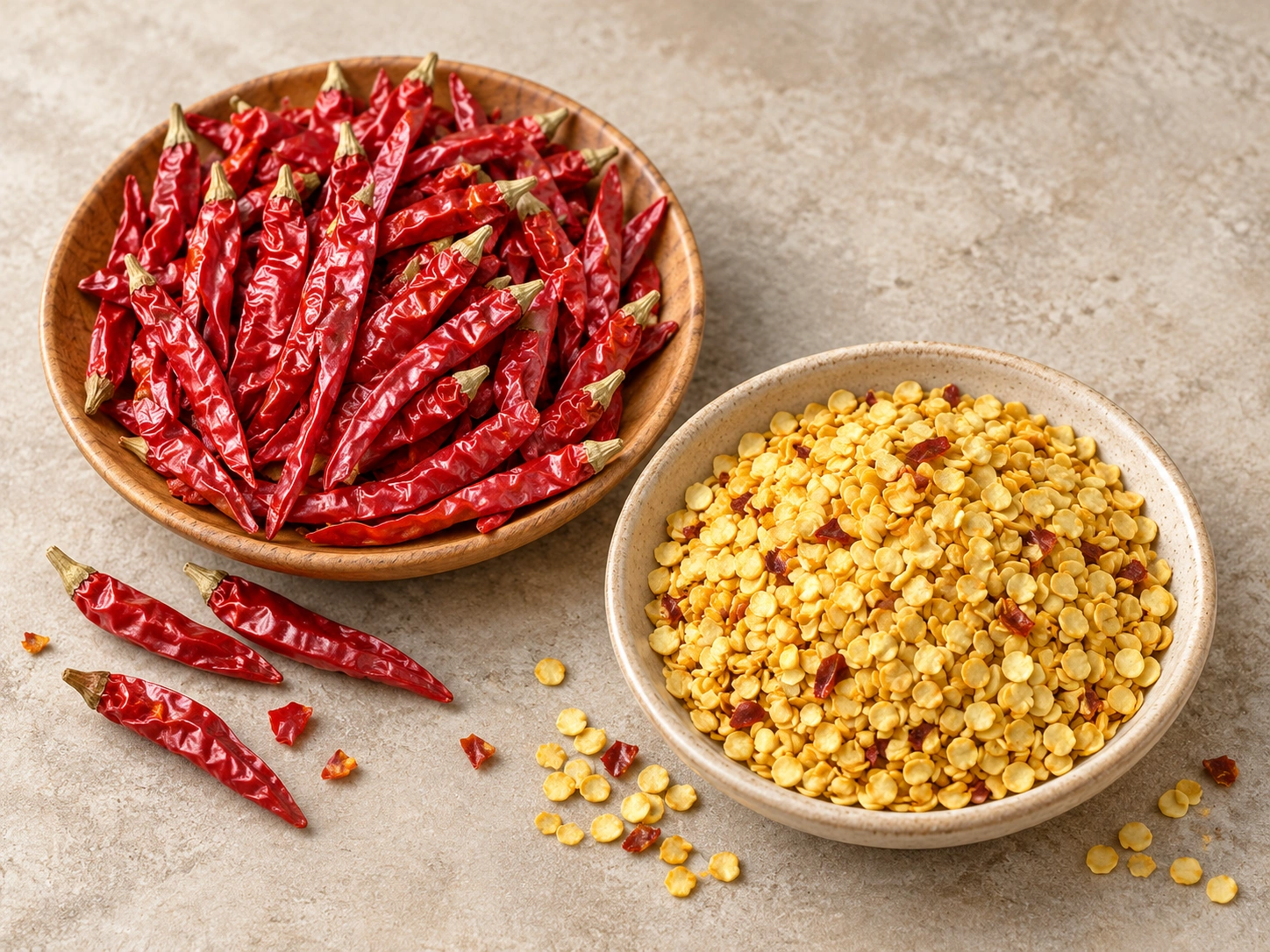
Whole pods give a hotpot base a recognizable pepper form. The New Generation listing gives 3–6 cm pods, stemless or stem-cut options and a 50,000–90,000 SHU range. A food-use seed ingredient is a separate material enquiry.
Evaluate the actual pod or cut in your own heating and serving sequence. Pod dimensions, stem condition and heat should stay separate in the purchasing brief.
Sesame and chili seasoning is a separate composite ingredient. Include sesame in the composition and allergen review rather than treating that blend as pure pepper.
Agree Steam Treatment and the Test Scope
State the treatment and test requirements for the proposed material.
- 01Order treatment
In-house steam microbial reduction when required for the order.
- 02Routine checks
Moisture and particle size checked internally.
- 03Laboratory scope
ASTA, SHU and microbiology commissioned through laboratories.
RELIA SPICES has in-house steam microbial-reduction equipment and uses it according to the order requirement. Tell us whether the ingredient enters before or after your food’s heating stage and which criteria your quality team requires.
Connect the treatment scope and requested laboratory analyses to the proposed material. The available equipment does not establish that every offered lot has been steam treated.
Keep the Trial, Sample and Lot Together
Keep the sample, trial sequence and accepted grade connected.
For a sesame–chili dry dip, compare the complete seasoning and its sesame information separately from plain pepper ingredients. Choose a sesame–chili hotpot dry dip →
- 01Identify each sample
Keep its grade and preparation with the trial.
- 02Compare under one process
Use the same base, addition and observation stage first.
- 03Specify the accepted material
Connect the food result, tests and order requirements.
Compare identified candidates in the same base and processing sequence. Start at equal addition rates, then assess colour, perceived heat, retained particles, settling and texture at the point where your food is actually judged.
After the first comparison, change one variable at a time. Keep the accepted sample, selected grade, trial conditions and order specification connected so that a useful trial becomes a clear purchase request.
Send a Focused Ingredient Brief
Send the few requirements that determine the next material choice.
- ✓Material and food
Selected product, physical form and your application.
- ✓Purchasing scope
Quantity, pack, destination and trial or bulk stage.
- ✓Acceptance criteria
Relevant colour, heat, particle, treatment and test requirements.
Send the food application, product link, required preparation and quantity. Add the delivery destination, receiving pack and the colour, heat, particle or microbiological criteria that determine your choice.
If the ingredient replaces a current material, include its specification and the food result you need to preserve. We can then discuss the relevant preparation and sample scope.
- Food application
- Selected product
- Particle requirement
- Quantity and pack
- Destination
- Treatment and tests
Your next purchasing decision
Talk Through Your Oil, Sauce or Hotpot Brief
Continue with your selected ingredient, quantity and destination.
Bring the selected powder, flake or pod to RELIA SPICES with your food process and purchasing conditions. Use the contact routes alongside this brief to continue with the factory team.
The enquiry page keeps this guide with your message. Add your quantity and destination so we can discuss the relevant material.