
Visible Chili Pieces for Cooked Hotpot Bases
Choose chili pieces for the hotpot base in its pack and in the pot customers prepare. RELIA SPICES can discuss ready cuts or a whole-pod route that leaves more preparation to your plant. Compare shape, skin feel, seeds and flavour after cooking and portioning. Send both packed and served references so the selected material balances the visible feature with the work needed to produce it.
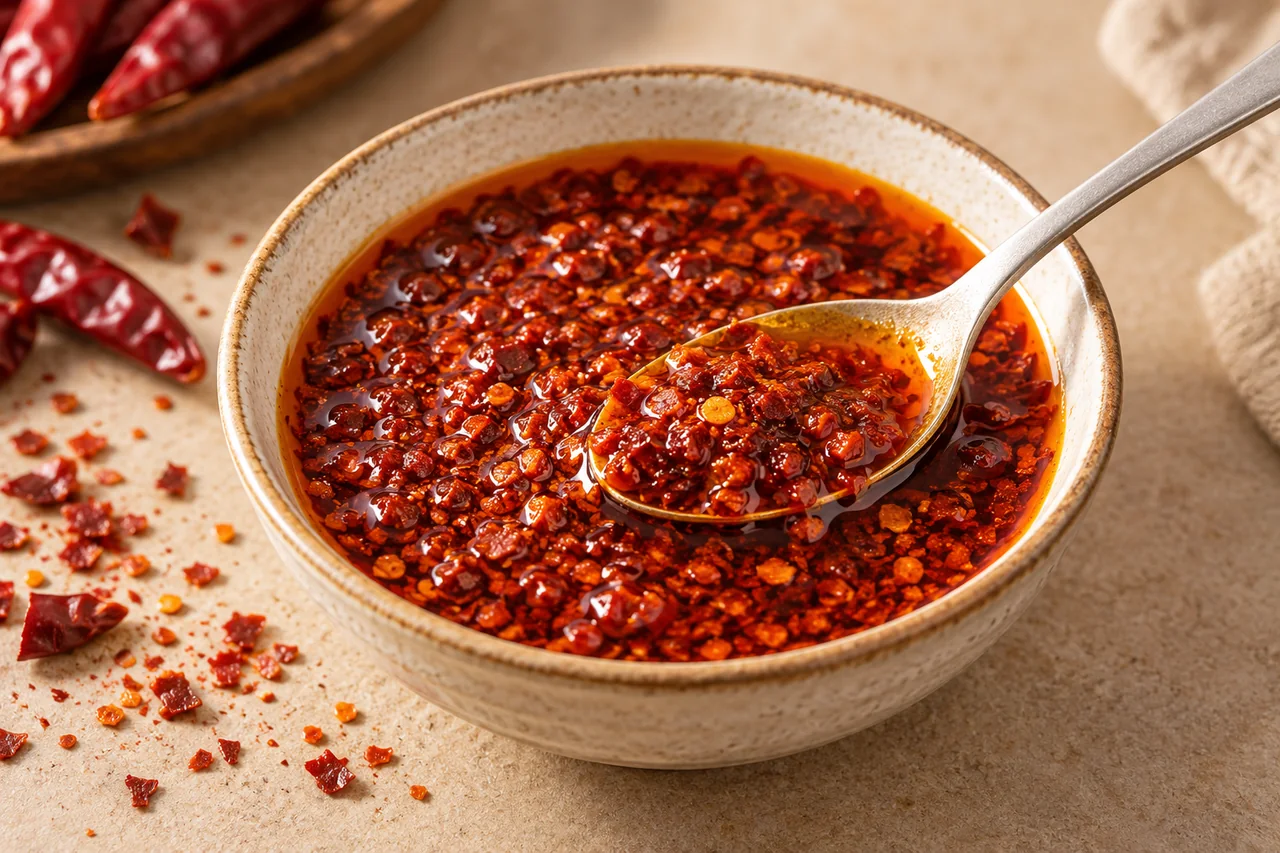
- Prepared pieces
- Cut-pod chili lists 8–12% moisture and 8,000–12,000 SHU.
- Whole-pod alternative
- New Generation pods list 3–6 cm and 50,000–90,000 SHU.
- Two food stages
- Approve visible pieces in the packed base and after normal pot preparation.
Choose the cut and the work your plant retains
Compare ready cuts with the preparation work retained on whole pods.
- 01Ready cut
Receive the agreed shape, seeds and fine fraction.
- 02Whole pod
Measure your remaining cutting work and useful pieces.
- 03Base and serving pot
Approve appearance, skin feel and flavour at both stages.
RELIA SPICES cleans and destems purchased dried chilies, then cuts or crushes, sieves and packs the selected preparation. For hotpot base, define the main shape and accompanying seeds and fines. Cut-pod chili lists 8–12% moisture and 8,000–12,000 SHU; New Generation whole pods list 3–6 cm, 12–14% moisture and 50,000–90,000 SHU.
We check moisture and particle size internally and arrange SHU and microbiology through outside laboratories. In-house steam treatment follows order requirements. Compare the actual prepared cuts or buyer-cut pods through your cooking, portioning and pot preparation before selecting the material.
Use actual material differences to build the shortlist
Different heat profiles cannot be treated as size-only alternatives.
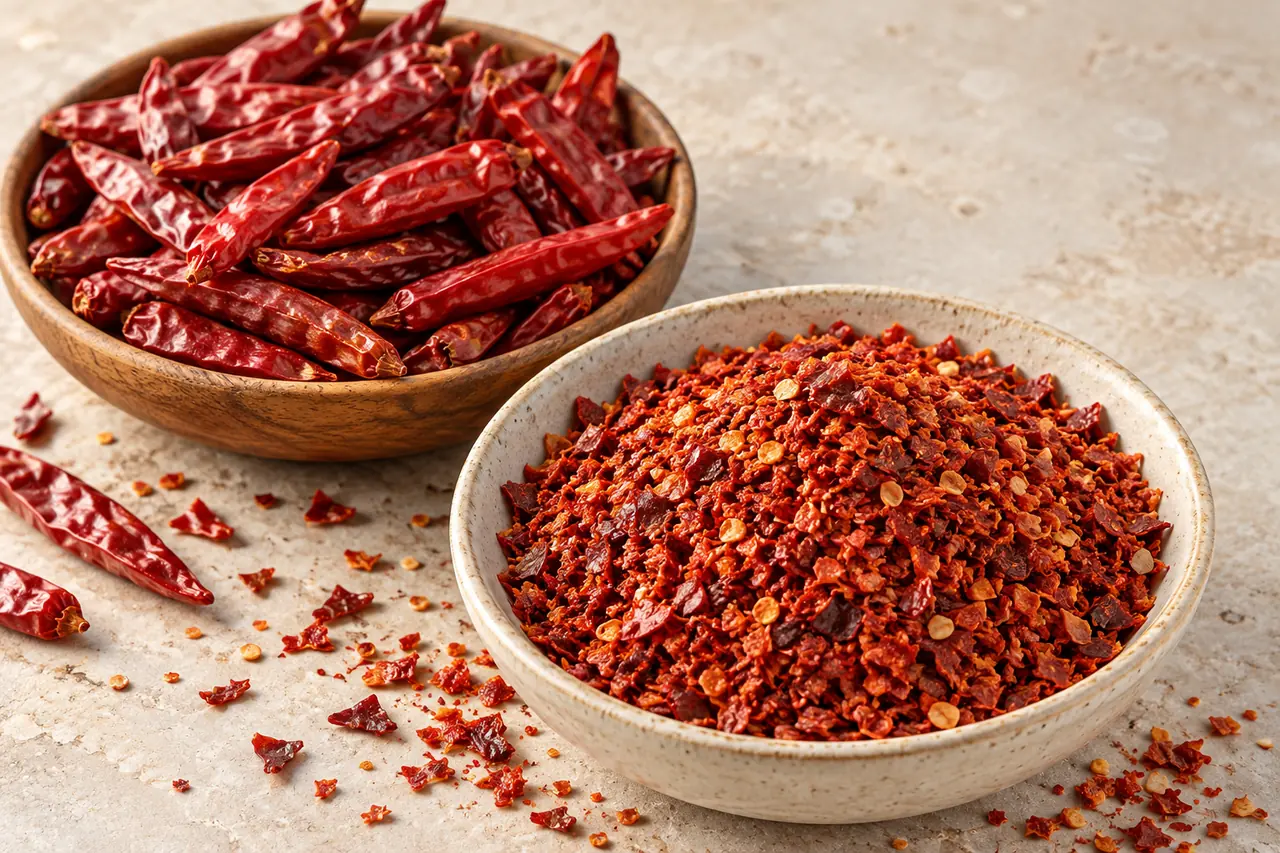
The cut-pod pieces carry moisture 8–12% and heat 8,000–12,000 SHU. The New Generation whole pods list 3–6 cm, moisture 12–14% and 50,000–90,000 SHU, with cleaning before eating. The coarser chili-piece listing offers another preparation discussion but its 20–40 entry lacks a unit and its FD/Blended terms require actual meaning. These are not equivalent-heat pieces. Select the material profile and real cut before trying to isolate cooking integrity.
Ingredients to compare for this application
Cut-pod chili for a ready-piece trial
Compare a segment-like input when you want to agree the supplied cut before cooking.
- Cut-pod presentation with seeds
- 8–12% moisture
- 8,000–12,000 SHU
New Generation whole chili pods
Consider when your plant will cut pods and evaluate useful-piece recovery itself.
- 3–6 cm pods
- 50,000–90,000 SHU
- 12–14% moisture
Coarse chili pieces for spice preparation
Discuss another piece preparation where the actual cut, composition and remaining work need definition.
- Coarse chili-piece presentation
- Spice-preparation use
- 24-month cool, dry reference
These product specifications are a starting point for selecting a grade. Match the proposed material and sample to your food and order requirements.
Define everything accompanying the visible pieces
Specify seeds and fines alongside the main visible piece.
| Fraction | Effect to observe | Useful requirement |
|---|---|---|
| Main pieces | Visible shape in base and pot | Accepted cut and fragments |
| Seeds and loose skin | Eating texture and appearance | Actual accompanying material |
| Fine material | Background colour and portion distribution | Agreed smaller fraction |
Inspect representative equal portions for main pieces, loose seeds, skin and fines. State which fractions are wanted features and which need an acceptance limit.
Keep the trial sample representative of supply. Quietly screening out seeds or fine material before cooking can make a sample look suitable without showing how the delivered preparation behaves.
Follow the pieces from the kettle into the serving pot
Shape retention and comfortable skin texture are different cooking results.
- 01Kettle input
Identify the agreed cut, seeds and fines.
- 02Cooked and packed
Compare skin feel, new fragments and portion distribution.
- 03Serving pot
Approve the final shape, bite and pepper flavour.
Heat and liquid can soften a chili piece while stirring and transfer can fragment it. A recognisable outline may still feel tough; a softer piece may lose the visible shape you want.
Keep the actual oil–water basis, addition point, mixing and heat route with the trial. Retain a dry reference, inspect pieces after cooking, then compare normal transferred and portioned base. Describe broken pieces, loose skin and seed distribution separately. Prepare the packed base in its intended serving liquid and judge shape and bite again. If the pack looks right but the pot does not, use the served result to guide the next cut comparison rather than simply adding more chili.
Check appearance across the portioning run
Check piece loading through the real portioning run.
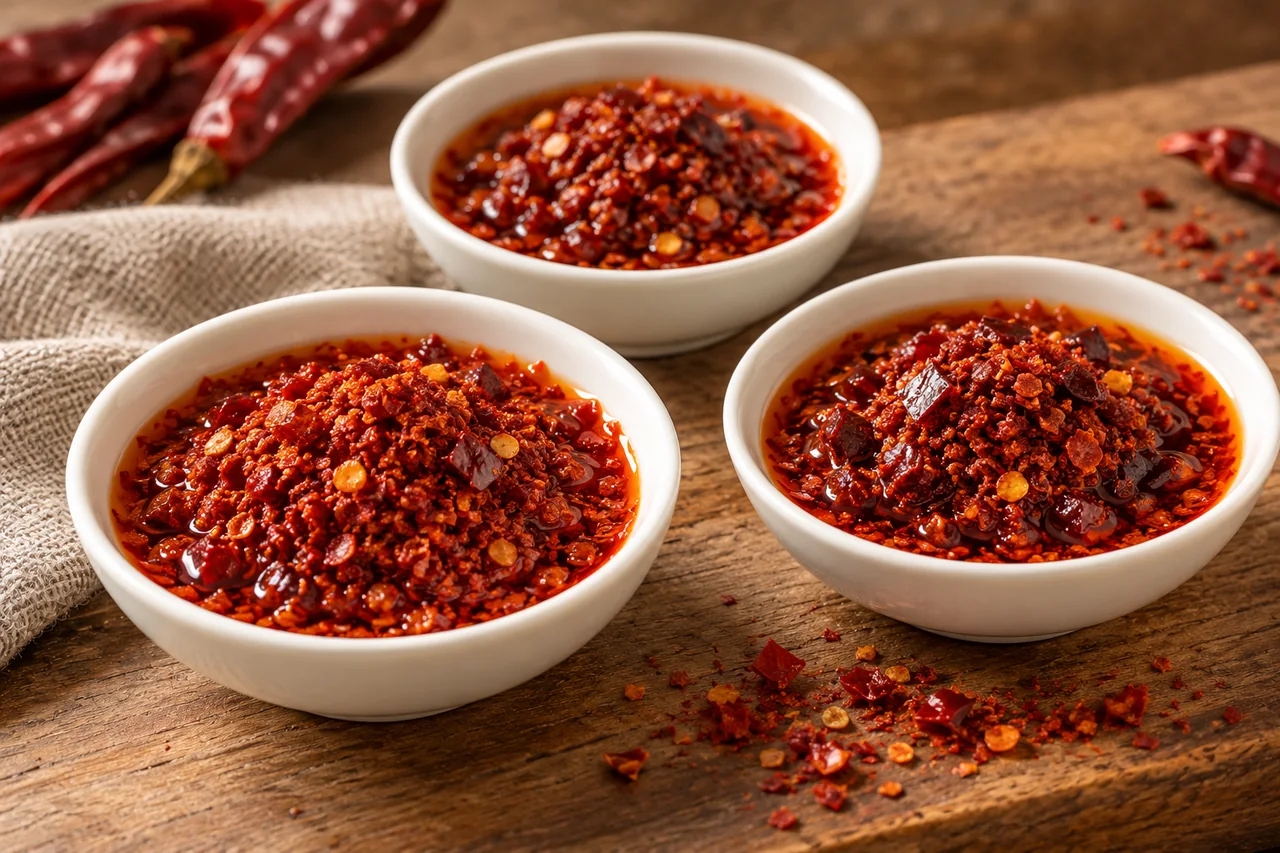
Compare representative early, middle and late portions using your actual agitation or forming practice. Record visible pieces and smaller material on a consistent portion basis. If there is a waiting or restart step, include it. A pleasing sample from the cooking vessel is not proof that each pack contains the intended piece distribution. Keep the total recipe and temperature with the observation so a changed base consistency is not mistaken for an incoming cut difference.
Assess the melted base and normal serving pot separately
The packed base can look right while the served pieces still miss the eating target.
- 01Packed base
Judge visible pieces and distribution in the product as supplied to the user.
- 02Melted base
Observe the actual transition into the intended serving liquid.
- 03Serving pot
Evaluate shape, skin sensation and flavour under the real use method.
Prepare the packed base using the intended serving liquid and amount under your actual operating method. Inspect the pieces, skin feel, seed distribution and pepper flavour at the relevant serving points. The cooked base may pass a packed appearance criterion yet need another cut for the served dish. Research on rehydrated bell pepper separately measures water retention and firmness; it supports examining multiple endpoints, not predicting a chili piece's long-cooking durability in your hotpot.
Keep heat and flavour in the same selected route
A dose change for heat also changes the number of visible pieces.
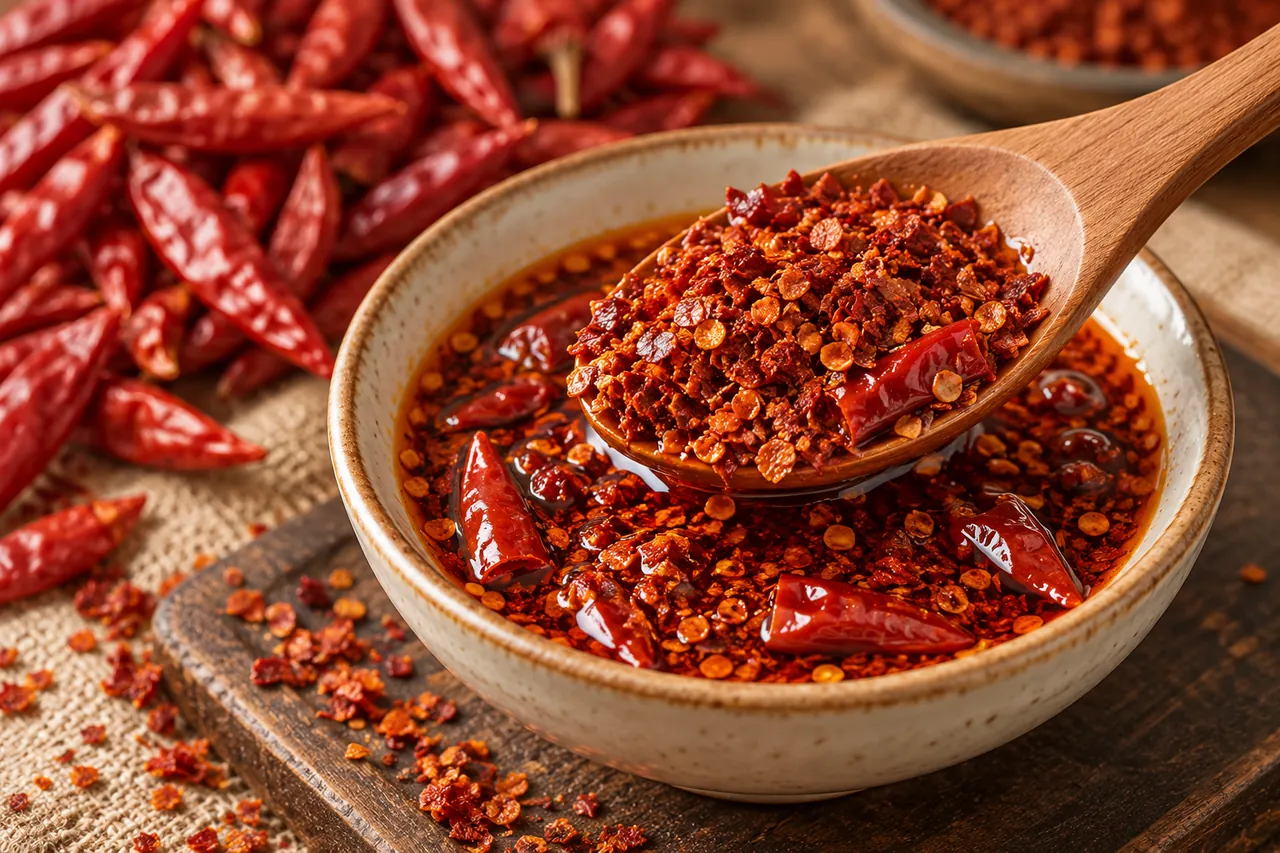
Use the actual recipe dose and an accepted sensory reference when comparing the finished pot. The full pod and cut-pod heat ranges are ingredient declarations, not finished-pot heat and not interchangeable targets. If the dose changes to balance the hotter ingredient, record a new recipe version and revisit visible-piece loading. Pungent aroma wording is also not proof of aroma persistence through base cooking or extended serving.
Compare usable cut output and receiving burden
Include useful-cut recovery and extra preparation in the purchase comparison.
- 01Useful preparation
Record accepted pieces and any measured buyer cutting or sorting loss.
- 02Food endpoint
Meet both packed-base and serving-pot criteria.
- 03Receiving scope
Apply the chosen material's actual package and handling conditions.
For buyer-cut pods, measure useful segments, removed material and any additional preparation time on a clear basis. For ready cuts, include screening or sorting only where it is actually required and measured. Keep each material's own handling declaration: the whole pods state six months cool/ventilated, while other piece preparations use different scopes. These ingredient conditions do not establish the base's life. The purchase should identify the route that meets appearance and sensory targets with acceptable buyer work.
Send a visible-piece hotpot brief
Send packed and served references with the actual cooking and portioning sequence.
- 01Appearance
Show the packed and served shape that defines acceptance.
- 02Preparation
State the buyer and supplier handover for cleaning and cutting.
- 03Comparison
Return cooking, portioning and flavour observations for the identified material.
Send the packed and served piece references, cut and seed criteria, actual base-cooking route and portioning observations. We can discuss the ready-cut or pod preparation, internal particle and moisture requirements and any order-selected steam treatment. Compare the proposed material at its actual flavour profile and usable output.
- Target cut and evaluation stage
- Cleaning and cutting capability
- Actual base-cooking process
- Serving conditions and profile
- Seed, fines and heat criteria
- Sample quantity and packaging
Your next purchasing decision
Plan the chili piece for your hotpot base
Discuss the cut and pepper profile that fit the complete base-to-pot route.
Share the accepted shape in both the pack and serving pot, with the actual cooking and portioning sequence.
Include the heat profile, seed and fine-fraction criteria, preparation work retained in your plant and requested ingredient treatment.
The enquiry page keeps this guide with your message. Add your quantity and destination so we can discuss the relevant material.