
Sesame and Chili Dry Dip Seasoning for Hotpot Buyers
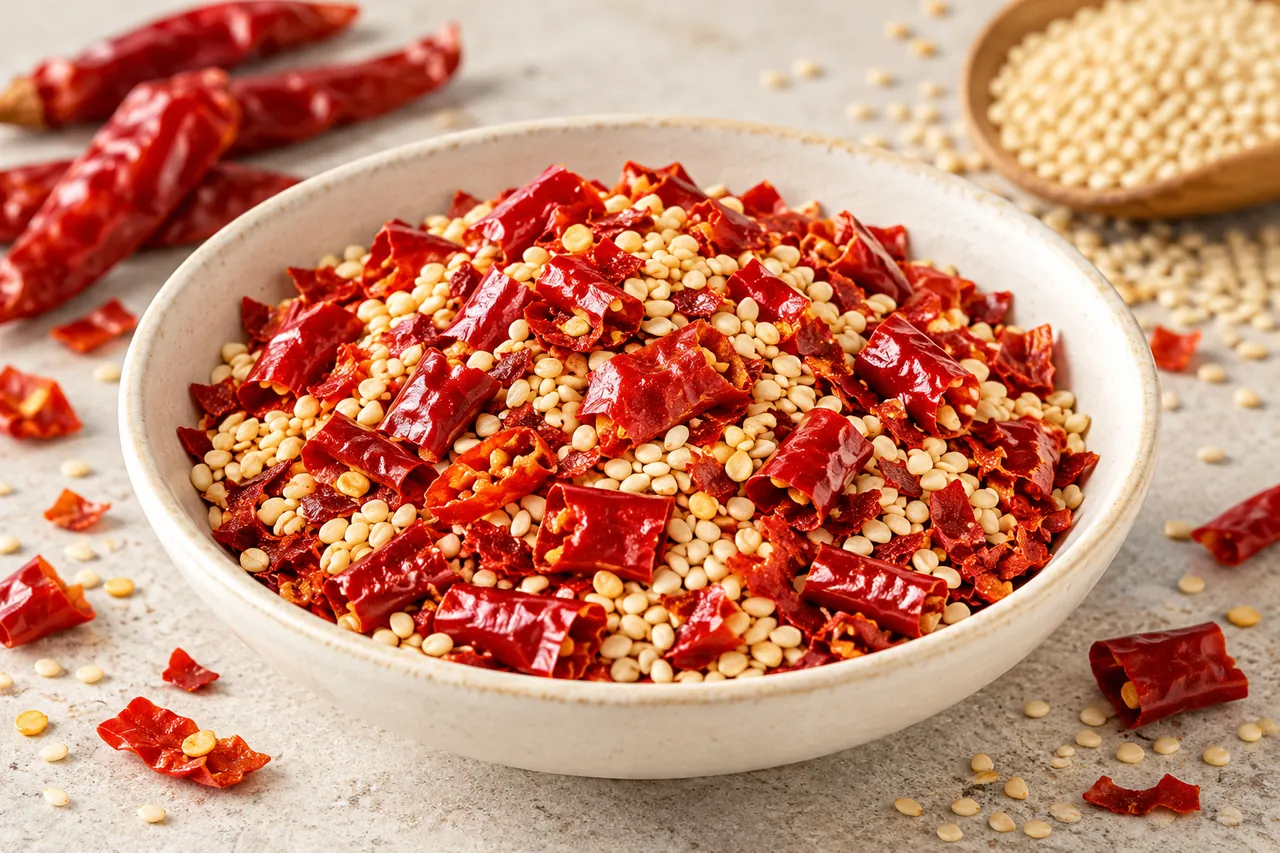
Start with the listed YL61 sesame–chili seasoning when your hotpot service needs both sesame bite and a spicy chili coating. Compare the complete dip on the same cooked food, with the same draining and dipping action. RELIA SPICES can discuss the supplied blend and package. Send your flavour reference, kitchen additions and refill pattern, keeping sesame explicit in the ingredient and allergen information.
- Named blend
- YL61 lists sesame and chili as primary ingredients for hotpot dipping.
- Service fit
- Compare sesame bite, chili pickup and heat on the same drained food.
- Complete ingredients
- Sesame remains an allergen consideration regardless of the no-additives declaration.
Define the blend your kitchen will receive
Define the supplied blend and the preparation or additions your kitchen will make.
- 01Delivered YL61
Agree complete ingredients and sesame or chili particle condition.
- 02Kitchen preparation
Identify additions and handling before the dip reaches the table.
- 03Served bite
Compare pickup, sesame texture and heat on the same food.
The YL61 catalogue seasoning names sesame and chili, a fragrant spicy taste and hotpot-dipping use. Begin with that complete compound preparation, then specify any additions your kitchen makes before service. The listing does not provide a fixed sesame ratio or numerical heat grade.
RELIA SPICES manufactures paprika and chili preparations through cleaning, destemming, size reduction and sieving. Those confirmed chili operations do not establish how this compound dip's sesame is processed or where the complete blend is made. We can discuss the named seasoning's actual composition, supplied stage and package against your service brief.
Read the actual sesame–chili listing as a compound product
YL61 names sesame and chili but does not establish a fixed recipe ratio.
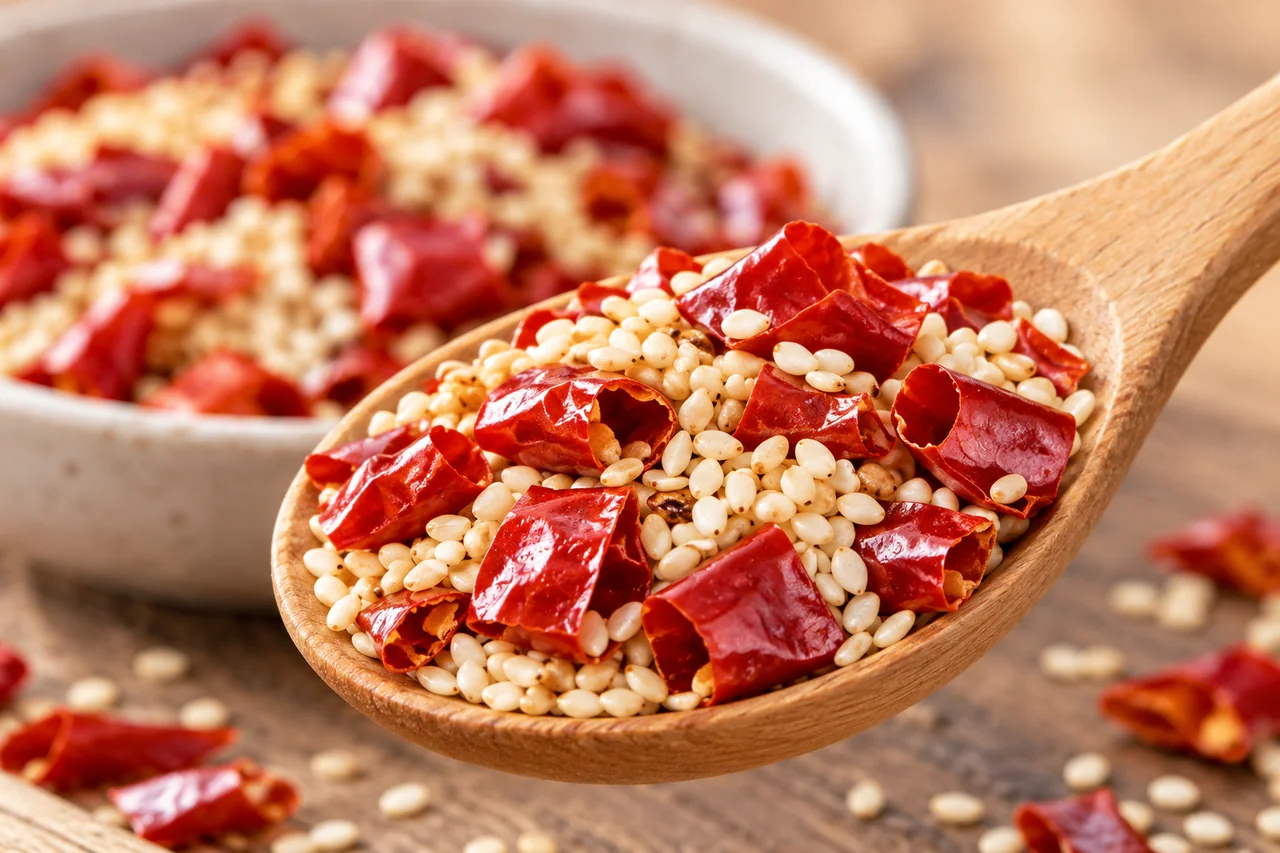
The listed seasoning contains chili powder spices and sesame and is described for hotpot dipping. Use its no-additives declaration as a composition question for the actual offered blend; it is separate from sesame allergen information and from the selected particle balance.
For a useful first comparison, define whether you receive a compound ingredient needing further kitchen preparation or a different agreed supplied stage. A fixed sesame percentage, salt content, numeric heat grade and roasted-sesame process are not specified by this listing.
Ingredients to compare for this application
YL61 sesame–chili dipping seasoning
The single directly relevant compound candidate for a hotpot dip with sesame texture and fragrant chili heat.
- Sesame and chili are primary ingredients
- Fragrant spicy taste; hotpot-dipping use
- Two-year cool, dry storage reference
These product specifications are a starting point for selecting a grade. Match the proposed material and sample to your food and order requirements.
Keep sesame information clear for the finished food
Keep the complete formula, sesame information and additive declaration as separate checks.
| Information | What it tells the buyer | Next action |
|---|---|---|
| Complete formula | What enters the recipe | Check every ingredient against your food brief |
| Sesame and cross-contact | Relevant allergen information | Plan market-specific label and service communication |
| Additive declaration | The chosen blend's additive status | Review separately from allergen information |
Sesame is part of this dip's ingredient identity. Request the complete formula, sesame preparation and relevant cross-contact information for your intended service and destination market.
Assess the no-additives declaration separately. It does not make the seasoning sesame-free or allergen-free. Your responsible food team should review the actual blend and how it is presented to the customer.
Describe texture as a balance of different particles
Describe sesame, visible pepper pieces and fines before comparing serving behaviour.
- 01Sesame condition
Describe whole, broken or other actual seed preparation without assuming roasting.
- 02Pepper fraction
Separate visible skin pieces from fine material that creates a coating.
- 03Representative sample
Use an agreed sampling basis rather than selecting an attractive spoonful.
Sesame seeds, chili skin pieces and fine chili powder contribute different sensations and appearances. Spread a representative dip sample thinly on a contrasting plate, then inspect the seed condition, larger pepper material and fine fraction separately. The aim is to describe the blend being bought, not estimate a precise formula from a photograph. Use the same sample mass and inspection method when comparing a proposed revision; otherwise a larger handful can simply look richer in sesame.
Run the dip comparison on a consistent hotpot bite
Food surface wetness changes seasoning pickup, even when the dip is unchanged.
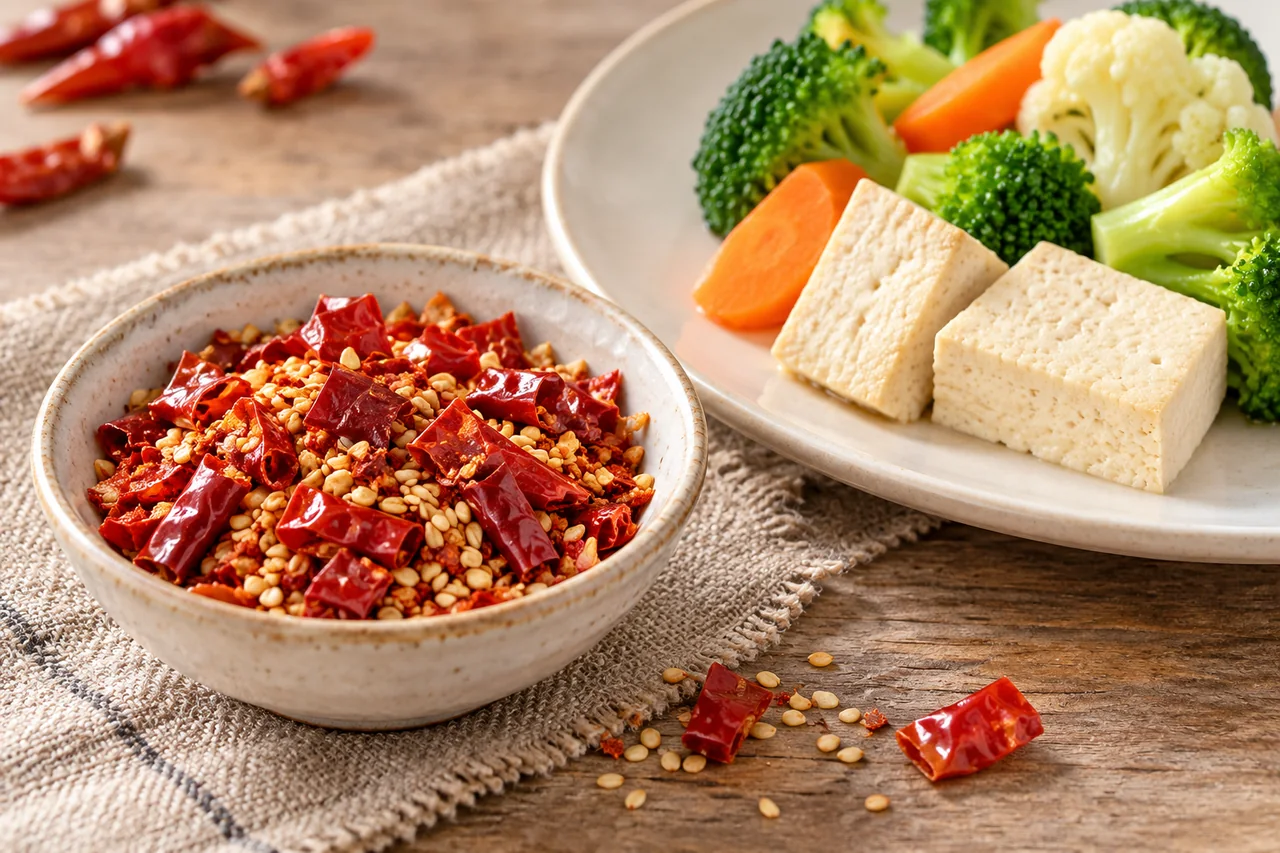
Use the same food piece, draining step and dipping action for each sample. A dripping wet bite carries a different amount of seasoning from a well-drained one, so note surface wetness rather than attribute every pickup difference to the blend. Compare coating, loose residue, sesame bite, pepper character and heat. Keep a dry-dip trial separate from a version mixed with oil or water; changing the serving medium changes the preparation being judged.
Find whether variation starts in the bowl or on the food
Compare refill, bowl positions and dipping pickup before requesting a blend revision.
- 01Different bowl portions
Check redistribution after refill, scooping and normal service.
- 02Different food pickup
Compare food wetness and dipping action before blaming the blend.
- 03Unwanted eating texture
Identify sesame condition, pepper pieces or fines needing adjustment.
Pouring, scooping and dipping can redistribute sesame, pepper pieces and fine powder. A wetter food surface may also pick up more fines. Distinguish those causes before changing the seasoning formula.
Compare equal samples after refill and near the end of the serving bowl. Spread them on the same contrasting plate to inspect sesame, pepper and fines. Then use the same cooked food, draining interval and dipping action to compare pickup and texture. If ordinary stirring restores the desired balance, decide whether that action fits your service. If differences remain, send the sample observations and service method with your request.
Define the open-pack use pattern independently of two years
The two-year bulk-storage reference does not define an open serving bowl's use period.
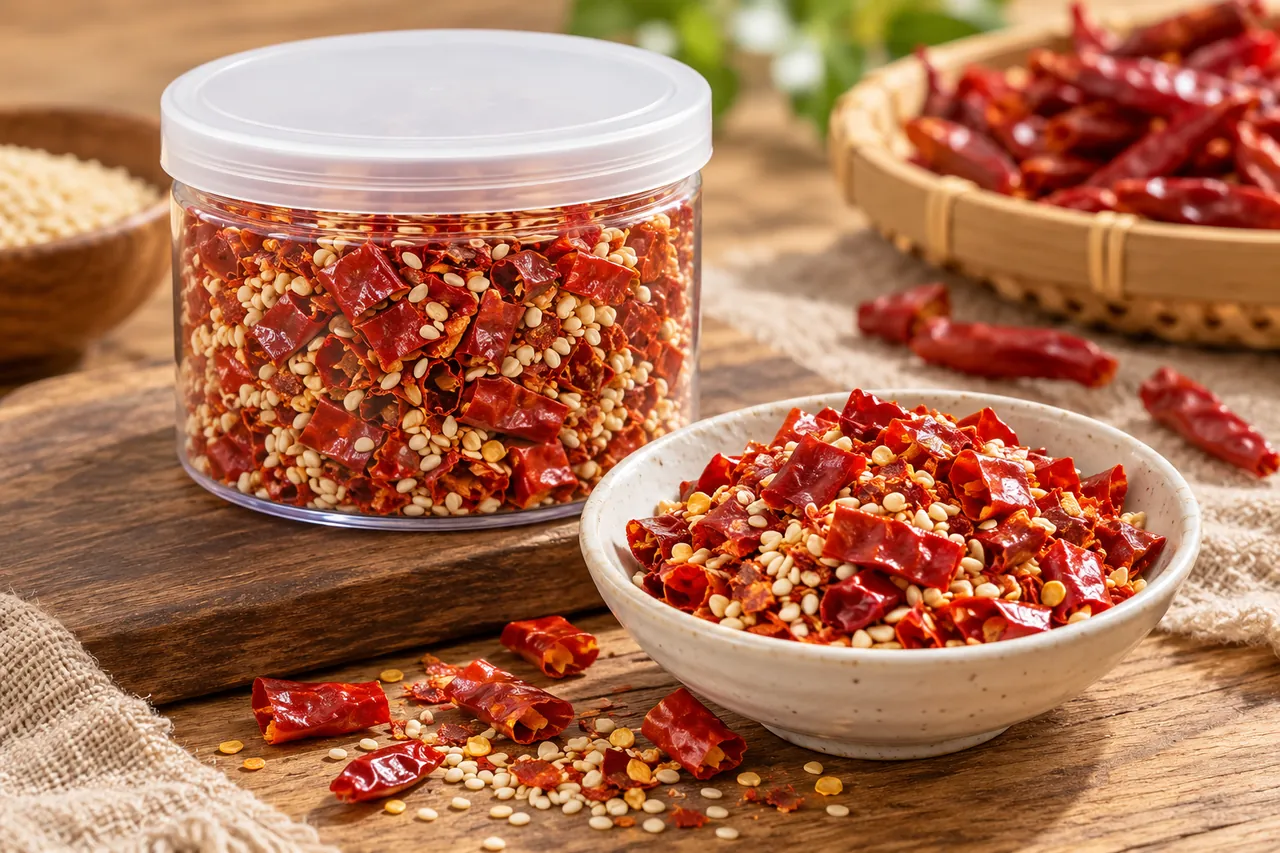
The listed two-year cool, dry period is not an open-bowl service life. State how often the bulk pack is opened, how material is transferred and whether service containers are replenished or replaced. Select a pack size and closure arrangement that matches those practices. Obtain usable preparation and handling instructions for the actual compound seasoning; air-dried wording alone does not establish a completed microbial treatment or ready-to-eat approval for the dip.
Compare the compound offer on the same blend basis
Compare complete blends and measured consumption rather than equal bowl fills.
- 01Material match
Compare complete blends rather than a compound dip price against pure chili.
- 02Serving consumption
Measure actual use where service cost is part of the purchasing decision.
- 03Acceptance
Keep flavour, particle balance and applicable ingredient approval together.
Compare complete ingredients, delivered particle condition and package before comparing kilogram prices. A blend with more fine material may change the amount picked up by the food, while a different sesame preparation can change the eating reference. Record the seasoning used across a defined serving comparison rather than assume equal bowl fill equals equal cost per serving. Keep tasting and physical assessment separate from the quality review needed for the intended use.
Send the serving brief with the compound ingredient request
Send service conditions, complete-ingredient needs and the package you intend to use.
- 01Food and action
Describe the bite, draining and dipping method used for acceptance.
- 02Compound material
State complete-ingredient and sesame-information requirements for the delivered blend.
- 03Commercial discussion
Connect the identified sample, package and quantity without assuming standard terms.
Share your intended hotpot service, food reference, permitted ingredients and desired sesame/pepper texture. Add the actual kitchen preparation, open-pack pattern, relevant allergen requirements and receiving quantity. We can then discuss the existing sesame–chili seasoning as the specific buying object. If a different formula or preparation is requested, its real scope and supporting information need to be established in the offer; customizable wording alone does not promise any recipe or ingredient proportion.
- Intended dipping service
- Permitted and excluded ingredients
- Sesame and other allergen documents
- Particle and flavour reference
- Preparation and opening pattern
- Quantity and packaging
Your next purchasing decision
Discuss the sesame–chili dip for your service
Discuss the sesame texture and chili pickup your hotpot service needs.
Send the hotpot food reference, desired sesame texture and chili pickup, together with any kitchen additions and refill practice.
Keep complete ingredients, sesame information, supplied preparation and package requirements in the same enquiry. This page concerns the named compound seasoning, not an allergen-free chili material.
The enquiry page keeps this guide with your message. Add your quantity and destination so we can discuss the relevant material.