
Whole Dried Chilies for Visible Cooked-Dish Ingredients
For a visible whole chili in cooked food, choose pod size and heat separately. Start with Sanying for its longer pod and lower declared heat range; compare New Generation when a shorter, stronger ingredient is wanted. We can discuss the cleaned and destemmed condition. Send the served dish and whether the pod is eaten, left aside or removed so the sample addresses shape, seed release and local heat.
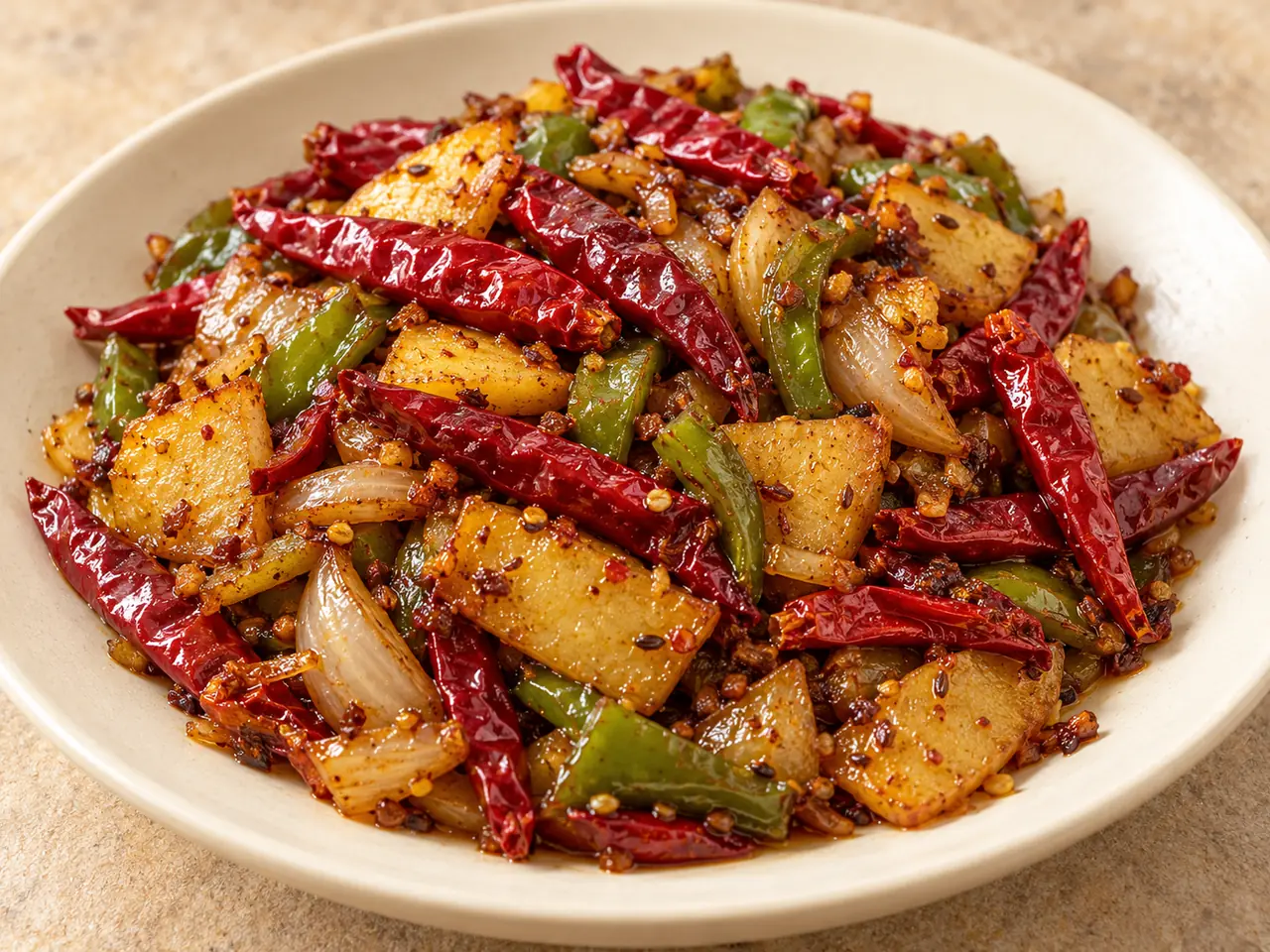
- Longer, lower-heat reference
- Sanying lists 7–9 cm and 3,000–5,000 SHU, with broken rate at 1% maximum.
- Shorter, stronger reference
- New Generation lists 3–6 cm and 50,000–90,000 SHU; size does not predict heat.
- Served-food role
- State whether the pod is eaten, left aside or removed before serving.
Prepare the pod for its place in the dish
Agree the cleaned whole-pod condition before deciding whether further cutting belongs in the order.
- 01Visible and eaten
Judge cooked skin, seeds and local heat in the serving portion.
- 02Visible flavour input
Assess the surrounding food as well as the pod left on the plate.
- 03Removed in preparation
Define the removal route separately; bag containment belongs to a different material brief.
RELIA SPICES cleans, removes foreign matter and destems purchased dried chilies. For a whole-pod order, agree the stem or calyx condition and broken fraction without assuming a cutting step. Explain whether the pod is eaten, left aside or removed during preparation.
We check moisture and particles internally and use external laboratories for ASTA, SHU and microbiology. In-house steam microbial reduction is selected according to order requirements. The prepared pod supports your cooking comparison; the served shape and heat still need to fit your dish.
Compare pod size and heat separately
Keep the full listing size and heat ranges attached to the actual selected preparation.
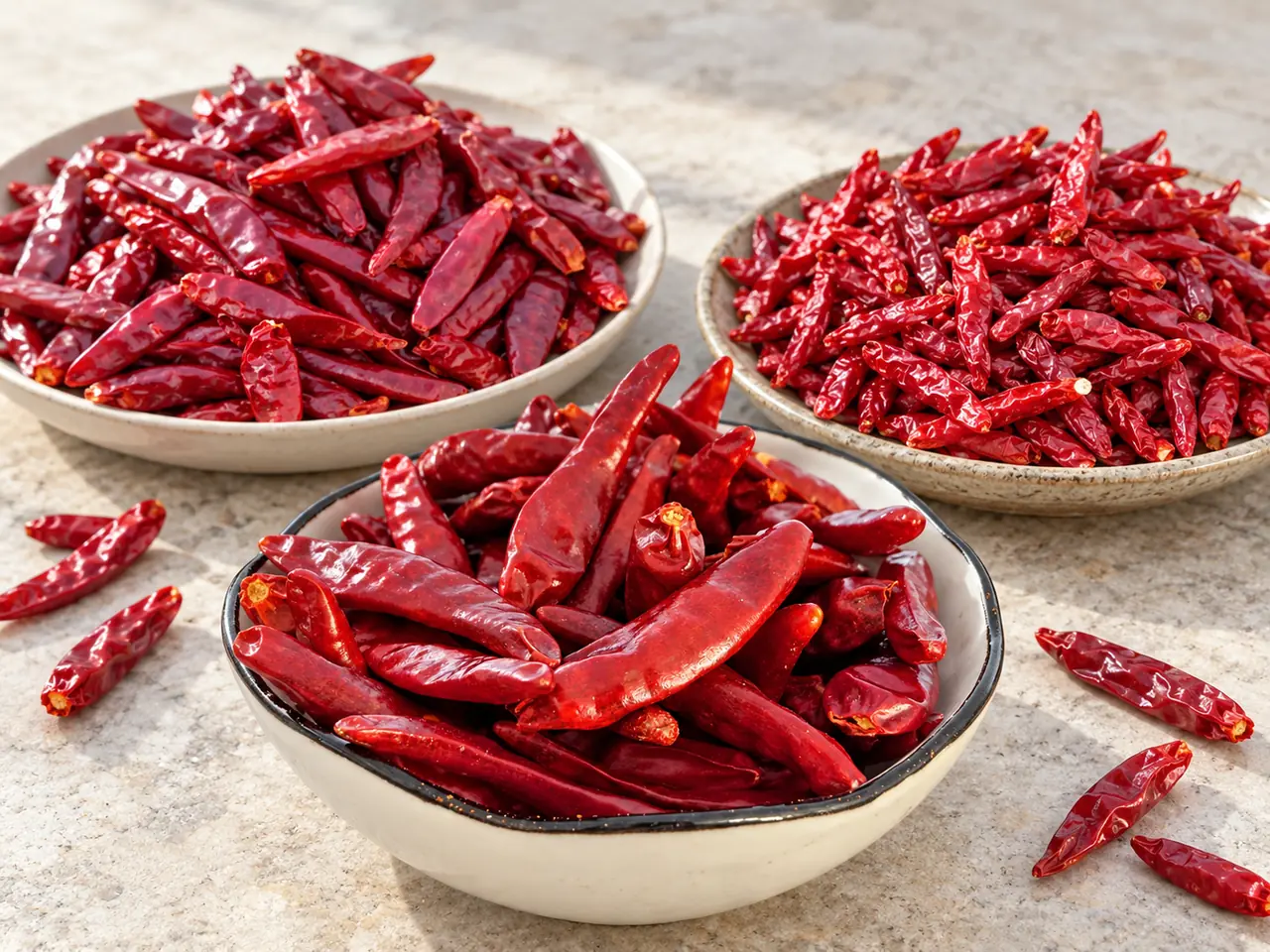
Sanying red chili gives a 7–9 cm size reference, 3,000–5,000 SHU, moisture at 12% maximum, impurity at 0.3% maximum and broken rate at 1% maximum. New Generation gives 3–6 cm, 50,000–90,000 SHU, 12–14% moisture and impurity at 1% maximum. Keep the full ranges and their relevant methods. These are distinct listing references rather than measured values for every order. The other whole red chili candidate has a supported pod presentation but no established numerical heat or pod-length specification.
Ingredients to compare for this application
Sanying for a longer visible pod
A first comparison when the dish needs visible whole pepper with the lower declared heat reference.
- 7–9 cm and 3,000–5,000 SHU references.
- Moisture 12% maximum; impurity 0.3% maximum.
- Broken rate 1% maximum; 24 months with cool, dry storage.
New Generation for a shorter, stronger pod
A separate choice when the desired whole-pod role calls for its higher declared heat range.
- 3–6 cm and 50,000–90,000 SHU references.
- Moisture 12–14%; impurity 1% maximum.
- Six months in a cool place with ventilation; no extra dry condition is inferred.
These product specifications are a starting point for selecting a grade. Match the proposed material and sample to your food and order requirements.
Follow the pod from preparation to the portion
Inspect splits and loose seeds before cooking to locate the first loss of intact shape.
| Decision | Incoming criterion | Served-food comparison |
|---|---|---|
| Stems and calyx | Agreed cleaned and destemmed condition | Unwanted plant parts in the portion |
| Splits and loose seeds | Actual broken fraction and seed condition | Locate when fragments first appear |
| Moisture and heat | Material-specific checks and full SHU reference | Skin bite and local heat under the same route |
| Pod role | Eaten, left aside or removed | Appearance and surrounding-food flavour |
Cleaning and destemming define the material supplied, but an intact dry pod may still split during hydration, mixing or cooking. Specify splits, broken pods and loose seeds separately before comparing the cooked result.
We check actual moisture internally; Sanying's 12% maximum and New Generation's 12–14% range are different declarations. Relevant external heat evidence belongs to the selected material. Keep preparation, oil or water contact and agitation fixed, then inspect before preparation, after hydration and at service. Fragments present before cooking point to a different change from local burn beside an otherwise intact pod. This sequence guides the next prepared-pod choice without promising zero breakage or a fixed cooked heat level.
Follow the pod through your real preparation
Use your real oil or water contact and cooking route rather than a universal heat-retention assumption.
- 01Before preparation
Inspect splits, stems and loose seeds in the incoming material.
- 02After buyer preparation
Retain any cleaning or hydration route when comparing the candidates.
- 03At service
Inspect whole pieces and fragments in the surrounding dish after the actual cooking route.
Keep the buyer’s preparation and cooking route fixed for the first comparison. Inspect the pods before preparation, after any hydration or cleaning, and after cooking to find where splits or fragments first appear. Original research on Mexican peppers found different colour and capsaicinoid changes between boiling and grilling. Those fresh-pepper experiments do not predict these dried pods or supply a recipe. They support keeping the actual route in the comparison instead of making a universal claim that cooking always reduces heat or preserves red colour.
Inspect the portion rather than only the remaining pods
Judge local heat and fragments in the surrounding food as well as the recovered pod.
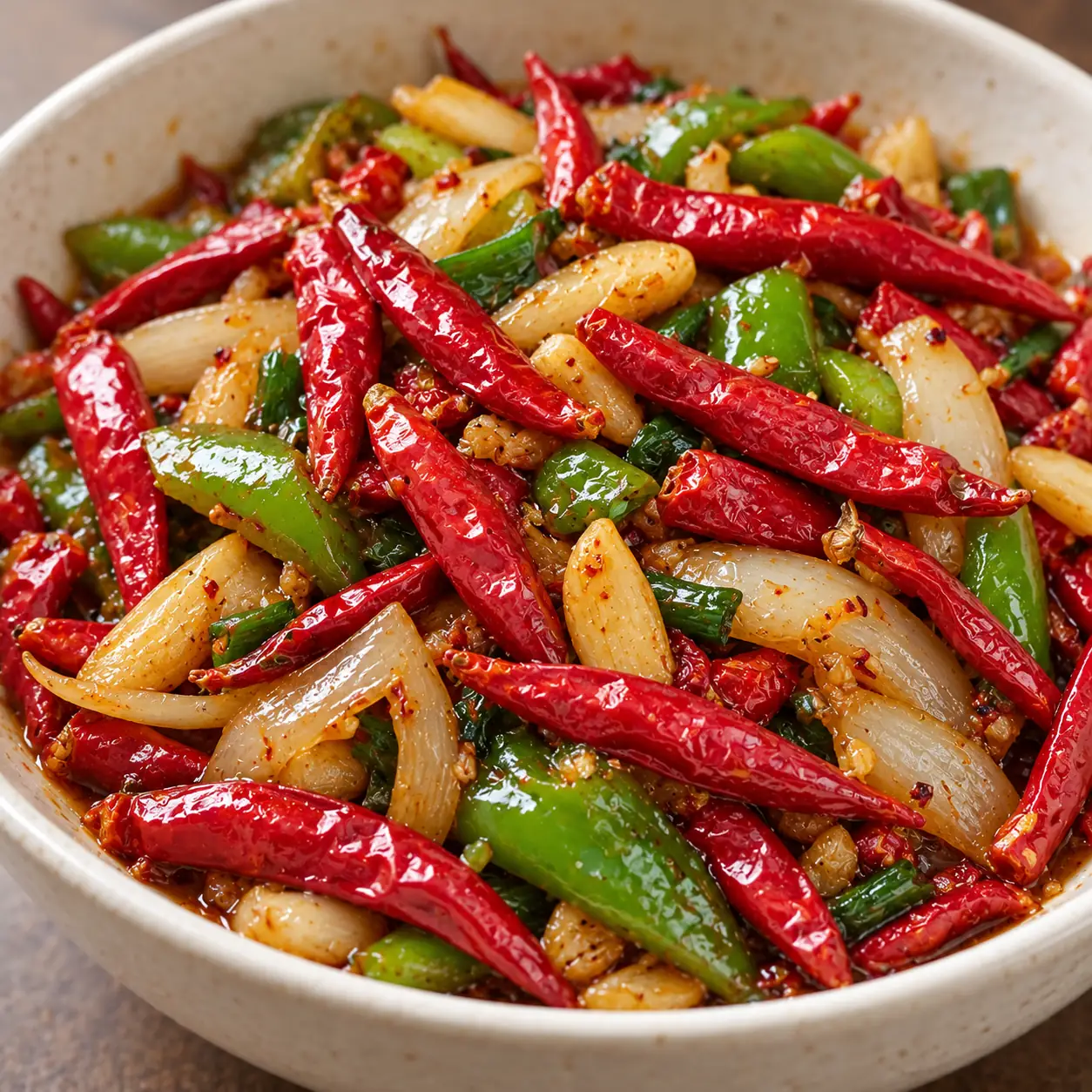
Assess the served portion as well as the recovered pods. Look for fragmented skin or released seeds in the surrounding food, local burn near a pod and background pepper character away from it. If the appearance is right but the food is too pungent, compare the lower-heat ingredient role before removing the visual feature completely. If intactness fails before flavour is reached, a different prepared cut may be more appropriate than forcing a whole pod into the dish. Keep these choices based on the actual food, not a raw SHU calculation alone.
Match selected treatment to the actual pod preparation
A good cooked appearance does not establish the ingredient's microbial treatment or ready-to-eat status.
- ✓Other whole red chili
Do not eat directly is the written instruction; usable preparation steps are needed.
- ✓New Generation
Clean before eating does not establish an executed microbial reduction treatment.
- ✓Sanying
Raw and AD descriptions do not supply ready-to-eat approval.
RELIA SPICES has in-house steam microbial-reduction equipment used according to order requirements. Establish the selected material's execution and applicable external microbiological evidence separately from our cleaning and destemming. Retain its preparation instruction: New Generation says clean before eating, the other whole-pod listing says do not eat directly, and Sanying carries raw/AD descriptors. Agree usable instructions for the supplied condition and your cooking route. Neither a good cooked appearance nor equipment availability alone establishes ready-to-eat approval or a universal reduction outcome.
Keep each storage declaration in its own scope
Keep each pod's storage declaration separate from cooked-dish holding.
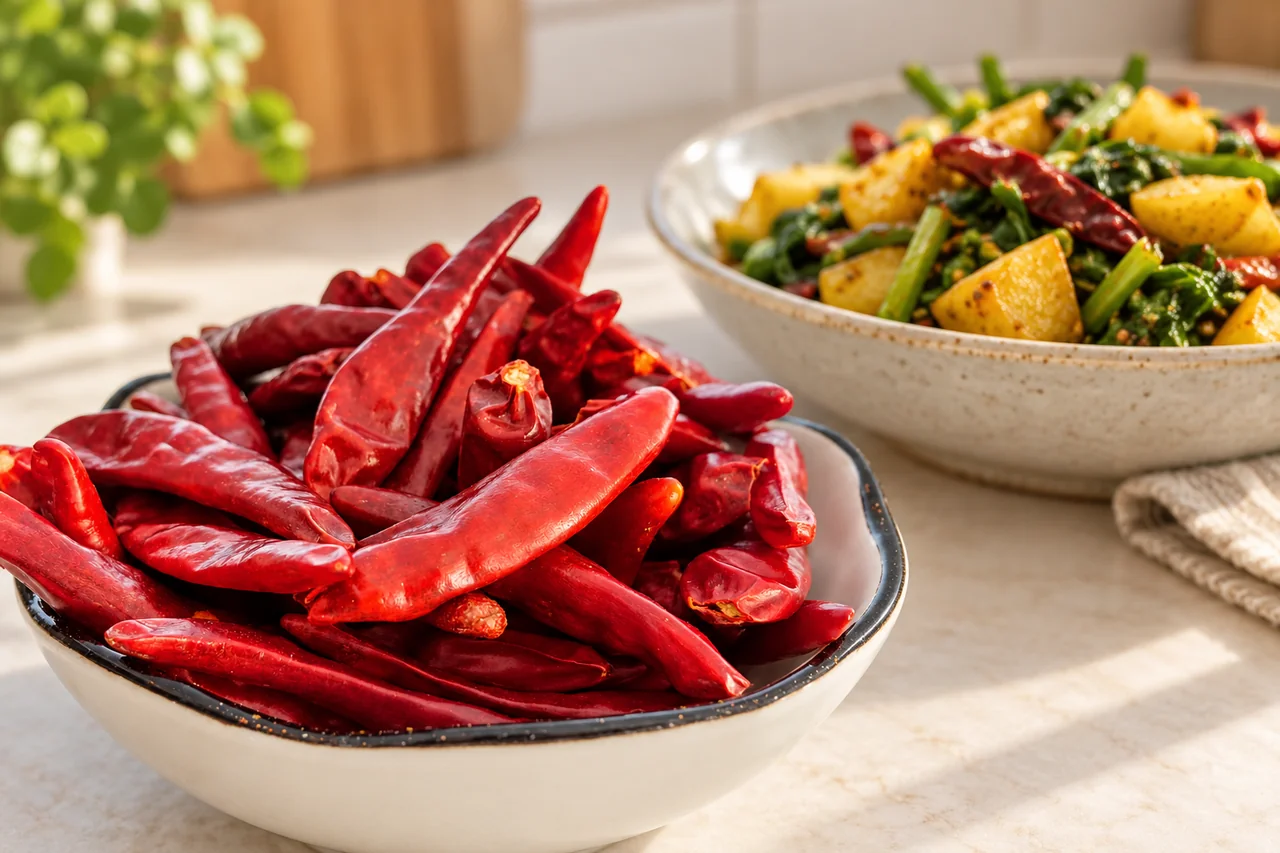
Sanying pairs 24 months with cool, dry storage. New Generation pairs six months with a cool place and ventilation; do not add a dry condition that its own declaration does not supply. The other whole red chili gives 24 months with cooler storage, not an established ambient-storage specification. Tie the selected package and actual handling to the appropriate statement. These periods concern incoming material and do not rank cooking quality. They cannot establish the life of the finished dish or of a prepared pod after opening and hydration.
Request a dish-specific whole-chili offer
Solve excessive heat and fragmented shape as different defects.
- 01Right shape, excessive heat
Compare an identified lower-heat ingredient role instead of assuming size controls pungency.
- 02Right flavour, fragmented shape
Review actual preparation and consider whether a defined cut better fits the dish.
Ask for an offer describing the exact whole-pod preparation and the acceptance criteria demonstrated in your dish. Include the actual dose, served appearance and heat target, plus limits for stems, broken pieces and unwanted seeds where relevant. Compare size, heat and preparation as separate criteria; paying for a visually larger pod is not justified if it must be broken before serving. If the proposed material is not fully defined, clarify it before comparison. If it is defined and misses the dish, use that result to choose another role or form.
Send the whole-pod dish you want to match
Send the served shape, pod role and cooking route with the candidate request.
- 01Describe the role
State eaten, left aside or removed, with a photograph of the intended portion.
- 02Describe the route
Include actual preparation, oil or water contact, mixing and cooking.
- 03Describe acceptance
Separate served shape, heat, skin and seed criteria before discussing the whole-pod offer.
Share a dish photograph, the intended pod role and your preparation and cooking route. Describe the accepted served shape and heat separately, including unwanted stems, seeds or fragments. Link the Sanying or New Generation candidate and we can discuss the actual whole-pod preparation, treatment and relevant documents, then agree sample and package scope for that dish comparison.
- Dish and whole-pod role
- Pod dimensions and served appearance
- Stems, seeds and cleaning needs
- Actual cooking route
- Heat and bite reference
- Documents, package and quantity
Your next purchasing decision
Choose a whole chili around the dish you serve
Choose a whole chili around the actual portion rather than a dry display.
Send the dish photograph and intended pod role to Qingdao Relia Spices Co., Ltd. / RELIA SPICES. Name the size, heat and prepared-condition priorities separately so the offer addresses your actual portion.
The enquiry page keeps this guide with your message. Add your quantity and destination so we can discuss the relevant material.