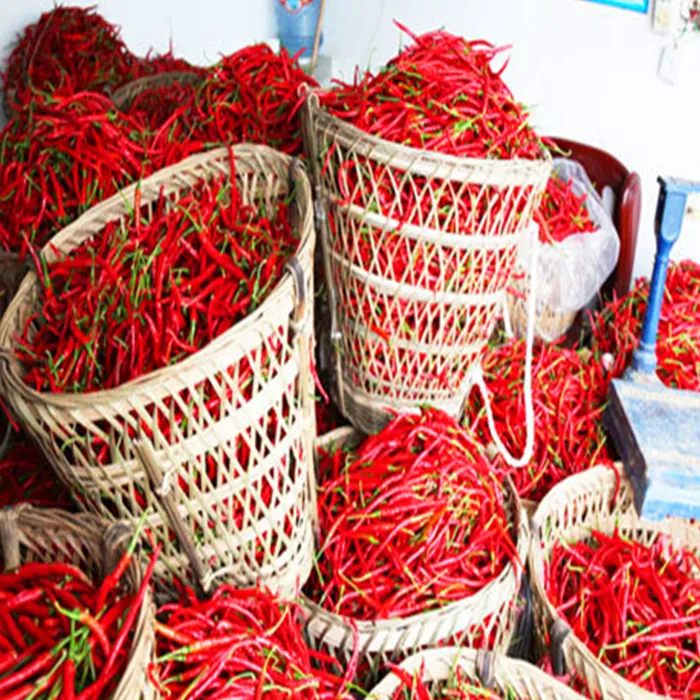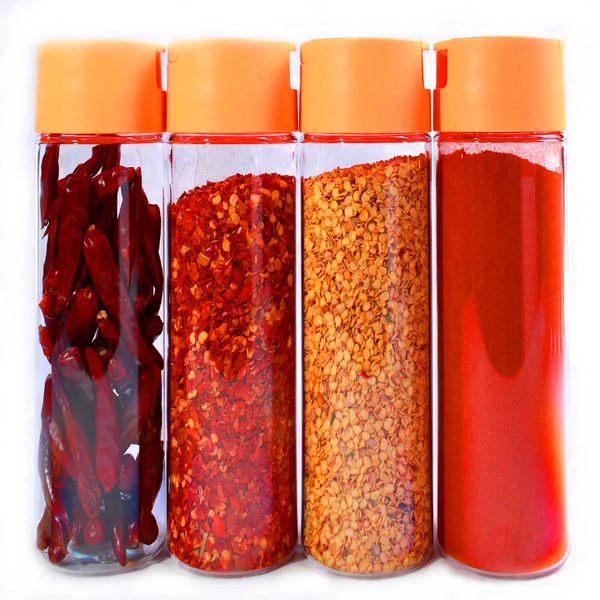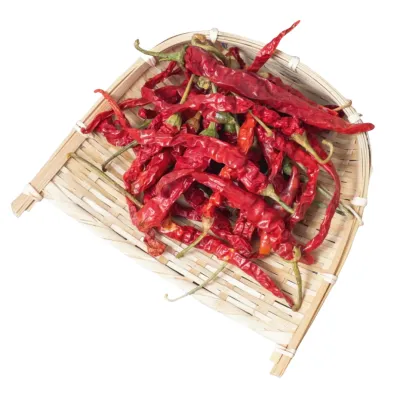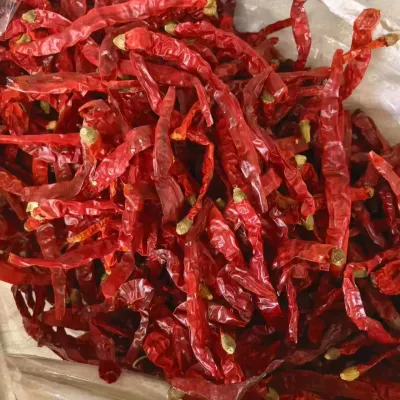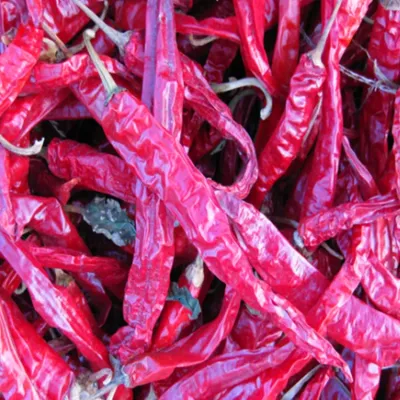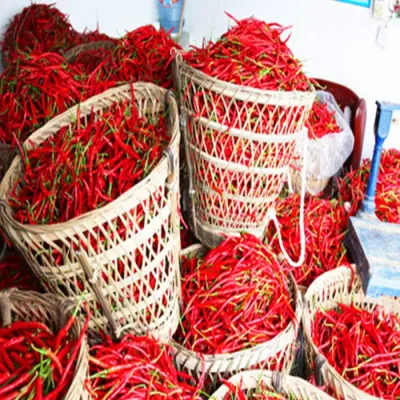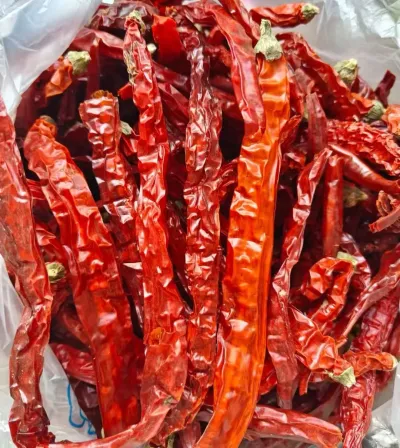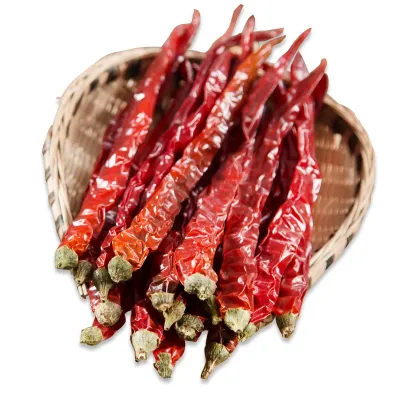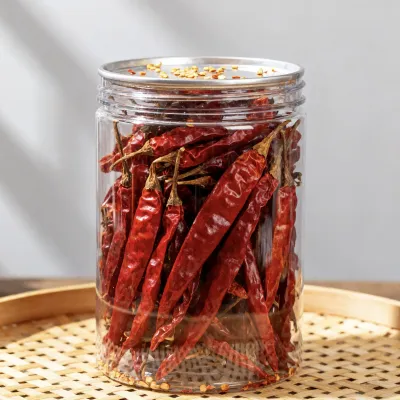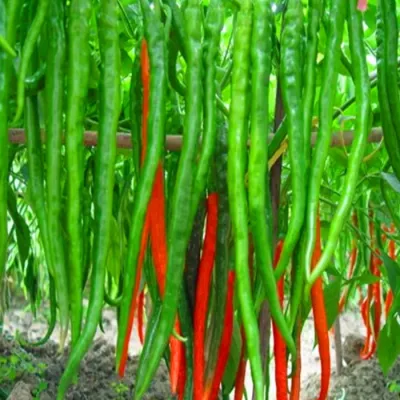
- Storage Typecool and dry placeSpecification100g(3.53oz)
- Product TypeSingle Herbs & SpicesIngredientschilli only
- ContentDried Red ChileInstruction for Usehotpot dipping
- Drying ProcessADStyleDried
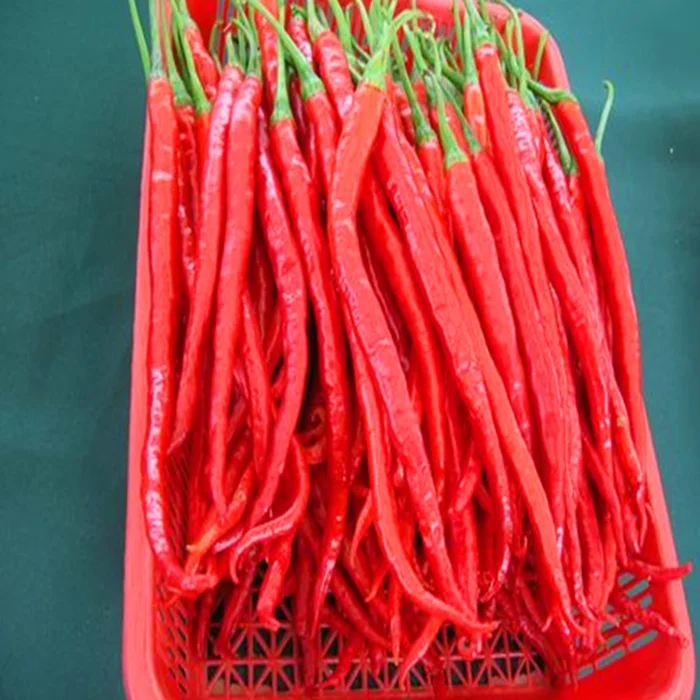
- Processing TypeRawShapeStick
- Weight (kg)25Shelf Life6 month
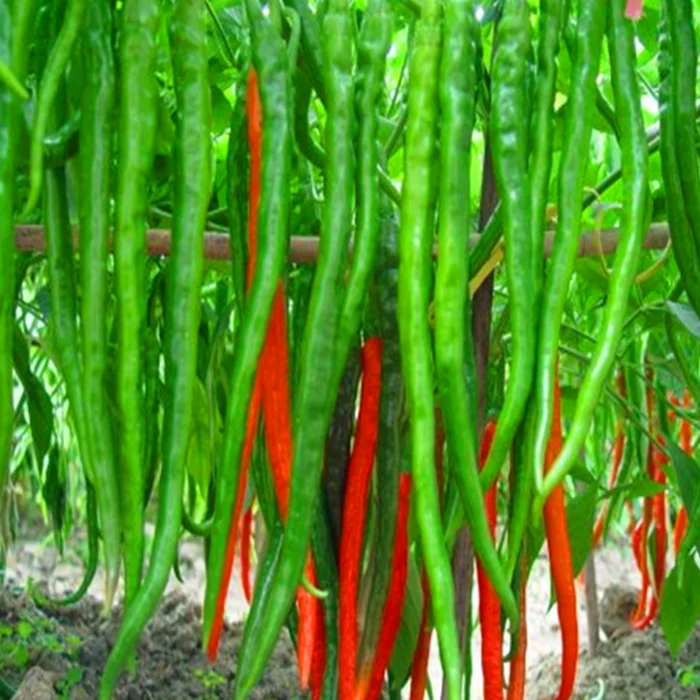
- TypeChilli & PepperNameErjingtiao chili
- FlavorStrong & Pungent Chilli FlavorMoisture8-12%
- Total Ash3%maxBroken Rate1%max
- Packingvacuum bag, woven bag or as customers' demandCertificationISO
- ColorRED
Build a hotpot-dipping ingredient brief around whole dried Erjingtiao red chili. Confirm the actual pod preparation and complete ingredient declaration before deciding how the material fits your operation.
Whole pods and preparation choices
Discuss the required pod, seed and stem conditions for the whole chili. If a different preparation is needed, agree its actual form and acceptance separately rather than assuming a cut or powder option.
Three criteria to review separately
The described moisture range is 8–12%, with total ash at 3% maximum and broken rate at 1% maximum. Request the relevant methods, standards and evidence applicable to the offered whole-pod material and selected lot; total ash is a distinct criterion from broken rate.
Details for the ingredient brief
- Erjingtiao whole dried red chili and the intended hotpot-dipping operation.
- Actual pod condition, seed and stem requirements, and complete ingredient/additive records.
- Moisture, total-ash and broken-rate methods, limits and selected-lot applicability.
- Required sensory or heat acceptance, with relevant evidence for any measured heat requirement.
- Actual preparation, applicable ISO documents, packing and six-month receiving conditions.
Six-month handling conditions
The shelf-life description is six months, accompanied by storage in a cool, dry place. Establish how that period applies to the actual preparation, packaging and receiving plan, including any handling needed before the ingredient enters the recipe.
Complete the order specification
Obtain the actual drying and preparation sequence, clarify raw processing and request any additional treatment records your operation requires. Where ISO documentation is needed, check its holder, issuer or standard, scope, validity and product/process relevance before agreeing the actual packing and commercial acceptance.