- Storage TypeDry placeSpecification25KG(55.12lb)
- Product TypeSingle Herbs & SpicesIngredientsNone
- ContentNatural chili powderInstruction for UseUsed for food
- Drying ProcessADStyleDried
- Processing TypeRawShapePowder
- Weight (kg)1Shelf Life1 year
- TypeChilli & PepperNameChili powder
- TasteSpicyGradeTop Grade
- ApplicationSeasoningVariety100% Natural Product
- MOQ1 bagPacking25kg/bag
- ColourRedSize10-40 mesh,10-20mesh,60mesh
- Moisture11% MaxColorRed
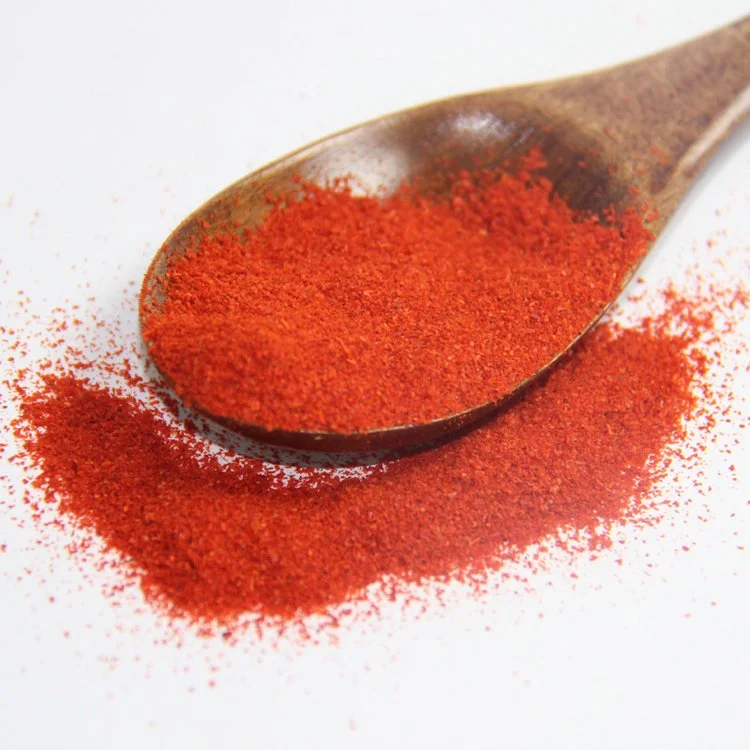
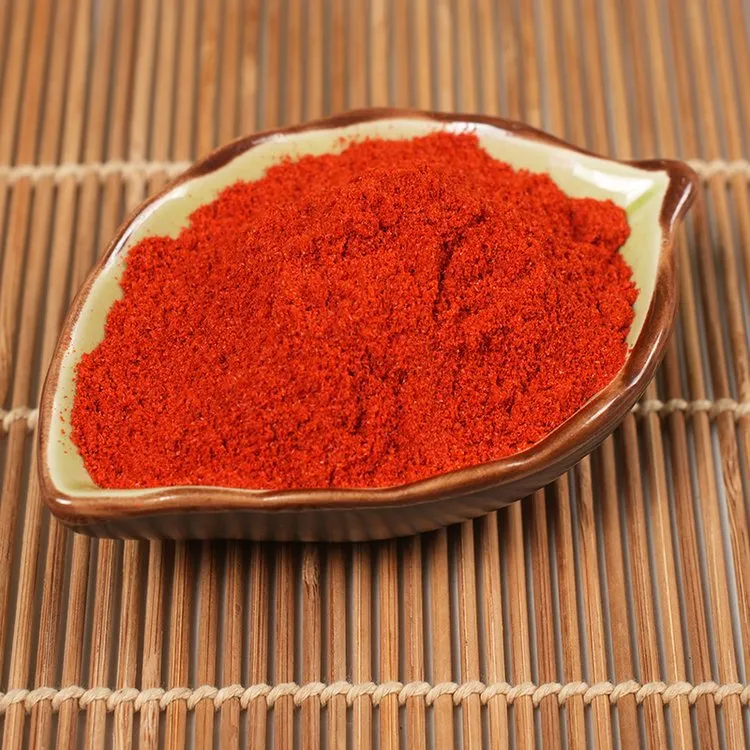
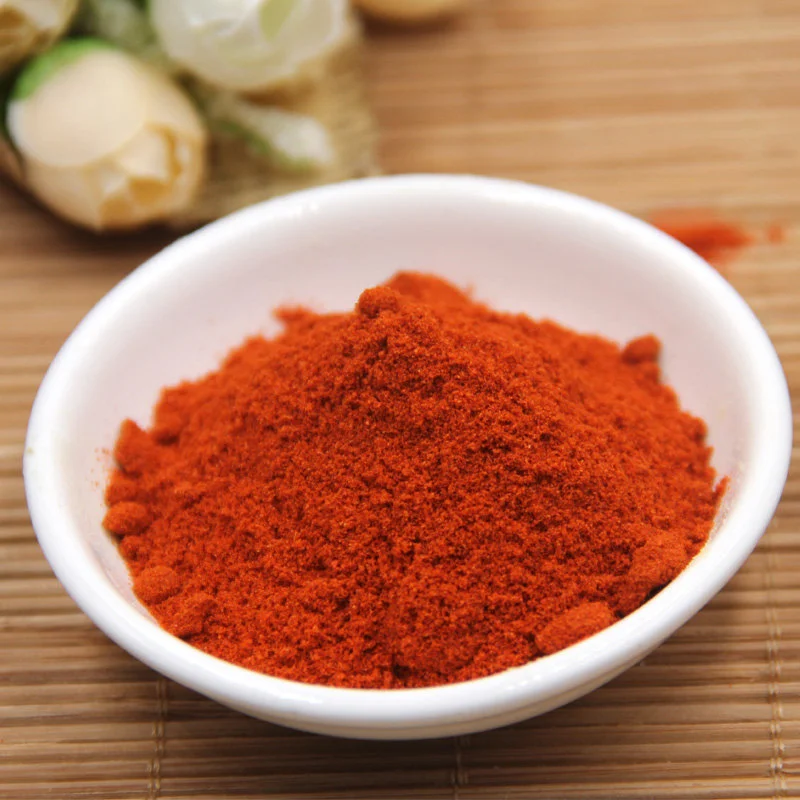
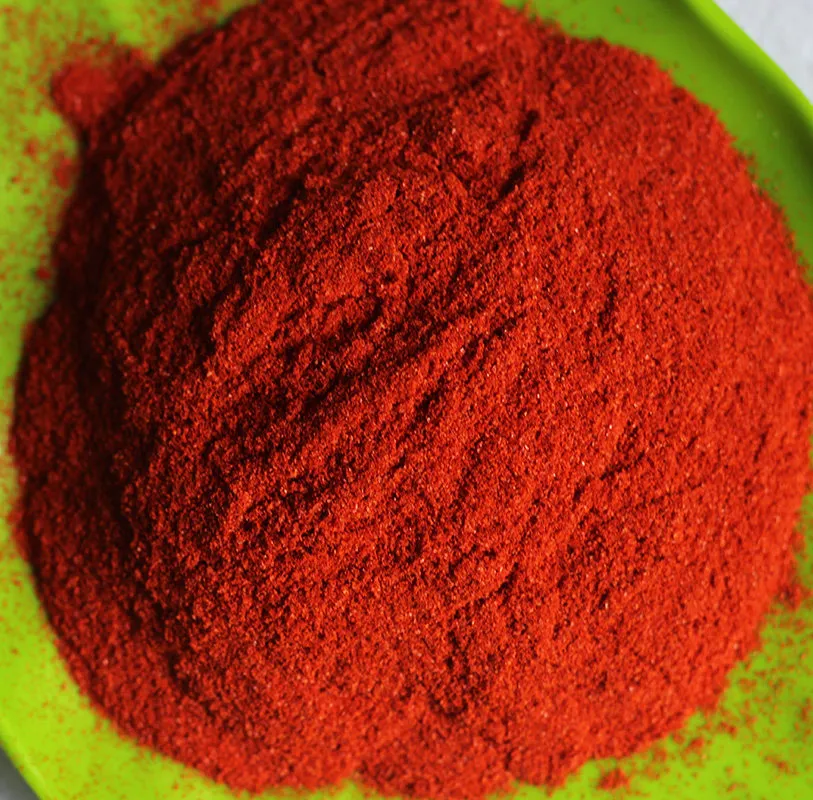
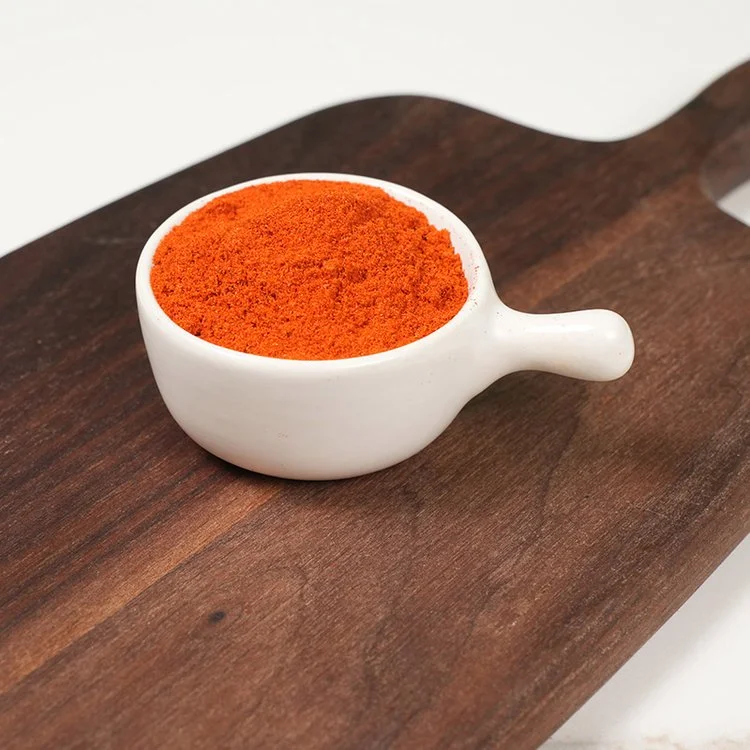
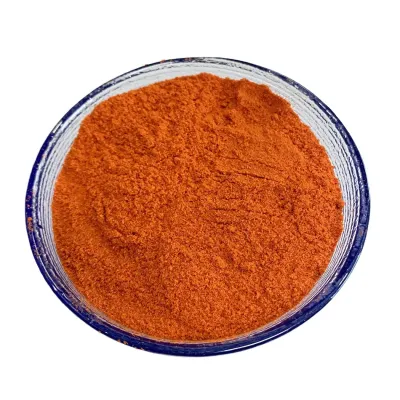
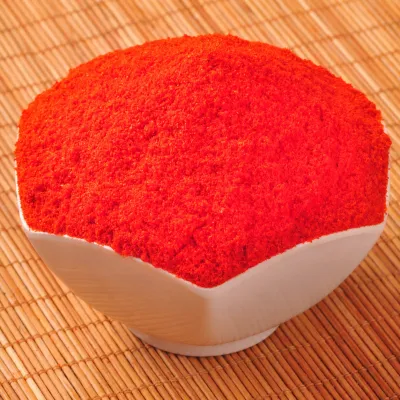
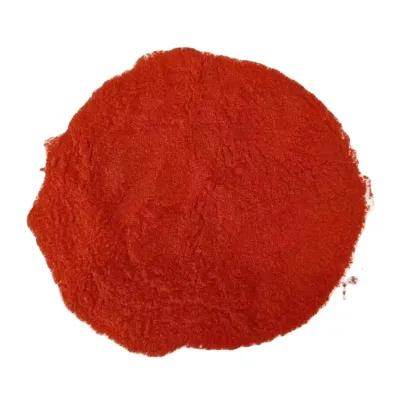
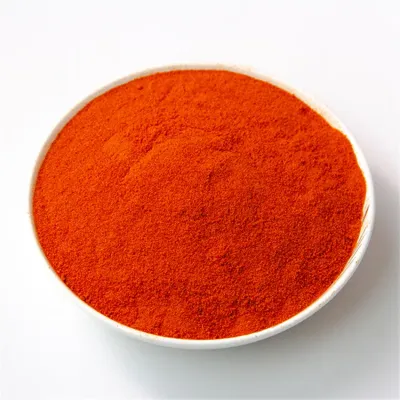
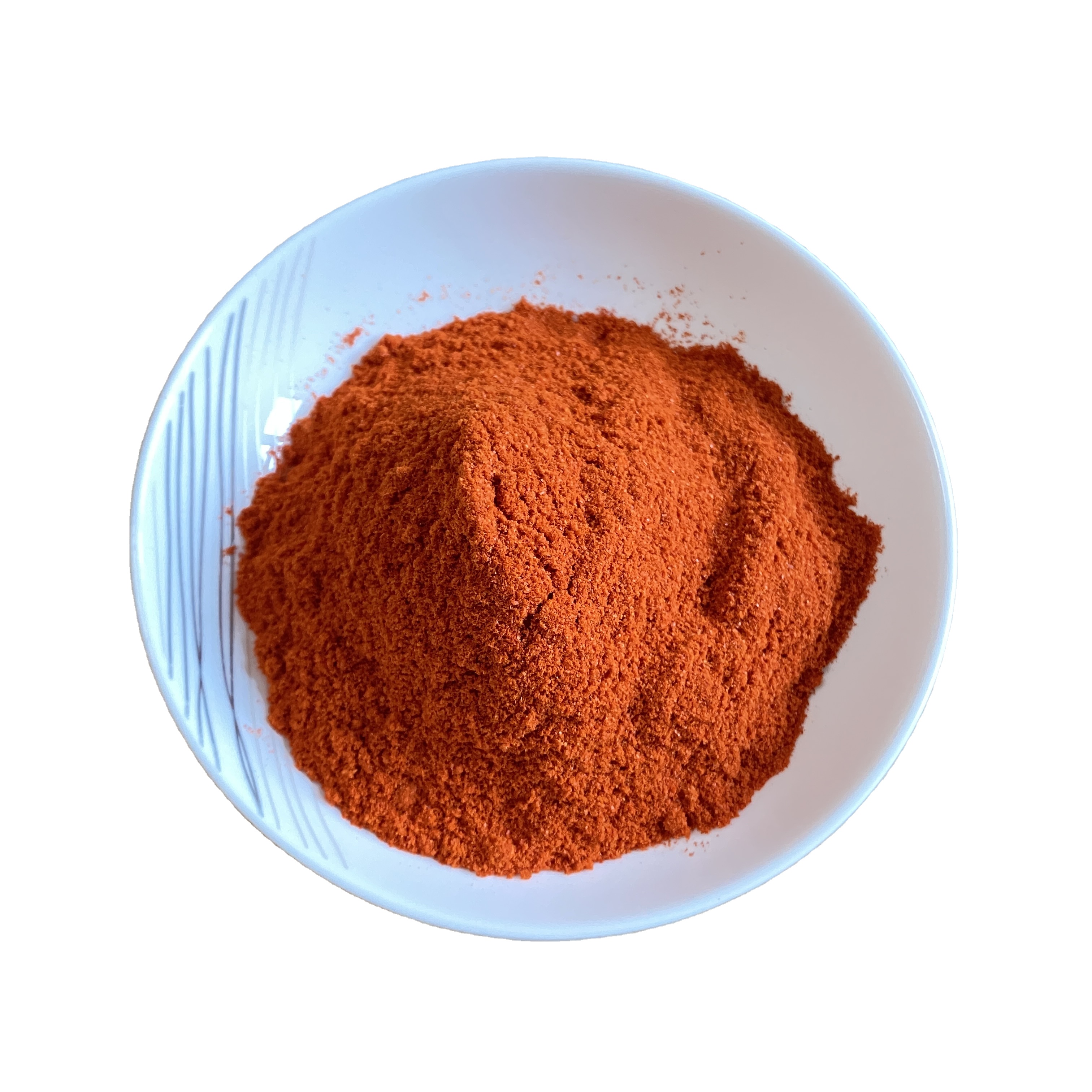
Ground dried raw red chili powder is described as a spicy food-seasoning ingredient. Agree the actual supplied material and complete composition with a relevant sample, defining its selected fraction and sensory acceptance for the intended formulation.
Define Analytical Acceptance for the Material
The moisture declaration is 11% maximum and requires the actual analyte and test method. Relate that criterion to the applicable material, grade and lot, retaining relevant analytical evidence with the ingredient specification.
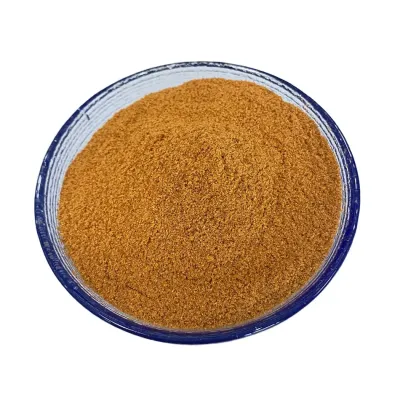
Consider 10–40 mesh, 10–20 mesh and 60 mesh as three separate, unselected references. Establish each criterion, sieve standard, method and actual material-fraction, grade and lot applicability before agreeing the supplied fraction.
Agree the Spicy Seasoning Profile
Use an identified sample to establish the actual sensory profile and assessment method for your food formulation. Match the accepted composition, fraction and analytical criteria to the ingredient requirement before purchase.
- Chili powder is the named ingredient.
- The stated color is red.
- The style is dried.
- Raw processing is described.
- Spicy is the sensory description.
- Seasoning is the use context.
Obtain Material-Specific Preparation Instructions
Confirm raw-process applicability to the selected material and route. Agree preparation and addition instructions for the intended food, keeping them with the sample acceptance, full composition and supplied fraction records.
Plan Dry Storage and Receiving Conditions
The stated shelf-life reference is one year with dry-place storage. Establish actual temperature, humidity and package-specific handling relevant to the selected material and lot.
Bag packing is described; agree its accepted format and handling instructions. Confirm supplier identity, current availability and terms through relevant ingredient, analytical, processing and status documents, keeping the accepted requirements with the purchasing specification.