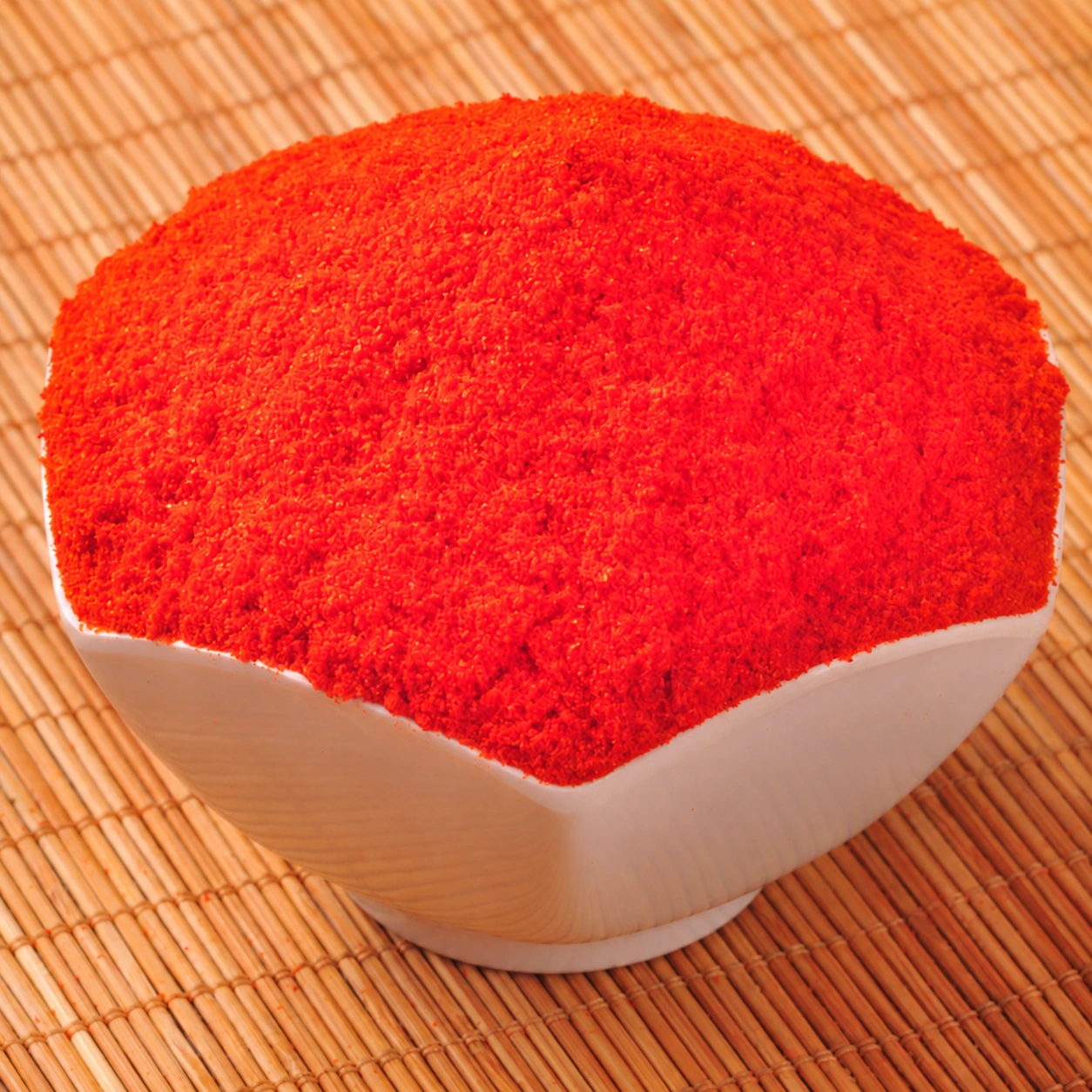
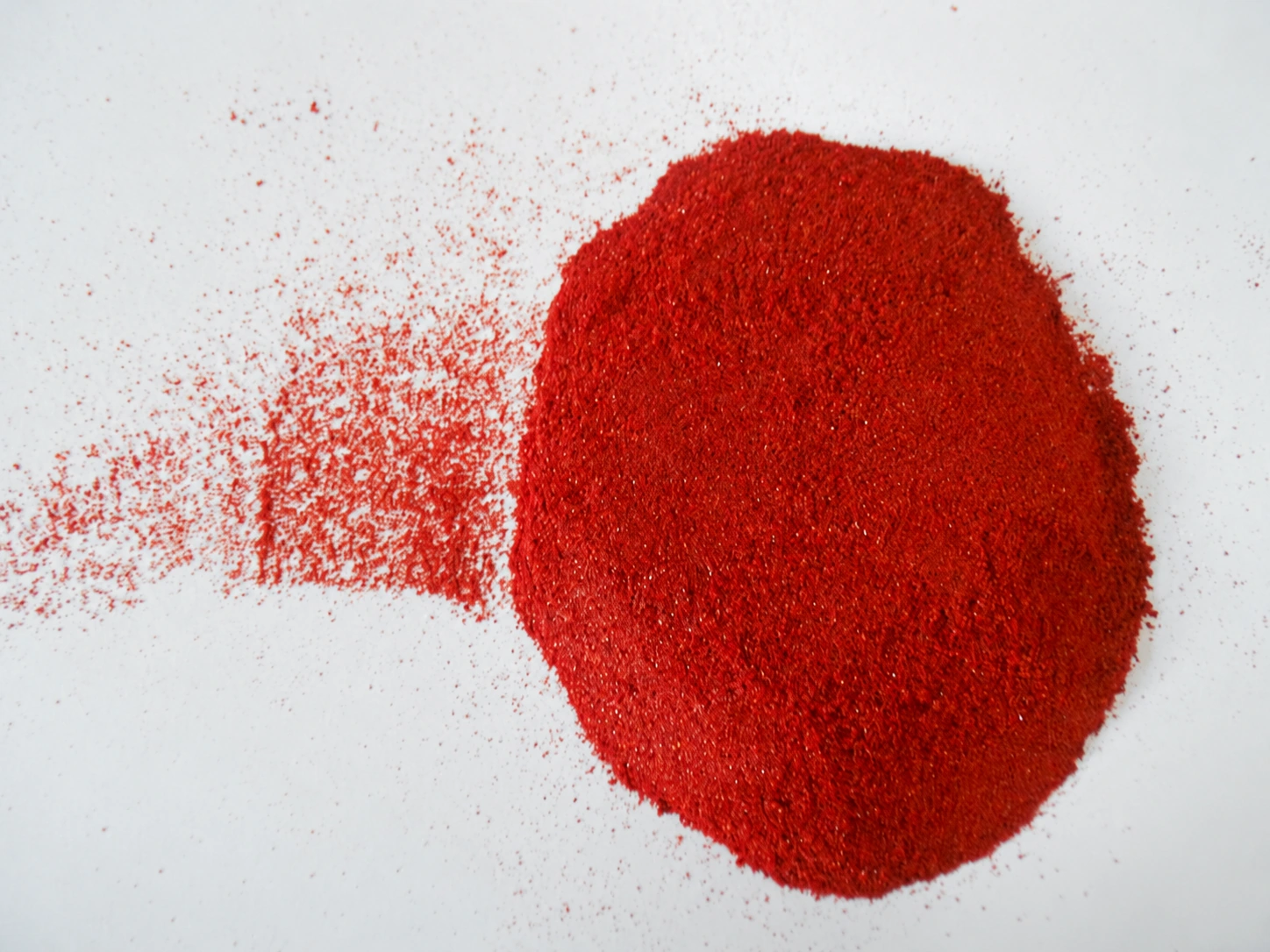
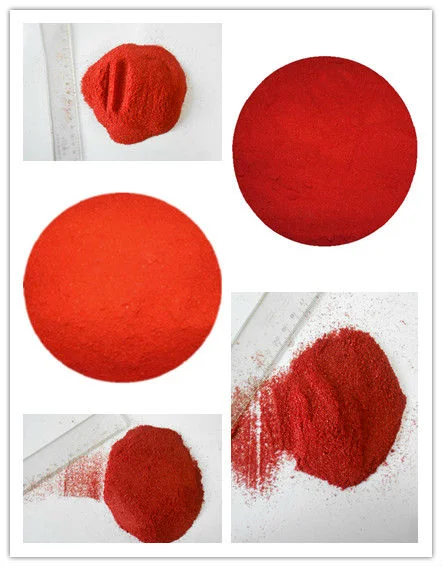
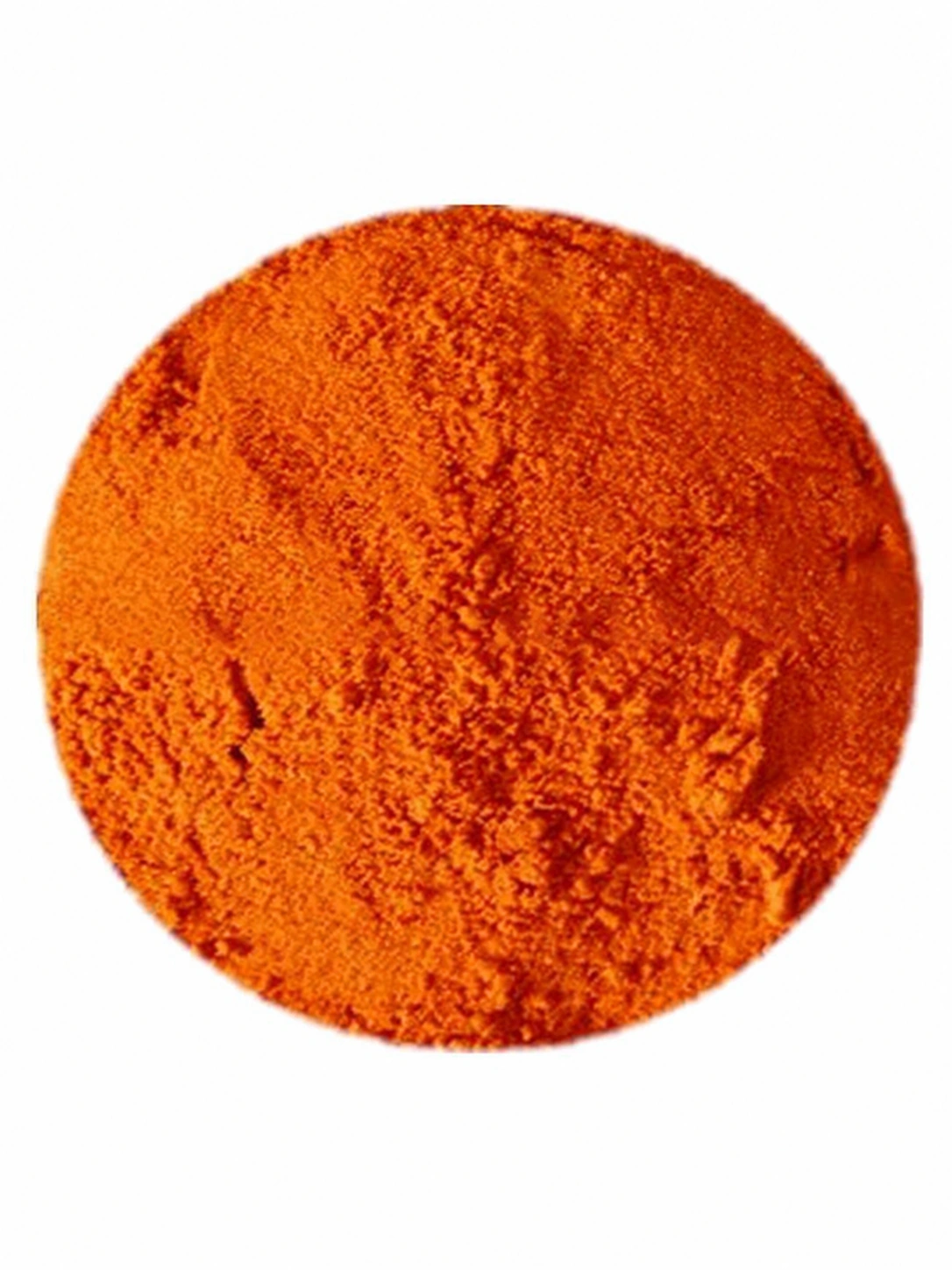
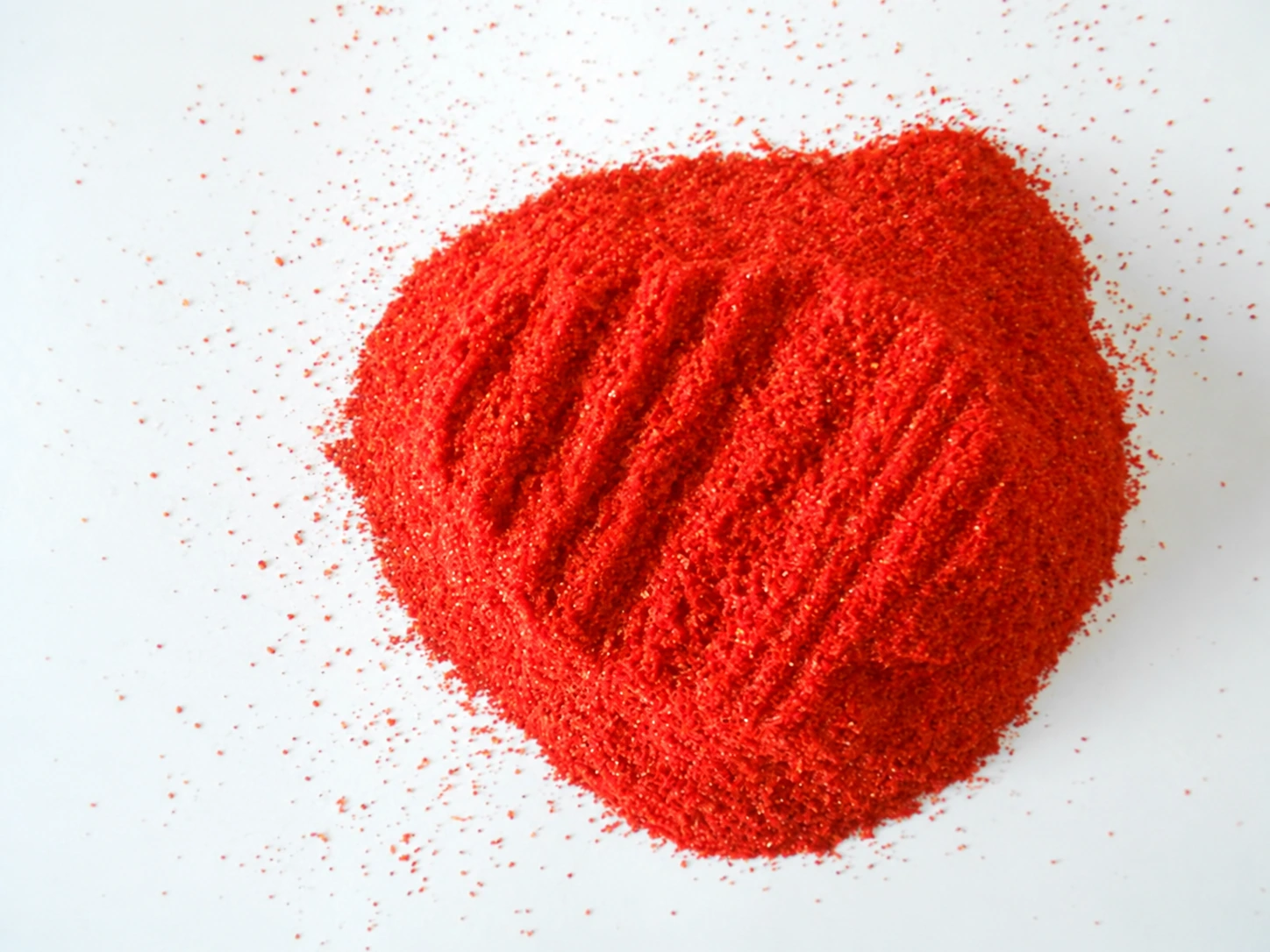
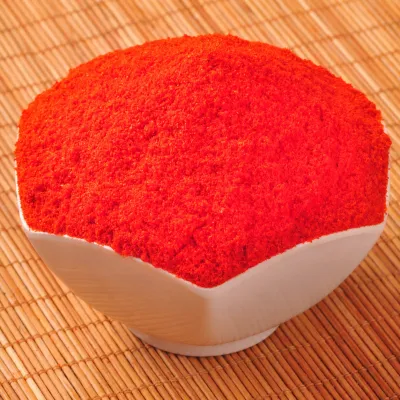
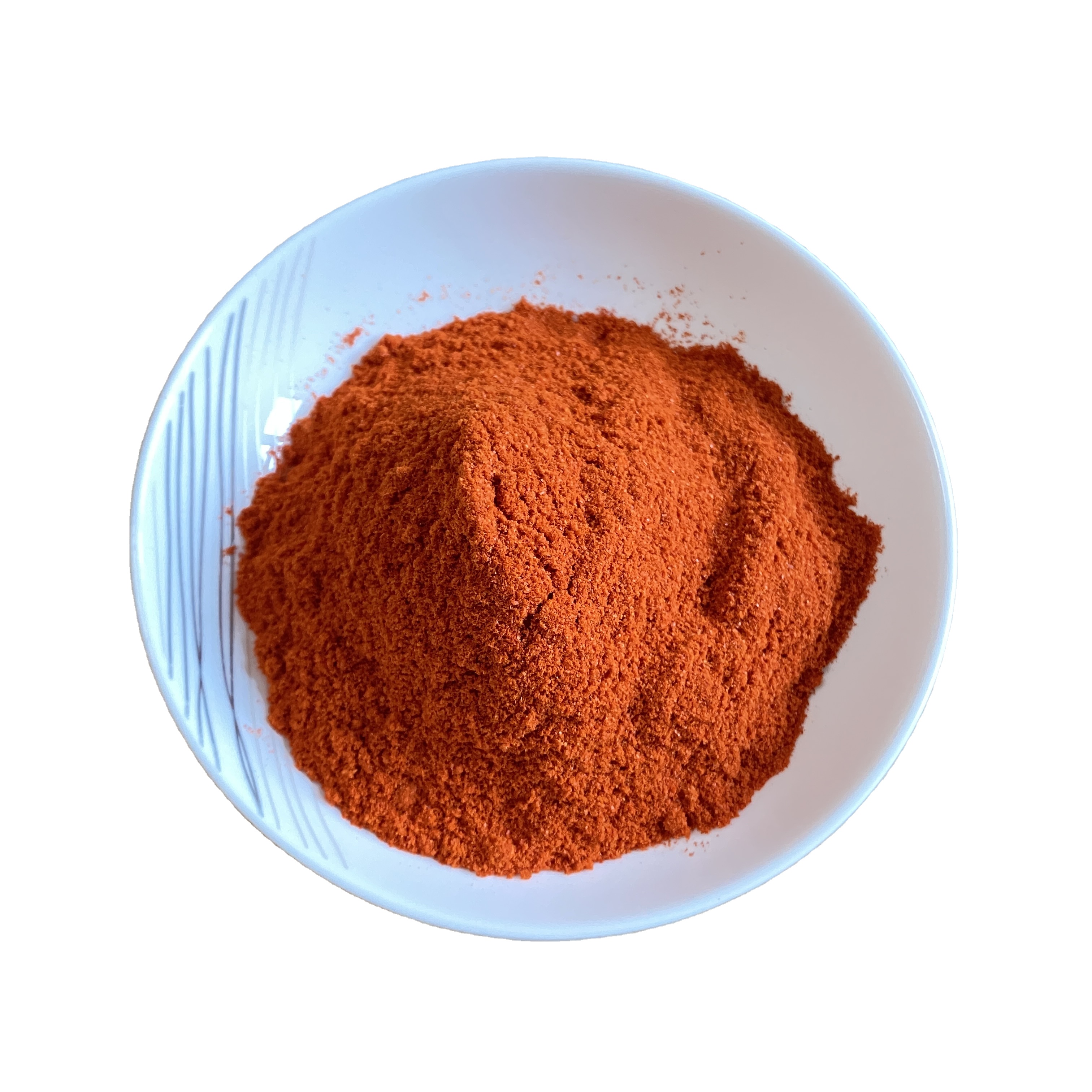
- Storage TypeDry placeSpecification25KG(55.12lb)
- Product TypeSingle Herbs & SpicesIngredientsNone
- ContentNatural chili powderInstruction for UseUsed for food
- Drying ProcessADStyleDried
- Processing TypeRawShapePowder
- Weight (kg)1Shelf Life1 year
- TypeChilli & PepperNameChili powder
- TasteSpicyGradeTop Grade
- ApplicationSeasoningVariety100% Natural Product
- MOQ1 bagPackingcustomized
- ColourRedSize10-40 mesh,10-20mesh,60mesh
- Moisture11% MaxColorRed
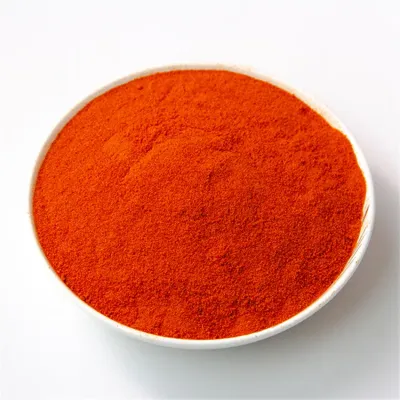
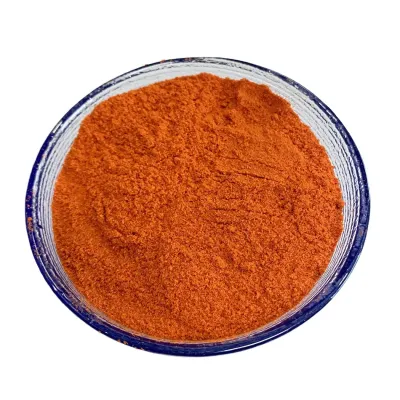
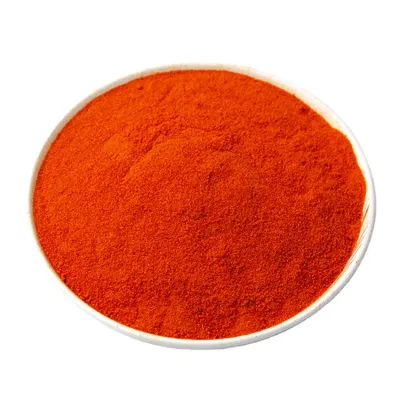
Develop a ground spice seasoning brief around the actual dried red chili powder and the food preparation it will enter. Complete composition, supplied grinding and seed condition belong at the start of sample selection, alongside the sensory criteria required by the recipe.
Compare the actual powder preparation
Use Spicy as a sensory reference under agreed preparation and comparison conditions. If a numerical heat or colour requirement is needed, establish the relevant material-specific criterion and lot evidence separately before accepting it.
Define each sieve test independently
There are three unselected sieve references: 10-40 mesh,10-20mesh and60mesh. Specify the applicable standard, acceptance criterion, material fraction, method and lot for each reference considered, instead of combining them into one supplied grade.
- Agree the complete ingredient declaration for the powder.
- Accept actual grinding and seed condition for the seasoning recipe.
- Choose a relevant sieve criterion and measurement protocol.
- Evaluate moisture 11% Max on an accepted analytical basis.
- Clarify AD and Raw relevance and further food preparation.
- Confirm receiving format, closure and dry-place handling.
Keep moisture assessment material-specific
Select a suitable measurement method for the actual powder and the agreed moisture basis. Review the applicable lot information with the grinding specification so that acceptance criteria describe the same preparation.
Plan the package around dry storage
Use the one-year reference only with accepted dry-place temperature, packaging, closure and handling conditions for the selected ingredient. Agree the final receiving format after the composition, process and analytical requirements are settled.
Carry the accepted recipe preparation and storage protocol into receiving instructions. Recheck their applicability when considering a later material or lot.