- VarietyYidu ChiliStorage TypeCool and Dry
- SpecificationWhole ( 8-12 cm)Product TypeSingle Herbs & Spices
- IngredientsChiliContentChili
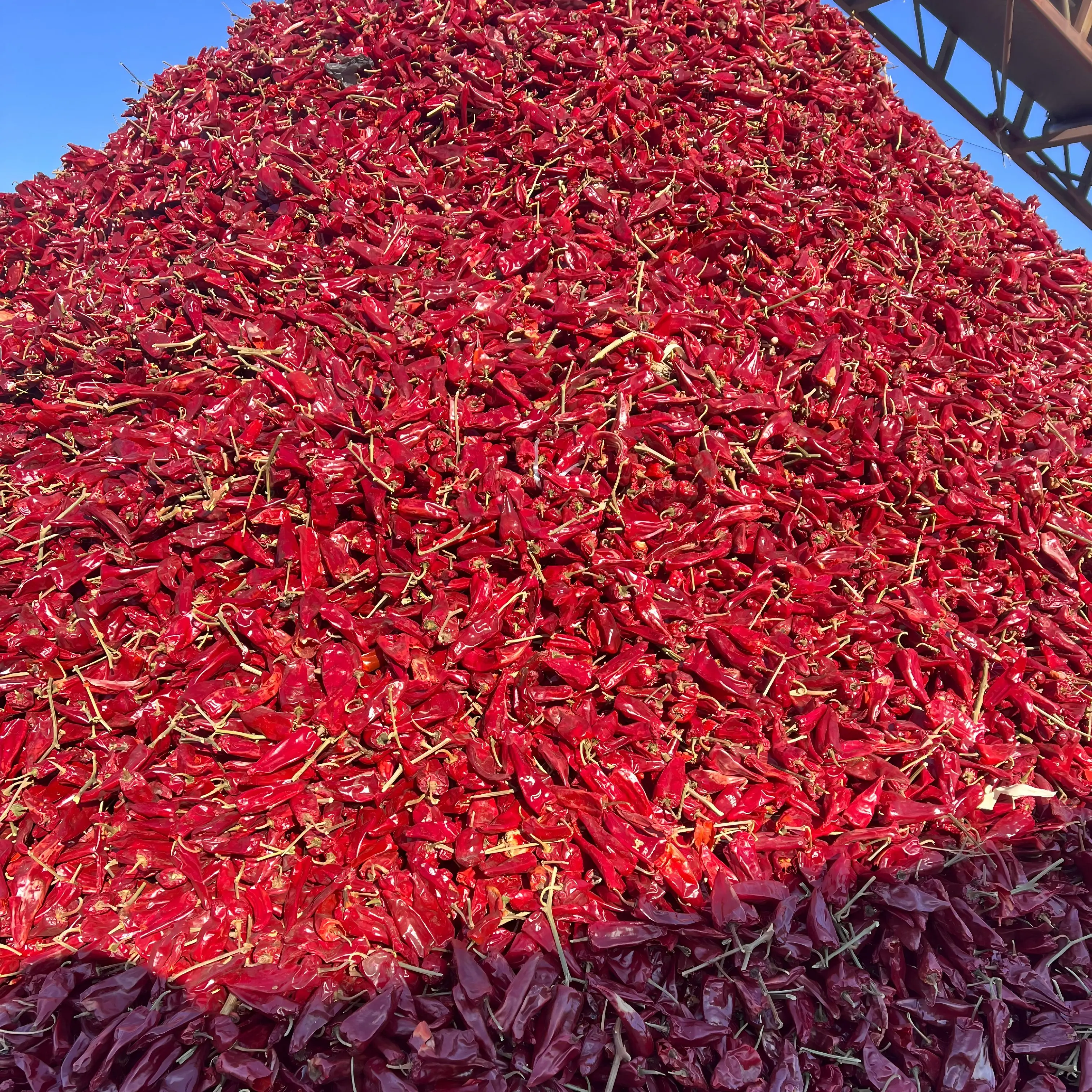
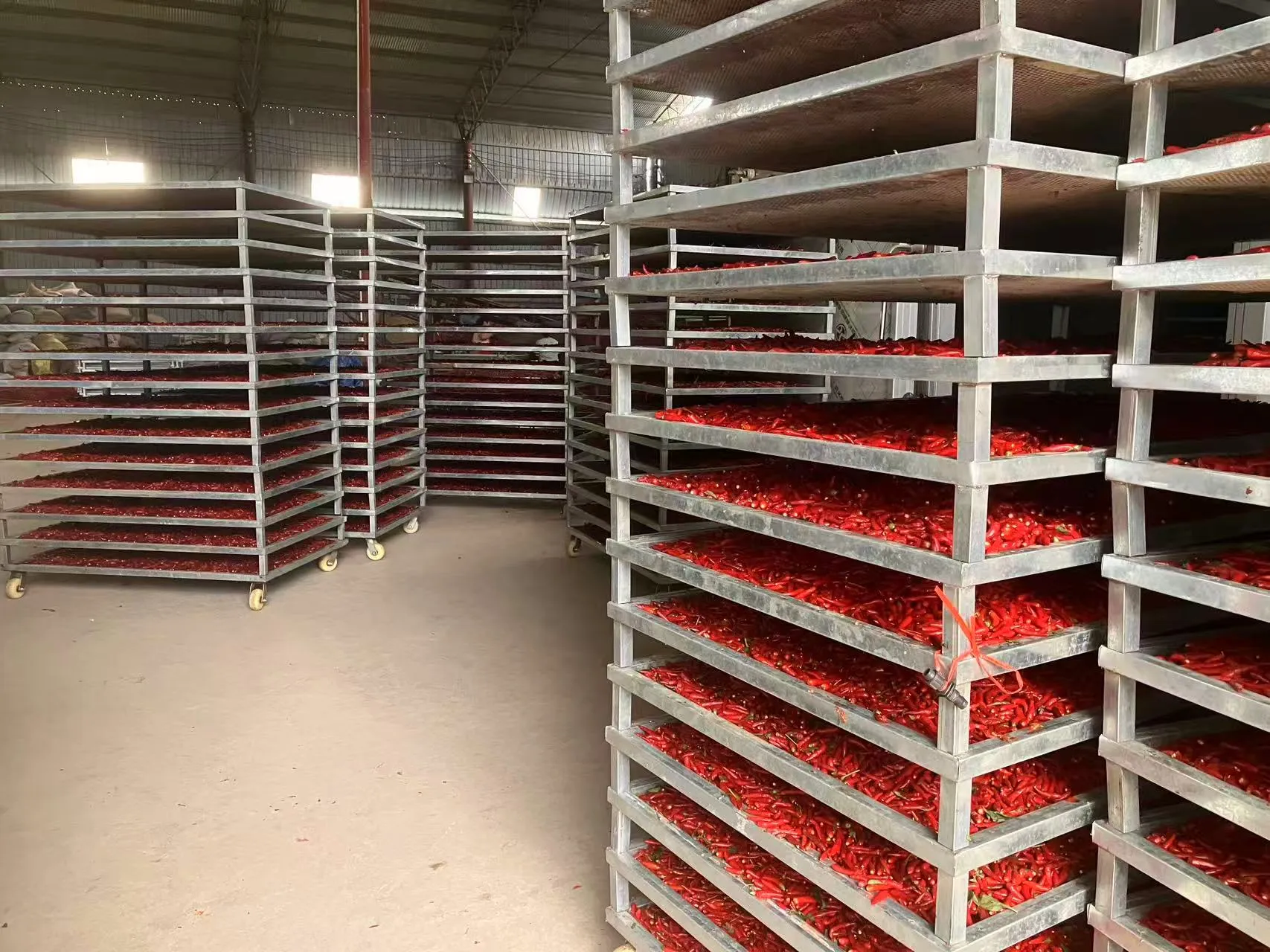
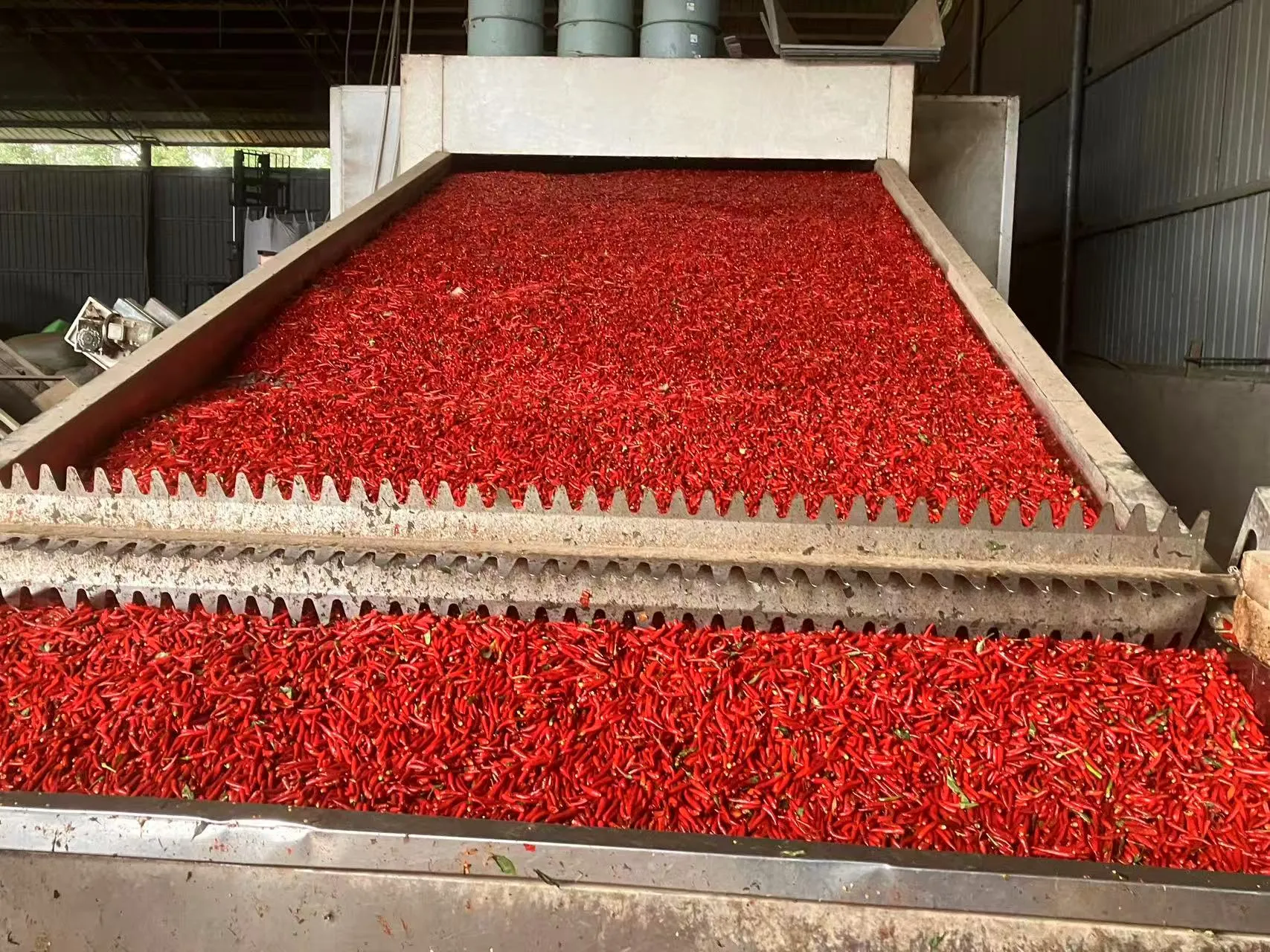
- Instruction for UseSpiceDrying ProcessNatural Sun-Dried
- StyleDriedProcessing TypeRaw
- ShapeRoundWeight (kg)20
- Shelf Life24 monthsModel Number01
- TypeChilli & PepperNameYidu Chili
- GradeA+ GradeChili Pepper SHU3000-10000SHU
- TasteSpicy HotMoisture8-20%
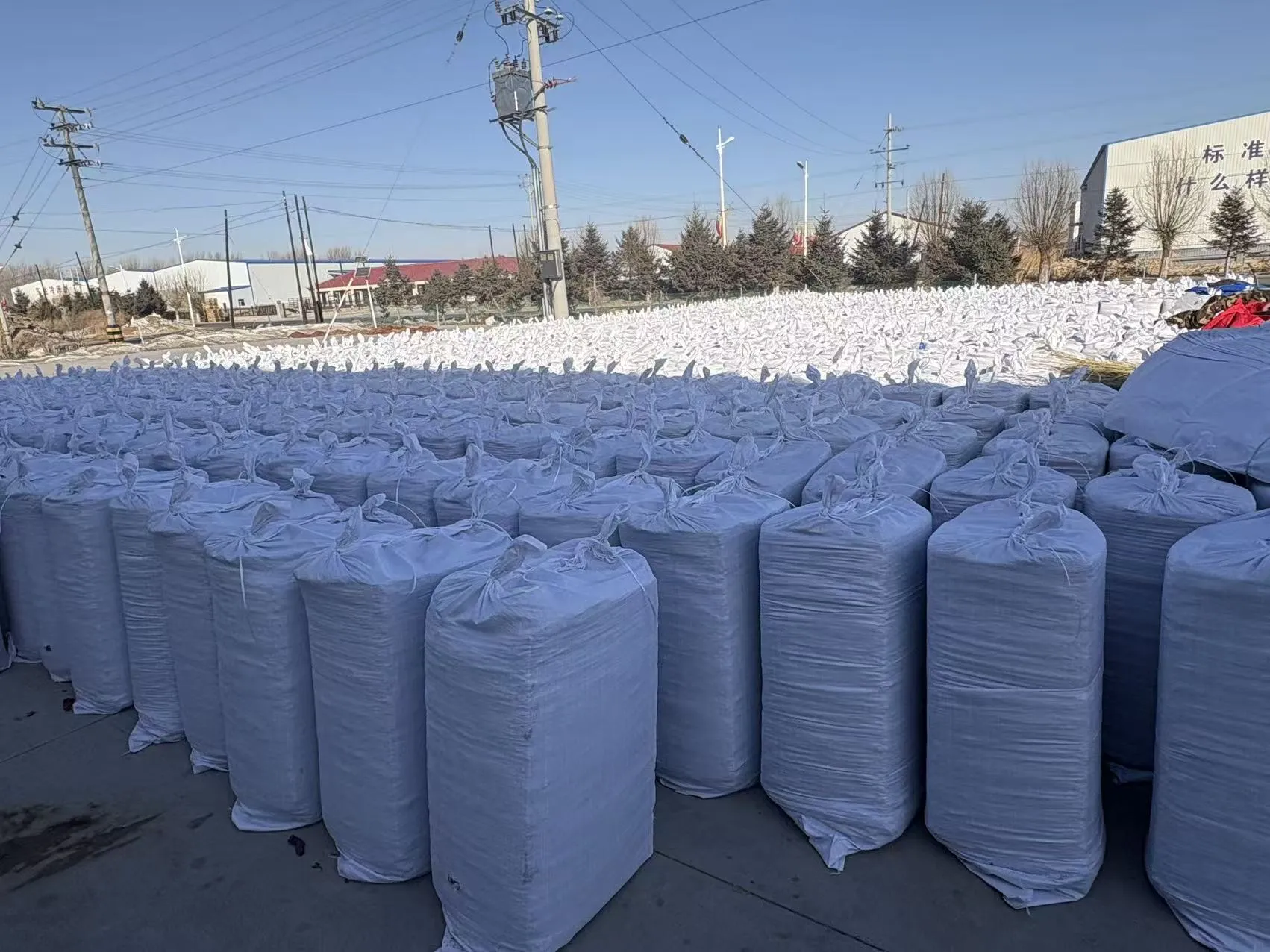
- MOQ1000 KgPackingVacuum Bag
- ColourRED NATURALColorRed and Bright
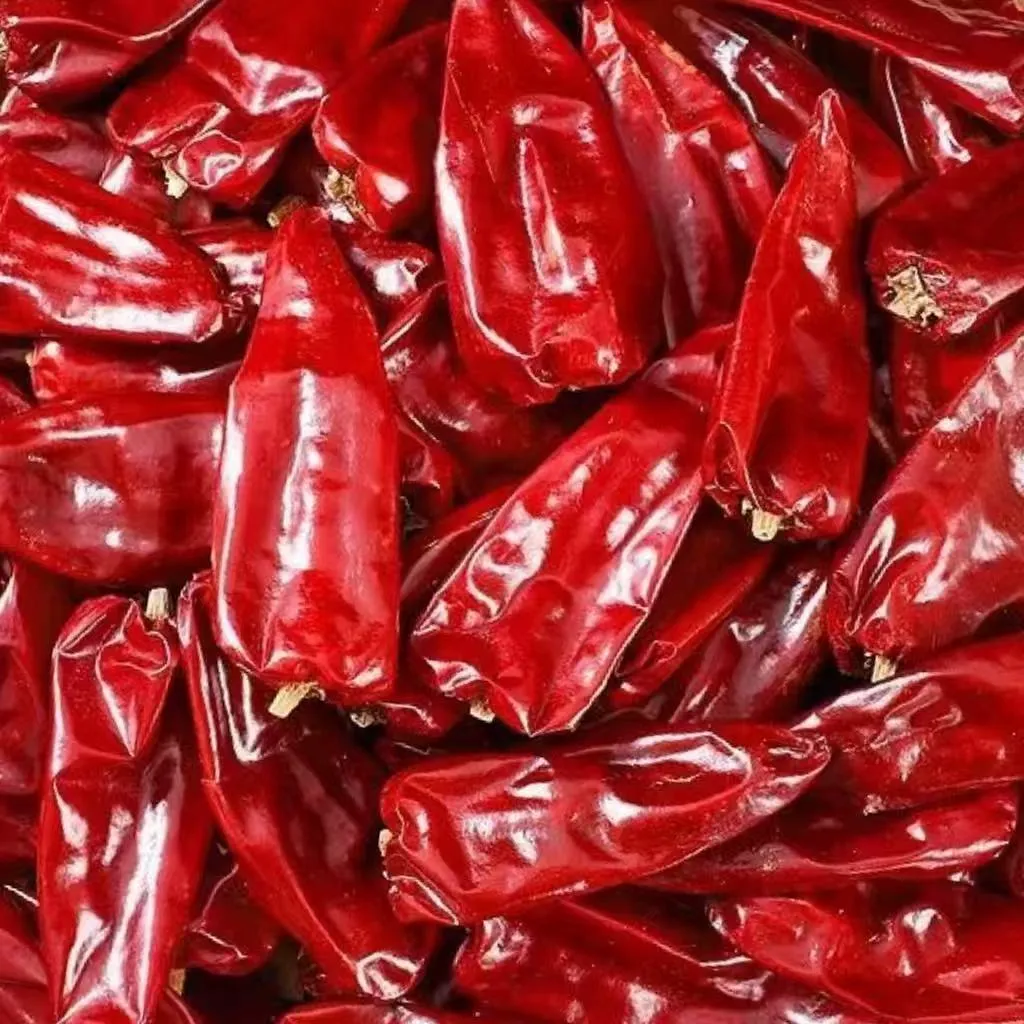
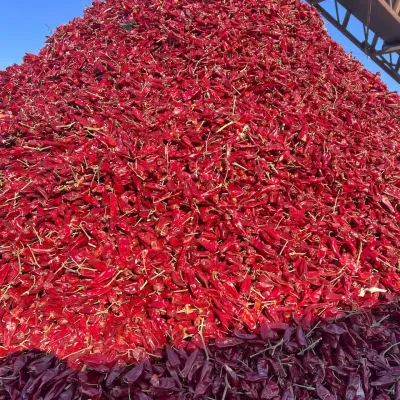
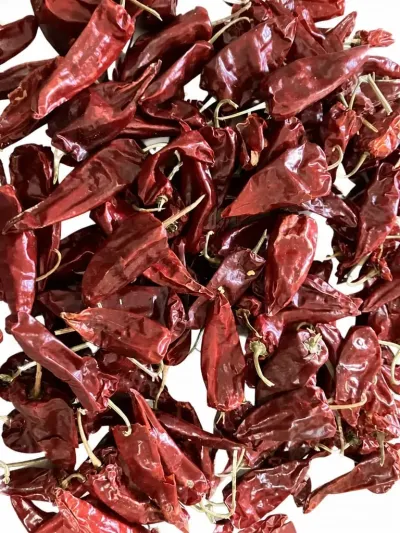
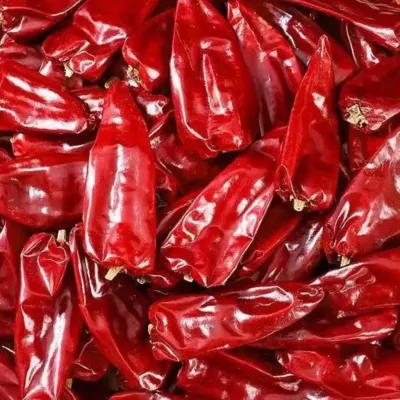
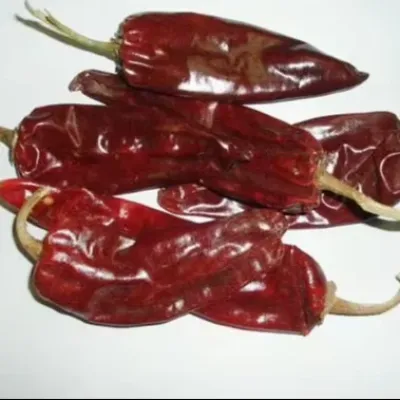
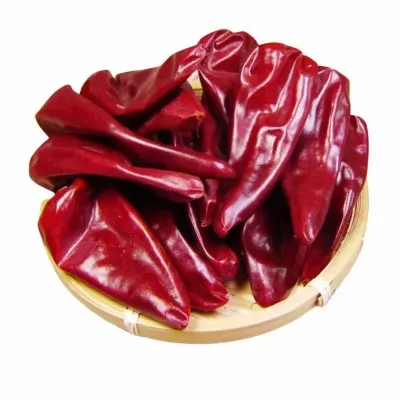
Yidu whole dried red chili pods provide a named chili ingredient to assess for a spice preparation. Start with the complete composition and the supplied pod, stem and seed condition, then match the accepted material to the recipe and its processing requirements.
Build the spice brief around the pods
Specify the whole-pod preparation needed at receiving, including the acceptable stem and seed condition. The Yidu commercial name helps describe the ingredient, while actual material identity and composition still need agreement before a purchase recommendation.
Evaluate size, moisture and heat together
The technical references are 8–12cm, moisture 8–20% and 3000–10000SHU. Define the length axis, moisture basis and relevant test methods, then assess selected-lot evidence rather than choosing a heat endpoint as a guaranteed grade.
- Accept the complete ingredient and additive composition for the proposed spice use.
- Agree the supplied whole-pod, stem and seed preparation before selection.
- Check 8–12cm against the agreed length axis and sampling method.
- Assess moisture 8–20% and 3000–10000SHU for the identified material and lot.
- Evaluate Spicy Hot through sensory criteria in the intended recipe.
- Set process, storage temperature and receiving-package requirements before packing.
Connect processing with receiving conditions
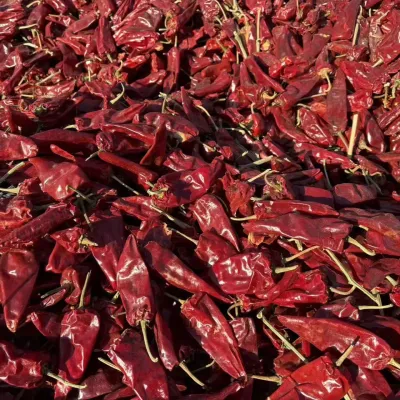
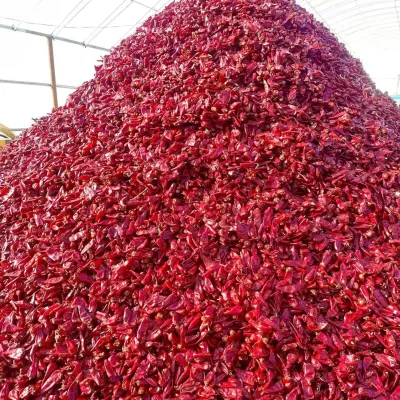
Confirm the applicability of Natural Sun-Dried and Raw processing and any further food preparation required. Assess the shelf-life reference of 24months with actual temperature and handling in a cool, dry place and the accepted package.
Choose the relevant vacuum-bag receiving format after the ingredient, technical and process requirements are settled. Include the agreed sensory acceptance and selected-lot measurement requirements in the material brief used to approve receiving.