A kimchi chili ingredient comparison is easier to discuss when the trial record identifies the material before describing the result. Keep the benchmark, candidate and evaluation purpose together, then record cut, composition, colour and heat as separate questions. This gives procurement a useful handover without turning the worksheet into a fermentation recipe.
Name the Benchmark and the Candidate
Record the existing ingredient used by your team and the new candidate in separate fields. Include the current product link, preparation, sample identifier and relevant lot details where available. If a sample is prepared further during evaluation, describe that step in your own record.
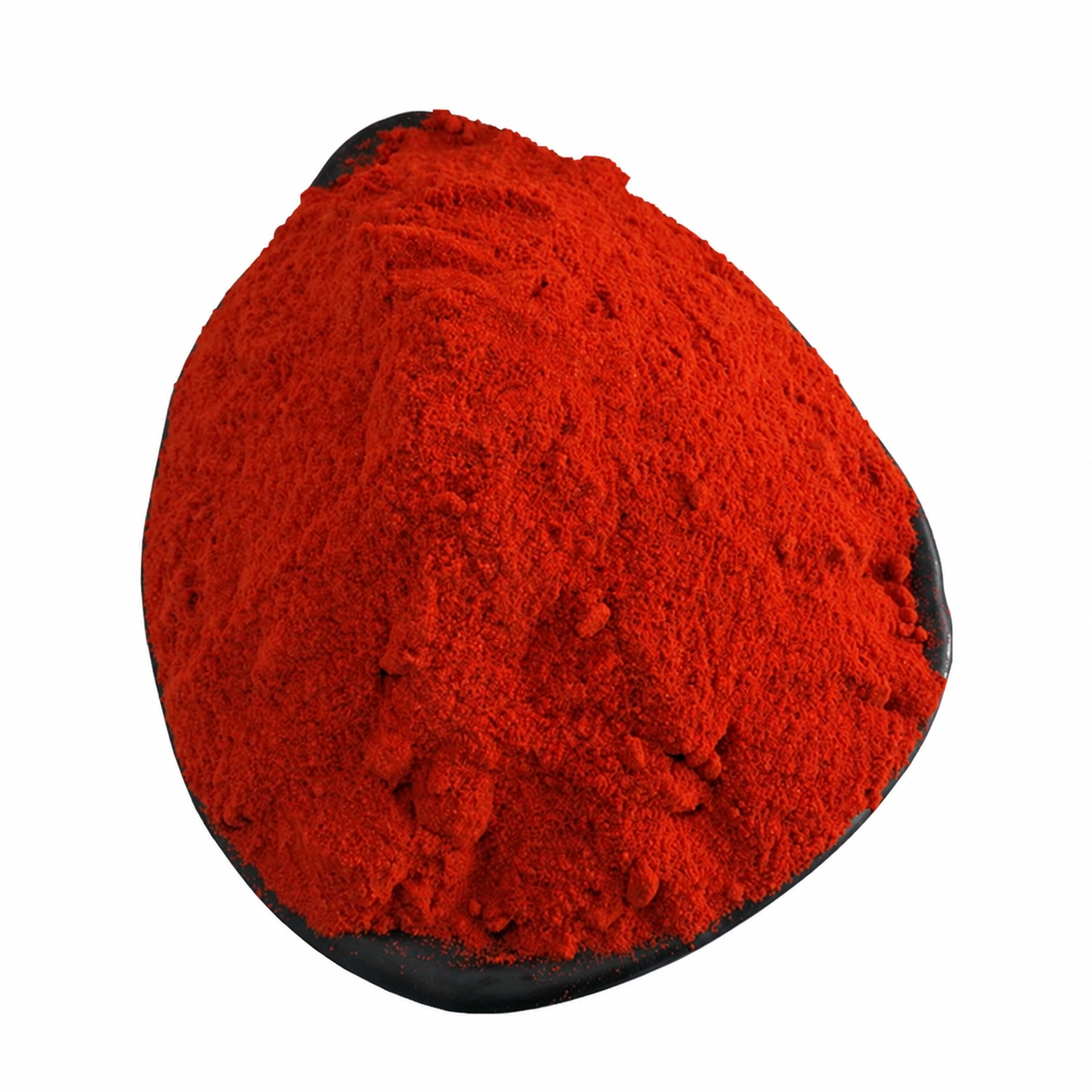
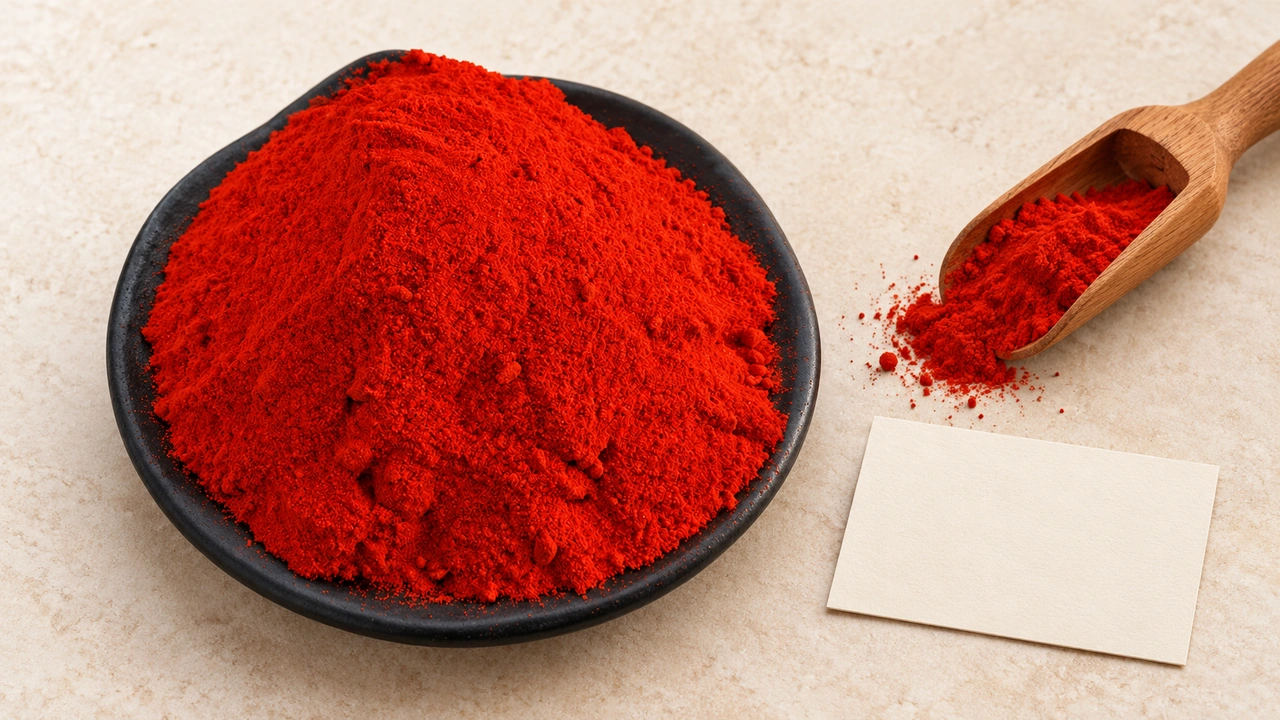
The paprika red chili powder for kimchi and gochugaru specifications listing is a candidate starting point. Its application wording does not establish growing origin, a seed-free composition or fermentation performance. Those questions require their own applicable information.
Describe the Cut and Complete Composition
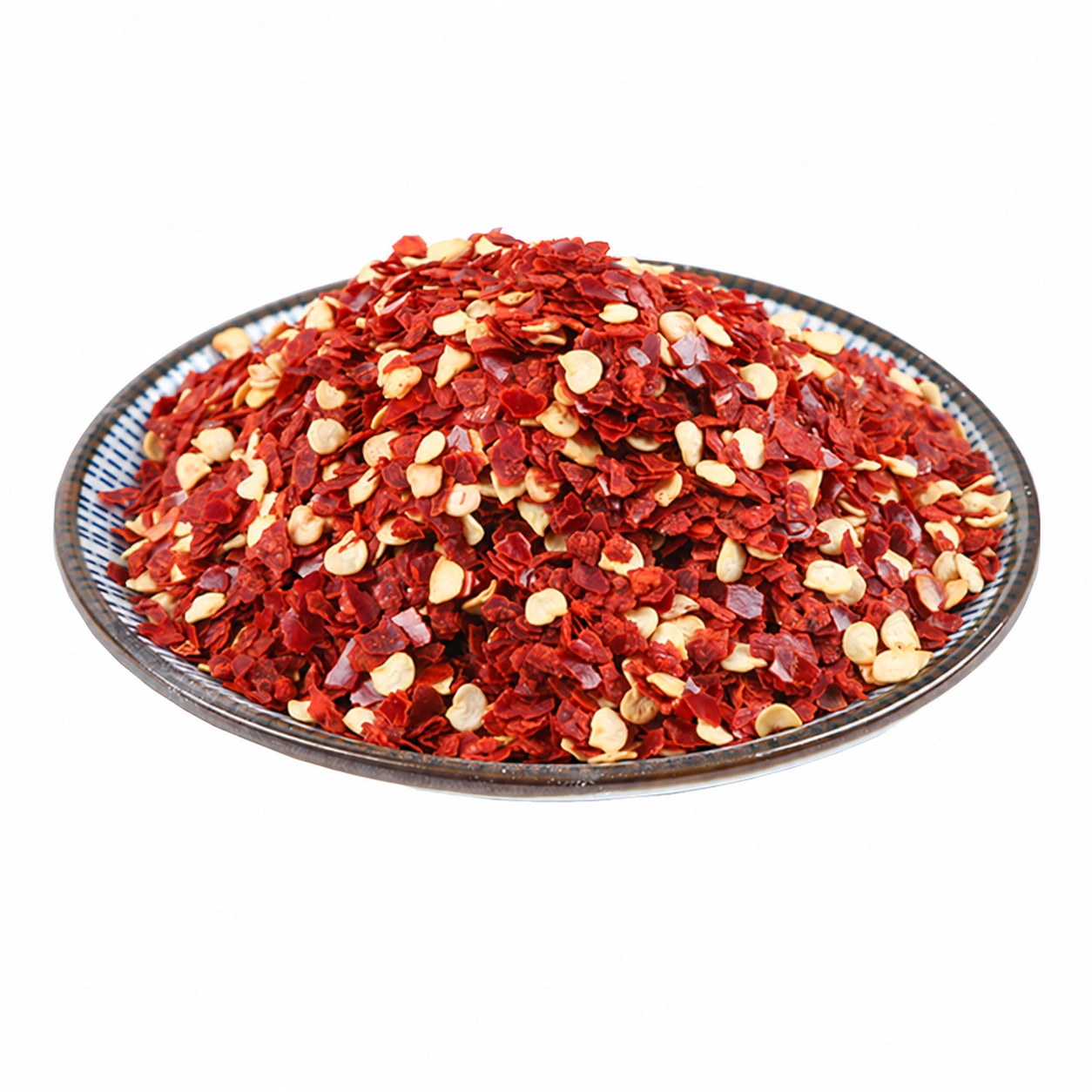
Explain whether your requirement is for ground material or a particular visible cut. Record the composition information your formulation team needs, including any seed criterion or additive statement relevant to the chosen material.
Keep a requested preparation separate from the candidate description. If the desired cut differs from the listing, ask which actual preparation can be considered. A photograph is useful visual context, but it does not provide a measured seed ratio or a complete ingredient statement.
Use Separate Colour and Heat Entries
Record the appearance your team wants to compare and any applicable analytical colour criterion. Put the sensory heat profile and any supported measured heat declaration in a separate field. Retain full ranges and qualifiers with the relevant method and material scope.
This separation helps when one candidate looks different but has not yet been evaluated against the same criterion. The colour and heat guide provides a checklist for organising those questions without assigning a numerical result from a product image.
Prepare a Traceable Trial Worksheet
- Trial purpose: the ingredient-selection question the buyer wants to answer.
- Benchmark and candidate: separate identities, product links and sample details.
- Preparation: the actual form, cut and complete composition under review.
- Criteria: the colour, heat and other requirements relevant to the comparison.
- Evaluation conditions: the buyer's actual method and process context.
- Observations: factual findings linked to the sample and conditions.
- Decision and open questions: the scope of any acceptance and the information still needed.
Use the same record headings for the benchmark and candidate. If the evaluation conditions differ, make that visible before drawing a comparison. Keep photographs and supporting documents with the identified trial rather than relying on a short informal comment.
Leave Fermentation Decisions with Your Process Review
This worksheet does not prescribe fermentation temperature, duration, addition rate or a finished-food shelf life. Required preparation, treatment and microbiological information must be relevant to the actual ingredient and your own applicable process and quality review.
Record the conditions your team used and the question each observation answers. A trial finding about appearance or sensory profile should not be extended into a safety, health or universal fermentation-performance claim.
Connect the Record to the Next Buying Step
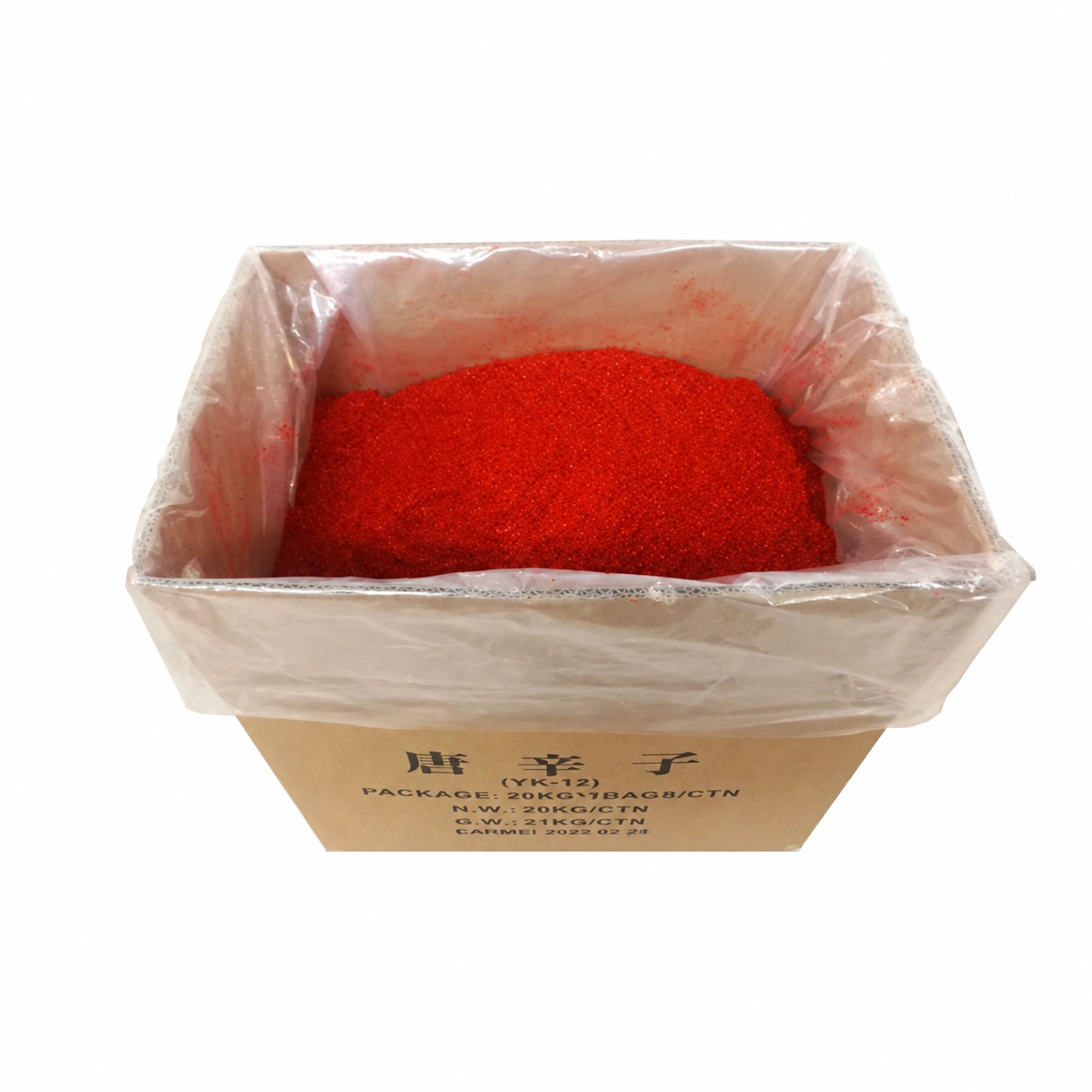
When the comparison is ready for discussion, identify the candidate, the criteria reviewed and the remaining questions. Include any requested sample scope, required documents and the packing or receiving details needed for the enquiry.
Use the kimchi ingredient brief for the main selection questions and the RFQ guide for quantity, destination and commercial questions. Then contact Relia with the specific ingredient trial purpose.