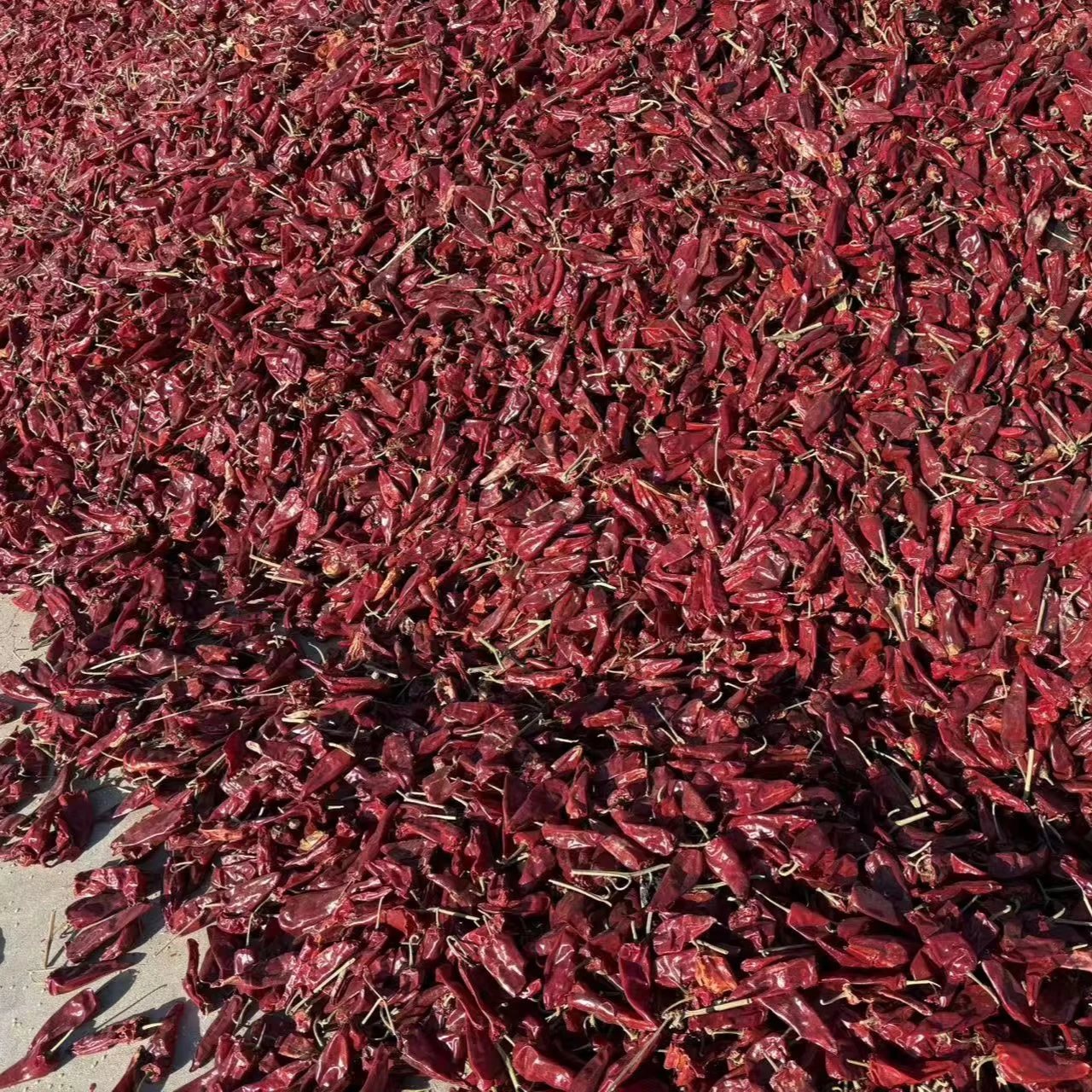
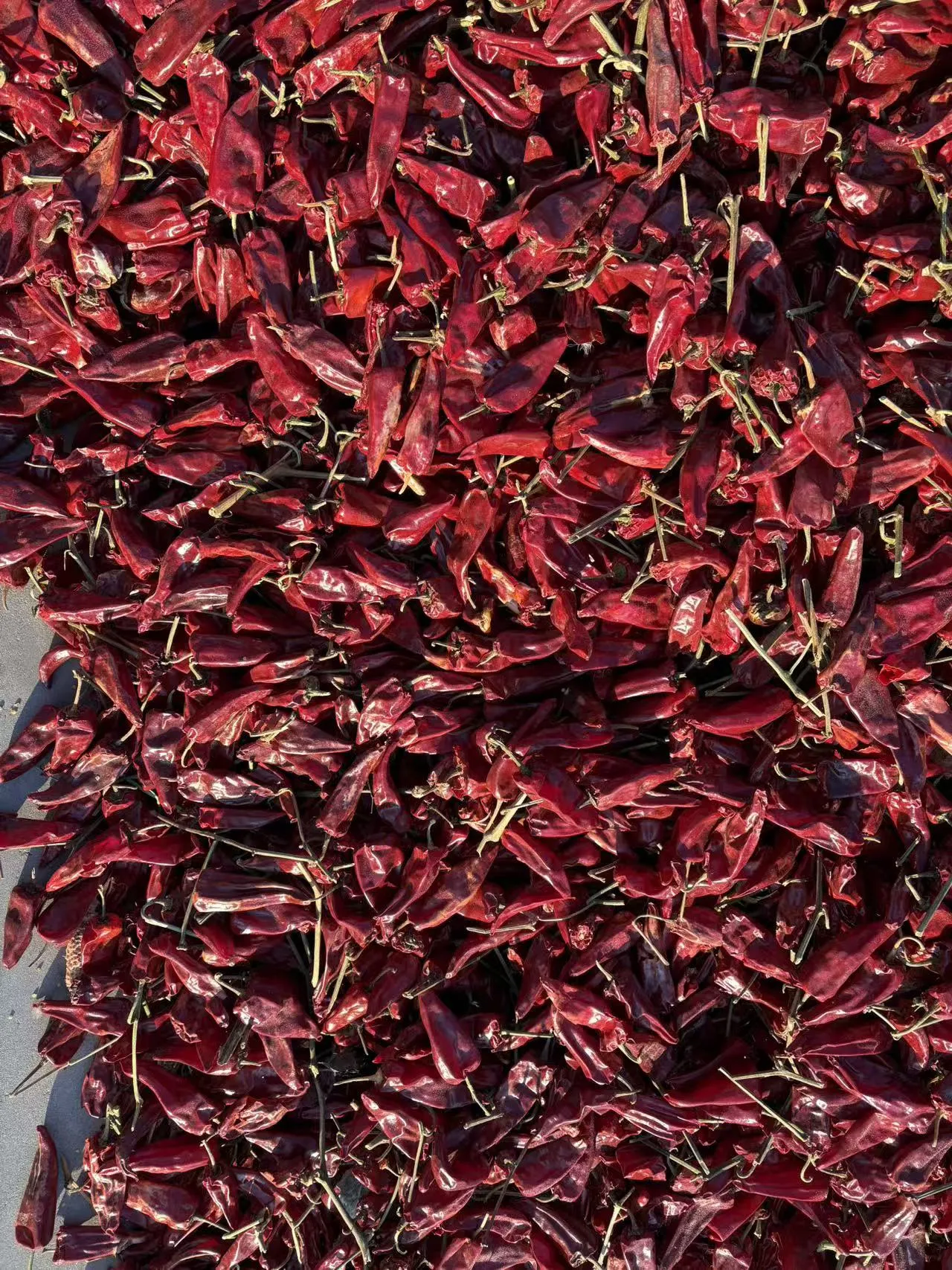
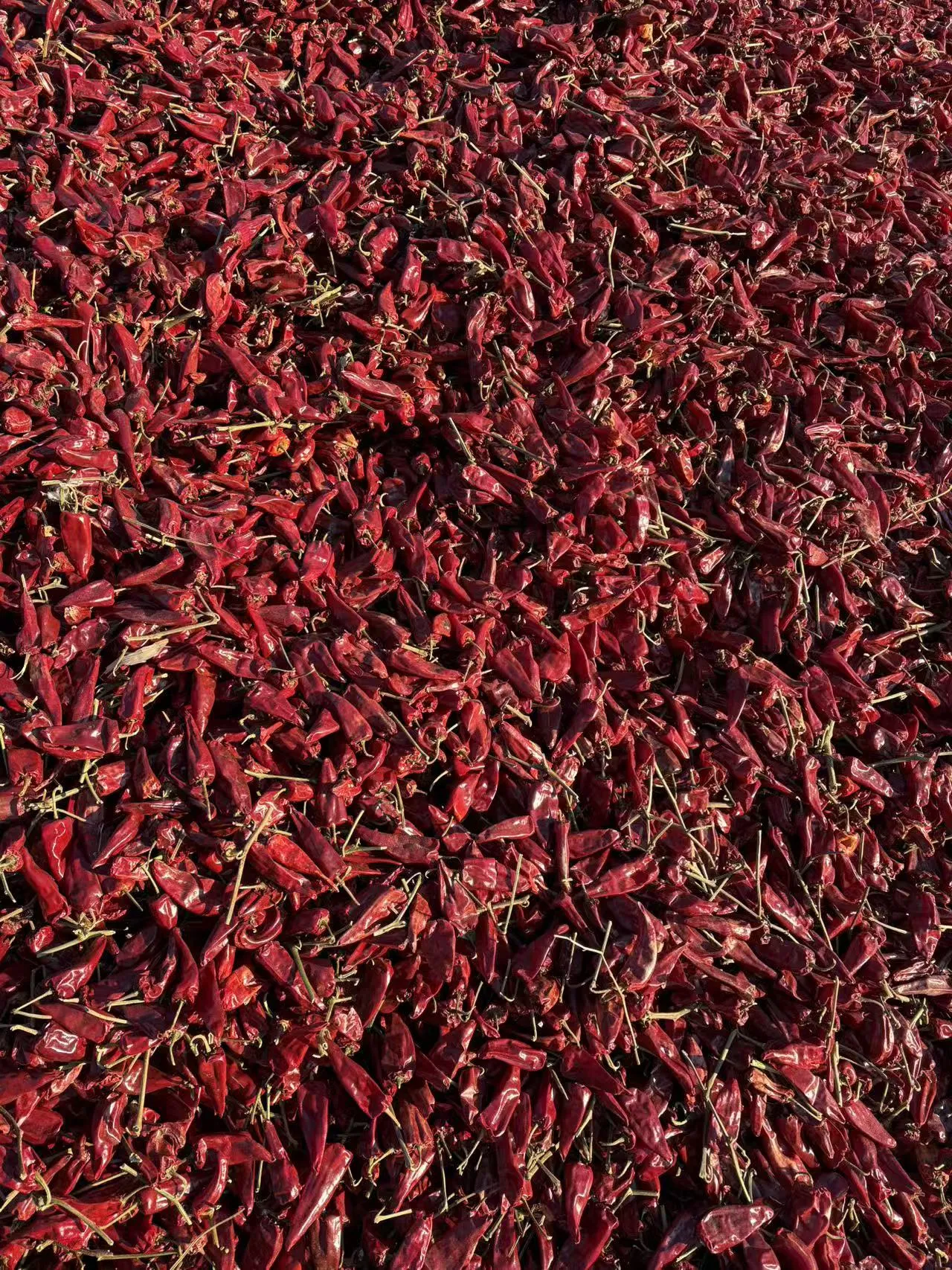
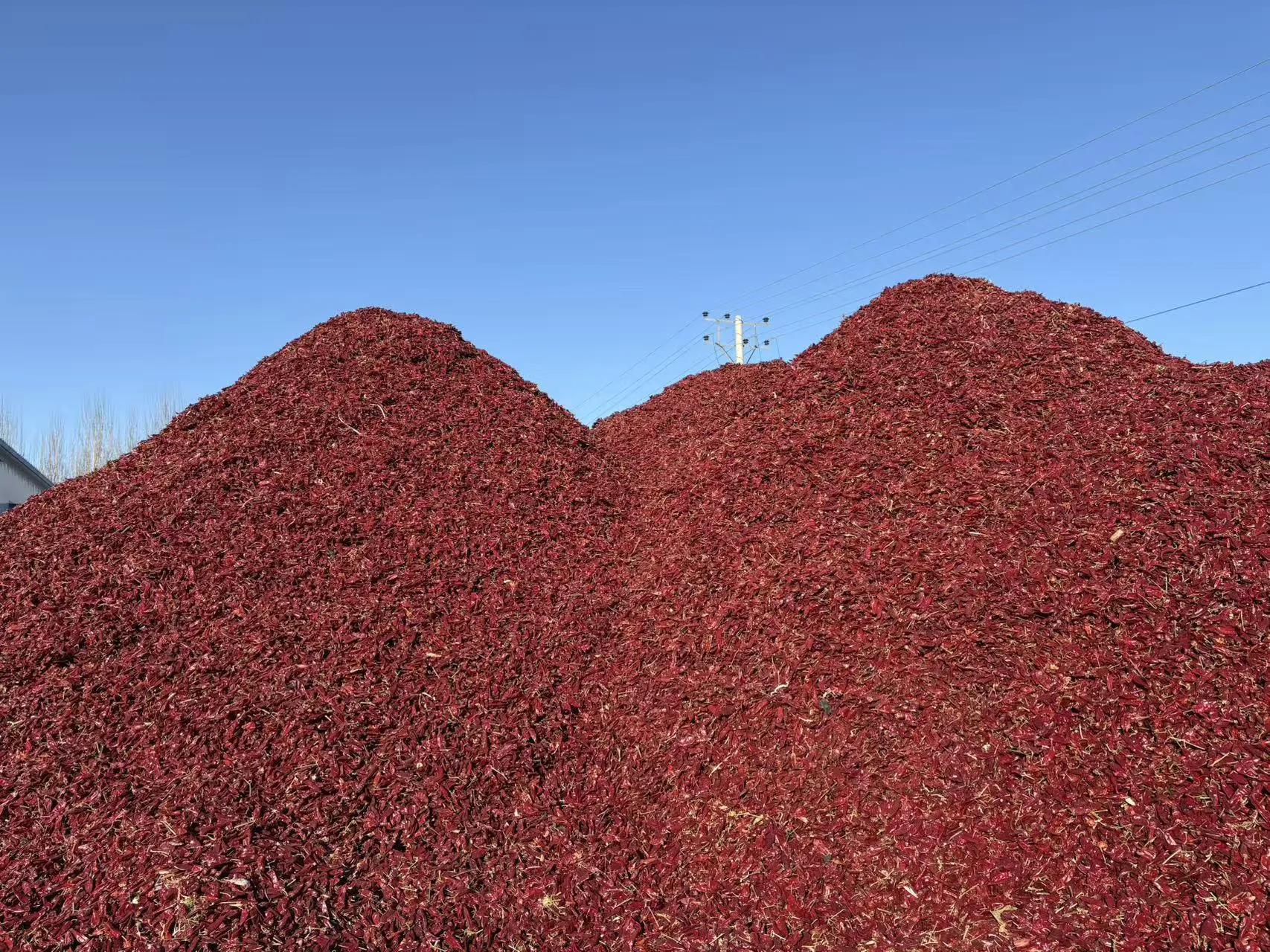
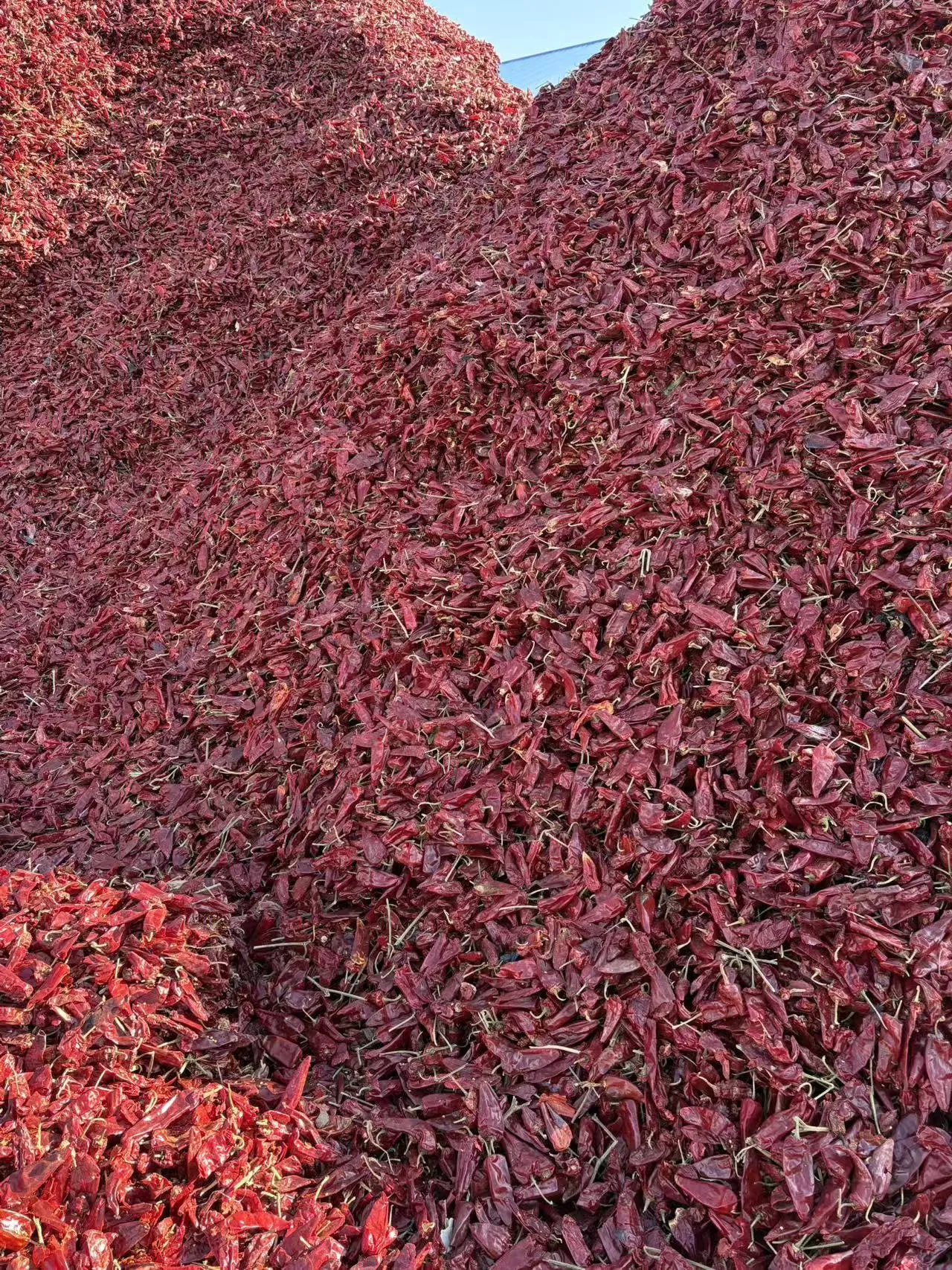
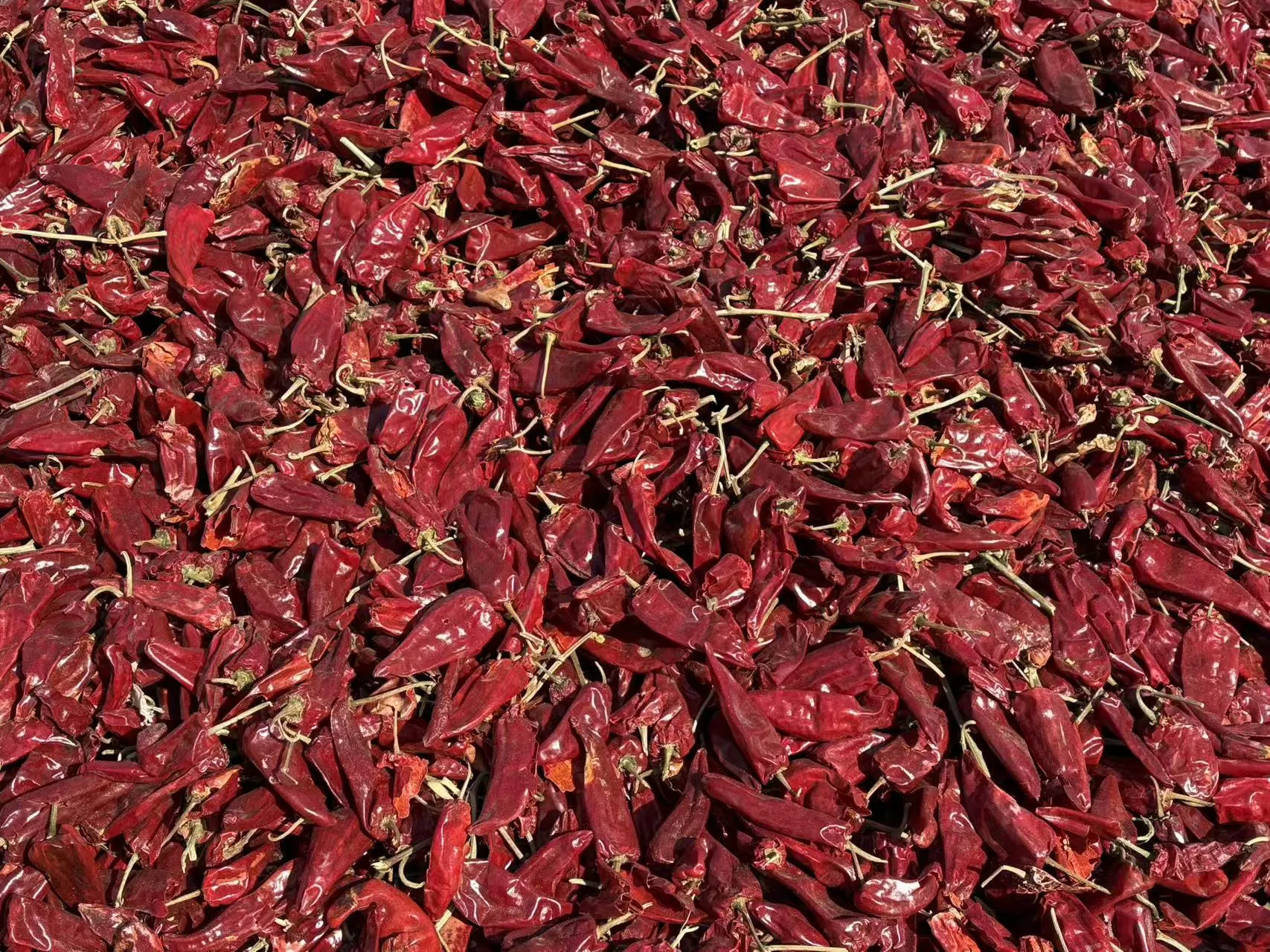
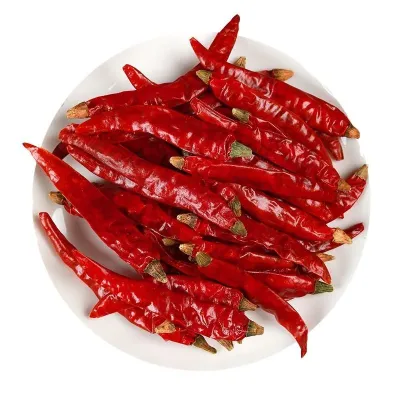
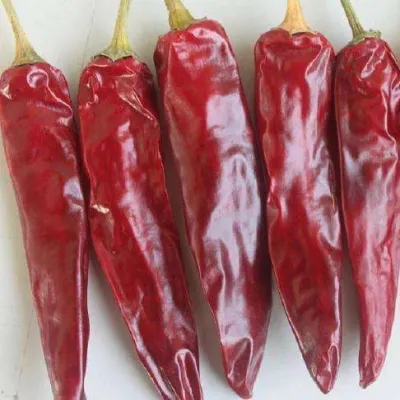
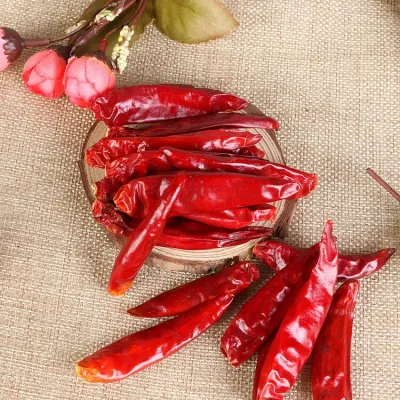
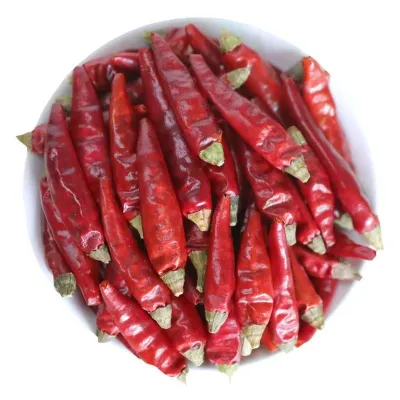
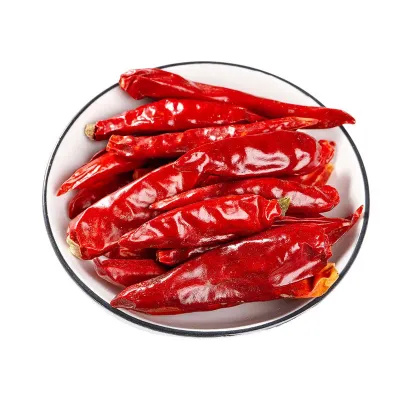
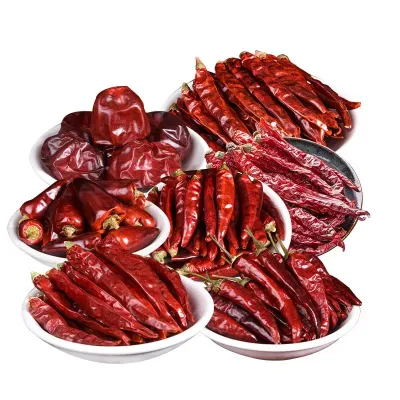
- Storage TypeDry and cool placeSpecification8-12cm
- Shelf Life24 MonthsIngredientsNo
- ContentChilliInstruction for UseSpice for food processing
- Model Number01StemWith/Without stem
- GradeAMoisture8%-20%
- SHU3000-5000SHUUsed ForSpice for food processing
- MOQ1 TonPackingVacuum Pack
- TasteLow heat
Whole dried red chili is a spice material for food processing. The low-heat description should be assessed in the food you intend to make, together with the pod preparation and the actual heat result required for acceptance.
Define the processing entry point
Describe whether the pods enter a cleaning, cutting, grinding or cooking step. Confirm the complete composition and the preparation or treatment required before use, including the accepted stem condition.
Assess heat alongside moisture and size
The heat reference is 3,000–5,000 SHU; low heat does not establish a selected result within that range. Link the analytical method and tested sample to the proposed lot and assess sensory suitability separately.
The 8–12 cm dimension and 8%–20% moisture references also need their own acceptance criteria. Agree the measurement axis, moisture basis, material fraction and test method rather than treating these different measurements as one grade.
- Identify the food-processing application and use rate.
- Select with-stem or without-stem preparation.
- Set the pod dimension criterion and measurement axis.
- Request separate heat and moisture evidence for the material.
- Define the required cleaning or subsequent treatment.
- Keep the sample identity linked to the supply lot.
Choose the vacuum-pack construction
Vacuum pack is a packaging reference to define for the order. Select the actual material and closure, then specify handling through receipt and opening.
Confirm the storage basis
The 24-month reference requires a dry, cool place under agreed conditions. Establish temperature, humidity and handling after opening, with composition, process, package and lot evidence supporting that period.
Keep these handling requirements alongside the recipe trial and physical specification. That combination makes the whole-pod material easier to assess for the intended processing step.