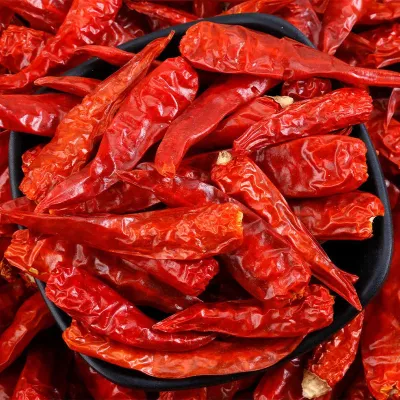
- Model Number01Brix (%)No
- Primary IngredientChiliTasteSuper Spicy, spicy
- Varietydried chilliWeight (kg)30
- AdditivesNoStorage TypeDry and cool place
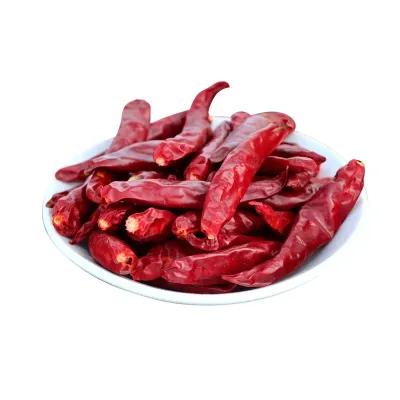
- Specification8-12cm(3.15-4.72in)Shelf Life24 Months
- IngredientsNOContentChilli
- Instruction for UsespicesDrying ProcessSun-dried
- StemWith/Without stemGradeA
- Moisture8%-20%SHU80000-100000SHU
- Used ForSpice for processingMOQ1000 kg
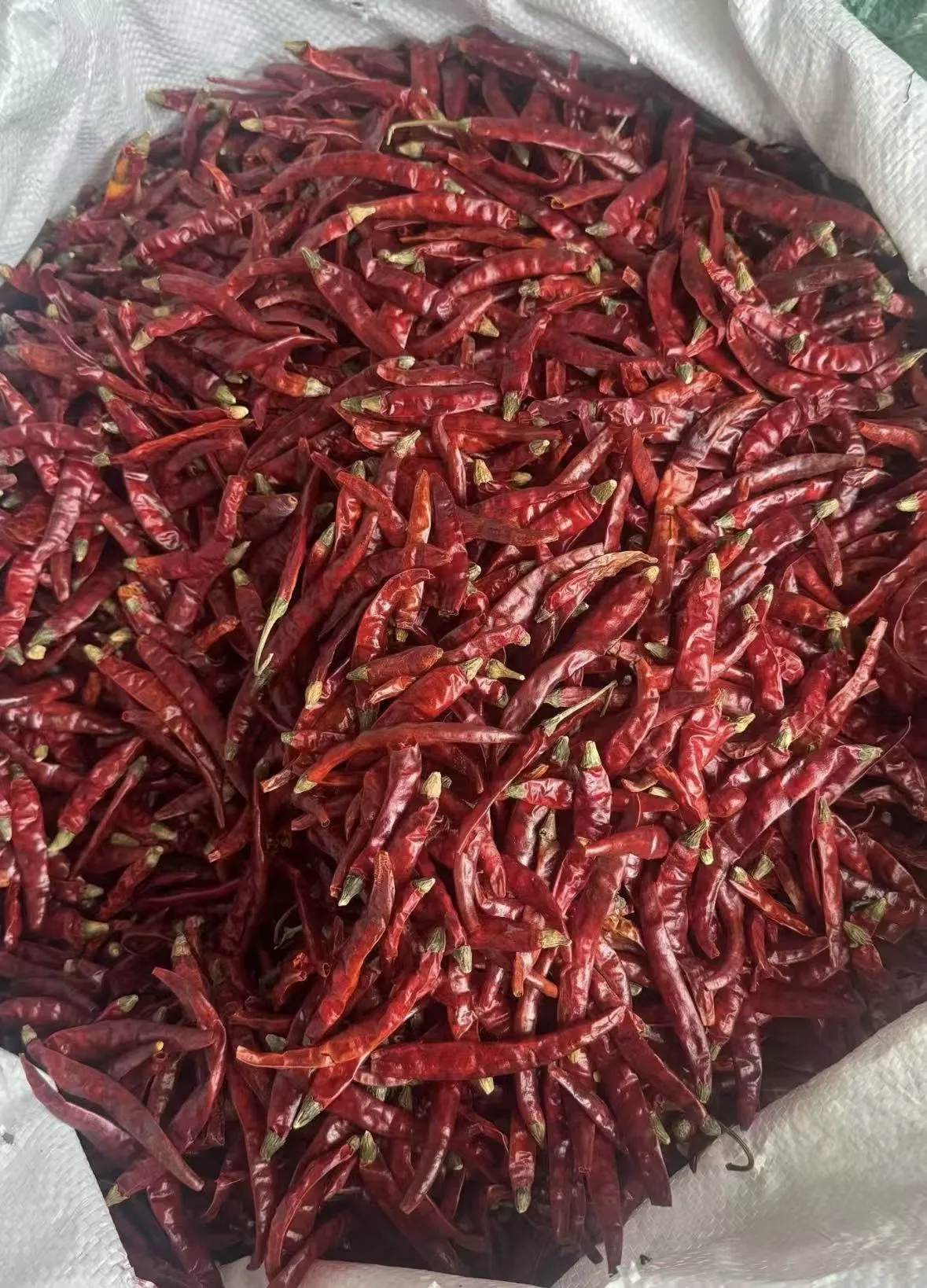
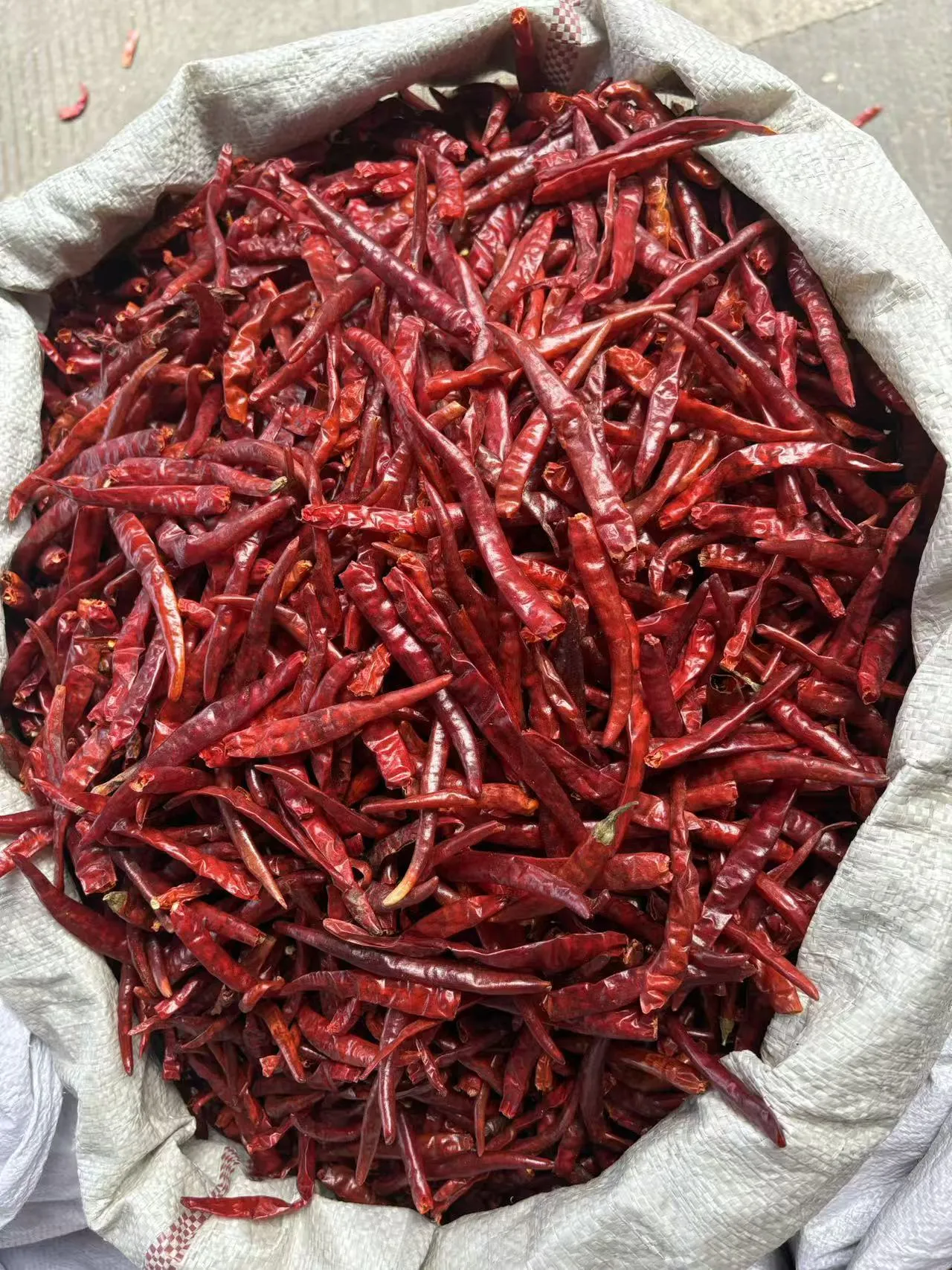
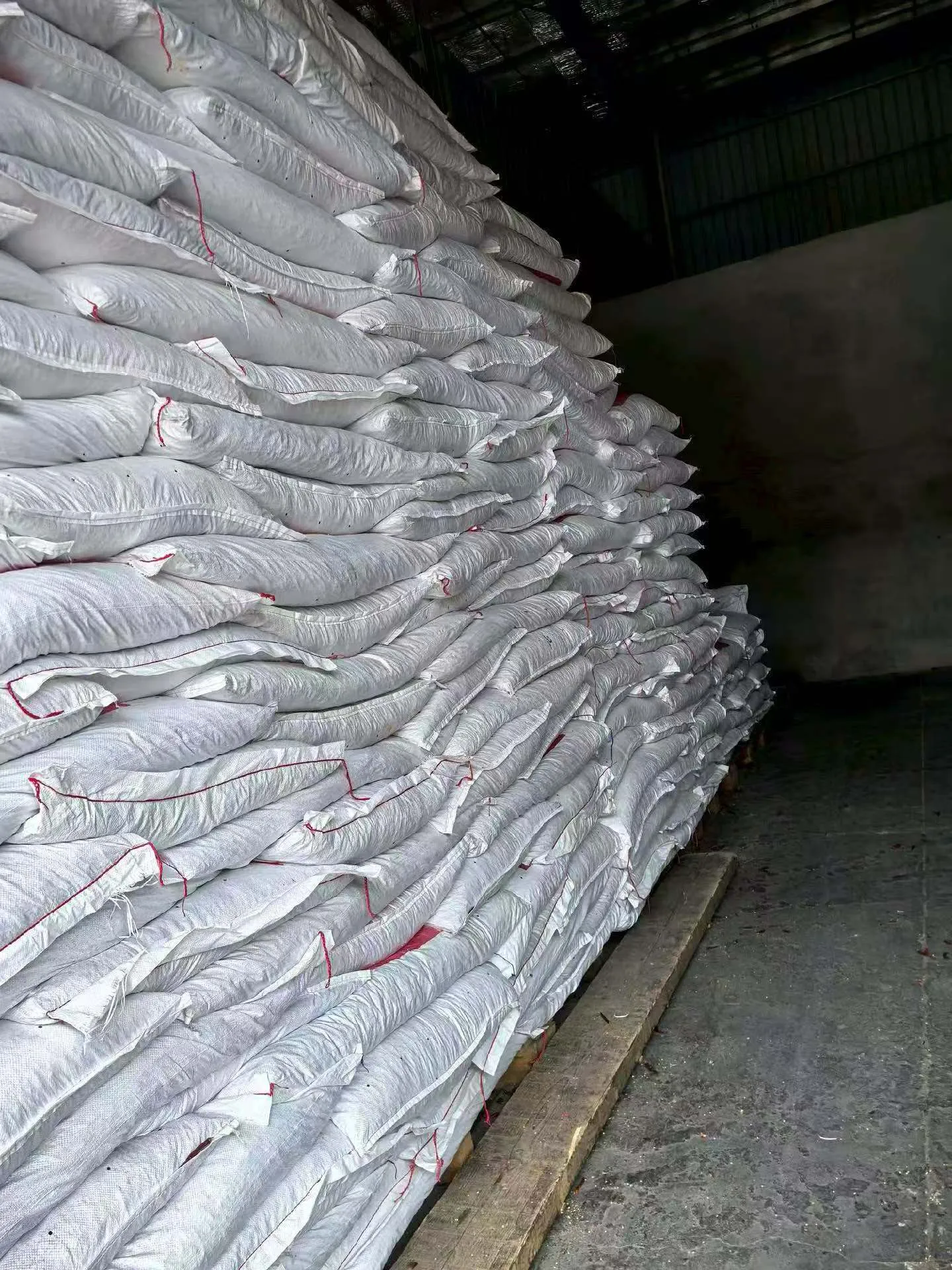
- PackingWoven bag
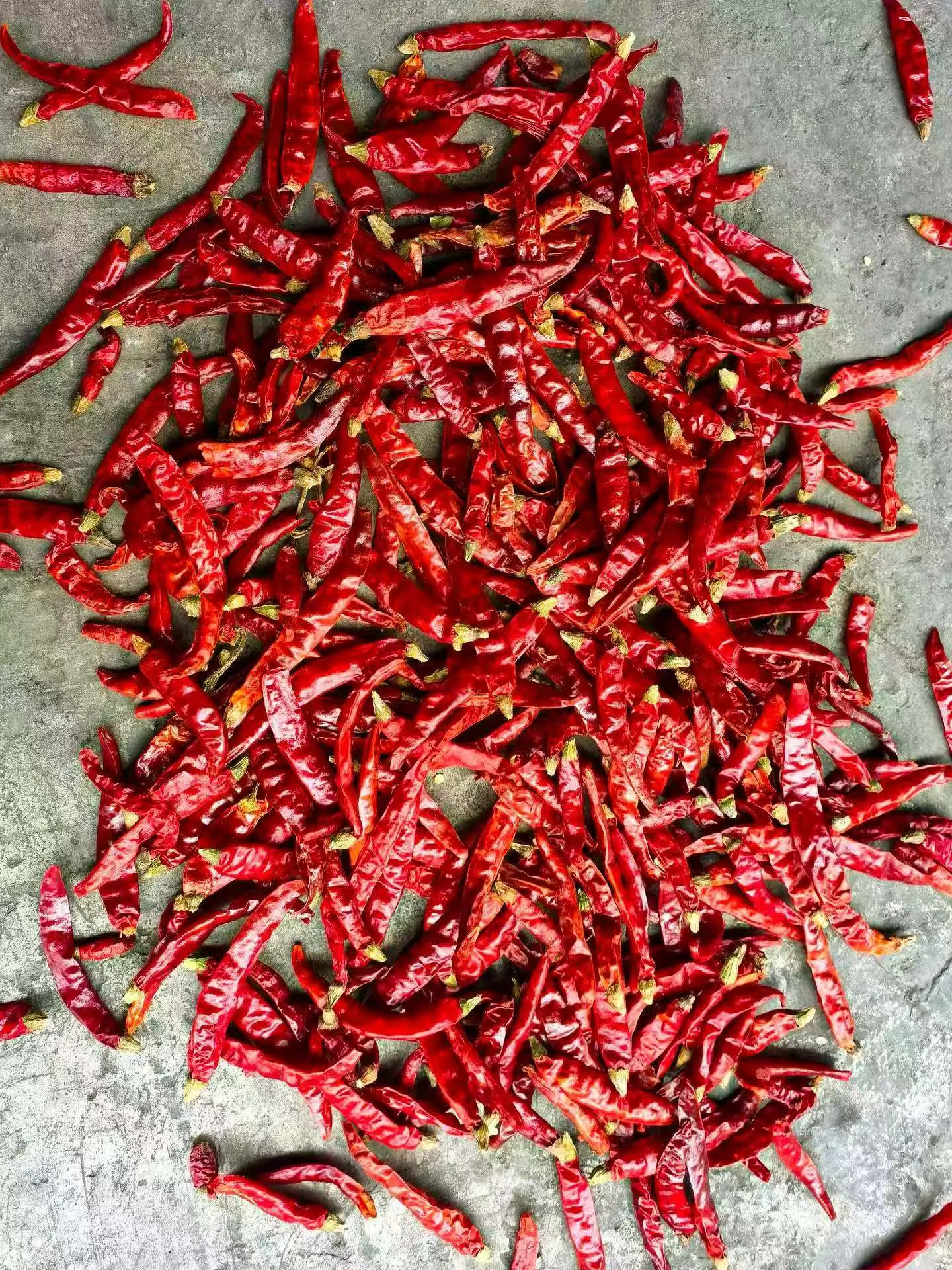
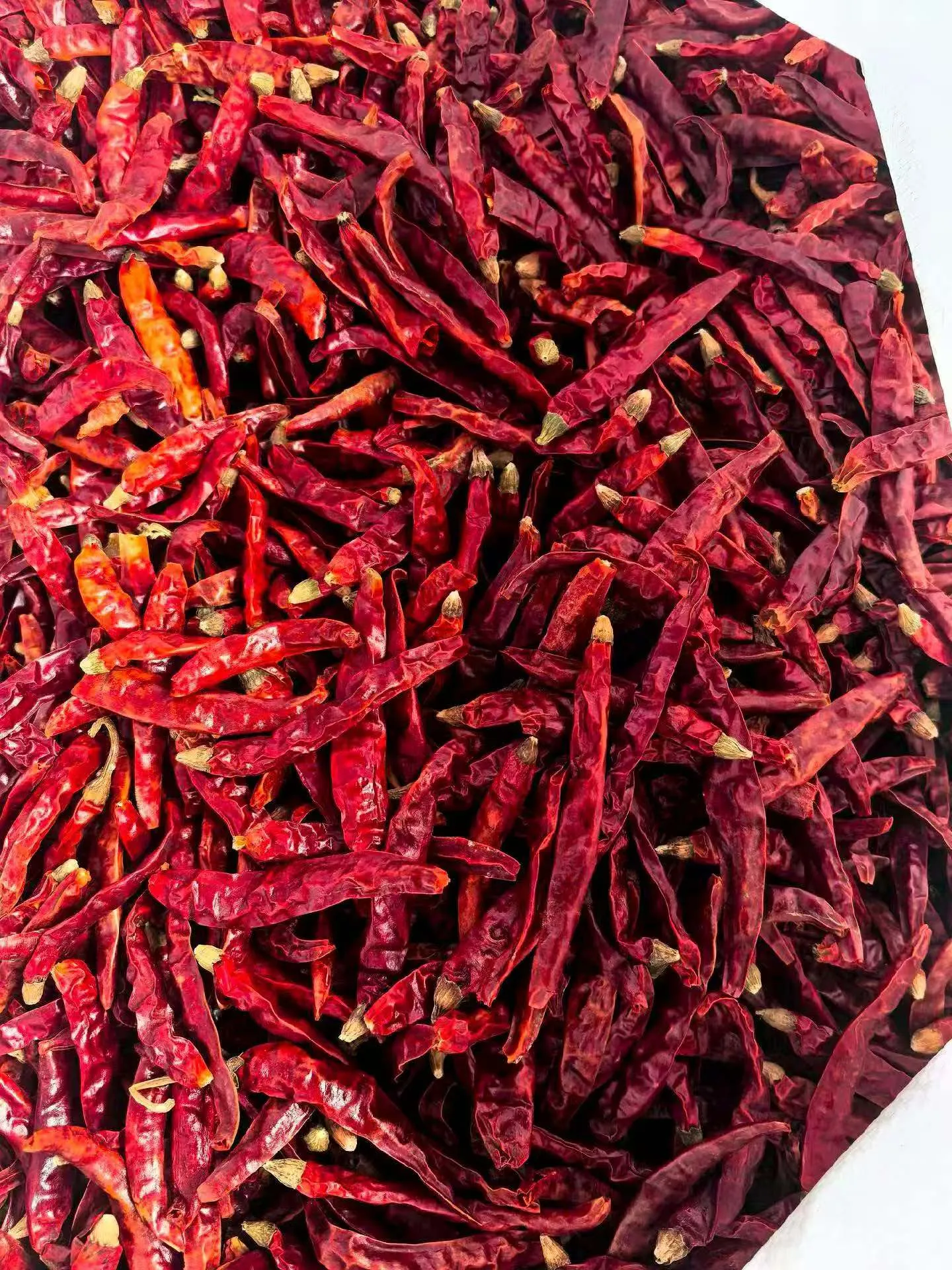
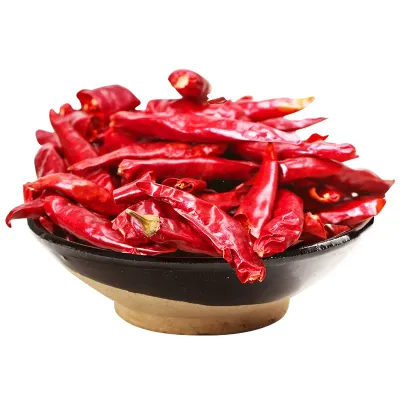
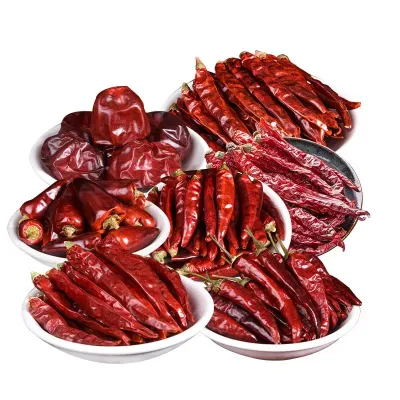
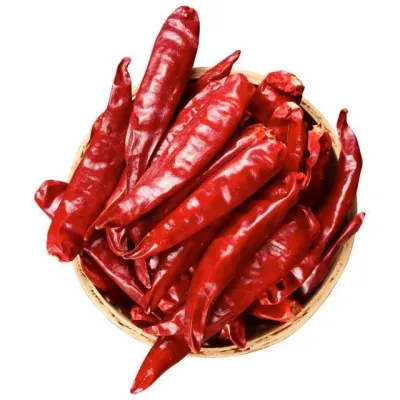
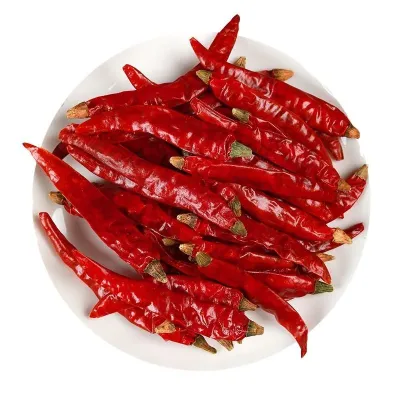
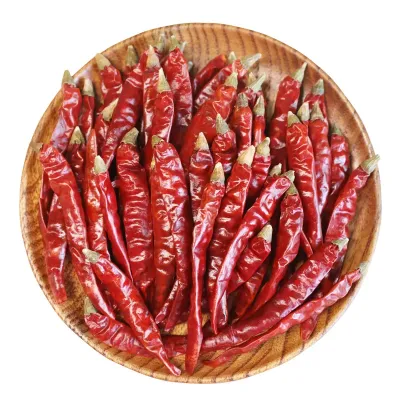
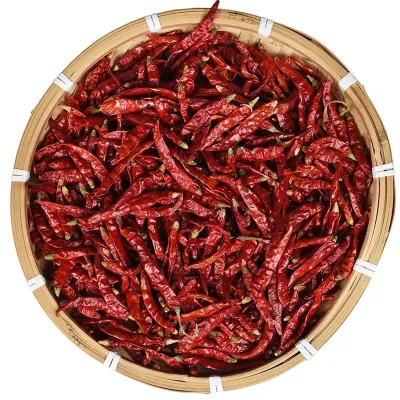
S17 is a commercial label for whole dried red chili pods to assess for food processing. Agree the actual ingredient and complete composition, then specify how the supplied pods, stems and seeds must be prepared for the proposed food recipe.
Move from ingredient choice to recipe acceptance
Establish the actual S17-labelled material and the supplied whole-pod condition. A proposed hotpot or curry recipe needs its own preparation and sensory acceptance before the chili ingredient can be recommended.
- Approve the actual named chili material and complete formula.
- Agree acceptable whole-pod, stem and seed conditions for receiving.
- Assess 8–12cm using a defined length axis and sampling method.
- Evaluate moisture 8–20% on the agreed measurement basis.
- Check the full 80000–100000SHU interval with relevant lot evidence.
- Test Super Spicy and spicy sensory criteria in the intended recipe.
Match the technical evidence to the material
Keep the 8–12cm (3.15–4.72in) length reference separate from moisture 8–20% and 80000–100000SHU. Confirm relevant methods and selected-lot applicability for the actual ingredient rather than assuming that the commercial name defines a fixed grade.
Establish the Sun-dried preparation
Confirm how Sun-dried processing applies and what further food preparation is needed. Review relevant material or process documents alongside the recipe and receiving requirements before choosing packing.
Set storage and receiving conditions
Connect the shelf-life reference of 24months to actual temperature and dry, cool handling. Agree the receiving package after accepting the ingredient, pod preparation, technical criteria and food-processing requirements.
Carry those accepted requirements into the final material and packing brief. Include the relevant lot evidence and agreed sensory acceptance for the intended recipe.