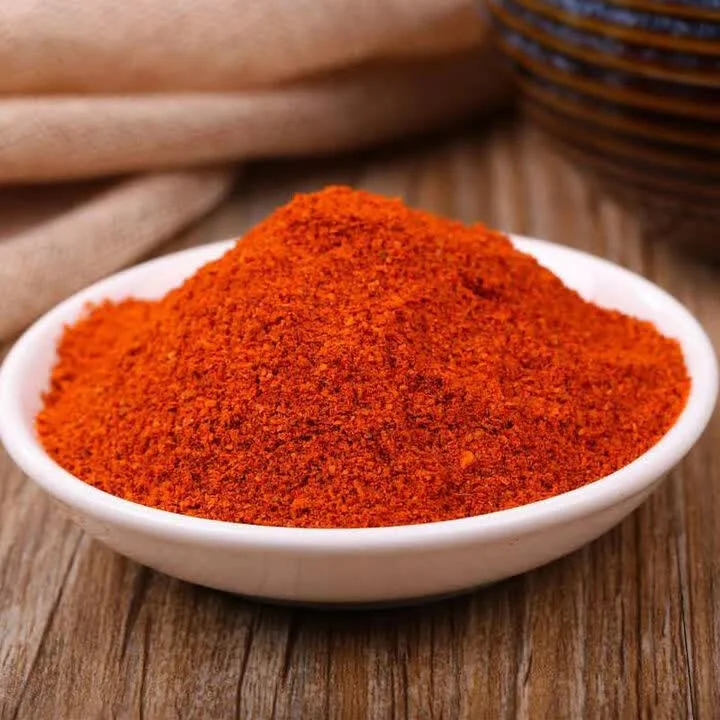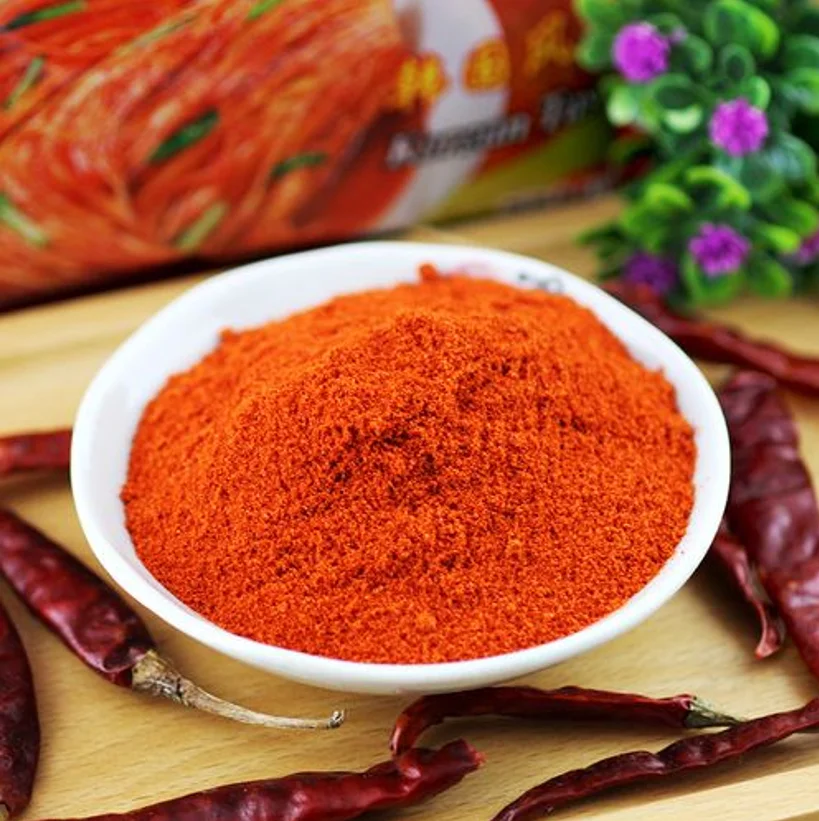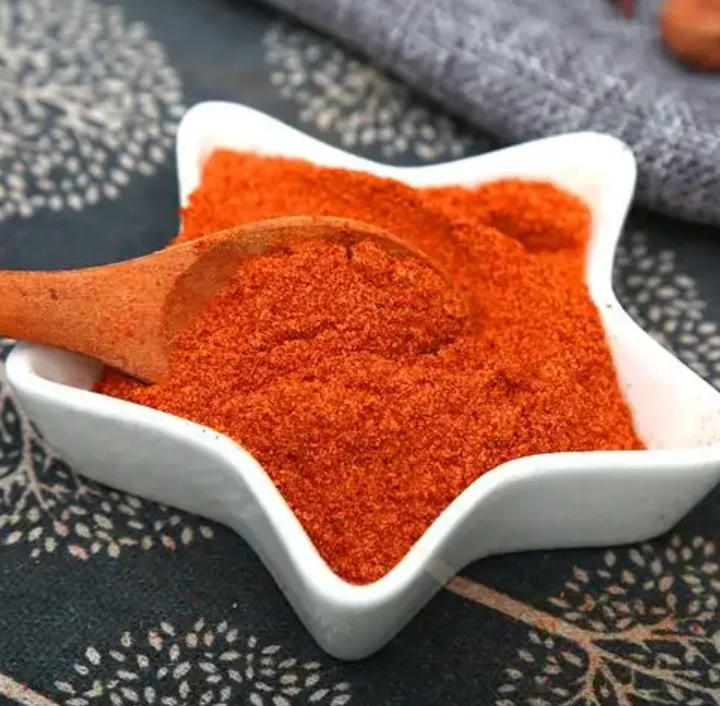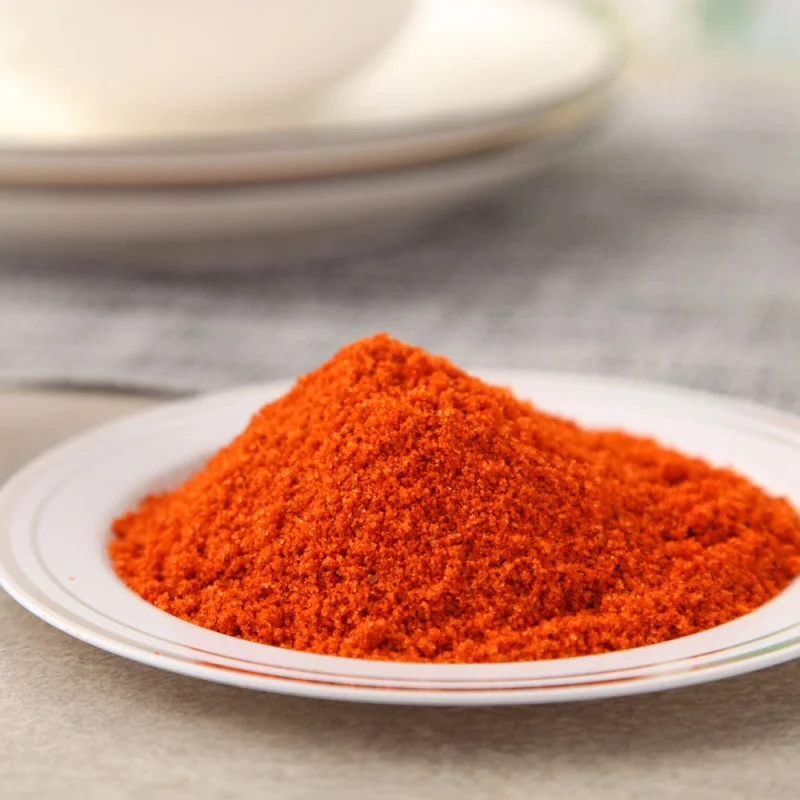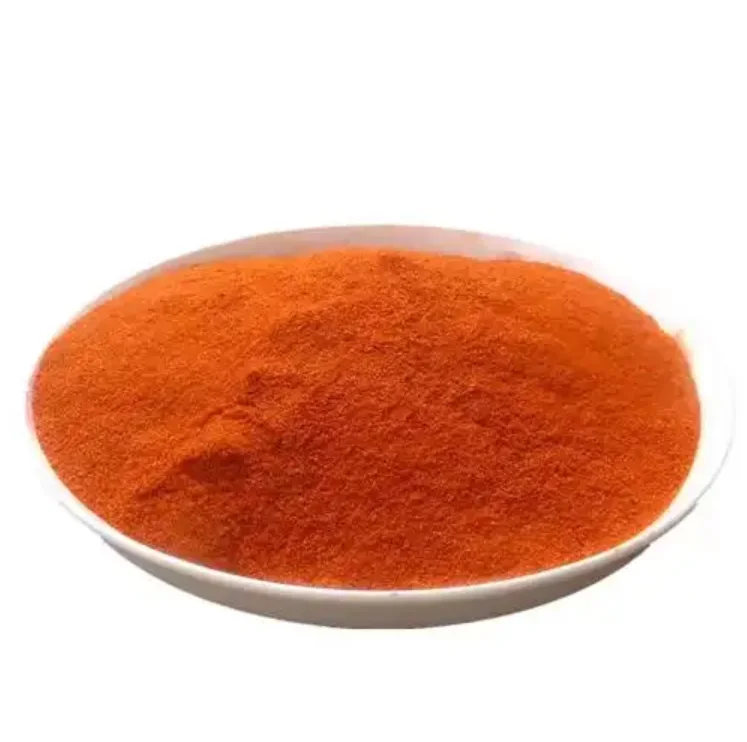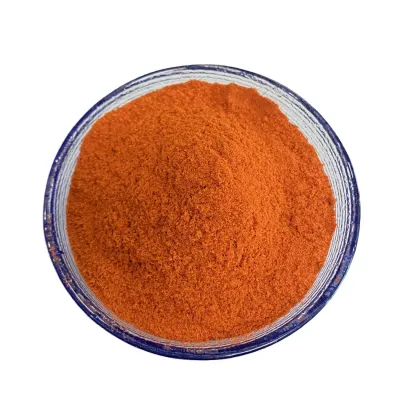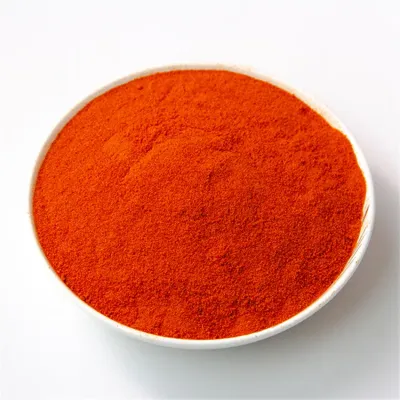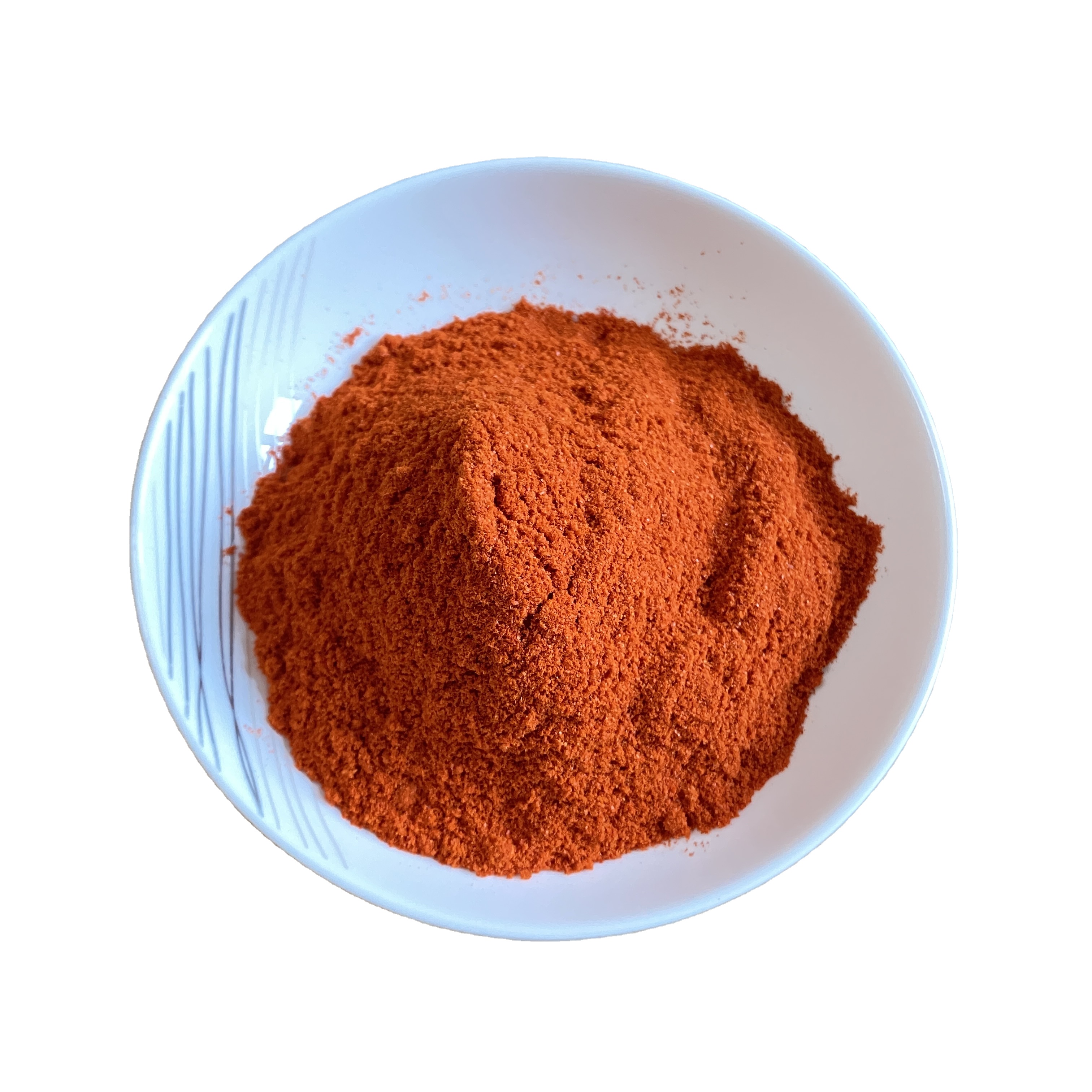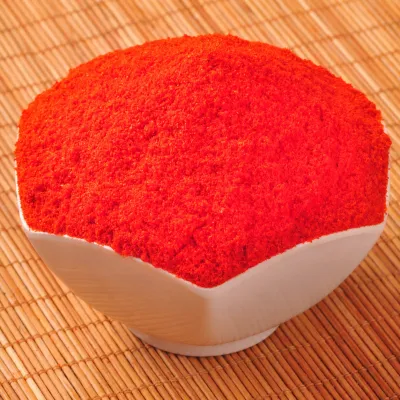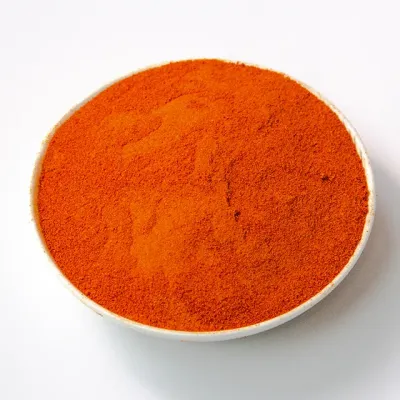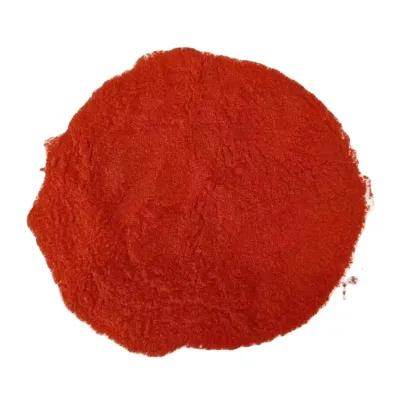
- Varietychili powder, 100% Natural ProductStorage Typestore in dry, sealed container
- Specification10-40 mesh,10-20mesh, 60meshProduct TypeSingle Herbs & Spices
- IngredientsNo additivesContentNatural chili crush
- Instruction for UseAdd according to the dishDrying ProcessAD
- StyleDriedProcessing TypeRaw
- ShapeGranuleWeight (kg)10
- Shelf Life1 yearTypeChilli & Pepper
- NameChili PowderTasteMild spicy, customized
- GradeTop GradeApplicationKimchi, spicy food
- MOQ500 kgPackingcustomized
- Colourdark redSize10-40 mesh,10-20mesh, 60mesh
- CertificationBRC ISO HALAL KOSHER
Use dried red chili powder as an ingredient candidate for kimchi and other spicy-food preparations. The useful starting point is the actual formula and supplied grind, followed by sensory acceptance in the recipe you plan to produce.
Start with sensory acceptance
Mild spicy is a written taste reference, while the actual requirement remains to be agreed for the supplied preparation. Confirm the complete ingredient and additive composition, powder condition and seed preparation before deciding how the chili fits your food formulation.
- Identify the actual chili material and full formula.
- Describe the supplied grind and seed condition.
- Agree the intended kimchi or spicy-food sensory result.
- Define each relevant sieve criterion independently.
- Establish material-part, method and selected-lot applicability.
- Confirm final processing and further food preparation.
- Accept the actual receiving temperature and package.
Evaluate independent particle references
The technical references list 10-40 mesh,10-20mesh, 60mesh separately. Relate each to its own sieve standard, criterion and measurement method for the identified powder; these references do not establish a selected supplied mesh or a recipe result.
Connect processing with handling
Establish how AD and Raw apply to the final supplied ingredient and what further food preparation is needed. For the one-year shelf-life reference, agree actual temperature and package conditions alongside dry storage in a sealed container.
Check any relevant BRC, ISO, HALAL or KOSHER documentation through its holder, issuer, standard, material scope and validity. Keep the accepted composition, powder preparation and sensory brief together when settling receiving arrangements for the actual lot. Retain recipe sensory acceptance with the supplied powder and seed description.