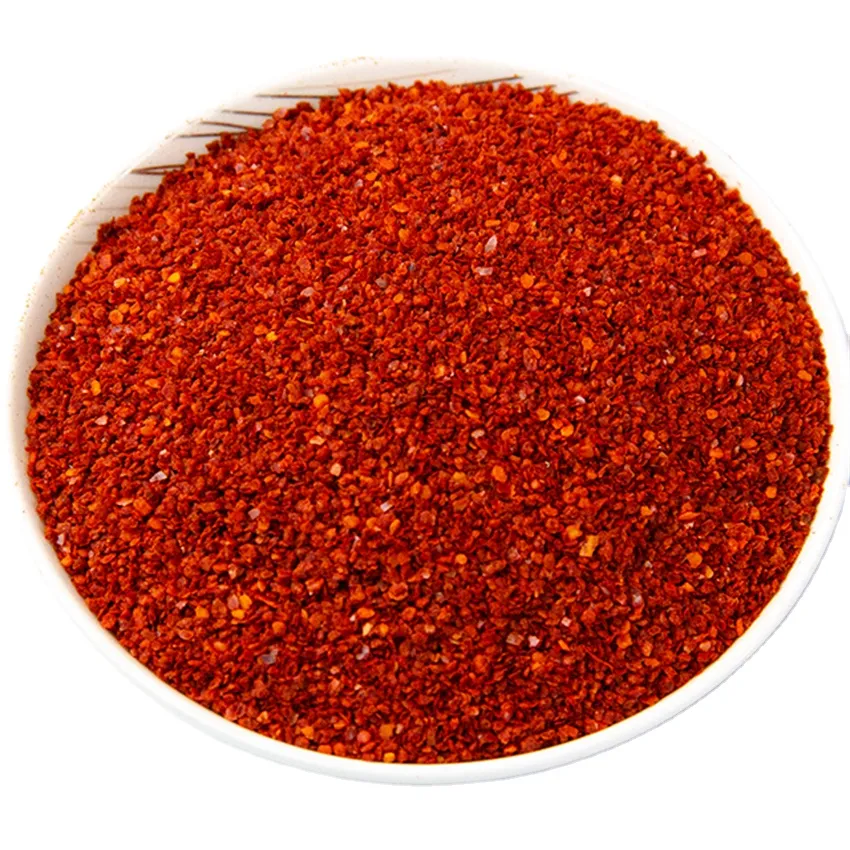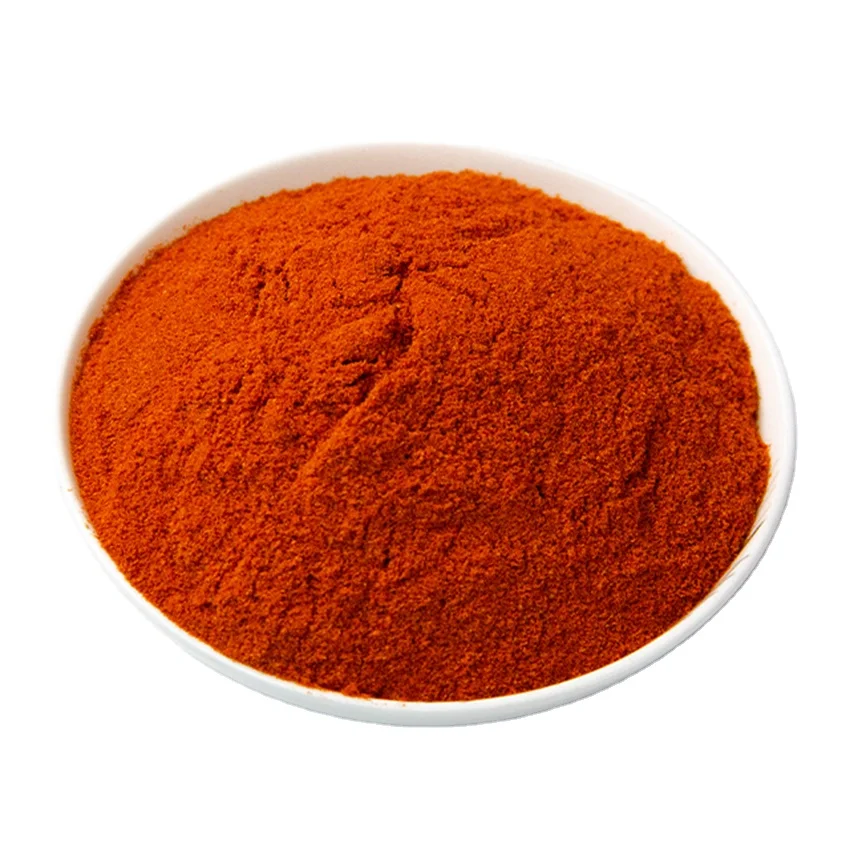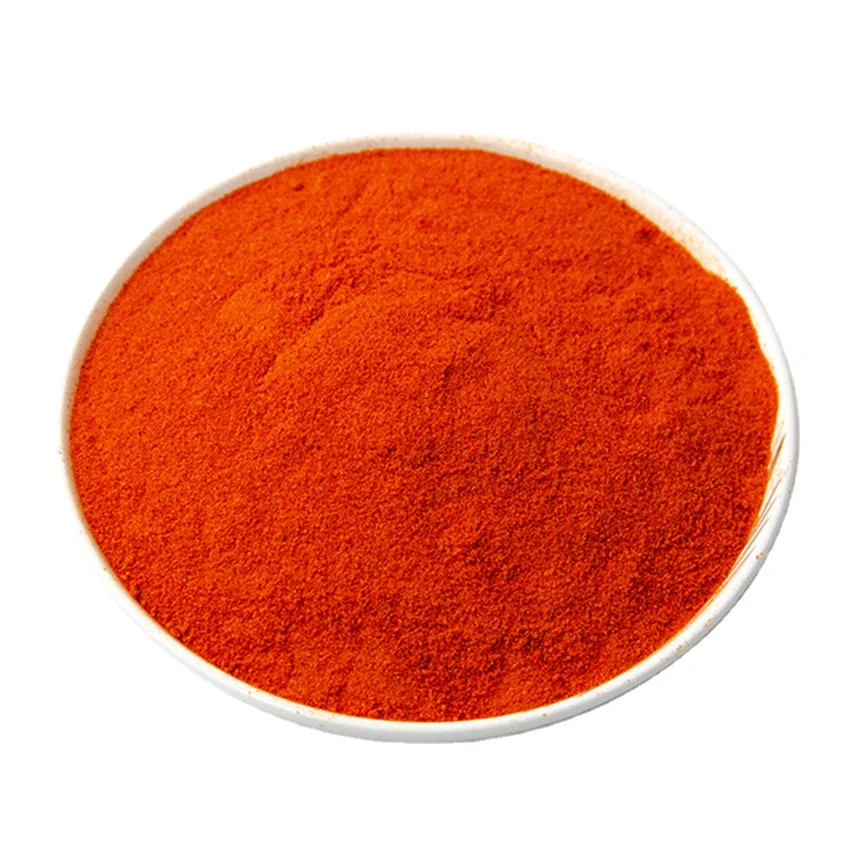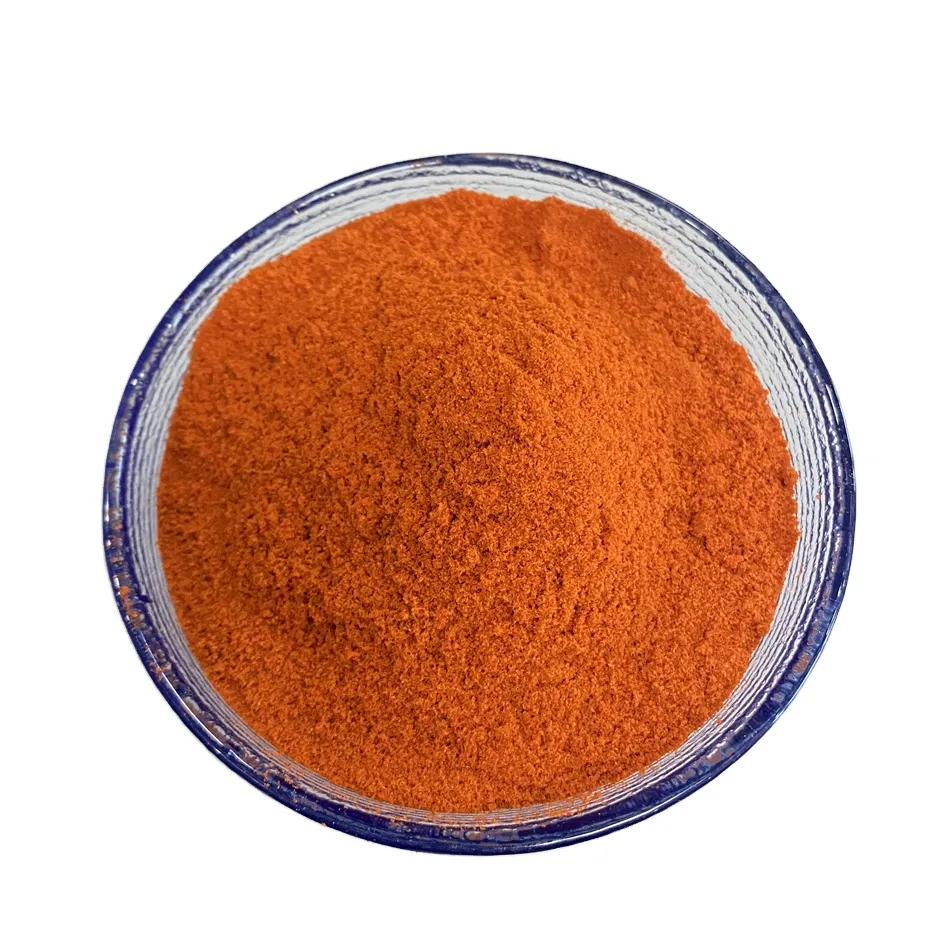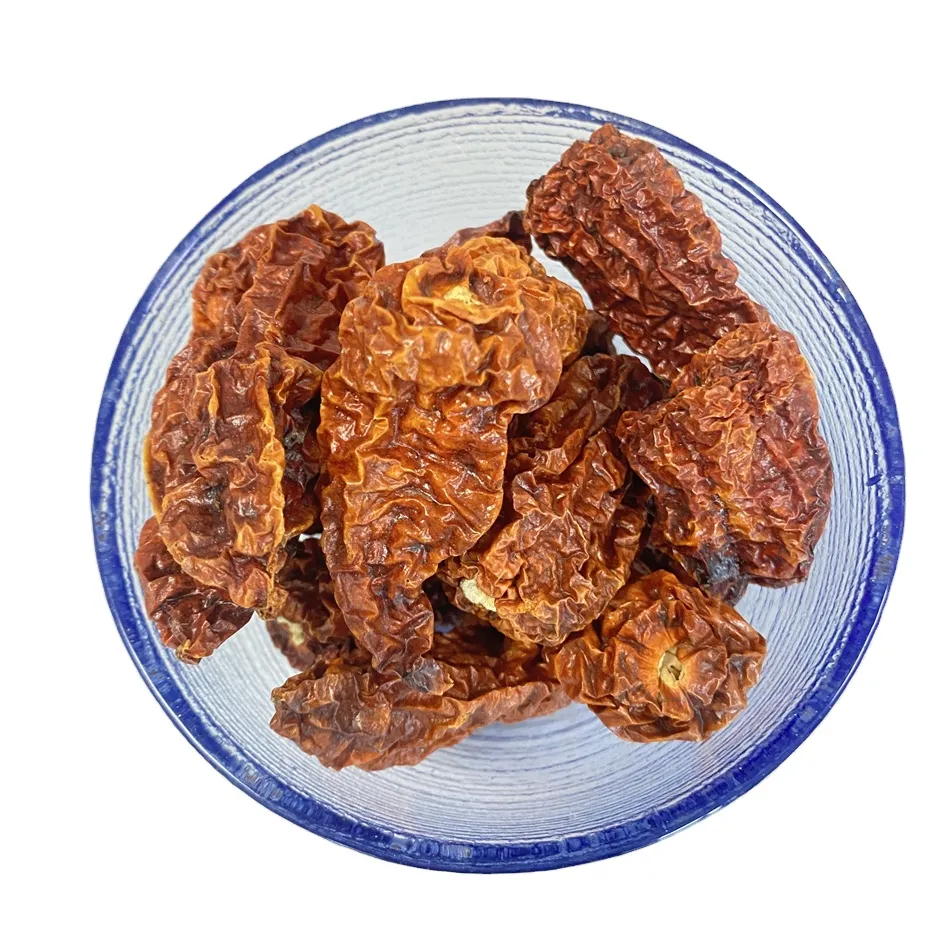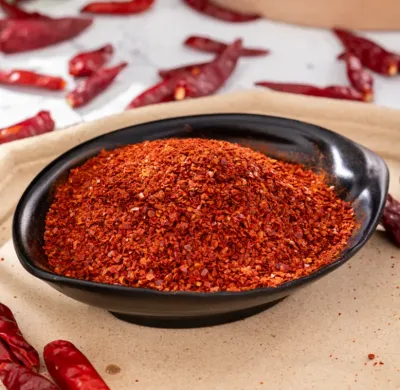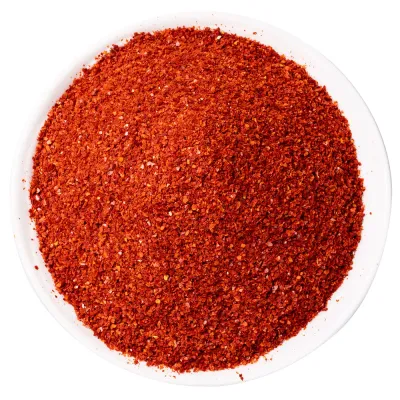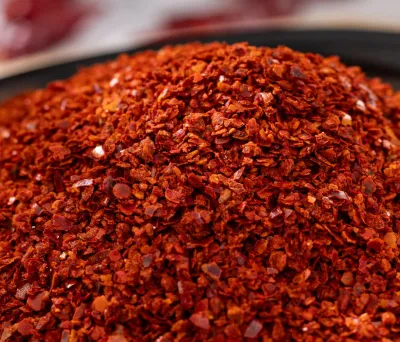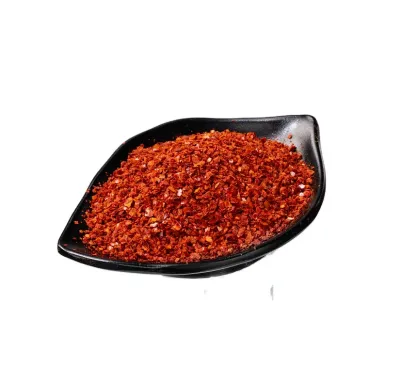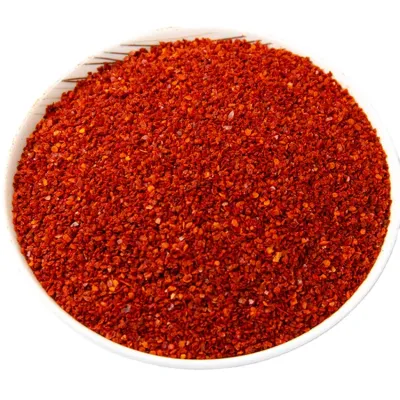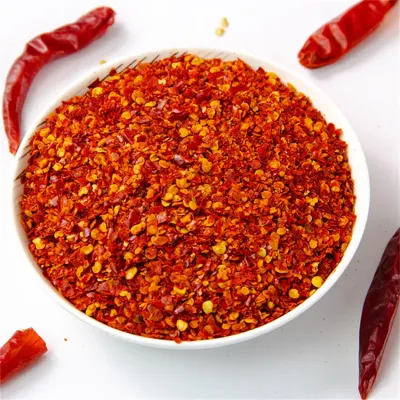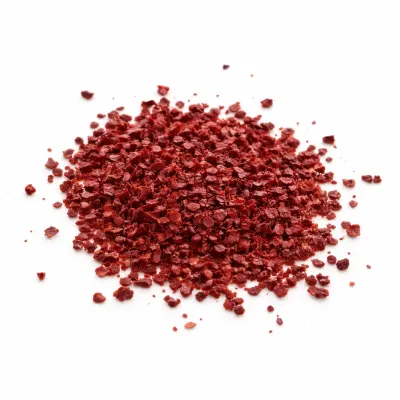
- Storage Typedry, cool, placeSpecificationchili powder
- Product TypeSingle Herbs & SpicesIngredientsdry chili
- Contentchili powderInstruction for Useusd for food
- Drying ProcessADStyleDried
- Processing TypeRawShapePowder
- Weight (kg)1Shelf Life1 year
- TypeChilli & PepperNamechili powder
- TastespicyGradeTop Grade
- ApplicationseasoningVariety100% Natural Product
- MOQ1 bagPacking1kg/bag
- ColourredSize10-40 mesh,10-20mesh,60mesh
- Moisture11% Max
Match dried finely crushed chili to a food seasoning recipe by agreeing the actual ingredient and supplied preparation first. Complete composition, grinding, cut and seed condition provide the basis for comparing a representative sample and deciding what you want to receive.
Describe the preparation you need
State the recipe conditions under which the spicy sensory reference will be evaluated. Accept the actual supplied grind and seed preparation with those conditions, keeping any additional measured heat requirement subject to its own applicable method and lot evidence.
Keep three sieve references separate
Evaluate 10-40 mesh,10-20mesh and60mesh as independent, unselected criteria. For each relevant reference, define the sieve standard, material fraction, acceptance criterion, method and lot applicability to the actual chili preparation.
- Confirm the full ingredient declaration.
- Accept actual cut, grind and seed condition.
- Choose the relevant sieve criterion and protocol.
- Assess moisture 11% Max on an agreed basis.
- Define preparation and dry, cool package handling.
Clarify processing before recipe acceptance
Establish the actual relevance of AD and Raw to the ingredient selected. Agree further food preparation with the intended seasoning operation before accepting that material for the recipe.
Connect duration with receiving conditions
Keep one year associated with accepted dry, cool temperature, humidity, packaging, closure and handling. The receiving format should follow the material and storage brief, rather than being chosen independently of the preparation.
Review the applicable measurement method and lot evidence with the supplied cut and grinding criteria. Keep that accepted specification available for receiving checks and later sample comparisons, including any changes to recipe preparation or package handling.