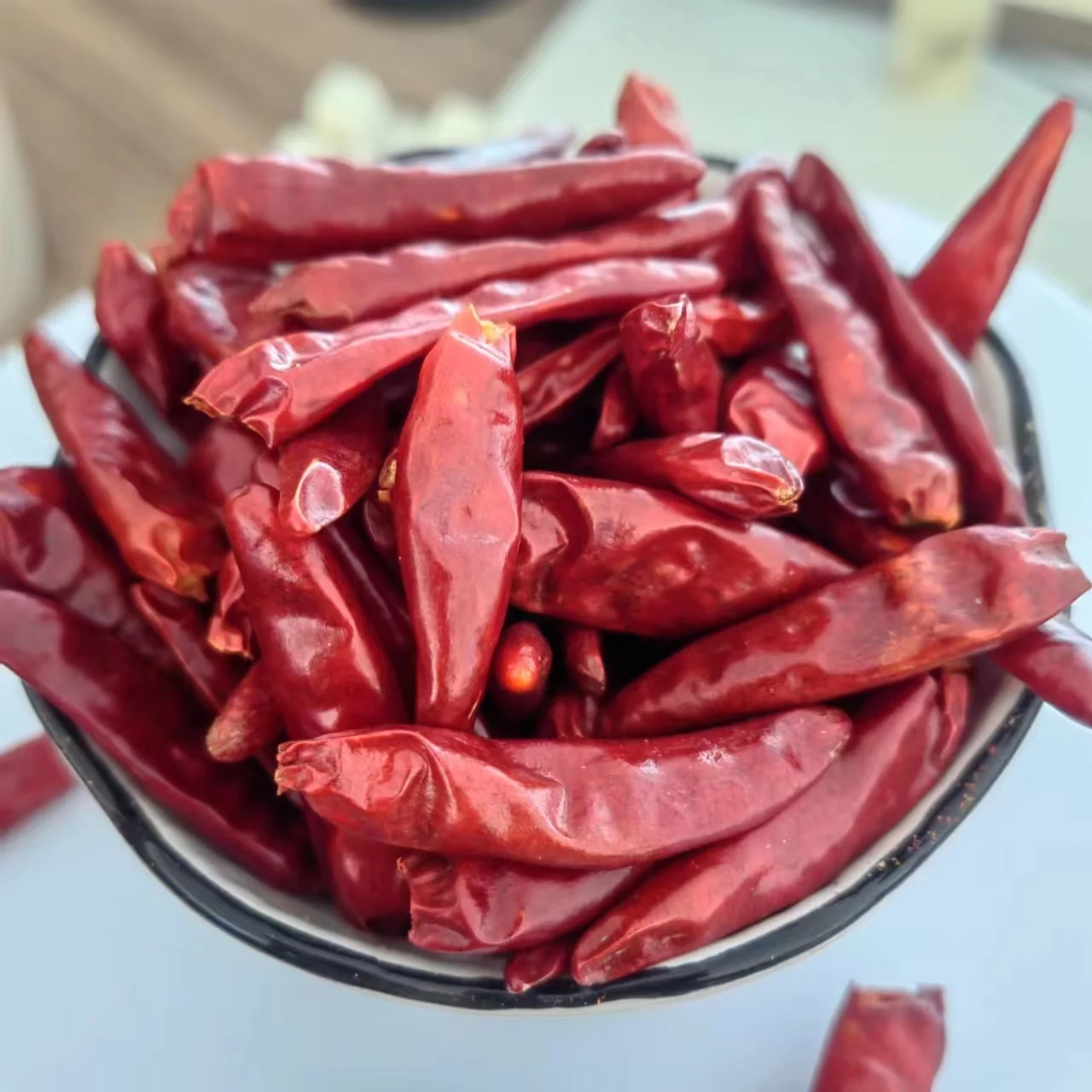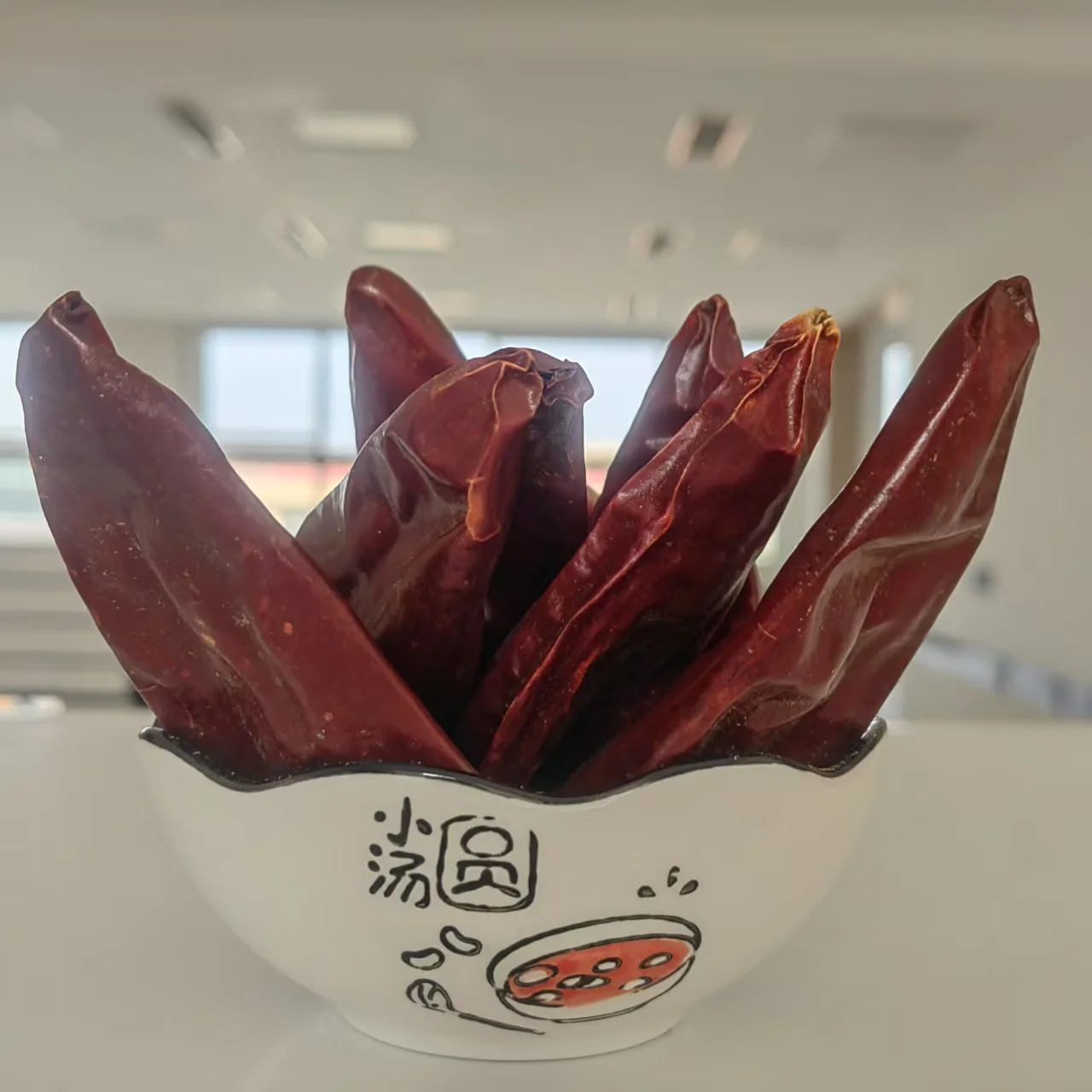

An ingredient trial becomes more useful to procurement when the material identity and evaluation conditions travel with the result. A handover record links what was actually assessed to the specification being discussed for an order. It gives the buyer, technical team and supplier a shared set of questions without turning one sample into a promise about every later lot.
Start with the Material Actually Evaluated
Record the product link, ingredient name, preparation and sample identifier. Add relevant lot information where it is available and identify the existing benchmark separately. If the material was prepared further during the trial, describe that preparation in the buyer's evaluation record.
A whole chili pod candidate for sauce-making enquiries, for example, should remain identifiable as the candidate considered. Any later cut, treatment or different material requested for an order needs to be recorded as a change rather than silently inheriting the original evaluation.
Separate the Purpose from the Observation
The trial purpose explains the question your team wanted to answer. The observation records what happened under the conditions actually used. Keep both with the relevant acceptance criterion so a short comment such as “acceptable appearance” has a clear meaning.
Record the conditions your own operation used rather than copying a general recipe. This handover tool does not prescribe a treatment, addition rate, cooking schedule or food-safety decision. Those belong to the applicable process and quality review.
Create a Compact Handover Record
- Candidate: product link, ingredient, preparation, sample identity and relevant lot details.
- Purpose: the comparison question and benchmark used by the buyer.
- Criteria: the composition, physical, sensory or analytical requirements actually reviewed.
- Conditions: the evaluation method and relevant process context.
- Observations: factual findings, linked photographs or supporting records.
- Decision scope: what was accepted for the stated purpose and which questions remain open.
- Changes: differences proposed for the order material, treatment or packing.
- Next action: information, confirmation or agreement needed before proceeding.
Carry Complete Criteria into the Specification
When transferring a declaration into the purchasing brief, keep the complete notation, units and qualifiers. A range retains both endpoints; a declared maximum remains a maximum; an independent sizing reference stays on its own line. Identify the method and material or lot scope needed to make the criterion meaningful.
The ingredient-document guide provides a scope checklist. A supplier declaration, an applicable test record and the buyer's agreed criterion serve different roles, so give them separate references in the handover.
Show What Will Change for an Order
Ask whether the selected preparation, composition, treatment or packing differs from the material evaluated. Record each change and identify which part of the earlier review needs to be reconsidered. A renamed candidate or a similar photograph is not a sufficient change record.
Include package state and handling instructions where they affect the discussion. The packing and delivery guide helps organise the receiving destination, requested timing and storage questions without assuming a common rule for every ingredient.
Keep Commercial Agreement with the Actual Request
A technical handover does not set the order quantity, payment terms, sample charges or delivery commitment. Bring those questions into the quotation and agreement for the actual ingredient and packing configuration.
Before sending the record, check that a colleague can identify the candidate, understand the trial purpose and see what still needs an answer. Use the RFQ guide to complete the purchasing details, then contact Relia about the selected ingredient.