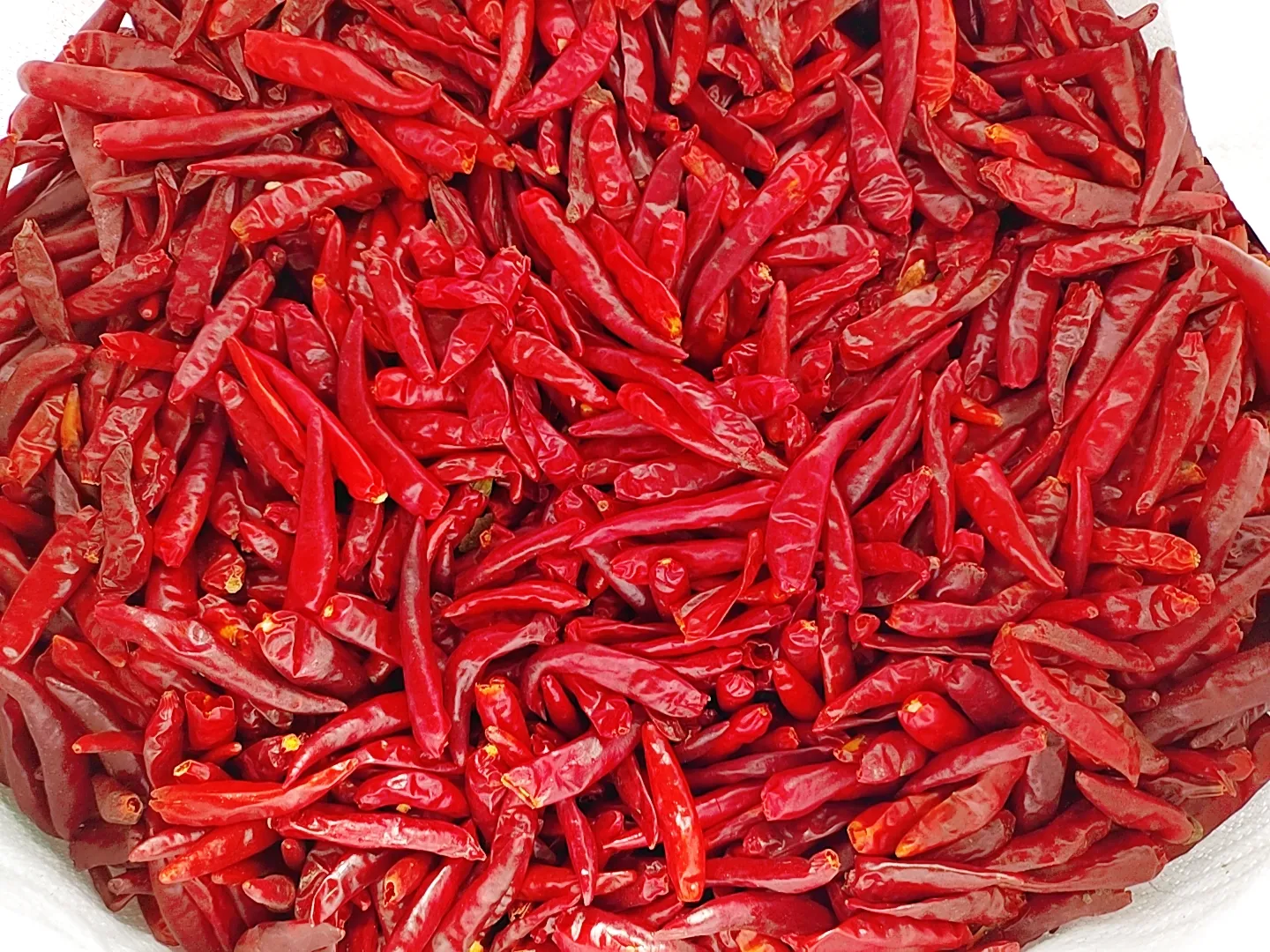
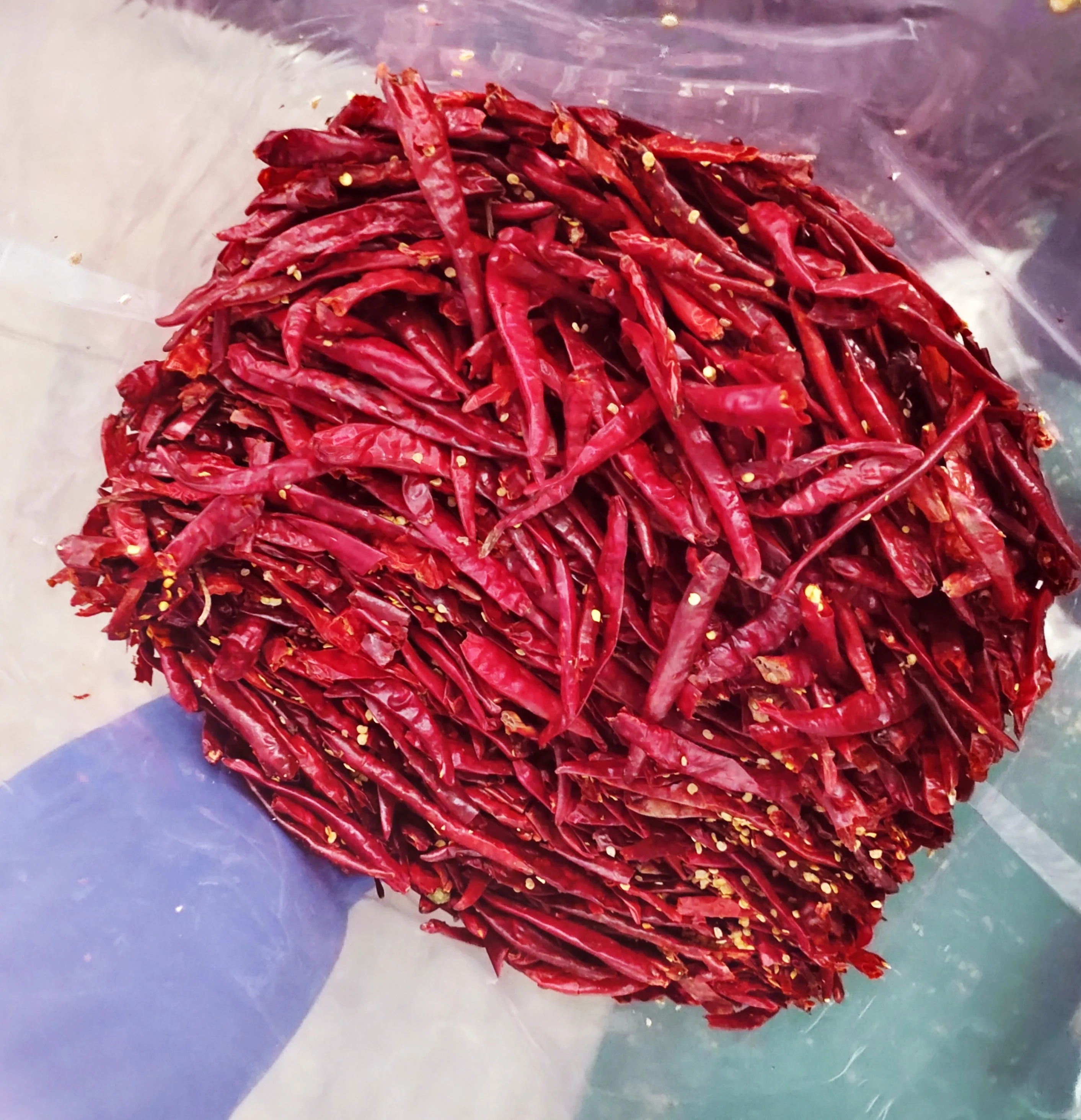
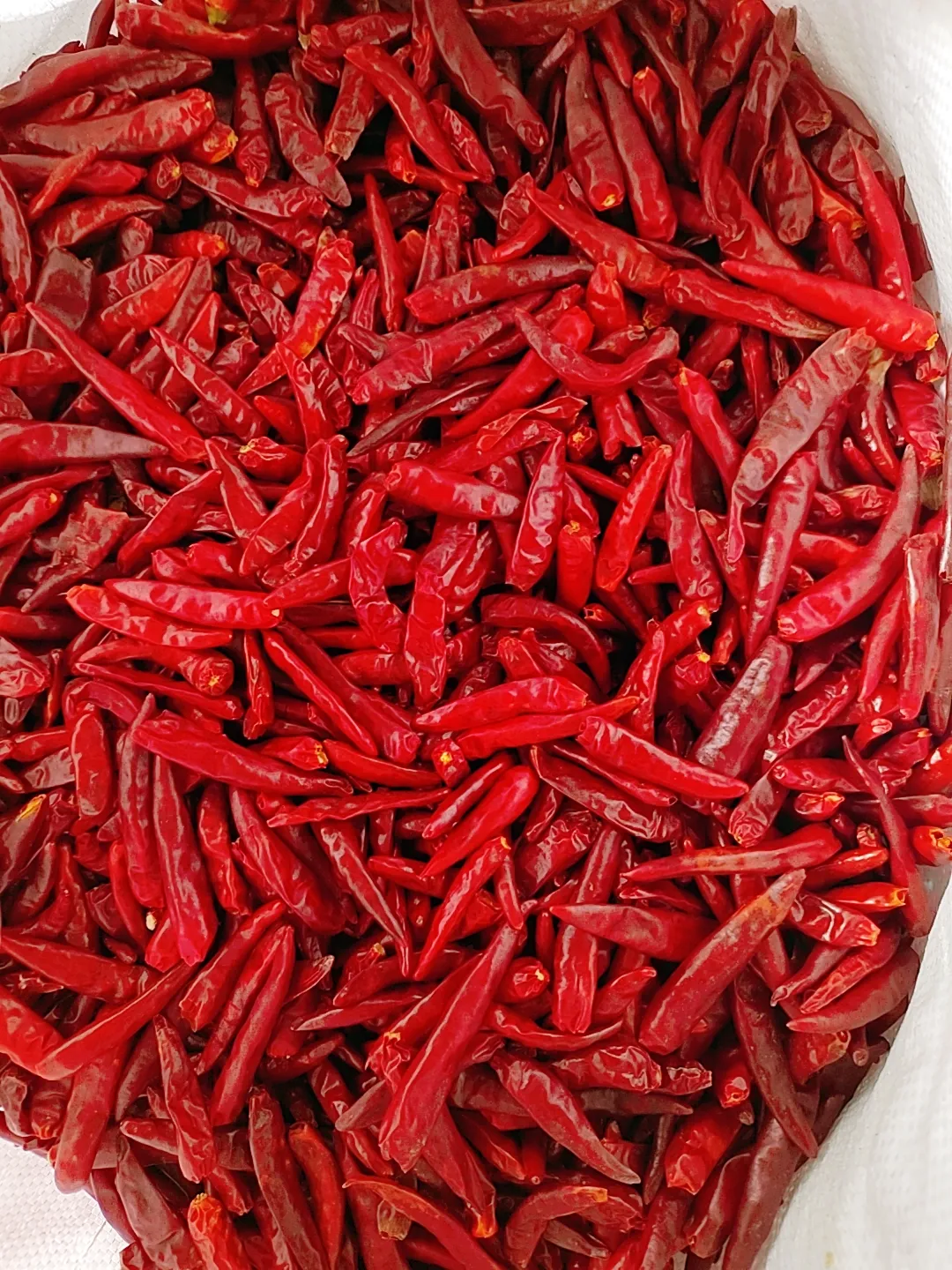
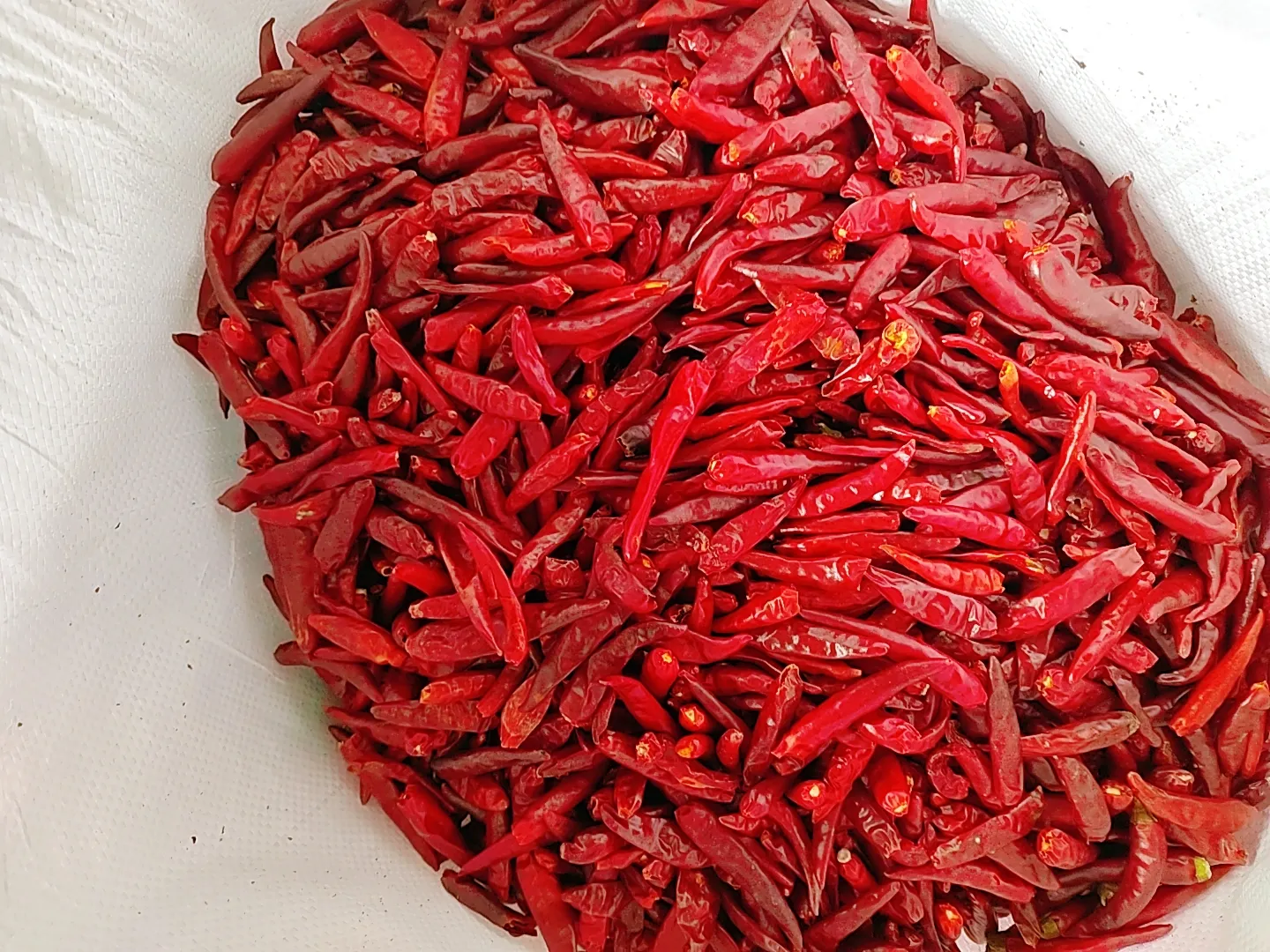
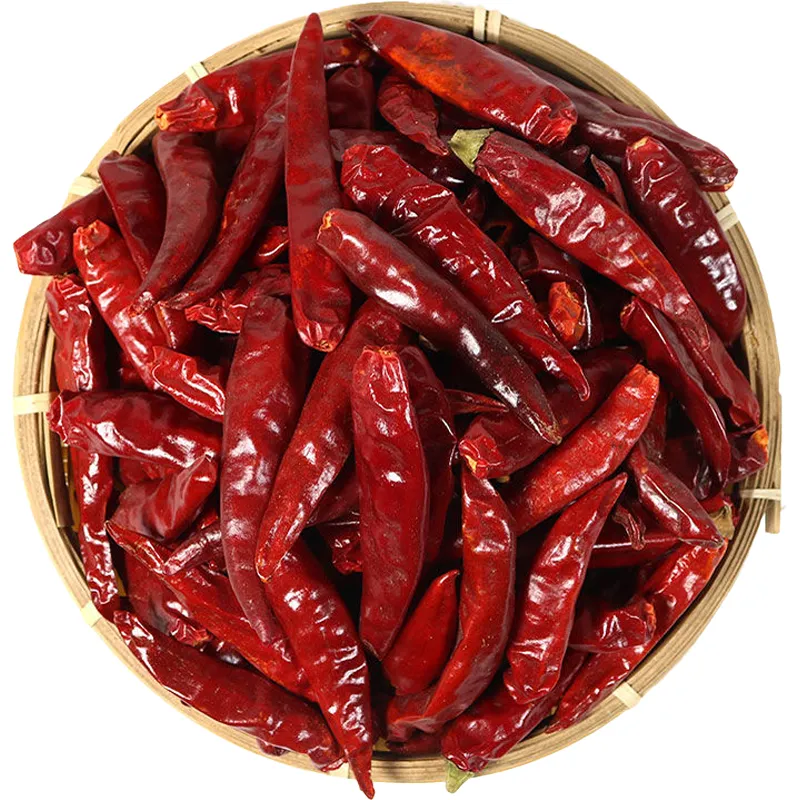
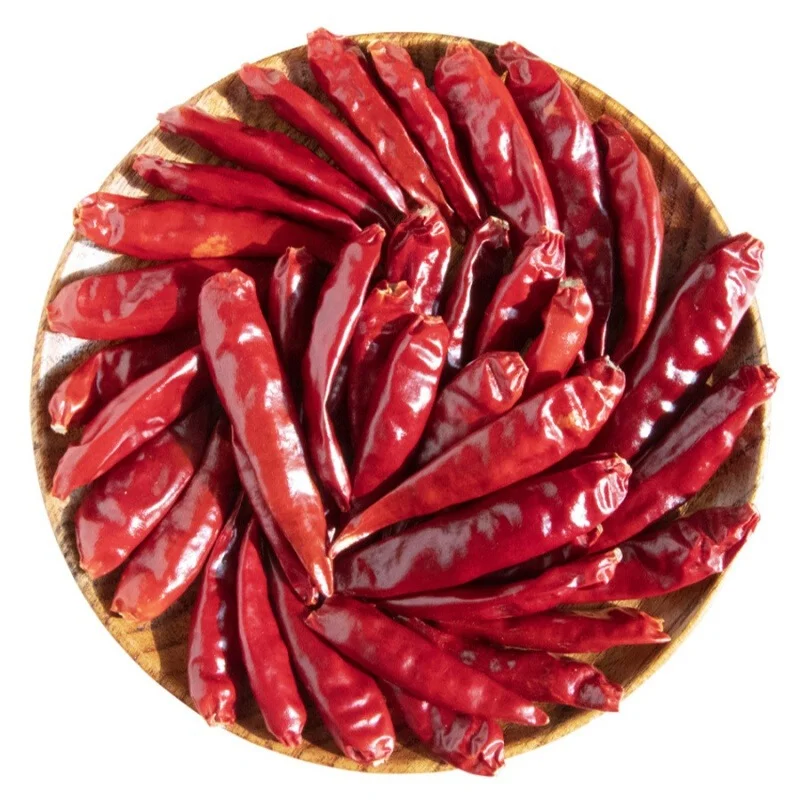
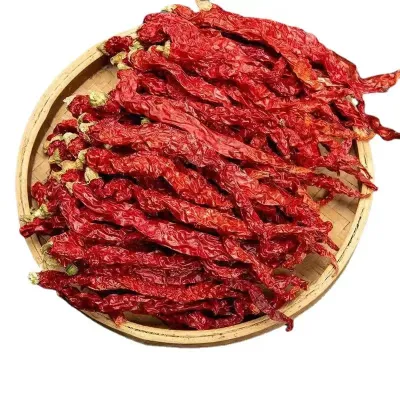
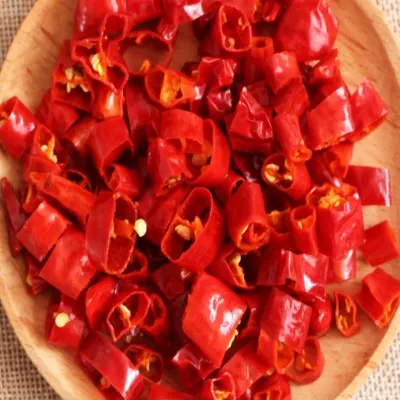
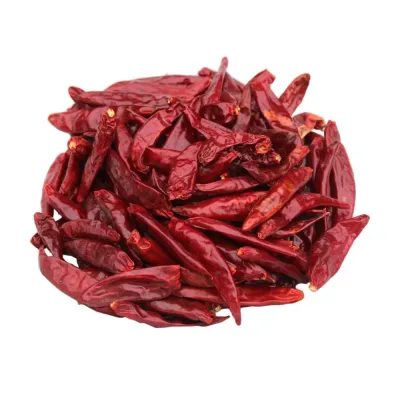
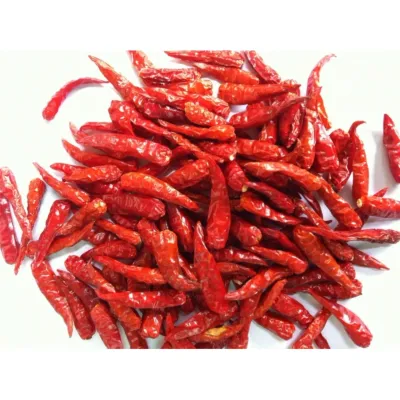
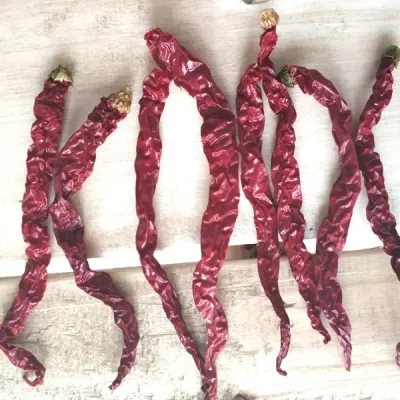
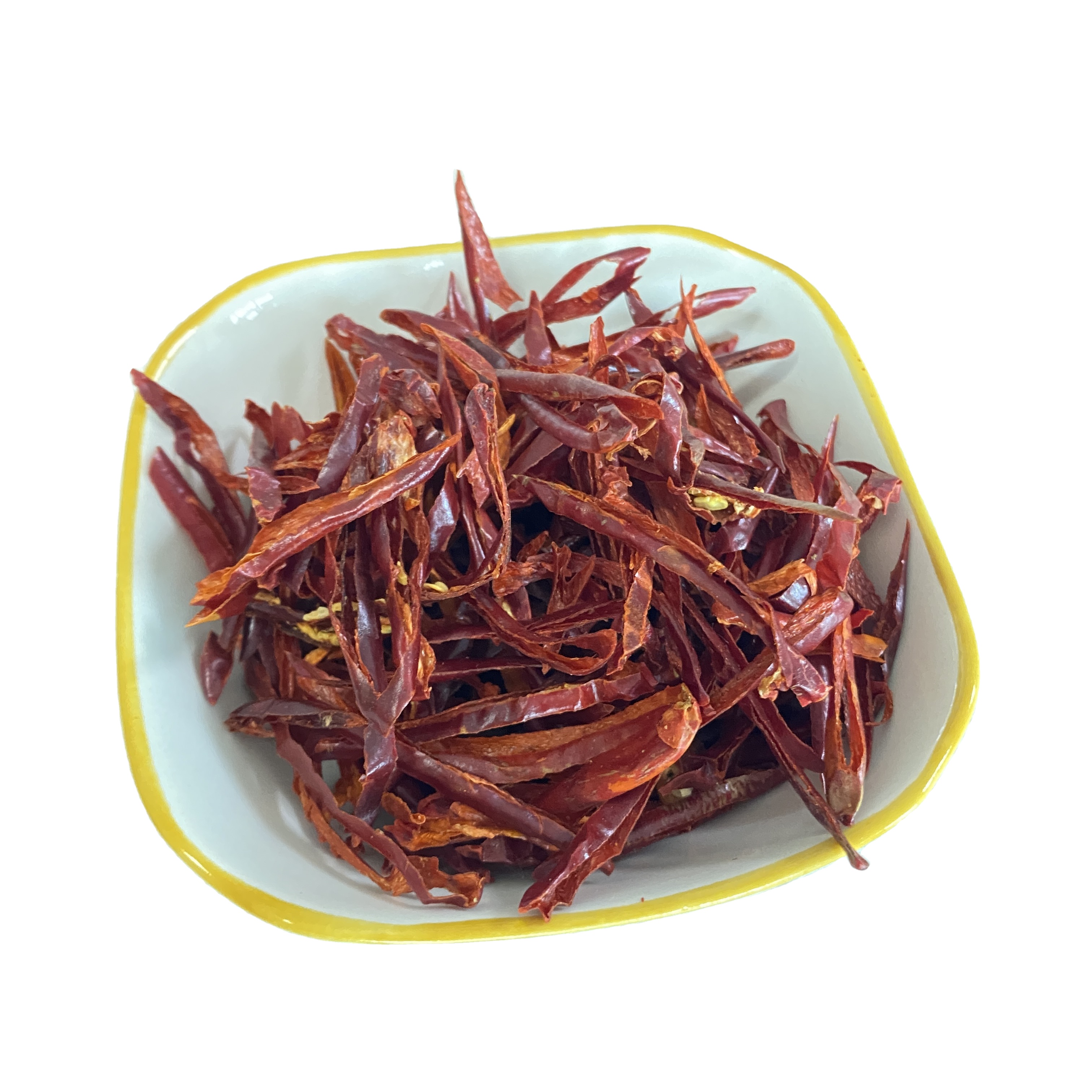
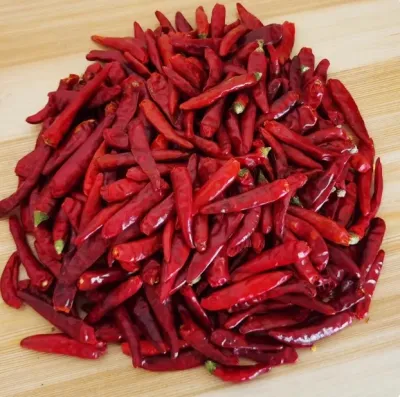
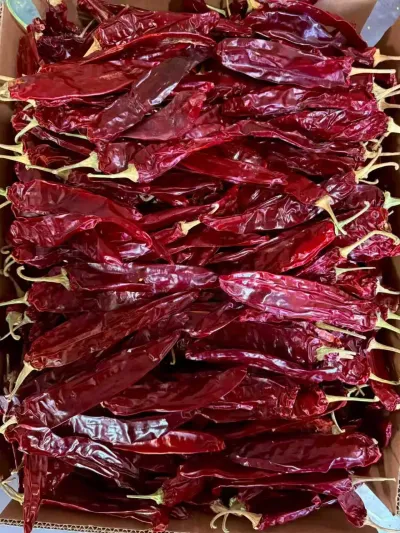
- Varietypickling spiceStorage TypeCool and dry ventilate place
- Specification20kg/BagProduct TypeMixed Spices & Seasonings
- IngredientsDried chilliContentDried chilli
- Instruction for UseFood CookingTypeChili Mix
- StyleDriedColorRED
- ShapePieceGradeA
- Shelf LifeTwo yearsProcessing TypeRaw
- Weight (kg)1
For a cooking or pickling-spice ingredient brief, define the dried red chili pieces and complete composition the recipe requires. The accepted material should have a clear preparation specification and documented handling conditions.
Describe the intended ingredient use
Explain the cooking or pickling-spice requirement and the actual chili preparation it calls for. A use description does not define a complete recipe or demonstrate a preservation effect, so establish the applicable material acceptance conditions.
Agree composition and cut criteria
A chili-mix requirement needs the complete formula and an actual ingredient and additive statement. Specify the piece dimensions, seed preparation and any moisture, sensory or measured heat requirement, with relevant product and selected-lot evidence.
- State the actual cooking or pickling-spice brief.
- Confirm the named chili and full composition.
- Agree the cut and seed preparation criteria.
- Set any moisture, sensory and heat requirements.
- Obtain the applicable grade standard if required.
- Confirm actual treatment, packing and receiving conditions.
Ask what grade A means for the order
If grade A is a purchase condition, request the applicable standard and acceptance criteria. Confirm their relevance to the actual material before accepting a grade or making a quality comparison.
Review the two-year handling basis
The shelf-life description is two years in a cool, dry and ventilated place. Check which actual preparation, packaging and receiving conditions are applicable to that period before setting the ingredient's handling plan.
Complete the preparation and purchase review
Request the actual drying and preparation route, including clarification of raw processing and any additional treatment needed by the operation. Match those records to the accepted composition and cut specification, then confirm the actual packing and commercial terms for the intended use.